Can galvanised steel sheet be welded? Technical facts many workshops do not yet understand
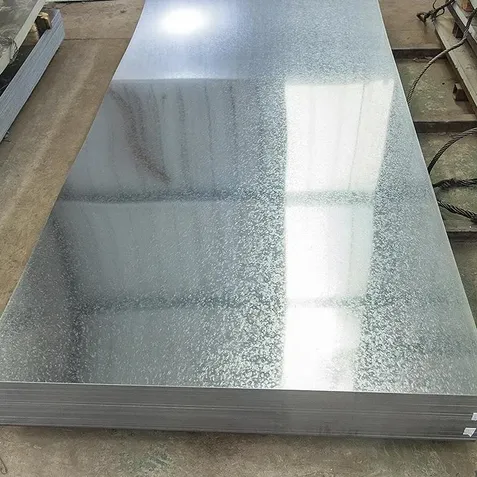
What is galvanised steel sheet? Correct understanding from a technical and production perspective
In practice, when referring to galvanised steel sheet, many people often simply understand this as “a type of rust-resistant steel sheet”. This understanding is not wrong, but if it stops there, it is not enough to choose the right material in production or construction. Especially for mechanical workshops, roofing contractors, steel structure companies, or sheet fabrication units, correctly understanding the nature of galvanised steel sheet will directly affect product quality and operating costs.
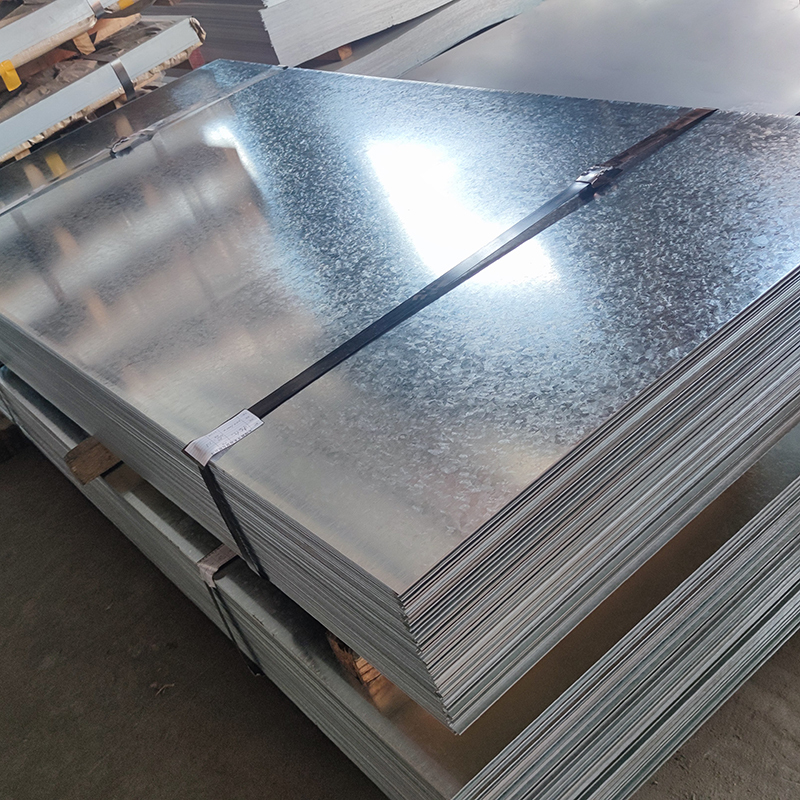
Essentially, galvanised steel sheet is base steel (usually cold-rolled steel or hot-rolled steel with surface treatment) coated with a layer of galvanised by hot-dip galvanising or electro-galvanised method. However, the important thing is not “having a galvanised layer”, but in how that galvanised layer functions in actual use.
Specifically, the galvanised coating not only acts as an outer coating to limit contact with the environment, but also functions through an electrochemical protection mechanism. When the material works in an environment with humidity, rainwater, or corrosive agents, the galvanised layer will oxidize first to protect the inner steel part. This is why even when the surface has slight scratches or the cut edge exposes steel, galvanised steel sheet still has better rust resistance compared to ordinary black steel.
However, in actual production, the effectiveness of galvanised steel sheet does not depend on the name but depends on many specific factors such as: coating thickness (Z100, Z180, Z275…), base steel quality, surface uniformity, and environmental conditions of use. For example, even if it's the same galvanised steel sheet, using it in a dry workshop will be completely different from outdoor use, humid areas, or highly corrosive environments.
From the perspective of a mechanical workshop in District 12, galvanised steel sheet is not just a “rust-resistant” material, but also a factor that directly affects subsequent stages such as cutting, bending, punching, welding, and product finishing. If the wrong type of steel sheet or wrong coating is chosen, problems such as cut edge rust, coating delamination, fabrication errors, or low product lifespan will appear after a period of use.
Therefore, correctly understanding what galvanised steel sheet is not only helps you choose the right material, but also helps optimize the entire production chain – from the fabrication stage until the product is put into actual use.
Can galvanised steel sheet be welded? Technical truth many workshops do not yet understand
In actual mechanical fabrication, a seemingly simple question that causes a lot of debate is: can galvanised steel sheet be welded? Many people think that if it's steel, it can be welded, but when put into actual production, especially at mechanical workshops in District 12, the story is not that simple.
Not a few cases where products after welding experience coating delamination, poor quality welds, quick rust, or errors arising during use. The cause is not the welder's skill, but in not correctly understanding the nature of the material.
This article will clearly analyze from a technical and production perspective for you to understand when to weld galvanised steel sheet, when not to, and what to note to avoid errors.
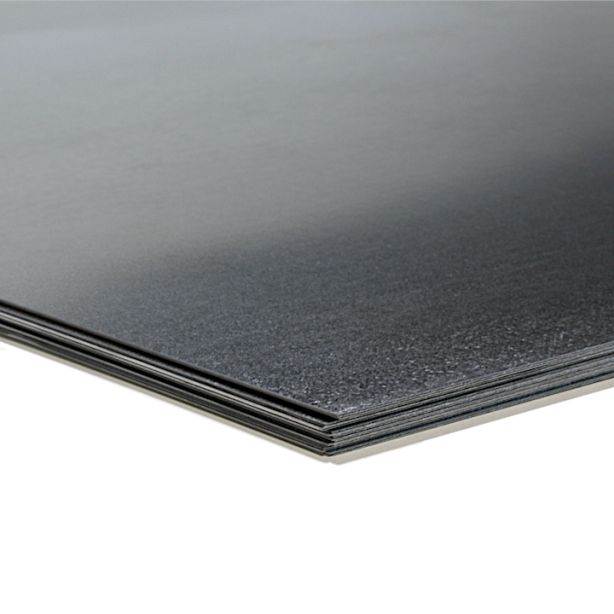
Can galvanised steel sheet be welded?
The answer is: it can be welded, but it should not always be welded directly.
The reason is that the outer galvanised layer will directly affect the welding process. When exposed to high temperatures, the galvanised layer will vaporize, causing many problems with weld quality and occupational safety.
Why does welding galvanised steel sheet easily cause errors?
In actual production at mechanical workshops in District 12, a solution chosen by many units to limit problems when welding galvanised steel sheet is correct fabrication from the start instead of re-processing later. Instead of buying raw materials and processing them entirely themselves, many workshops now prioritize ordering according to specifications that have been cut, bent, or pre-formed to reduce welding steps and limit errors.
This is also why units with the capability coil unwinding – sheet cutting – bending and stamping according to drawings are increasingly preferred. When materials are fabricated to the correct specifications from the start, businesses not only reduce the risk of coating delamination, rust at welds, but also significantly save production time, labor costs, and defect rates.
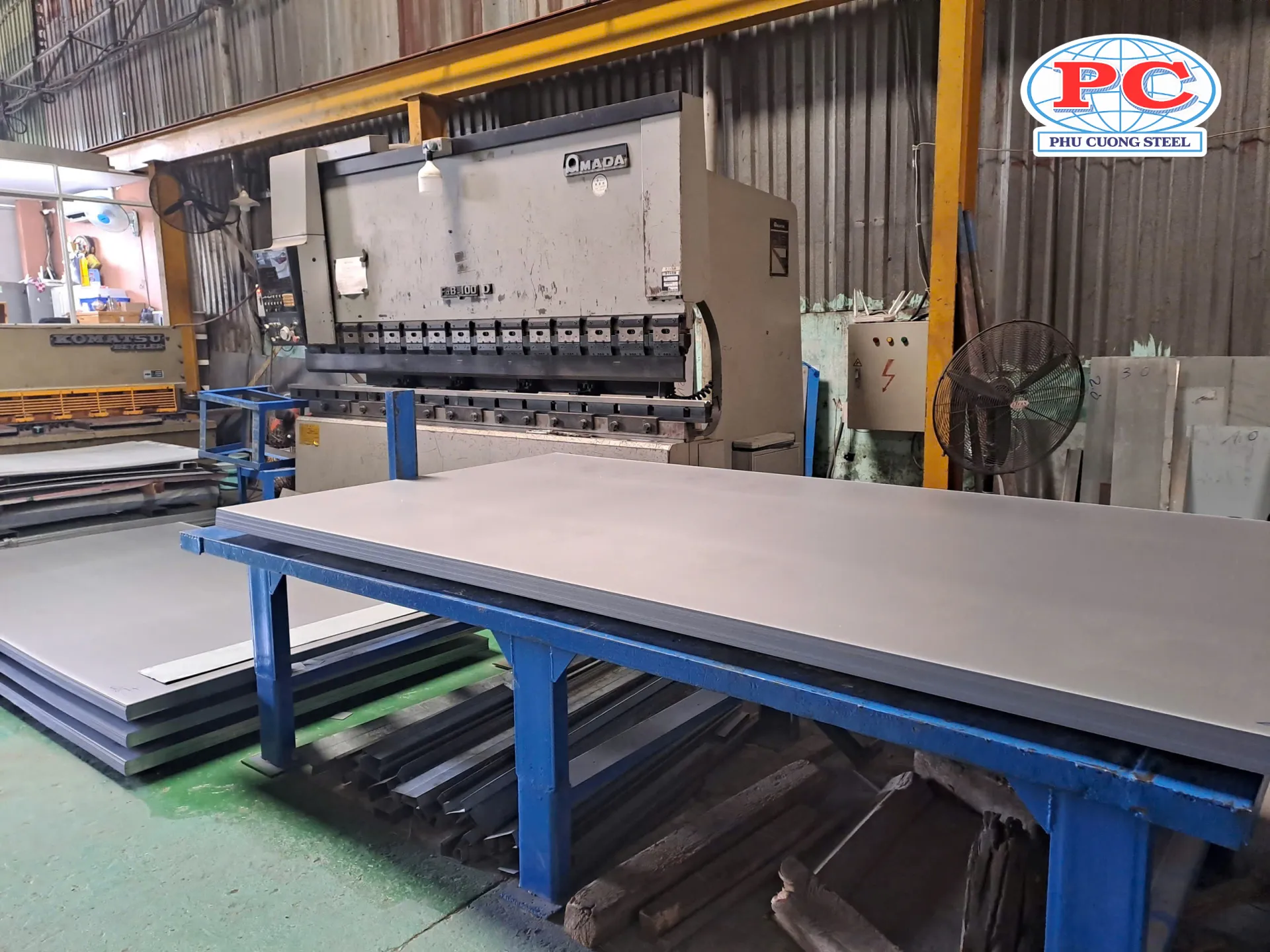
For roofing contractors, steel structures, or sheet metal fabrication, combining choosing the right type of galvanised steel sheet and choosing the right fabrication unit can help optimize the entire process – from raw materials to finished products.
1. Galvanised layer burns during welding
When welding temperature increases, the galvanised layer will oxidize and vaporize. This causes the welded area to lose its initial rust protection layer.
2. Welds are prone to porosity, unevenness
Galvanised fumes generated during welding can interrupt the arc, making the weld unstable.
3. Risk of rust after welding
The area where the coating is burned will become a weak point, easily corroded if not re-treated.
4. Health effects
Galvanised fumes generated during welding can affect the respiratory system if protective measures are not taken.
When to and when not to weld galvanised steel sheet?
Weld when:
- Component requires strong connection
- Cannot be replaced by other methods
- Surface treatment after welding
Do not weld when:
- Product requires long-term high rust resistance
- Can use bolts, rivets, or folding as alternatives
- Product requires high aesthetics
Correct handling method when needing to weld galvanised steel sheet
1. Clean the galvanised layer at the welding location
Reduce the impact of the coating on the weld.
2. Choose appropriate welding method
Methods such as MIG or TIG usually yield more stable results.
3. Re-treat after welding
Apply anti-rust paint or re-galvanise to protect the welded area.
4. Ensure occupational safety
Use specialized masks and good ventilation.
Practical perspective from a mechanical workshop in District 12
Many mechanical workshops today are gradually limiting direct welding on galvanised steel sheet, instead switching to solutions such as:
- Folding to create connections
- Use bolts, rivets
- Pre-forming fabrication
The reason is very simple: reduce errors, reduce re-processing time, and increase product stability.
Phu Cuong Steel Sheet – Material & galvanised steel sheet fabrication solutions in District 12
If you are looking for a source of quality galvanised steel sheet, correct specifications, and suitable for actual production, choosing the right supplier not only helps ensure material quality but also directly affects the progress and cost of the entire order.
In District 12 area – where many mechanical workshops, roofing contractors, and steel structure companies are concentrated – Phu Cuong Steel Sheet is not merely a material supplier, but also a partner supporting businesses to optimize from raw materials to finished fabrication.
We supply a diverse range of materials for production:
- Galvanised steel sheet in various thicknesses, large widths (1000mm, 1250mm, 1500mm)
- EG steel sheet (SECC, EG), electro-galvanised steel
- Cold-rolled steel, hot-rolled
- Cut-to-size steel sheet according to specifications
Besides, Phu Cuong's great advantage lies in direct fabrication capability at the warehouse, helping customers minimize subsequent processing steps:
- Coil unwinding – sheet cutting according to required dimensions
- Cutting steel sheet to standard width
- Bending, stamping, fabrication according to drawings
- Ensure correct thickness, minimise errors
- Reduce material surface scratches
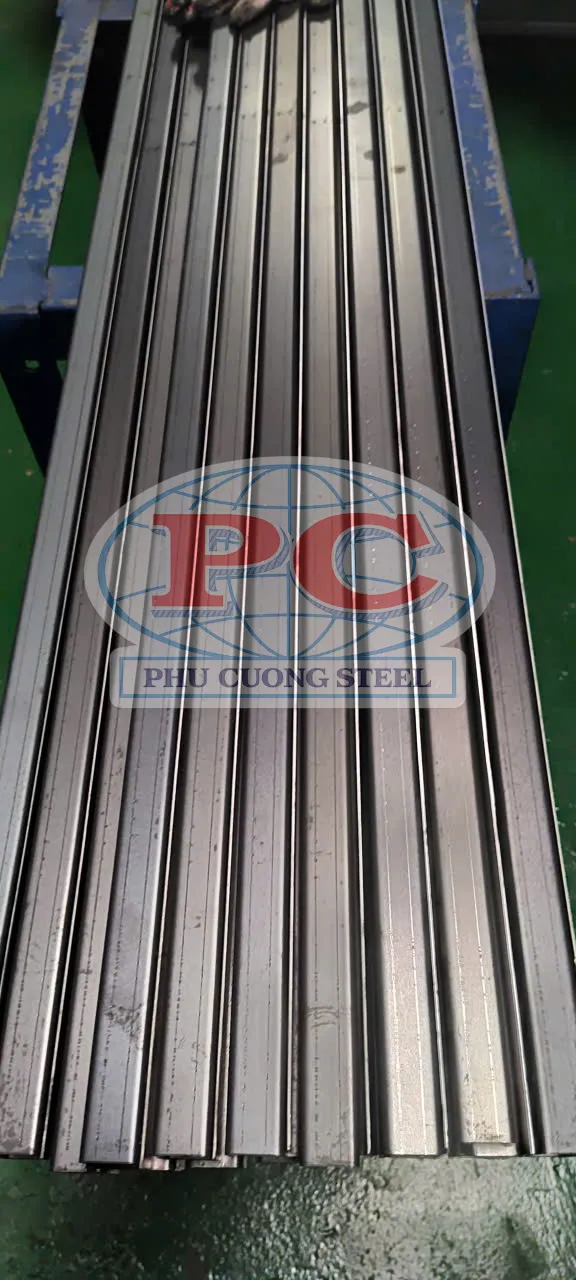
For mechanical workshops, construction units or manufacturers in Ho Chi Minh City, especially District 12, receiving materials that have been fabricated to the correct specifications not only helps reduce welding errors, reduce defective product rate but also significantly optimise operating time and costs.
PHU CUONG STEEL SHEET AND STEEL CO., LTD
📍 Address: 2177C - 2177D National Highway 1A, Dong Hung Thuan Ward, District 12, Ho Chi Minh City
📞 Hotline: 0933 919 899
🌐 Website: https://tonthepphucuong.com
Contact us now for consultation on the right material – right specifications – right solution for your production needs.
See more related articles:
- Steel Sheet Bending Service According to Drawings in District 12, Ho Chi Minh City – Precise, Uniform Fabrication, Fast Delivery
- Where to Buy Reliable EG Steel Sheet in Ho Chi Minh City? Quotation & Experience in Choosing the Right Standard
- What Materials Are Used to Produce Steel Doors, Fireproof Doors, Metal Doors?
- What is steel sheet bending fabrication? Process, advantages, and practical applications