Tôn Thép Phú Cường

Strategic Services

Professional steel supply and fabrication, cost-optimised for every project.

Cutting Electro-Galvanised Steel Sheet 1.6mm – 2.3mm PP Adhesive Laminated: Surface Protection Solution for Mechanical Engineering, Doors, and Metal Furniture

What is EGI steel sheet cutting 1.6mm – 2.3mm with PP film laminated?In current mechanical fabrication, EGI steel sheet is one of the commonly used materials due to its clean surface, good flatness, and suitability for various post-fabrication processes such as electrostatic painting, bending, stamping, or product assembly. EGI is often understood as electro-galvanised steel, in the market, it is also known by familiar names such as EG steel sheet, GA steel sheet, or electro-galvanised steel depending on the surface and the terminology used by different customer groups.With thicknesses such as 1.6mm and 2.3mm, EGI steel sheet is often used for parts requiring medium to high rigidity, not too thin to be easily dented but also not too thick to cause difficulty in cutting, bending, or mass fabrication. This thickness range is suitable for many mechanical workshops, door manufacturers, steel frames, electrical cabinets, facades, metal interior details, and products requiring a relatively good surface before finishing.EGI steel sheet cutting with PP film laminated is the process of cutting steel sheets that have been covered with a PP protective film on the surface. This adhesive layer helps prevent scratches during transportation, sheet pulling, machine loading, cutting to specification, and stacking after fabrication. For orders requiring a good surface, applying PP film before cutting helps reduce the risk of surface defects, especially when the material is used for directly visible products or requires high-quality coating.Why should EGI steel sheet be PP film laminated before cutting?An important characteristic of EGI steel sheet is that its surface is often required to be clean, flat, and have few defects. Compared to some types of steel sheets used for rough structures, EGI steel sheet is often chosen for products with higher aesthetic requirements. Therefore, even a long scratch, drag mark, or surface indentation during fabrication can affect the quality of the finished product.When cutting steel sheets to specification, the steel sheet must undergo many operations: lifting, placing on the machine table, edge alignment, pulling the blank, cutting sections, checking dimensions, and stacking into bundles. During these stages, the steel sheet surface is very susceptible to contact with rollers, tabletops, support arms, metal dust, or other steel sheets. Without a protective layer, the risk of scratches will be higher, especially for large-sized sheets or orders requiring cutting to many different specifications.See more related articles: Steel Sheet Warping After Fabrication: Causes, Inspection Methods, and Optimal Solutions for Mechanical Workshops, Doors, and Construction ProjectsThe PP adhesive layer acts as a temporary barrier. It does not alter the mechanical properties of the steel sheet, but helps the surface limit direct contact with agents causing minor scratches. For workshops manufacturing doors, metal furniture, decorative partitions, cabinets, frames, or parts that will later be painted, the PP adhesive layer significantly reduces surface preparation time before finishing.Another benefit of PP film lamination is that it helps customers easily control quality upon receipt. When the steel sheet is cut and delivered to the workshop, the intact adhesive layer helps keep the surface less dirty, less prone to fingerprints, and reduces friction during transportation. Customers can peel off the film at a later stage, when preparing to introduce the parts into production or finish the surface.Applications of EGI steel sheet 1.6mm – 2.3mm in mechanical engineering and manufacturingEGI steel sheet 1.6mm is often used for parts requiring relative rigidity but still needing easy fabrication. This thickness is suitable for many products such as door panels, technical enclosures, electrical cabinets, shielding parts, auxiliary frames, light mechanical accessories, and components requiring bending according to drawings. When PP film laminated, 1.6mm steel sheet is even more suitable for orders requiring a clean surface before painting or installation.See more related articles: Electro-Galvanised Steel What Is It? Why the Door, Electrostatic Painting, and Metal Furniture Industries Use It ExtensivelyEGI steel sheet 2.3mm has higher rigidity and is often used for parts requiring better load-bearing capacity or higher dimensional stability. In practice, many mechanical workshops choose this thickness for frames, thin gusset plates, reinforcement details, metal facades, auxiliary structures, steel doors, door frames, and products that need to limit warping after fabrication. With a thickness of 2.3mm, cutting with the correct machine, blade, and process will result in cleaner cut edges, reduced burrs, and limited dimensional deviations.For door manufacturing units, EGI steel sheet with PP film laminated has a significant advantage in terms of surface. When making doors, frames, or cladding details, the material surface often directly affects the finishing quality. If the surface is deeply scratched, the pre-painting treatment stage will take more time, or even require discarding or replacing the sheet if the scratch is in a visible location. Therefore, using EGI steel sheet with PP film laminated from the outset is a way to reduce production risks.For metal furniture, aesthetic requirements are even higher. Details such as decorative partitions, cabinets, cladding panels, decorative frames, or metal accessories require a flat surface, few defects, and easy finishing. EGI steel sheet with PP film laminated helps maintain a more stable surface during blank cutting, bending, and transportation between stages.Risks of cutting EGI steel sheet incorrectlyThe first risk is surface scratches. With EGI steel sheet, small scratches may not significantly affect load-bearing capacity, but they affect aesthetics and subsequent finishing steps. Specifically, if the steel sheet is used for products requiring powder coating, deep scratches or dents can cause uneven paint surfaces, easily revealing defects or requiring re-processing before painting.The second risk is the cut edge being burrs. Burrs appear when the cutting blade is unsuitable, the blade gap is incorrect, or the material is not held stable during cutting. For parts requiring assembly, burrs can cause difficulties when joining edges, bending, or screwing. Additionally, sharp burrs increase the risk of hand cuts during workshop operations.The third risk is incorrect dimensions. In mechanical production, a deviation of a few millimeters can affect the entire batch if parts need to be assembled as a set. When cutting EGI steel sheet 1.6mm – 2.3mm, especially orders with many different specifications, it is necessary to check drawings, quantity, length, width, and cutting direction before mass production. An experienced fabrication unit will always carefully check specifications before cutting to limit material waste.The fourth risk is warping or slight deformation after cutting. For long sheets, if lifting, supporting, or stacking operations are not handled properly, the sheet may sag or bend slightly. This affects subsequent bending, stamping, or assembly stages. Therefore, in addition to the cutting machine, experience in stacking and packaging is also very important.See more related articles: Steel Sheet Warping After Fabrication: Causes, How to Check, and Optimal Solutions for Mechanical Workshops, Doors, and Construction ProjectsNotes when ordering EGI steel sheet cutting with PP film lamination to specificationsWhen ordering EGI steel sheet cutting, customers should clearly specify the thickness required, for example 1.6mm or 2.3mm. Each thickness will suit a different group of applications. If the product needs to be light, easy to fabricate, and not subject to excessive force, 1.6mm might be a reasonable choice. If the product needs to be stiffer, withstand force better, or limit deformation, 2.3mm will be more suitable.Next, it is necessary to provide cutting specifications as clearly as possible. Information should include length, width, quantity for each specification, tolerance requirements if any, and the purpose of use after cutting. If the part needs to be bent, stamped, or painted, the material supplier can advise further on cutting direction, blank arrangement, and methods to reduce waste.Customers should also discuss PP film lamination requirements in advance. Not all orders require lamination, but for EGI steel sheet used for products requiring a beautiful surface, this is a highly recommended option. Especially, if goods need to be shipped long distances, through multiple loading/unloading operations, or stored before production, the PP film will help reduce the risk of scratches during the waiting period for fabrication.Another note is that it is advisable to choose a supplier that has both material sources and cutting services to specifications at the warehouse. When material and fabrication are handled in the same place, customers save transportation time, reduce the number of loading/unloading operations, and can control quality more easily. This is particularly beneficial for mechanical workshops needing quick delivery, urgent orders, or needing to cut multiple specifications in the same batch.Why choose a supplier with readily available materials and cutting machines at the warehouse?In actual production, many workshops not only need to buy steel sheet but also need it pre-cut to specifications to put into production immediately. If they buy full sheets and then take them to be cut elsewhere, customers will lose additional time, transportation costs, and loading/unloading labor. Furthermore, each time materials are moved, there is an increased risk of scratches, dents, or lost specifications.When choosing a supplier with readily available materials and cutting machines at the warehouse, customers can place orders in a more optimal way: choose the correct type of steel sheet, correct thickness, correct width, then cut to the required dimensions. For materials like EGI steel sheet 1.6mm – 2.3mm with PP film lamination, in-warehouse fabrication helps limit intermediate steps and keeps the surface more stable before delivery to the workshop.For large quantity orders, this advantage is even clearer. An experienced supplier will know how to arrange blanks to reduce waste, cut in a logical order, check dimensions before delivery, and pack goods appropriately to prevent warping. This is an important factor for B2B customers such as mechanical workshops, door manufacturers, contractors, metal furniture manufacturing companies, or fabrication facilities working from drawings.Phu Cuong Steel Sheet and Steel – supply and cut EGI steel sheet with PP adhesive lamination to specificationsPhu Cuong Steel Sheet and Steel supplies types of galvanised steel sheet, EG steel sheet, GA steel sheet, EGI steel sheet and various materials for mechanical engineering, doors, metal furniture, factories and construction projects. With the advantage of having a warehouse, on-site fabrication machinery and experience serving many groups of manufacturing customers, Phu Cuong supports customers in choosing the right material, the right thickness and the right specifications for use.For orders of EGI steel sheet 1.6mm – 2.3mm with PP adhesive lamination, Phu Cuong can support cutting to specifications, coil unwinding, bending and stamping, and fabrication according to actual needs. Processing materials directly at the warehouse helps customers save time, reduce intermediate transportation costs and limit the risk of scratches due to multiple loading and unloading.In addition, Phu Cuong also has its own delivery trucks, supporting material transportation to workshops or construction projects. This is an important advantage for customers who need urgent goods, need on-schedule delivery or want to optimize logistics costs. With the motto “Quality builds brand”, Phu Cuong Steel Sheet and Steel not only supplies materials but also accompanies as a technical support unit, helping customers choose the right product for each fabrication need.ConclusionCutting EGI steel sheet 1.6mm – 2.3mm with PP adhesive lamination is a suitable solution for orders requiring a beautiful surface, limited scratches and precise fabrication requirements. The PP adhesive layer helps protect the surface during cutting, transportation and storage, especially useful for products such as mechanical parts, doors, metal furniture, electrical cabinets, frames and parts requiring painting after fabrication.When placing an order, customers should clearly specify thickness, specifications, quantity and surface requirements to receive advice on suitable options. Choosing the right supplier with available materials, cutting machines and delivery services will help save time, reduce waste and ensure the quality of input materials for production.Phu Cuong Steel Sheet and Steel – Leading Reputable Distributor of Large Width Steel SheetPhu Cuong Steel Sheet and Steel specializes in supplying galvanised steel sheet, EG steel sheet, GA steel sheet, color-coated cold steel sheet and large width steel sheet types for mechanical engineering, doors, factories, metal furniture and construction projects. The company has many common specifications available such as widths of 1000mm, 1250mm, 1500mm and large widths according to actual needs.Not only supplying materials, Phu Cuong Steel Sheet and Steel also supports on-site fabrication at the warehouse with services such as coil unwinding, cutting to specifications, bending and stamping, and steel sheet fabrication according to requirements. Modern machinery systems, a technical team knowledgeable about materials, along with its own delivery trucks, help customers optimize costs, shorten waiting times and be more proactive in production schedules.Contact Information:PHU CUONG STEEL SHEET AND STEEL CO., LTDAddress: 2177C – 2177D National Highway 1A, Dong Hung Thuan Ward, District 12, HCMCPhone: 0933 919 899Email: tonthepphucuong@gmail.comWebsite: tonthepphucuong.comSee more articles on the same topic:Buying Steel Sheet and Steel in District 12 and Southern Region: How to Choose the Right Supplier For Mechanical Workshops, Construction ProjectsWhy Are Cut Steel Sheets Skewed? How to Correctly Understand Diagonal Tolerance In Steel Sheet FabricationWhat is Protective Oil on Steel Sheet and Steel? When is it Needed, When Must Oil Be Removed Before Fabrication?SECC vs SGCC: Comparing Steel Door Materials & 5 Risks of Choosing Wrong (workshops need to know)How Does the Lifespan of Galvanised Steel Sheet Depend on the Z120 – Z180 – Z275 Coating Layer?

Details TTPC Service

Choose Steel Sheet According to Surface Requirements After Fabrication: When to Use EG Steel Sheet, GA, Galvanised?

In many mechanical orders, customers often start with the familiar question: “How many mm thick steel sheet is needed?” However, choosing material based solely on thickness is not enough. A mechanical part, once completed, not only needs to be the correct size, hardness, and specifications, but also must meet surface requirements. The steel sheet surface directly affects aesthetics, paintability, adhesion, anti-oxidation capability, suitability for the usage environment, and the overall appearance of the product after handover.For mechanical workshops, door workshops, metal furniture manufacturers, machine casings, electrical cabinets, code plates, light structural frames, or parts fabricated according to drawings, choosing the right type of steel sheet from the start significantly reduces risks. If the wrong material is chosen, the product may have an unsatisfactory surface, paint that is difficult to adhere, easy to scratch, fade, oxidize at the cut edge, or be unsuitable for its intended use. Therefore, when choosing between EG steel sheet, GA steel sheet and galvanised steel sheet, one must consider the surface requirements after fabrication, not just the price or thickness.See more comparison articles here: Comparing EG Steel Sheet, GA, Galvanised, Cold-rolled Steel, Hot-rolled – What Are The Differences?1. Why choose steel sheet based on surface requirements?The surface is the first part users see on a metal product. A door set, a cladding detail, a cabinet, an interior frame, or a machine casing, even if structurally sound, can still be deemed a low-quality product if its surface is scratched, discolored, difficult to paint, or uneven. For B2B orders, especially for workshops, construction projects, mechanical companies, or mass production units, surface defects can also increase finishing costs and affect delivery schedules.Each type of steel sheet has different surface characteristics. Galvanised steel sheet is often highly valued for its anti-oxidation capability and popularity in construction and mechanical applications. EG steel sheet and GA steel sheet belong to the electro-galvanised steel sheet group, having a relatively smooth surface, characteristic color, and are often used in applications requiring aesthetics, easy fabrication, and suitability for many precision mechanical parts. If the properties of each type are correctly understood, workshops can choose more appropriate materials for each product group.Choosing the wrong surface can cause many problems. For example, a part requiring a finished paint coat but using unsuitable material can lead to uneven paint adhesion. A product needing a clean appearance but using material easily scratched during transport can increase the rate of rework. A part used in a humid environment but choosing material with insufficient anti-oxidation can quickly degrade at the cut edge or fabrication point.See more related articles: What is Electro-galvanised Steel? Why is it Widely Used in the Door, Powder Coating, and Metal Furniture Industries?2. What surface requirements is EG steel sheet suitable for?EG steel sheet is an electro-galvanised steel sheet with a characteristic blue sheen surface, often favored by mechanical workshops, door workshops, metal parts manufacturers, and metal furniture units. The easily noticeable advantage of EG steel sheet is its relatively even, clean surface, making it easy to observe defects during fabrication and creating a neat, technical product feel. For parts that do not require immediate painting or need a bright surface, EG steel sheet is often a suitable choice.In practice, EG steel sheet is widely used for mechanical parts such as cladding panels, covers, casings, door components, metal furniture accessories, code plates, stamped parts, bent parts, or products requiring a cleaner surface than black steel. Due to the pre-existing electro-galvanised layer on the surface, products after fabrication often have a more finished feel, especially for orders that do not require a very thick paint coating.However, when using EG steel sheet, workshops still need to pay attention to protecting the surface during cutting, loading, and transportation. If the sheet is dragged, subjected to strong impacts, or improperly stacked, the surface can still be scratched. For parts requiring high aesthetics, it is advisable to choose a supplier with careful cutting and loading procedures to minimize scratching the coating.3. What products is GA steel sheet suitable for?GA steel sheet also belongs to the electro-galvanised material group, with a characteristic gray surface, often creating a neutral, clean feel and easy to apply in mechanical engineering. Compared to EG, GA has a different shade, suitable for products requiring a less prominent surface or needing an industrial, technical, neat feel. Many workshops choose GA steel sheet for parts that do not need overly bright colors but still want a better surface than ordinary black steel.Regarding applications, GA steel sheet can be used for machine casings, accessory frames, assembly parts, cabinets, indoor mechanical products, bent and stamped parts, or products requiring further processing in subsequent stages. The neutral gray color helps the surface appear less discolored when viewed overall, and is suitable for many industrial product groups.When choosing GA steel sheet, attention must be paid to thickness, flatness, and cutting specifications. For small parts requiring precise assembly, prioritize materials with a stable surface and cut according to the drawing. For large parts, consider the steel sheet width factor to reduce the number of joints or minimize waste during cutting.4. What requirements is galvanised steel sheet suitable for?Galvanised steel sheet is a familiar choice in construction, mechanical engineering, and manufacturing due to its galvanised coating which enhances anti-oxidation capability. Compared to black steel, galvanised steel sheet often has an advantage when used in humid environments, outdoor construction projects with shielding, auxiliary frame systems, mechanical accessories, gutters, lining panels, light structural parts, or products requiring better durability.The surface of galvanised steel sheet can have a spangle pattern or other surface types depending on the source. For products requiring high aesthetics, the correct surface type and specifications must be chosen. For parts prioritizing durability, rust resistance, and reasonable cost, galvanised steel sheet is a very practical choice. It is also a popular material, easy to find, available in many thicknesses and widths.In fabrication, galvanised steel sheet is widely used for mechanical parts, workshops, auxiliary roofs, gutters, code plates, support frames, structural accessories, partitions, light work platforms, and many items requiring materials with a surface protective layer. If the product after fabrication has to operate in a humid environment or has a risk of oxidation, galvanised steel sheet is often more advisable than ordinary black steel.5. Quick comparison of EG steel sheet, GA, and galvanised based on surface requirementsCriteriaEG steel sheetGA steel sheetGalvanised steel sheetSurface characteristicsBlue sheen, clean, easy to identifyNeutral gray, neat, industrialGalvanised surface, good anti-oxidation capabilitySuitable applicationsMechanical, doors, metal furniture, parts requiring a beautiful surfaceMachine casings, cabinets, industrial parts, products requiring neutral colorsConstruction, mechanical, structural accessories, parts requiring durabilityMain advantagesBright, clean surface, suitable for aesthetic partsEasy to match with industrial products, less prominent color defectsPopular, easy to apply, better anti-oxidation than black steelNotes during fabricationNeed to limit surface scratchesNeed to choose the correct thickness and cutting specificationsNeed to pay attention to cut edges, usage environment, and coating6. How to choose steel sheet for each actual product group6.1. Mechanical products requiring a clean surface, minimal reworkFor mechanical parts requiring a clean surface immediately after fabrication, EG steel sheet or GA is a worthwhile consideration. These two material types are suitable for bent, stamped parts, covers, auxiliary frames, casings, and products requiring a better finished feel than black steel. If the product has a specific design color, the workshop needs to check the surface treatment capability before painting.6.2. Products prioritizing anti-oxidation and durabilityFor items requiring better anti-oxidation capability, galvanised steel sheet is often a popular choice. This material type is suitable for construction accessories, auxiliary structures, gutters, lining panels, outdoor parts with shielding, or environments with relatively high humidity. However, if the part has many cut edges, it is important to protect the cut edges as these areas are more susceptible than the intact coated surface.6.3. Products requiring paint coating after fabricationFor parts requiring painting after fabrication, material should not be chosen based solely on price. The substrate surface, cleanliness, protective oil, pre-paint treatment capability, and paint adhesion requirements must be considered. In many cases, materials with a clean and stable surface will facilitate the painting process, reducing defects such as peeling, pitting, or discoloration. Workshops should test samples beforehand if the order has high requirements.6.4. Products requiring large width cutting, reducing jointsFor large parts, choosing the appropriate steel sheet width helps reduce the number of cuts, minimize joints, and optimize waste. Widths of 1000mm, 1250mm, 1500mm, or over 1500mm can be considered depending on the drawing. Especially for workshops needing large width steel sheet for doors, facades, code plates, partitions, cladding panels, or long mechanical parts, a large width stock is a significant advantage.7. Common mistakes when choosing steel sheet based on surfaceThe first mistake is only asking for price and thickness without describing the application. For the same thickness, materials used for painted parts, exposed surface parts, and auxiliary structural parts can differ. If the seller does not know what the product is used for, it is very difficult to advise on the correct type of steel sheet.The second mistake is not considering the post-fabrication stages. A steel sheet after cutting may still need bending, stamping, welding, grinding, painting, or assembly. Each stage can affect the surface. If the material is only suitable for the cutting step but not for the painting or assembly step, the final product may still have defects.The third mistake is not checking actual specifications before placing large orders. For orders requiring high precision or aesthetics, samples should be checked, cutting tested, bending tested, or the surface evaluated beforehand. This helps reduce risks in mass production, especially for mechanical orders with specific requirements according to drawings.8. Optimal solutions when ordering steel sheet for mechanical workshops, doors, and metal furnitureTo choose the right material, customers should provide clear information when ordering: type of product to be made, desired thickness, part dimensions, surface requirements, whether paint coating is needed, indoor or outdoor usage environment, whether custom cutting, bending, stamping, or delivery is required. This information helps the supplier advise more accurately, avoid choosing the wrong material, and limit subsequent costs.For mechanical workshops, purchasing materials from a supplier with various specifications and in-warehouse fabrication services will significantly save time. Instead of buying full coils or sheets and processing them entirely themselves, workshops can order custom cutting, coil slitting, bending, or preliminary stamping as needed. This is especially useful for orders requiring fast turnaround or needing materials pre-prepared for production.A good supplier not only sells materials but also needs to understand the customer's actual applications. For mechanical products, doors, metal furniture, machine casings, or industrial parts, choosing the correct EG steel sheet, GA, or galvanised from the start will make the product more stable, aesthetically pleasing, and reduce the risk of rework.9. ConclusionChoosing steel sheet based on surface requirements after fabrication is an important step but often overlooked. In reality, a mechanical product meeting requirements not only needs the correct thickness but also a surface suitable for its intended use. EG steel sheet is suitable for many parts requiring a clean, bright, and aesthetic surface. GA steel sheet is suitable for industrial products, machine casings, cabinets, and parts requiring neutral colors. Galvanised steel sheet is suitable for items requiring good anti-oxidation capability and durability.When ordering, customers should clearly describe the product to be made, surface requirements, subsequent fabrication stages, and usage environment. This helps choose the correct material, correct specifications, reduce waste, and optimize production costs. For mechanical workshops, doors, metal furniture, and construction projects needing stable materials, partnering with a supplier that has stock, fabrication machinery, and technical consulting experience is a significant advantage.Phu Cuong Steel Sheet – Leading Reputable Large Width Steel Sheet DistributorPhu Cuong Steel Sheet is a unit specializing in supplying galvanised steel sheet, EG steel sheet, GA steel sheet, color-coated cold steel sheet, and various steel sheet specifications for mechanical engineering, construction, doors, metal furniture, workshops, and manufacturing units. With the advantage of a large warehouse, genuine raw materials from major factories, diverse specifications, and the ability to supply large width steel sheet from 1000mm, 1250mm, 1500mm upwards, Phu Cuong helps customers easily choose the right material for each actual need.In addition to material supply, Phu Cuong Steel Sheet also has in-warehouse fabrication machinery systems such as coil slitting, custom cutting, bending, stamping, and shaping as required. The team of technicians, knowledgeable in drawings and material properties, can assist customers in choosing the appropriate steel sheet type for each product, limiting incorrect specifications, reducing waste, and optimizing costs. Especially with its own delivery trucks, Phu Cuong actively transports to construction projects, mechanical workshops, factories, and the Ho Chi Minh City area, helping customers save time and logistics costs.Phu Cuong Steel Sheet – Partnering with Every Construction Project, always taking the motto "Quality builds the brand" as the foundation for every order. If you need EG steel sheet, GA steel sheet, galvanised steel sheet, large width steel sheet, or custom steel sheet fabrication services, Phu Cuong is a reliable address in District 12 and the Ho Chi Minh City area.Contact information:Address: 2177C–2177D National Highway 1A, Dong Hung Thuan Ward, District 12, Ho Chi Minh CityPhone: 0933 919 899Email: tonthepphucuong@gmail.comWebsite: tonthepphucuong.comSee more related articles:Steel Sheet Cutting EGI 1.6mm – 2.3mm PP Adhesive Lamination: Surface Protection Solution for Mechanical Engineering, Doors and Metal FurnitureSteel Sheet Width Tolerance After Coil Slitting: Why Mechanical Workshops, Doors and Facade Manufacturers Need to Check Carefully?Custom Steel Sheet Fabrication Service: How Does It Help Customers Save Time and Costs?

Details TTPC Service

Steel Sheet Warping After Fabrication: Causes, How to Check, And Optimal Solutions For Mechanical Workshops, Doors And Construction Projects

In actual production, a steel sheet that appears “normal” when still in coil form or not yet introduced into the fabrication line may not necessarily be a stable material sheet. Many units only discover the problem when after uncoiling, after flat cutting, after bending or only at the installation stage do they find the sheet is bent, distorted, twisted, or no longer maintains the desired flatness. At that point, the incurred costs are not only in the material, but also in labor, machinery, adjustment time, delivery schedule, and reputation with the end customer.For the mechanical engineering industry, doors, metal furniture, wall cladding, gutters, technical boxes, stamped parts, and many other construction project items, the phenomenon of steel sheet warping after fabrication is a very noteworthy defect. It is worth noting that this defect does not always originate from a single cause. In some cases, it is due to the initial material having residual stress; in some cases, due to poor flatness; in some cases, due to incorrect uncoiling, cutting, bending, or storage processes. If only the symptoms are addressed without looking at the overall process from material selection to fabrication, the warping defect will recur continuously.The article below will go from the nature of the problem to practical application. The goal is not only to explain “what is steel sheet warping”, but also to help buyers, technical personnel, mechanical workshops, and construction units understand clearly: what to check before receiving goods, what to note before putting into fabrication, and how to reduce the risk of warping from the outset.See more related articles: Why Do Cut Steel Sheets Become Skewed? How to Correctly Understand Diagonal Tolerance in Steel Sheet Fabrication1. What is steel sheet warping after fabrication?Steel sheet warping after fabrication is the phenomenon where the steel sheet no longer maintains its expected stable geometric state after undergoing one or more stages such as uncoiling, flat cutting, bending, stamping, punching, welding, or assembly. Instead of lying flat, straight, and even, the sheet may sag up, sag down, twist slightly, have twisted edges, an undulating surface, or be distorted after fabrication.From a technical perspective, this is a sign that the internal forces within the material sheet or mechanical impacts during the fabrication process have destabilized the initial state. Industry professionals often briefly say “cuts out warped”, “bends out warped”, “doesn't lie flat on the table”, or “gaps when fitted into the frame”. Although the terminology may differ, the essence remains that the geometric stability of the sheet does not meet requirements.This defect is particularly sensitive for items requiring high aesthetics or high assembly precision such as steel doors, electrical cabinet panels, metal facades, bent box parts, trims, cladding panels, panels, cable trays, cable ladders, civil and industrial mechanical parts. Even a small warp can cause uneven gaps, unsightly seams, unstable paint coating, or make the assembly process time-consuming for adjustments.See more related articles: What is steel sheet bending fabrication? Process, advantages, and practical applications2. Signs of steel sheet warping after fabricationWarping does not always manifest in the same way. Depending on the material, specifications, and stage, the defect can appear in many forms:The sheet sags in the middle when placed on a flat surface.The two edges of the sheet are not on the same plane.The sheet is slightly twisted, showing an angle difference when laid down.After bending, the part is unbalanced, edges are not parallel as designed.After slitting or width cutting, the edge clearly flares or shrinks unevenly.Gaps when fitted into the frame, not sealing tightly, requiring manual adjustment.The surface appears “rippled”, “wrinkled”, “undulating”, or loses flatness to the naked eye.On a small scale, many people overlook it, thinking it can be handled manually. But in mass production or construction projects with urgent deadlines, having to manually straighten, shim, adjust, or rework multiple times will quickly increase costs. For large-width orders or long parts, the consequences are even clearer because small deviations will be magnified during installation.3. Why does steel sheet warp after fabrication?This is the most important part. To resolve it completely, it is necessary to understand that the defect does not come from a single cause but is often the synergy of many factors.3.1. Residual stress in materialResidual stress is the internal force “retained” within the material after rolling, cooling, slitting, straightening, or surface treatment processes. When the sheet is in its original state, this stress may not be clearly evident. But when cut, slit into smaller pieces, bent, or stamped, the old balance is broken, and the sheet begins to bend, twist, or distort.This is why there are cases where a steel sheet coil, looking very stable externally, but after being cut into smaller widths or bent according to parts, the phenomenon of “flaring” or “warping” appears. If the workshop does not understand this mechanism, it is very easy to completely blame the bending machine or the operating workers, while the root cause lies in the initial state of the material.3.2. Poor initial flatness of the sheetFlatness is a very important criterion but often overlooked when purchasing materials. A steel sheet with an insufficiently flat surface, or already having a slight curve from before, will more easily reveal deviations when introduced into subsequent stages. For items requiring a beautiful surface such as doors, panels, electrical cabinets, facades, or metal furniture parts, flatness is even more critical.Many units, upon receiving goods, only check specifications, nominal thickness, or surface color without evaluating flatness. Only after cutting or installation do they find that a lot of time is spent on adjustments.See the detailed article here: Steel Sheet Warping After Fabrication: A Defect Due to Flatness Tolerance That Many Overlook3.3. Uneven thickness or unsuitable toleranceTolerance is the permissible error range compared to the nominal dimension. In the steel sheet industry, if the thickness varies unevenly across the sheet or between material batches, the material's reaction during bending, cutting, stamping will also be uneven. This can cause parts to be skewed, distorted, or create different mechanical behaviors in different areas on the same sheet.This is why well-established production workshops often don't just ask “what is the steel sheet thickness”, but also care about material stability, surface quality, uniformity, and suitability for subsequent fabrication stages.You can read the article on steel sheet thickness tolerance here: Steel Sheet Thickness Tolerance Standard (Avoid Shortage When Receiving Goods)3.4. Suboptimal rolling direction and cutting part layoutFlat-rolled metal materials often have different mechanical properties along the rolling direction and transverse direction. If the cutting part layout is unreasonable, or bending is done against the suitable direction, the likelihood of uneven deformation can increase. For long, thin parts requiring multiple bends or high straightness, the rolling direction factor is even more noteworthy.Many fabrication units, upon receiving drawings, immediately proceed with cutting, but do not consider the rolling direction, part length, and bending sequence. The result is that even if the machine runs with correct parameters, the final product is still not aesthetically pleasing.3.5. Improper uncoiling and straightening processSteel sheet in coil form always tends to retain a certain “coil memory”. If the uncoiling, flattening, or cutting stages are not well controlled, the sheet after being unrolled may still have residual curvature. Especially for large widths, long lengths, or materials with relatively high strength, the quality of the uncoiling stage significantly affects the final flatness.Simply put, for the same type of material, if one party has a better uncoiling, straightening, and cutting system, the resulting product will be significantly more stable. This is a major difference between simply purchasing material and working with a unit that has actual fabrication capabilities.Besides warping, the cutting process can also create burrs when cutting steel sheet, affecting the finish and safety during assembly.3.6. Uneven force distribution during bending and stampingDuring the bending and stamping process, if the die setup is unreasonable, the bending force is unevenly distributed, the bending sequence is not optimized, or the part is too long but not properly supported, the material can be pulled off-center and develop warping after fabrication. This is a very common phenomenon with long boxes, long trims, long gutters, or parts with many consecutive bends.Reality shows that many defects are not due to entirely poor material, but because average material is put into complex bending processes, requiring more than its own stability capability. In such cases, material selection from the outset plays an extremely important role.3.7. Improper storage, transportation, and handlingLarge-width or thin steel sheets, if stored on an uneven support surface, stacked incorrectly, over-tightened, or handled unevenly, can also develop warping. Many people only focus on material and machinery, but overlook the logistics stage. Meanwhile, just improper support or unstable transportation can cause the sheet to start deforming slightly by the time it reaches the workshop.See more related articles: Why steel sheets get scratched during transportation and effective solutions3.8. Heat, welding, or surface treatment effects after fabricationAfter cutting or bending, if the part continues through heat-generating stages such as welding, grinding, or paint drying, internal stresses can continue to change. At that point, a part that was “temporarily stable” in the previous stage can still warp in a subsequent stage. This is common in assembled mechanical parts or components that undergo multiple sequential processing steps.4. Consequences of warping are not just poor surface aestheticsMany people think warping only affects aesthetics. In reality, the consequences are much broader.4.1. Increased waste and reworkWhen a part is not up to standard, the workshop must straighten, re-bend, or re-cut it. Each time means additional machine time, labor, and increased material waste.4.2. Difficult assembly, time-consuming adjustmentsWarped parts cause uneven gaps, do not fit the frame, and do not seal joints tightly. The construction project team has to do more manual work, easily delaying the schedule.4.3. Reduced overall aesthetic qualityFor items such as doors, electrical cabinets, facades, cladding panels, metal furniture, or exposed surface structures, if the steel sheet surface is not flat, the product immediately looks low quality.4.4. Impact on paint coating and finishingUnstable surfaces or deformed edges can make painting, bonding, accessory installation, or finishing more difficult. A small defect in the input material can lead to a chain of defects in subsequent stages.4.5. Impact on delivery reputationWhen goods arrive at the customer and still require many adjustments, or worse, need to be replaced, opportunity costs and reputation are clearly affected. For construction project customers, delaying one item can lead to a cascade of delays in subsequent schedules.5. Quick checks to detect warping risk before fabricationIt is not always possible to have full specialized measuring equipment. However, right at the warehouse or upon receiving goods, you can still perform some practical checks:Place the sheet on a relatively standard flat surface to observe gaps at corners and in the middle area.Look along the length of the sheet to see if there are any signs of sagging, twisting, or waving.Check if the cut edges are even, straight, and stable.Measure the thickness at multiple locations to assess relative uniformity.For orders requiring bending, a small sample should be cut and bent before mass production.Observe the surface for signs of wrinkling, rippling, or uneven deformation.For high-value orders or high technical requirements, the safest way is to agree on inspection criteria from the outset with the supplier: width, thickness, material type, surface requirements, anticipated fabrication stages, and desired aesthetic level. When the supplier understands the final problem, the ability to recommend the correct material will be much higher.6. Optimal solution: addressing the root cause rather than just fixing symptoms6.1. Selecting the right material for the right fabrication purposeNot all jobs use the same type of steel sheet. Depending on the actual application, consider galvanised steel sheet (hot-dip galvanised steel), EG steel sheet (electro-galvanised steel EG, commonly found in material groups like SECC), GA steel sheet (alloy-coated material for applications similar to GA) or other base materials suitable for the next processing step.See related article: Comparing EG Steel Sheet, GA, Galvanised, Cold-Rolled Steel, Hot-Rolled – What Are the Differences?The important point is to choose materials based on the fabrication and usage requirements, not just on price. A cheaper input material but causing warping, waste, or difficult bending can result in higher actual total costs.6.2. Prioritise suppliers with good stabilityFor the same product name, actual quality can vary between suppliers. Batch stability, surface uniformity, consistency during fabrication, and suitability for bending and stamping are factors that should not be overlooked. This is why workshops that consistently produce goods often prefer working with stable suppliers rather than just buying based on short-term prices.6.3. Good control over coil slitting, cutting to specification, and bending/stampingIf the supplier has both materials and in-warehouse fabrication capabilities, the advantage is that they can proactively better control the material processing chain. When materials are slit, cut to specification, and bent/stamped within the same system with practical experience, the risk of discrepancies is often significantly reduced compared to a model where materials are purchased from one place, taken for fabrication elsewhere, with no one responsible for the overall picture.For mechanical manufacturing units, producing doors, metal furniture, or undertaking construction projects, choosing the right supplier is not just about sales price but also about material stability across batches. This is also why many customers prioritise working with Tôn Thép Phú Cường when they need EG steel sheet, GA steel sheet, galvanised steel sheet with clear specifications, stable surfaces, and suitable for processes such as coil slitting, cutting to specification, bending/stamping, and subsequent fabrication. Especially, with the advantage of having many available widths, including large width from 1500mm upwards, Phu Cuong helps customers be more proactive in optimising cutting layouts, reducing joints, and enhancing the aesthetic appeal of finished products.In addition to material supply, Tôn Thép Phú Cường also has a system of coil slitting machines, cutting to specification, bending/stamping, and in-warehouse fabrication, making the material processing more synchronous from the start. When materials and fabrication are controlled within the same system, the risk of errors such as warping, dimensional deviation, difficult assembly, or waste due to rework is also significantly reduced. This is a practical advantage for orders requiring speed, stability and fast delivery in HCMC, especially District 12 and surrounding areas.6.4. Trial fabrication before mass productionFor complex, long, large-width, or high-aesthetic orders, it is advisable to make a trial sample before mass production. Trial samples help detect early risks due to residual stress, rolling direction, part layout, or bending sequence.6.5. Rational cutting layout designWhen possible, designers, fabricators, and material suppliers should collaborate to optimise the cutting layout. This may seem minor but has a significant impact on fabrication stability, especially for long, thin, or multi-bent parts.7. Practical applications: which industries need to pay special attention to warping errors?Warping errors appear not only in large workshops but also in small and medium-sized workshops producing doors, cabinets, trays, trims, cladding, panels, or auxiliary mechanical parts. Application groups that should pay special attention include:Civil and industrial mechanical workshops.Steel door manufacturers, technical doors, fire-rated doors.Manufacturers of electrical cabinets, cable trays, cable ladders, metal boxes.Fabricators of facades, wall cladding, metal interior details.Contractors needing steel sheet cut to specification for quick installation at the construction project.Workshops needing large-width materials to reduce joints and enhance surface aesthetics.Especially for units using large widths from 1500mm upwards, the requirement for flatness and stability becomes even more critical. Large widths offer many benefits such as reduced joints, enhanced aesthetics, and optimised cutting layouts, but also require suitable material supply and processing capabilities.8. Brief comparison: buying raw materials and buying material solutions with fabrication – what are the differences?CriterionBuying raw materialsBuying with in-warehouse fabrication solutionControl over fabrication suitabilityUsually borne by the workshopCan be discussed with the supplier from the outsetAbility to detect errors earlyUsually after taking for fabricationCan be detected from slitting, cutting, bending stagesIncurred costs due to travel, multiple transfersHigherEasier to optimiseAbility to synchronise progressDepends on multiple partiesMore proactive if within the same processing systemSuitable for technical or large-width ordersHigher riskMore effective if the supplier has practical experience9. Frequently Asked Questions9.1. If newly purchased steel sheet looks good, is it guaranteed not to warp after fabrication?Not guaranteed. A good appearance does not fully indicate stability during cutting, bending, or stamping. Many errors only manifest after the initial equilibrium state of the sheet is disturbed.9.2. Is warping due to material or machine?It can be due to either, but often it's a combination of factors: material, residual stress, slitting method, rolling direction, bending sequence, storage, and handling during transport.9.3. Should only the cheapest material be chosen to save costs?Do not only look at the input price. If the material increases the risk of waste, bending errors, or rework, the total final cost can be much higher.9.4. Does large width increase the risk of warping?Large width is not inherently bad, but requires a stable material supply and more systematic processing. If chosen correctly and fabricated properly, large width offers many benefits in terms of aesthetics and optimised cutting layouts.10. ConclusionSteel sheet warping after fabrication is not a minor error to be taken lightly, as it directly relates to product stability, construction speed, actual costs, and the professional image of the manufacturing unit. To handle it well, the issue needs to be viewed as a chain: selecting the right material, correct input inspection, correct coil slitting and cutting to specification, correct bending/stamping, and correct storage and transport.In the context where many mechanical workshops, door manufacturers, metal furniture producers, and contractors need speed while maintaining quality, choosing the right material supplier is no longer just about “where to buy”, but about choosing a unit that truly understands the fabrication challenge. When material supply is more stable, fabrication is more synchronous, and technical consultation is more practical, the risk of warping will significantly decrease, thereby helping orders run smoother and more efficiently.Tôn Thép Phú Cường – Leading Reputable Large-Width Steel Sheet DistributorWith the orientation “Tôn Thép Phú Cường – Partnering with Every Construction Project” and the motto “Quality Builds Brand”, Tôn Thép Phú Cường not only supplies materials but also aims for suitable solutions for each actual fabrication and construction need. This is a particularly important advantage for mechanical units, door manufacturers, metal furniture producers, auxiliary structure providers, and contractors who need stable material supply, correct specifications, fast delivery, and easy technical coordination.Tôn Thép Phú Cường's strength lies in its diverse inventory, especially large-width specifications such as 1000mm, 1250mm, 1500mm upwards; suitable for various needs to reduce joints, enhance surface aesthetics, and optimise cutting layouts. Key material lines include EG steel sheet (electro-galvanised steel EG), GA steel sheet, galvanised steel sheet, along with many specifications serving mechanical workshops, door manufacturers, wall cladding, electrical cabinets, cable trays, and both civil and industrial construction projects.In addition to material supply, Phu Cuong also has a system of coil slitting machines, cutting to specification, bending/stamping, and on-site fabrication, helping customers reduce intermediate steps, save time, and better control output quality. The team of technicians understands drawings, understands the actual requirements of the mechanical and construction industries, thereby supporting the selection of more suitable materials instead of just providing quotations in a simple sales manner. The company also proactively manages delivery trucks, helping optimise logistics costs and better meet orders requiring speed.If you need a stable material supply for door fabrication, mechanical engineering, metal furniture, or need steel sheet cut to specification, bent/stamped, and delivered to your location, Tôn Thép Phú Cường is a reliable address in HCMC, especially District 12 and surrounding areas.Contact information:2177C–2177D National Highway 1A, Dong Hung Thuan Ward, District 12, Ho Chi Minh CityPhone: 0933 919 899Email: tonthepphucuong@gmail.comWebsite: tonthepphucuong.comSee more related articles:How to Read Material Symbols on Steel Sheet and Steel Delivery Notes: What Do SGCC, SECC, EG, GA, Z100, Z180, Z275 Mean?Why Are Cut Steel Sheets Skewed? How to Correctly Understand Diagonal Tolerance in Steel Sheet Fabrication

Details TTPC Service

How Does Custom Steel Sheet Fabrication Service Help Customers Save Time And Cost?

In the mechanical engineering industry, for steel doors, metal furniture, facades, and construction project execution, the customer's challenge is not just about buying materials at the right price. More importantly, it's whether the material is processed to the correct specifications, correct dimensions, and delivered on time. In other words, today's customers don't just need a place to sell steel sheet, but a company that can provide full-package support from supply to fabrication and delivery.This is why custom steel sheet fabrication services are increasingly gaining attention. Instead of buying full coils or sheets and then taking them to different places for uncoiling, cutting, bending, or stamping, many businesses are prioritizing working with a company that has a warehouse, machinery, and the capability for direct on-site processing. This model helps reduce intermediate time, provides better specification control, and especially optimizes overall costs.For orders requiring fast turnaround, clear technical requirements, or large volumes, choosing a company that both supplies materials and offers fabrication services is no longer a secondary option, but has become an effective operational solution. With advantages in warehousing, machinery, and transportation, Phu Cuong Steel Sheet & Steel is meeting this exact need for many customers in the mechanical engineering and construction project sectors.1. What is custom steel sheet fabrication service?Custom steel sheet fabrication service is a form of processing steel sheet material based on the customer's actual dimensions, specifications, and intended use before delivery. Instead of just selling raw materials, the supplier will receive technical specifications, then perform stages such as uncoiling, cutting to specifications, bending and stamping, punching or forming so customers can use the material faster.In essence, this is a solution that helps shorten the gap between input material and semi-finished products or components ready for assembly. In many cases, customers no longer need to receive large steel sheet coils and process them themselves, but can immediately receive material that has been fabricated according to the required specifications. This is particularly useful for manufacturing units producing doors, mechanical components, metal furniture, auxiliary structures, or items requiring precise assembly.When fabrication service is performed directly at the warehouse, customers also gain a significant benefit: reduced transshipment steps. Materials do not have to pass through multiple points, are not loaded and unloaded multiple times, and the waiting time between stages is not extended. This is a very clear factor that helps businesses optimize operations.2. Why is fabrication service convenient for customers?The convenience of fabrication service does not lie in a single factor, but comes from simultaneously solving many problems in the customer's workflow chain. When purchasing materials but still having to find a place to cut, bend, or stamp themselves, customers will lose additional time contacting, coordinating vehicles, cross-referencing drawings, and re-checking specifications after each step. If an error occurs somewhere, tracing the cause and correcting it is also very time-consuming.Conversely, when working with a supplier that has stock available and can perform on-site fabrication, everything becomes much simpler. Customers only need to agree on specifications, confirm material type, and track progress from a single point of contact. This reduces operational pressure, reduces information discrepancies between parties, and helps orders run smoother.The convenience is also evident in the fact that customers do not need to invest in additional machinery for infrequent stages. Many small workshops or construction units do not need to own full uncoiling machines, cutting machines, or bending and stamping machines. By using fabrication service from the supplier, they still achieve desired specifications without having to make large additional capital investments.3. How does fabrication service help customers save time?Time is one of the major costs but is often overlooked when evaluating the efficiency of an order. In reality, customers may purchase materials at a good price but then lose many additional days transporting goods for fabrication, waiting for machine schedules, inspecting goods, and arranging vehicles to pick up goods. If all these waiting periods are added up, the total opportunity cost can be much greater than the initial price difference.When fabrication service is implemented directly at the supplier's warehouse, customers can cut down many steps. Materials, after leaving the warehouse, can be uncoiled, cut, or bent immediately without needing to be sent to another facility. This shortens material preparation time, which is especially important for urgent orders or construction projects with tight schedules.In a manufacturing environment, proactive time management also helps businesses better arrange labor plans and assembly plans. If materials arrive with correct specifications and at the right time, the production line will be less interrupted. This is a very clear benefit, but many only realize it after having experienced situations where goods arrive late or with incorrect dimensions.4. In what areas does fabrication service help save costs?Cost benefits of fabrication services are not just about cutting a specific amount of money, but about reducing many small costs that add up to a significant figure. First is logistics costs (transportation costs). If goods are purchased in one place, taken to another for fabrication, and then brought back to the workshop or construction project, customers will incur additional vehicle costs, loading/unloading fees, and waiting time.Second is material loss costs. When cutting to specification from the outset, customers better control the required dimensions, limiting repeated cutting or generating unusable excess material. For large orders, even a small reduction in loss rate can create a significant cost difference.Third is internal labor costs. When materials arrive already cut and processed close to the required specifications, the technical team at the workshop or construction project will have less work. They do not need to spend too much time on preliminary processing, thus focusing on assembly, finishing, or quality control. This is both a direct and indirect saving method.Finally, there are error costs. If specifications are incorrect, products or assembled items may need to be redone, leading to project delays and additional material costs. Therefore, using fabrication services from an experienced supplier with stable machinery will significantly reduce this risk.5. Which customer groups should prioritize using fabrication services?Fabrication services are particularly suitable for mechanical workshops, steel door manufacturers, metal furniture businesses, structural companies, construction project contractors, and units that require materials to exact specifications for immediate production. These customer groups are often concerned not only with material prices but also with accuracy, response speed, and supply consistency.For mechanical workshops, the need is often to receive pre-cut or pre-bent materials to reduce processing time in the workshop. For door manufacturers, the need leans towards uniform materials that are easy to further fabricate and ensure standard dimensions for assembly. For contractors, the priority is often progress and the ability to deliver according to the construction schedule.Even businesses without very large order volumes should still consider fabrication services. The reason is that the cost of investing in machinery for processes such as coil unwinding, cutting to specification, or pressing/stamping is not small. If the demand is not large enough for self-investment, using fabrication services from a supplier will be a more flexible and economical option.6. Common fabrication services customers often require today6.1. Coil slitting on demandCoil slitting is an important step when customers need to divide large coils into smaller widths to suit designs or production lines. If coil slitting is done correctly, customers will easily control input and find subsequent steps more convenient.6.2. Cutting to specificationCutting to specification helps customers receive the exact dimensions needed instead of having to measure and cut themselves at the workshop. This service provides clear efficiency in terms of time, material loss, and proactivity in construction.6.3. Bending and stamping on demandFor parts requiring shaping, bending and stamping is an almost mandatory step. When processed correctly from the start, customers significantly reduce modification time and the risk of geometric deviations during assembly.6.4. In-warehouse fabricationIn-warehouse fabrication is a highly favored model because it combines material sourcing and technical processing at the same location. This method significantly optimizes progress and logistics coordination.7. What risks might customers face if they do not choose the right fabrication supplier?Not all fabrication providers deliver the same efficiency. If a supplier lacking machinery, experience, or stable processes is chosen, customers may face many risks such as incorrect dimensions, scratched material surfaces, project delays, inconsistent deliveries, or difficulties in handling modifications.Another risk is working through too many intermediaries. When the material supplier, fabrication site, and transportation provider are separate, a problem with just one link affects the entire progress. Meanwhile, responsibility can easily be shifted between parties, causing customers to lose more time resolving issues.Therefore, what customers should look for is not just a place for fabrication, but a unit that can provide a comprehensive solution: with stock, machinery, technical expertise, and proactive delivery capability.8. Suitable Solution: choose a unit with both materials and fabrication.The most effective solution for most businesses today is to work with a unit that both supplies materials and performs fabrication directly at the warehouse. This allows customers to simultaneously address three tasks: selecting the correct type of steel sheet, processing to the correct specifications, and delivering according to actual needs.This is also a strength of Ton Thep Phu Cuong. The company not only supplies items such as EG steel sheet, GA steel sheet, galvanised steel sheet but can also support uncoiling, cutting to specification, bending and fabrication at the warehouse. Combining material supply with fabrication services helps customers reduce tasks, optimize costs, and feel more confident about the progress.In addition, Ton Thep Phu Cuong also has advantages in warehousing, modern machinery, a team that understands the actual needs of customers in the mechanical engineering and construction project industries, along with a proactive delivery truck system. These factors help the company not only sell materials but also act as a partner supporting technical solutions for orders.9. ConclusionOn-demand steel sheet fabrication services are no longer an auxiliary utility but have become an important part of how businesses optimize costs and progress. When implemented correctly, this service helps customers save time, reduce material waste, lower transportation costs, ease internal labor pressure, and limit error risks in assembly.More importantly, the greatest value of fabrication services lies in their comprehensiveness. Customers do not have to work with too many contacts, transport materials to many locations, or handle too many arising steps. Instead, they can focus on the main goal of faster production, more precise assembly, and better order control.For businesses that need a unit with both materials, fabrication capabilities, and flexible delivery, choosing the right supplier will make a significant difference in operational efficiency. That is also why more and more customers prioritize a comprehensive supply model instead of purchasing discrete items as before.Ton Thep Phu Cuong – Leading Reputable Large-Width Steel Sheet DistributorTon Thep Phu Cuong – Partnering with Every Construction Project, with the motto Quality makes the brand, currently supplying a diverse range of materials such as EG steel sheet, GA steel sheet, galvanised steel sheet, pre-painted galvanised steel sheet and many other specifications for mechanical engineering, doors, metal furniture, and industrial construction projects. The company's strength lies in beautifully flat-cut goods, correct specifications, correct thickness, limited scratches, and especially the ability to supply large steel sheet widths such as 1000 millimeters (mm), 1250 millimeters (mm), 1500 millimeters (mm) and above to help customers reduce material waste.See more related articles:SECC vs SGCC: Comparing Steel Door Materials & 5 Risks of Choosing Wrong (What Factories Need to Know)Where to Buy Reputable EG Steel Sheet in Ho Chi Minh City? Quotation & Experience for Correct SelectionWhat is Electro-Galvanised Steel? Why the Door, Electrostatic Painting, Metal Furniture Industries Use So MuchWhere to Buy Steel Sheet and Steel in District 12? Suggestion for a Supplier with Stock, Fabrication, Fast DeliveryIn addition to a stable supply, Phu Cuong Steel Sheet and Steel owns a full range of machinery to implement services such as coil slitting, custom cutting, bending and stamping, in-warehouse fabrication. The new technology coil slitting and bending and stamping machine system, along with a team of technicians who understand drawings and actual needs, helps the company process orders quickly, accurately, and suitable for each application. Raw materials are selected from large factories, helping customers feel more secure about input quality.Furthermore, the advantage of owning multi-tonnage trucks helps Phu Cuong Steel Sheet and Steel proactively deliver goods, optimize logistics costs (transportation costs), and effectively meet urgent same-day delivery orders. This model is suitable for customers who need a partner that both supplies materials, supports on-site fabrication, and accompanies the progress of construction projects and production.Contact InformationAddress: 2177C–2177D National Highway 1A, Dong Hung Thuan Ward, District 12, Ho Chi Minh CityPhone: 0933 919 899Email: tonthepphucuong@gmail.comWebsite: tonthepphucuong.com

Details TTPC Service

What is steel sheet bending fabrication? Process, advantages and practical applications

In modern mechanical engineering and construction, metal forming is not limited to cutting but also requires high precision in every fold. This is why steel sheet bending fabrication is becoming increasingly important and widely applied in many fields.What is steel sheet bending fabrication? (In-depth explanation)Steel sheet bending fabrication is a method of forming sheet metal by applying mechanical force to the workpiece through a punch and die system on a specialized bending machine (press brake). Under the action of this force, the metal sheet will undergo plastic deformation at a specified location, thereby forming folds according to the technical design without breaking the material's structure.Essentially, steel sheet bending belongs to the cold forming fabrication group, meaning the forming process takes place at ambient temperature, without the need to heat the material. This helps preserve important mechanical properties of the metal such as hardness, tensile strength, and load-bearing capacity, while ensuring the product surface is not oxidized or undergoes crystalline structure changes.During the bending process, technical parameters such as bending force, bend radius, springback, and material thickness play an extremely important role. Incorrect calculation of these factors can lead to angle deviations, material cracking, or reduced product accuracy. Therefore, modern CNC bending machine systems are often pre-programmed to automatically compensate for errors and optimize the fabrication process.Steel sheet bending fabrication is not merely “bending metal” but a technical process requiring a combination of material knowledge, deformation mechanics, and machine technology. As a result, this method allows for the creation of highly precise, uniform parts that meet stringent standards in mechanical manufacturing, construction, and industrial production.Steel sheet bending fabrication processA standard steel sheet bending process typically includes the following steps:Receiving drawings and technical requirements from customersSelecting the type of suitable material (galvanised steel sheet, stainless steel, steel…)Cutting blanks to sizePerforming bending with modern CNC machinesChecking accuracy and finishing the productThanks to CNC technology, current steel sheet bending products achieve near-absolute precision, ensuring correct dimensions and angles as required.Advantages of steel sheet bending fabricationHigh precision: Low error, meeting stringent technical standardsIncreased structural durability: Helps products withstand force betterHigh aesthetic appeal: Sharp, even, and beautiful foldsFlexible fabrication: Applicable to various materials and thicknessesCost optimization: Reduced material waste compared to other methodsAdvantages of steel sheet bending fabricationSteel sheet bending fabrication is not only a popular forming method but also highly valued for its many outstanding advantages in terms of technique, precision, and economic efficiency. Below are the key benefits that make this method widely applied in mechanical engineering and construction:1. High precision and stable repeatabilityWith the support of modern CNC bending machines, the steel sheet bending process can achieve near-absolute precision in fold angles, dimensions, and positions. The automatic control system allows for programming and repeating batches of products with very low error, ensuring consistency in industrial production.2. Does not degrade material propertiesAs a cold forming fabrication method, steel sheet bending does not require heating, thus not altering the crystalline structure of the metal. As a result, the material retains its mechanical properties such as tensile strength, hardness, and load-bearing capacity, helping the product achieve long-term durability during use.3. Increased stiffness and load-bearing capacity of the structureCreating folds not only helps shape the product but also increases overall stiffness. Parts after bending have better load-bearing capacity than the original flat sheet, especially in applications requiring robust structures such as frames, equipment housings, or light steel structures.4. High flexibility in design and fabricationSteel sheet bending can be applied to many different types of materials such as steel, stainless steel, aluminum, galvanised steel sheet with various thicknesses. Additionally, this method allows for forming many shapes from simple to complex, effectively meeting specific design requirements according to technical drawings.5. Optimized production costsCompared to other fabrication methods such as welding or casting, steel sheet bending helps minimize the number of parts to be assembled, thereby saving material and labor costs. At the same time, the fast process and low waste also contribute to optimizing overall costs for businesses.6. Product surface maintains high aesthetic appealBecause heat is not used and strong impacts on the surface are limited, products after bending often retain their original coating (such as galvanised, powder coating). This helps increase aesthetic appeal and reduces the need for post-fabrication surface treatment.See more related articles:Where to Buy EG Steel Sheet Reputably in Ho Chi Minh City? Quotation & Experience for Correct SelectionWhat is Burr (Bavia) When Cutting Steel Sheet? Why Does It Cause Errors in Door, Furniture, and Mechanical Fabrication?Steel Sheet and Steel Materials Used in Mechanical Manufacturing – Which Type to Choose for Precision FabricationSteel sheet bending service & material supply at Phu Cuong – Proactive production, doorstep deliveryPhu Cuong Steel Sheet and Steel is not only a steel sheet bending fabrication unit but also a reputable supplier of sheet metal materials in Ho Chi Minh City. We combine available stock and in-house fabrication capabilities, helping customers optimize both costs and implementation time.Currently, Phu Cuong offers a diverse range of products such as galvanised steel sheet, black steel sheet, stainless steel, steel plate with various thicknesses, meeting demands from civil to industrial construction projects. Customers can purchase materials and perform bending fabrication directly at the workshop without intermediaries.Precision fabrication – according to drawings – uniform for each productWith a modern CNC bending machine system, we ensure that each part is fabricated according to technical specifications, from fold angles to overall dimensions. A strict inspection process helps limit errors, ensuring high product quality before handover.Proactive material sourcing – cost optimization for customersUnlike many units that only accept fabrication, Phu Cuong has a large material warehouse, helping to shorten waiting times and reduce incurred costs. Customers do not need to find multiple suppliers; all stages from raw materials to finished products are handled in one place.Dedicated transport vehicles – fast, flexible deliveryOne of Phu Cuong's major advantages is dedicated transport fleet, which allows for proactive delivery to construction projects. We ensure fast delivery progress, minimizing delays, especially suitable for urgent construction projects.Owning private vehicles also helps reduce logistics costs for customers, while ensuring goods are transported safely, without dents or damage during delivery and receipt.Flexible order acceptance – from small quantities to large volumesAccepting steel sheet bending according to technical drawingsFabrication of various materials and thicknessesMeeting small-batch orders and mass productionProviding technical consultation and selecting suitable materialsWith the motto of fast – precise – good price, Phu Cuong always aims to provide the most optimal solution for each customer, from mechanics, contractors to manufacturing businesses.If you are looking for a unit that both sells materials and reputable steel sheet bending fabrication and can deliver quickly to your location, Phu Cuong is a reliable choice in Ho Chi Minh City.Contact informationPHU CUONG STEEL SHEET AND STEEL – Specializing in supplying steel sheet and steel, and custom steel sheet bending fabrication in Ho Chi Minh City.Address: 2177C - 2177D National Highway 1A, Dong Hung Thuan Ward, District 12, Ho Chi Minh CityHotline: 0933 919 899Email: tonthepphucuong@gmail.comWebsite: https://tonthepphucuong.comWhy choose Phu Cuong?Direct fabrication workshop – no intermediariesModern CNC bending machines – high precisionMaterials readily available – fast fulfillment for all ordersDedicated transport vehicles – on-site delivery, on scheduleFactory-direct prices – optimize costs for customersContact us today for detailed consultation and a quick quotation. Phu Cuong is committed to providing products that meet technical standards, are durable, and suitable for all needs from residential to large construction projects.See more related articles:EG Steel Sheet in District 12 – Reputable Supplier of Electro-Galvanised EGI Steel Sheet, Available in Large Width 1500mmEG steel sheet in the door & mechanical industry: Why do fabrication businesses prioritize its use?What is Burr (Bavia) When Cutting Steel Sheet? Why Does It Cause Errors in Door, Furniture, and Mechanical Fabrication?Steel Sheet Thickness Tolerance Standards (Avoid Shortage When Receiving Goods)How Does Custom Steel Sheet Fabrication Service Help Customers Save Time and Costs?

Details TTPC Service

What is Steel Sheet Fabrication on Request? Benefits of Cutting – Slitting – Bending – Stamping Steel Sheet at Warehouse

What is steel sheet fabrication as per request?Steel sheet fabrication as per request is the process of processing steel sheet material from original coil or sheet form into dimensions, shapes, and specifications exactly as per the technical drawing of the construction project. This process includes many stages such as uncoiling, sheet cutting, steel flat bar cutting, bending, stamping, shaping, or fabrication according to mold, to ensure the material is completely suitable for its actual intended use.In the construction and mechanical engineering industry, steel sheet is often produced in large coil form with standard widths such as 1000mm, 1250mm or 1500mm. However, these standard dimensions are not always suitable for the construction project's design. If used directly without fabrication, materials will be redundant, must be cut off at the construction site, causing material waste, increasing costs, and reducing installation accuracy.Therefore, steel sheet fabrication as per request at a warehouse or specialized workshop becomes the optimal solution to ensure materials are standardized before being put into construction. Thanks to specialized machinery systems, steel sheet can be processed with high accuracy, flat surface, dimensions exactly as per drawing, and minimize errors during assembly.Steel sheet fabrication is not merely cutting steel sheet into small pieces, but also includes complex technical stages to create complete products, suitable for specific items such as steel structures, canopies, partitions, gutters, cable trays, traffic signs, ventilation systems or mechanical parts.In reality, many large construction projects require materials to be pre-fabricated at the warehouse to ensure construction progress. Cutting, bending, or stamping directly at the construction site often does not achieve high accuracy, easily causes warping, surface scratches or incorrect dimensions, especially with types of galvanised steel sheet, electro-galvanised steel sheet, EG steel sheet, GA steel sheet or cold-rolled steel.In addition, fabrication as per request also helps better control material quality. Steel sheet processed by industrial machinery will maintain flatness, standard thickness, and limit deformation, thereby ensuring the durability and lifespan of the construction project after completion.Currently, steel sheet fabrication as per request is widely used in fields such as prefabricated factory construction, mechanical manufacturing, steel structure production, industrial electrical system installation, making gutters, making trims, traffic sign production, and many other applications. For construction projects with high technical requirements or requiring CO, CQ certificates, professional fabrication at the warehouse is almost mandatory to ensure materials meet standards before being put into use.Popular steel sheet fabrication methods currentlySteel sheet uncoilingUncoiling is the process of opening large steel sheet coils and cutting into flat sheets according to required length. This is an important step to be able to continue fabrication or put into construction.Maintain steel sheet flatnessCut to correct lengthReduce warpingSave materialsCut steel sheet to sizeAfter uncoiling, steel sheet will be cut to the specific dimensions of the construction project. Cutting at the warehouse helps ensure higher accuracy compared to manual cutting at the construction site.Cut to correct specificationsNo excessEasy to transportFast construction Steel sheet bending – steel sheet stampingBending and stamping is the process of shaping steel sheet according to angle or mold. This method is often used to make gutters, trims, boxes, frames, signs, cable trays…Create accurate anglesEnsure rigidityAs per drawingReduce assembly laborSteel flat bar cutting – strip cuttingSteel flat bar cutting is the process of cutting steel sheet into small strips horizontally, often used in mechanical engineering, making frames, making rails, making machine parts.Accurate cuttingNo scratchesCorrect thicknessEasy for further fabricationWhy should steel sheet be fabricated at the warehouse instead of buying ready-made?Reduce material wasteWhen buying ready-width steel sheet, in many cases, excess parts must be cut off, causing waste. Fabrication as per request helps use the exact required dimensions.Ensure compliance with technical drawingsFabrication at the warehouse with specialized machinery helps products achieve high accuracy, suitable for design drawings.Save construction timeMaterials that are pre-cut, pre-bent, pre-stamped will help the construction project assemble faster and reduce labor.Easy to transportSteel sheet cut to suitable dimensions helps with easy loading and unloading, reduces transportation costs, and prevents damage.Construction projects that should use fabricated steel sheet as per requestPrefabricated factoriesMechanical engineering projectsSteel structuresTraffic signsGutters – cable traysIndustrial projectsProjects requiring CO CQPhu Cuong Steel Sheet – Reputable Steel Sheet Fabrication Unit as per RequestPhu Cuong Steel Sheet – Accompanying Every Construction Project, is a unit specializing in supplying and fabricating steel sheet as per request with modern machinery systems, ensuring high accuracy and fast progress.Has high-capacity uncoiling machinesBending – stamping – cutting – cutting at the warehouseLarge 1500mm width steel sheet availableCommitted to correct thicknessFull CO CQ availableFast same-day deliveryLarge warehouse, genuine raw material source from reputable factories, experienced technical team help Phu Cuong Steel Sheet become a trusted choice for many contractors in Ho Chi Minh City.See details of steel sheet fabrication as per request service here: Services📍 2177C – 2177D Quốc Lộ 1A, P. Đông Hưng Thuận, Quận 12, TP.HCM📞 0933 919 899🌐 tonthepphucuong.com📧 tonthepphucuong@gmail.comSee more related articles:What is EG steel sheet? Advantages, applications, and how to choose the correct electro-galvanised steel sheet SECC – GA in constructionWhat Is Cold-rolled steel? What Is CR Oil Steel Sheet? Differentiate Hot-rolled steel And Cold-rolled steel In Steel Sheet FabricationWhat is GA electro-galvanised steel sheet? Structure, SECC – GA standards, and industrial applicationsLegal risks when using steel sheet without CO, CQ: Consequences that many contractors only realize when it's too lateCompare EG Steel Sheet, GA, Galvanised, Cold-rolled steel, Hot-rolled – How Are They Different?

Details TTPC Service

Compare Steel Sheet EG, GA, Galvanised, Cold-Rolled Steel, Hot-Rolled – What's the Difference?

Overview of steel sheets used in mechanical engineering, construction and metal fabricationIn mechanical manufacturing, industrial construction, and metal fabrication, steel sheets and steel sheet coils are divided into many different groups depending on production technology and surface treatment methods. The most common types of materials currently include hot-rolled steel, cold-rolled steel, galvanised steel sheet, electro-galvanised steel sheet (EG, GA) and alloy-coated steel.Each type of steel has different mechanical properties, strength, corrosion resistance, and fabrication capability. Choosing the right type of material not only affects product quality but also determines production cost, construction project durability, and construction efficiency.Classification by production technologyBasically, steel sheet is produced from steel billet through hot-rolling or cold-rolling processes, then it can be coated or surface treated to increase rust resistance.Hot-rolled steel (Hot Rolled Steel – HR)Cold-rolled steel (Cold Rolled Steel – CR)Hot-dip galvanised steel (GI / SGCC)Electro-galvanised steel (SECC / Electro Galvanized)Alloy-coated or surface-treated steelHot-rolled steel is the initial basic material, then it is cold-rolled to increase accuracy and hardness. From cold-rolled steel, the factory can continue to galvanise, electro-galvanise, or apply a protective layer to create different types of steel sheets.Classification by surface coatingSurface coating is an important factor helping steel resist rust and increase durability in the usage environment.Uncoated: hot-rolled steel, cold-rolled steelHot-dip galvanised: GI, SGCCElectro-galvanised: SECC, EGAlloy-coated: GA, GL, AZAmong these, hot-dip galvanised has a thick coating, suitable for outdoor use, while electro-galvanised has a thin coating but a beautiful surface, suitable for precision mechanical fabrication.Classification by purpose of useDepending on technical requirements, each type of steel will be used in different fields.Hot-rolled steel: structures, machine bases, steel framesCold-rolled steel: mechanical fabrication, CNC, bending and stampingGalvanised steel sheet: roofs, workshops, outdoor construction projectsEG / GA steel sheet: elevators, electrical cabinets, technical equipmentAlloy-coated steel sheet: high corrosion environmentsConfusion between material types is very common, especially between electro-galvanised steel sheet and galvanised steel sheet, or between cold-rolled steel and oiled steel sheet. This can lead to incorrect material selection, causing increased costs or reduced product lifespan.Trend of using large width steel sheets in industryIn recent years, industrial construction projects and fabrication workshops have tended to use large width steel sheets to reduce joints, reduce waste, and increase accuracy during fabrication.Width 1000mmWidth 1250mmWidth 1500mmEspecially, large width 1500mm electro-galvanised steel sheets and galvanised steel sheets are widely used in elevators, electrical cabinets, mechanical equipment, and industrial construction projects because they help optimize material and reduce fabrication costs.1. EG steel sheet (SECC) – Electro-galvanised steel used in precision mechanical engineering and industrial equipmentEG steel sheet, also known as electro-galvanised steel sheet or electro-galvanised steel (Electro Galvanized Steel – SECC), is a type of cold-rolled steel coated with a galvanised layer by electrolytic galvanising. Unlike hot-dip galvanised steel sheet, the coating of EG steel sheet is thinner but has high uniformity, a smooth surface, and is very suitable for products requiring accuracy and aesthetic appeal.In mechanical engineering and technical equipment, EG steel sheet is widely used for fabricating electrical cabinets, elevators, industrial equipment, machine casings, light structures, and parts requiring electrostatic painting.EG steel sheet production technologyEG steel sheet is produced from cold-rolled steel (Cold Rolled Steel – CR), then it is galvanised by electrolysis. In this process, the steel sheet is immersed in an electrolytic solution containing galvanised ions, then electric current is used to deposit the galvanised layer onto the steel surface.Steel substrate: cold-rolled steelCoating method: electro-galvanisedCoating layer: thin, uniformSurface: smooth, bright, light blueThanks to the electro-galvanising method, the galvanised layer adheres very uniformly, helping the steel sheet surface be less rough and easy to fabricate.Common standards for EG steel sheetSECC (JIS – Japan)EG (Electro Galvanized)SPCC + Electro GalvanizedElectrolytic galvanized steel电解镀锌钢板Among these, SECC is the most common standard in the elevator, electrical cabinet, and precision mechanical engineering industries.Material layer structureEG steel sheet usually consists of the following layers:Cold-rolled steel coreElectrolytic galvanised coatingAnti-oxidation surface treatment layerProtective oil layer (depending on type)The thin coating helps maintain dimensional accuracy and limit deformation during bending and stamping.Mechanical properties of EG steel sheetSmooth, beautiful surfaceEasy to electrostatic paintEasy to bend and stampHigh flatnessGood accuracyLess coating peelingSuitable for CNC fabricationHowever, due to the thin coating, EG steel sheet is not suitable for outdoor environments or places with high humidity for long periods.Common applications of EG steel sheetElevator fabricationElectrical cabinetsMechanical equipmentMachine casingsTechnical partitionsMetal furnitureCNC fabricationPrecision bending and stampingFor fabrication workshops, using electro-galvanised steel sheet helps increase product accuracy and reduce painting errors.Large width EG steel sheet – trend in industryCurrently, many construction projects and mechanical workshops use large width EG steel sheet to reduce joints and reduce material waste.Width 1000mmWidth 1250mmWidth 1500mmLarge width 1500mm is a specification few suppliers have available, often used for:ElevatorsLarge electrical cabinetsIndustrial equipmentCNC fabricationTechnical partitionsHaving available large width EG steel sheet helps reduce waste, reduce joints, and increase product aesthetics.For more details, you can refer to the comprehensive article about EG steel sheet/electro-galvanised steel green from Phu Cuong Steel Sheet & Steel: What is EG Steel Sheet? SECC, EG, EG Electro-Galvanised Steel – A–Z Overview & Applications in District 122. GA steel sheet – Electro-galvanised steel with surface treatment used in mechanical engineering and technical equipmentGA steel sheet is a common term in the mechanical engineering industry to refer to types of electro-galvanised steel or surface-treated steel with a light grey color, not as glossy as EG steel sheet. This material is often produced from cold-rolled steel, then electro-galvanised or chemically treated to increase oxidation resistance and improve paint adhesion.Compared to EG steel sheet (SECC), GA steel sheet has a less glossy surface, dull grey or bluish grey color, but still maintains high flatness and good fabrication capability. In practice, many mechanical workshops use GA steel sheet for parts that do not require an overly aesthetic surface but still need light rust resistance.Production technology of GA steel sheetGA steel sheet is often produced from cold-rolled steel (CR), then undergoes electro-galvanising or chemical surface treatment. Depending on the factory and standard, the coating can be electrolytic galvanised, passivation layer, or anti-oxidation coating.Steel substrate: cold-rolled steelSurface treatment: electro-galvanised or chemical treatmentSurface: grey, less glossyCoating: thinDue to the thin coating, the material still maintains dimensional accuracy and is suitable for mechanical fabrication.Common standardsElectro galvanized steelEG steelSECC / SECDSPCC + coating电解镀锌钢板In practice in Vietnam, EG and GA can both belong to the electro-galvanised steel group, but differ in surface treatment and gloss.Characteristics of GA steel sheetLight grey surfaceLess glossyEasy to fabricateEasy to bend and stampHigh flatnessLight rust resistanceSuitable for electrostatic powder coatingCompared to galvanised steel sheet, GA steel sheet has a thinner coating so it is not suitable for long-term outdoor use.Applications of GA steel sheet in practiceElectrical cabinet fabricationMechanical equipmentMachine casingsTechnical partitionsLight structuresCNC fabricationBending and stampingIn many cases, GA steel sheet is used instead of EG steel sheet to reduce costs but still ensures fabrication capability.Large width GA steel sheet in industrial fabricationCurrently, many mechanical workshops use large width steel sheet to reduce waste and increase cutting accuracy.Width 1000mmWidth 1250mmWidth 1500mmLarge width 1500mm is often used for industrial equipment, elevators, large electrical cabinets, and large-sized parts.Using large width GA steel sheet helps reduce joints, reduce scrap, and increase fabrication efficiency.3. Galvanised steel sheet (GI / SGCC) – Hot-dip galvanised steel used in construction and outdoor projectsGalvanised steel sheet is a type of steel coated with a layer of galvanised by hot-dip method, to increase corrosion resistance and extend lifespan when used in outdoor environments. This material is widely used in construction, steel structures, factories, and industrial construction projects.Unlike EG steel sheet and GA steel sheet, which are electro-galvanised types with thin coatings, hot-dip galvanised steel sheet has a much thicker galvanised layer, which provides better rust resistance but the surface is often rough and not as smooth.Production technology of galvanised steel sheetGalvanised steel sheet is produced from cold-rolled steel or hot-rolled steel, then immersed in a molten galvanised bath to coat the surface with galvanised. This process is called hot-dip galvanised (Hot Dip Galvanized).Steel substrate: CR or HRCoating method: hot-dipCoating layer: thickSurface: rough, with galvanised spanglesThe thick galvanised layer helps the material withstand humid environments, rainwater, and mild chemicals.Common standardsSGCC (JIS – Japan)GI (Galvanized Iron / Galvanized Steel)DX51D + ZASTM A653热镀锌钢板Among these, SGCC is the most common standard in the steel coil and galvanised steel sheet industry.Galvanised coating designation (Z100, Z180, Z275…)The galvanised coating is designated by the letter Z and a number following it, indicating the amount of galvanised coated on the steel surface (g/m²).Z100 – thin coatingZ120 – medium coatingZ180 – commonZ275 – thick coatingThe thicker the coating, the higher the rust resistance but the cost is also higher.Characteristics of galvanised steel sheetGood rust resistanceSuitable for outdoor useLong lifespanSurface with galvanised spanglesResistant to humid environmentsSuitable for construction projectsHowever, due to the thick coating, galvanised steel sheet is not suitable for high-precision parts such as electrical cabinets or elevators.Applications of galvanised steel sheetSteel sheet roofingFactory buildingsSteel structuresTrussesPurlinsRoofing steel sheetConstruction project fabricationLarge width galvanised steel sheet in industryCurrently, many construction projects use large width galvanised steel sheet to reduce the number of joints and increase structural durability.Width 1000mmWidth 1250mmWidth 1500mmLarge width 1500mm is often used for factory buildings, large structures, and industrial construction projects requiring wide coverage.4. Hot-rolled steel (HR) – Base material for heavy structures and fabricationHot-rolled steel (Hot Rolled Steel – HR) is a type of steel produced by rolling at high temperatures, typically above 900°C. It is a basic material in the metallurgy industry, used as a base for producing cold-rolled steel, galvanised steel, and many other types of steel.Due to being rolled at high temperatures, the surface of hot-rolled steel is often black or bluish-black, not smooth, and has an oxide layer on the surface. However, this type of steel has high durability, good load-bearing capacity, and low cost, making it very suitable for heavy structures and fabrication.Hot-rolled steel production technologySteel billets are heated to high temperatures, then passed through a rolling mill system to form steel sheets or coils. After rolling, the steel is naturally cooled, so the surface is often not perfectly flat.High rolling temperatureNo surface treatmentNo coatingSurface with oxide layerHot-rolled steel is often used directly or further cold-rolled to produce CR steel.Common standardsSPHCSS400A36Q235热轧钢板Characteristics of hot-rolled steelHigh durabilityGood load-bearing capacityLow costBlack surfaceLower precision than CRDifficult to paint directlyApplications of hot-rolled steelSteel structuresMachine framesMachine basesHeavy mechanical fabricationStructural steel shapesConstruction project fabricationHot-rolled steel is generally not used for products requiring high precision or a fine surface.5. Cold-rolled steel (CR) – High-precision material for mechanical fabricationCold-rolled steel (Cold Rolled Steel – CR) is produced from hot-rolled steel, then re-rolled at room temperature to increase hardness, flatness, and dimensional accuracy. This material is widely used in precision mechanics, stamping, CNC, and equipment manufacturing.Compared to hot-rolled steel, cold-rolled steel has a smoother surface, more precise dimensions, and is easier to surface treat.Cold-rolled steel production processHot-rolled → billet formationDescalingCold-rolledAnnealing steelCutting coil / sheetCold-rolled steel is the base material for producing galvanised steel sheet and electro-galvanised steel sheet.Common standardsSPCCCR steelCold rolled steel冷轧钢板Characteristics of cold-rolled steelSmooth surfaceHigh flatnessEasy to stampEasy to paintHigh precisionNot rust-resistantAs there is no coating, cold-rolled steel is prone to oxidation and is therefore often oiled or galvanised after production.Applications of cold-rolled steelMechanical fabricationStampingCNCMachine casingsElectrical cabinetsTechnical equipmentLarge width in cold-rolled and hot-rolled steelIn modern industry, the use of large width steel helps reduce joints and increase precision during fabrication.Width 1000mmWidth 1250mmWidth 1500mmLarge width 1500mm is commonly used in industrial equipment, elevators, large electrical cabinets and CNC fabrication.Quick comparison tableTypeSurfaceRust resistanceFabricationOutdoor useEGsmoothaveragegoodnoGAsmoothaveragegoodnoGalvanisedroughhighaverageyesCold-rolledblacklowgoodnoHot-rolledblacklowdifficultnoPhu Cuong Steel Sheet – Leading Reputable Distributor of Large Width Steel SheetPhu Cuong Steel Sheet supplies a full range of materials:EG steel sheet GA steel sheetgalvanised steel sheetCold-rolled oiled steel sheethot-rolled steelLarge width 1500mmCut to orderFabrication at workshopAddress: 2177C–2177D QL1A, Dong Hung Thuan Ward, District 12, HCMC.Phone: 0933 919 899Website: tonthepphucuong.comSee more related articles:Electro-galvanised Green Steel Sheet / EG Steel Sheet District 12 – Available in Large Width 1500mm, Cut to OrderWhat is Custom Steel Sheet Fabrication? Benefits of Cutting – Slitting – Bending – Stamping Steel Sheet at WarehouseComparison of galvanised steel sheet, electro-galvanised steel sheet and cold steel sheet in pre-engineered workshops

Details TTPC Service

Custom fabrication service for large width steel sheet: Optimal solution for modern construction projects

1. Coil slitting – steel sheet cutting on demand service: Cost-optimised solution for construction projectIn the market, flat steel sheets are usually sold in standard sizes. However, each construction project has specific technical specifications. Using standard width steel sheets for specific drawings often leads to material excess or the need to join multiple sections, which compromises aesthetics and reduces durability.Coil slitting and steel sheet cutting on demand service at Ton Thep Phu Cuong completely solves this problem:Millimeter precision: Thanks to an automatic coil slitting machine system, we cut steel sheets to the exact length customers need, ensuring seamless installation.Budget saving: Buying the correct size helps contractors reduce steel sheet waste by 10 - 20% compared to buying standard widths and manually cutting them on site.Minimise technical errors: Machine cuts are always flat, without jagged edges or warping, ensuring steel sheets fit together perfectly during assembly.2. Fabrication of bending – stamping – forming large width steel sheets according to drawingsFor items such as gutters, roof eaves, corner trims, or technical panels, having only flat steel sheets is not enough. Construction units need steel sheets that are bent and stamped into complex shapes.At Phu Cuong, we own modern bending machines capable of processing large width steel sheets (≥1500mm):Diverse shapes: Bending U, V, Z shapes or custom profiles according to the architect's technical drawings.Guaranteed thickness: High-capacity bending machines can process galvanised steel sheets with thickness from 0.3mm to over 3.0mm without breaking the protective galvanised layer on the surface.Consistency: Whether the order quantity is 10 or 1000 products, the accuracy between sheets is always 100%, ensuring a smooth construction process.3. Steel sheet punching service on demand for workshops & production facilitiesSteel sheet punching (also known as perforating, creating ridges) is an important step in creating steel sheets with ventilation, drainage, or deck flooring features.Natural ventilation: Technically perforated steel sheets on demand help workshops stay ventilated while maintaining shielding properties.Deck floor structure: Punching to create a rough surface on large width steel sheets increases concrete adhesion, which is extremely important in multi-story pre-engineered steel building construction.Applications in mechanical engineering: Supporting manufacturing facilities in producing machine casings, industrial electrical cabinets from high-quality galvanised steel sheet blanks.4. Fabrication of steel sheets for traffic signs – From material to completionTraffic signs are a specific item requiring a combination of durable materials and precise fabrication. Ton Thep Phu Cuong provides a comprehensive solution:Standard material supply: Using large width hot-dip galvanised steel sheets helps the sign surface resist rust and withstand harsh outdoor weather conditions.Shaping fabrication: Cutting sign blanks (round, triangular, rectangular) using CNC machines, ensuring sharp and safe edges.Absolute flatness: Large width steel sheets ensure large-sized signs (highway directional signs) have no joints, creating a smooth, flat surface for applying reflective film without peeling.5. Advantages of buying large width steel sheets from a unit with its own delivery fleetOne of the biggest barriers when buying large width steel sheets (width ≥1500mm) is transportation. These steel sheets are very prone to dents or scratches if not properly secured on specialized vehicles.When purchasing from Ton Thep Phu Cuong, customers can be completely assured thanks to our own delivery fleet:Product protection: Vehicles are designed to transport large width steel sheets, equipped with full facilities to protect steel sheet edges and EG/GA surfaces.Time flexibility: Not relying on third-party transport, we commit to delivering on schedule for construction projects, including urgent orders.Shipping cost saving: Having its own fleet helps Phu Cuong optimize shipping costs to the lowest level, providing maximum support for distant dealers and contractors.Ton Thep Phu Cuong – Partnering with Every Construction ProjectWith the motto "Quality builds brand", Ton Thep Phu Cuong not only sells galvanised steel sheet products but also provides the most optimal technical solutions for customers. We understand that every precisely fabricated steel sheet contributes to the stability of a construction project.Why choose us?Latest technology coil slitting, bending and stamping machine systems.Technical team knowledgeable in architectural drawings.Genuine steel sheet blanks from major mills.Most competitive prices in District 12 and Ho Chi Minh City.Contact information:Address: 2177C - 2177D National Highway 1A, Dong Hung Thuan Ward, District 12, Ho Chi Minh CityPhone: 0933 919 899E-mail: tonthepphucuong@gmail.comWebsite: https://tonthepphucuong.com

Details TTPC Service

Steel sheet fabrication for traffic signs

If you are looking for fabrication cutting steel sheet steel services for various types of traffic signs, construction project signs, billboards,... according to required dimensions, consider Phu Cuong Steel Sheet Steel Co., Ltd. We specialize in fabrication of various types of steel sheet, including cutting and slitting steel sheet according to requirements in HCMC.With a team of skilled workers, a separate workshop, and modern machinery, we are proud to have over 15 years of experience in the industry. We have served many companies and individuals with a commitment to the best quality.We are fully confident that we can provide you with the highest quality products.

Details TTPC Service

Custom Bending, Stamping, Forming

If you are looking for a reliable and custom fabrication unit for bending, stamping, and forming, choose Phu Cuong Steel Sheet & Steel Co., Ltd. We specialize in fabrication of various types of steel sheet, including cutting, slitting, bending, stamping, and forming steel sheet on demand in Ho Chi Minh City.With a skilled workforce, dedicated workshop, and modern machinery, we are proud to have over 15 years of experience in the industry. We have served many companies and individuals with a commitment to the best quality.We are fully confident that we can provide you with products of the highest quality.

Details TTPC Service

What is Custom Cutting? Steel Sheet and Steel Cutting Service to Specification for Mechanical Workshops, Doors, Metal Furniture

1. What is cutting on demand?Cutting on demand is the process of cutting steel sheet, steel, or metal coil into sheets or bars to desired dimensions before fabrication. In the mechanical engineering industry, steel door manufacturing, handrails, metal furniture, or construction project execution, cutting to the correct specifications helps reduce production time and limit material waste.Instead of buying steel coil or steel plate and cutting it themselves at the workshop, many businesses choose cutting on demand services to get materials of the correct dimensions, correct thickness, and the exact quantity needed.2. Why do mechanical workshops and door manufacturing companies often use cutting on demand?In the production of steel doors, fire-rated doors, handrails, stairs, or metal interior and exterior furniture products, materials often need to be cut to very precise dimensions. If cut incorrectly or manually, materials are easily bent, misaligned, or wasted.Cutting on demand helps:Reduce fabrication time at the workshopReduce material wasteIncrease accuracyEasy to press/formSuitable for large-volume productionEnsure construction project progressThis is why most mechanical workshops, steel door manufacturing companies, metal interior and exterior furniture companies, and FDI enterprises all use cutting to specification services.3. Types of materials often cut on demandgalvanised steel sheetelectro-galvanised steel sheet EG, GAcold-rolled steelsteel sheet coilsteel plateelectro-galvanised steelThese materials are often used to produce steel doors, handrails, facades, metal partitions, light boxes, electrical cabinets, or mechanical components.See more products from Phu Cuong Steel Sheet & Steel here: Products4. Cutting on demand helps reduce production costsWhen materials are pre-cut to specification, mechanical workshops do not need to cut multiple times, saving labor, reducing time, and reducing waste. For large orders or mass production, cutting on demand helps control costs better.Additionally, when using large widths such as 1250mm or 1500mm, cutting to the correct dimensions also helps reduce joints and increase the aesthetic appeal of the product.5. Notes when choosing a supplier for cutting on demandHas industrial cutting machinesHas various materials availableOffers large widthsCan deliver quicklyCuts to correct thicknessCuts to correct specificationsPhu Cuong Steel Sheet & Steel – Leading Reputable Distributor of Large Width Steel SheetPhu Cuong Steel Sheet & Steel specializes in supplying galvanised steel sheet, electro-galvanised steel sheet EG, GA, cold-rolled steel, steel sheet coil, and steel plate, serving the mechanical engineering industry, steel door manufacturing, handrails, facades, metal interior and exterior furniture, workshops, and industrial construction projects.We have various specifications available, especially large widths of 1000mm, 1250mm, 1500mm, helping reduce material waste, reduce joints, and increase aesthetic appeal during fabrication.Phu Cuong has a system of machines for decoiling, cutting to specification, and pressing/forming at the warehouse, helping customers get the exact required dimensions, reduce fabrication time, and ensure production progress.✔ Available: galvanised steel sheet, electro-galvanised steel sheet, cold-rolled steel✔ Accepts cutting to specification on demand✔ Offers large width 1500mm, rare in the market✔ Fabrication at warehouse, reducing production time✔ Own trucks, fast delivery✔ Suitable for mechanical workshops, door companies, interior and exterior furniture companies, contractors, FDI enterprisesAddress: 2177C – 2177D National Highway 1A, Dong Hung Thuan Ward, District 12, Ho Chi Minh CityPhone: 0933 919 899Email: tonthepphucuong@gmail.comWebsite: https://tonthepphucuong.com

Details TTPC Service

Uncoiling – cut to order

If you are looking for a custom steel sheet cutting unit, consider Phu Cuong Steel Sheet & Steel Co., Ltd. We specialize in fabrication of various types of steel sheets, including custom steel sheet cutting and slitting in Ho Chi Minh City.With a skilled team of workers, a dedicated workshop, and modern machinery, we are proud to have over 15 years of experience in the industry. We have served many companies and individuals with a commitment to the best quality.We are fully confident that we can provide you with products of the highest quality.What is coil unwinding – custom cutting? Benefits of steel sheet and steel fabrication to specificationIn the construction and mechanical industries, using materials of the correct size plays a very important role in optimizing costs and ensuring construction project progress. Instead of buying standard width steel sheet and steel and then cutting it at the construction project, many contractors choose the service coil unwinding – custom cutting right at the warehouse to reduce waste, increase accuracy, and save labor.This service is particularly suitable for factory construction projects, steel structures, elevators, mechanical engineering, traffic signs, and items requiring materials to specific specifications.What is coil unwinding?Coil unwinding is the process of feeding a steel sheet coil or steel coil into an unwinding machine system to flatten the material, then cutting it into sheets or strips according to the desired size. The original steel coil usually has a large width and a very long length, so specialized machinery is needed for fabrication.The coil unwinding process helps transform coiled material into flat sheets, convenient for transportation, fabrication, and installation.What is custom cutting?Custom cutting is the next step after coil unwinding. The material will be cut to the exact dimensions requested by the customer, including:Cut to lengthCut to widthCut according to drawingCut to special widthCut large quantitiesCutting to specification allows materials to be used immediately at the construction project without further fabrication, reducing construction time and limiting errors.Benefits of coil unwinding – custom cutting at the warehouseReduce material wasteWhen buying standard width steel sheet, in many cases, excess material must be cut off, causing waste. Fabrication to size helps utilize almost all material.Save labor costsIf cutting at the construction project, additional machinery, labor, and time are needed. Fabrication at the warehouse helps reduce these costs.High accuracyCoil unwinding machines and specialized cutting machines provide very low error margins, ensuring correct specification according to technical requirements.Faster progressMaterials delivered can be used immediately, without waiting for fabrication.Easy to transportSteel sheet cut to specification allows for neat arrangement, easy loading/unloading, and limits warping.Types of materials that can be coil unwound – custom cutgalvanised steel sheetEG steel sheetGA steel sheetAlu-zinc steel sheetcold-rolled steelSteel plateStainless steel coilCoil unwinding services can be applied to various thicknesses and widths, including large widths over 1500mm.When should coil unwinding services be used?Construction projects requiring special dimensionsLarge quantity construction projectsFabrication of steel structuresManufacturing elevatorsManufacturing traffic signsManufacturing gutters, boxes, mechanical partsUsing coil unwinding – custom cutting services helps ensure progress and limit errors in construction.Phu Cuong Steel Sheet & Steel – Leading Reputable Large Width Steel Sheet DistributorPhu Cuong Steel Sheet & Steel – Accompanying Every Construction Project with the motto Quality makes the brand. We provide coil unwinding – cutting to specification services with modern machinery, ensuring high accuracy and fast delivery.Large warehouse, many types of steel sheet availableLarge width steel sheet available: 1000mm – 1250mm – 1500mmAccept cutting to specificationFabrication at warehouseDoor-to-door deliveryCompetitive prices in Ho Chi Minh CityAddress: 2177C–2177D QL1A, Dong Hung Thuan Ward, District 12, Ho Chi Minh CityPhone: 0933 919 899Email: tonthepphucuong@gmail.comWebsite: tonthepphucuong.comSee more related articles:What is Z275 galvanised steel sheet? Should Z275 be used for all construction projects?Custom large width steel sheet fabrication services: Optimal solution for modern construction projectsWhat is GA electro-galvanised steel sheet? Structure, SECC – GA standards, and industrial applications
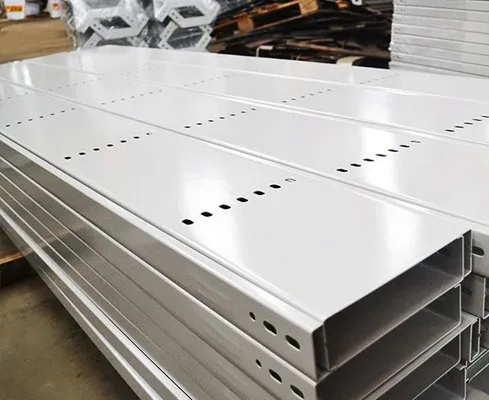
Details TTPC Service

Beyond every limit
in engineering

Phú Cường delivers absolute precision in fabrication, meeting the most demanding technical drawings.

Quotes 24/7
0933.91.98.99
Zalo
0933919899