Choose Steel Sheet According to Surface Requirements After Fabrication: When to Use EG Steel Sheet, GA, Galvanised?
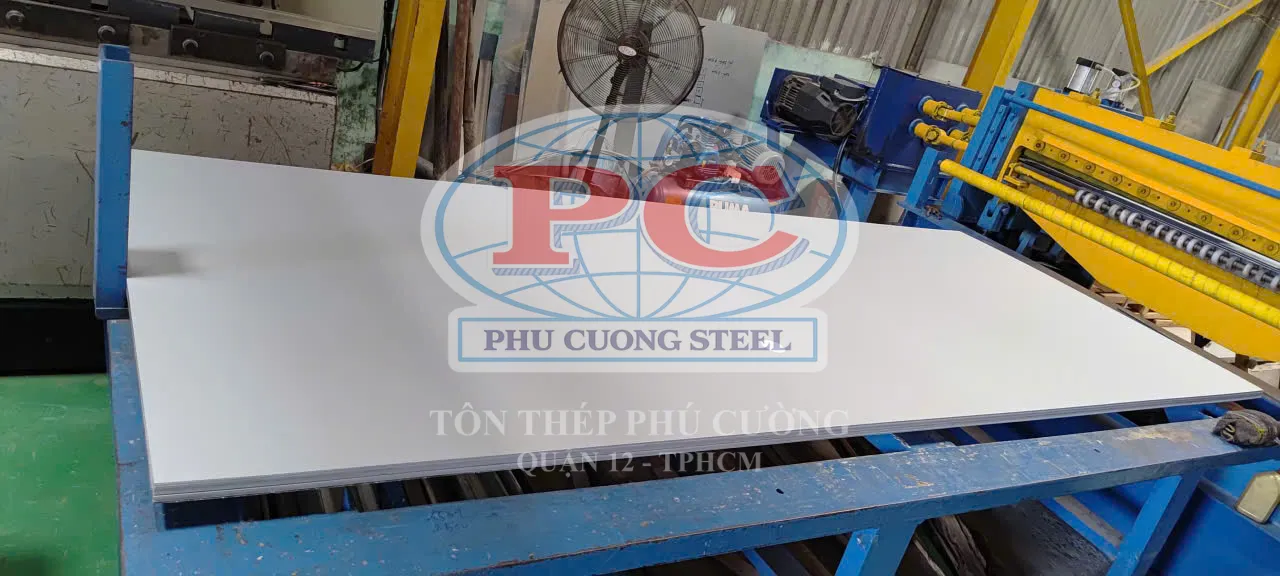
In many mechanical orders, customers often start with the familiar question: “How many mm thick steel sheet is needed?” However, choosing material based solely on thickness is not enough. A mechanical part, once completed, not only needs to be the correct size, hardness, and specifications, but also must meet surface requirements. The steel sheet surface directly affects aesthetics, paintability, adhesion, anti-oxidation capability, suitability for the usage environment, and the overall appearance of the product after handover.
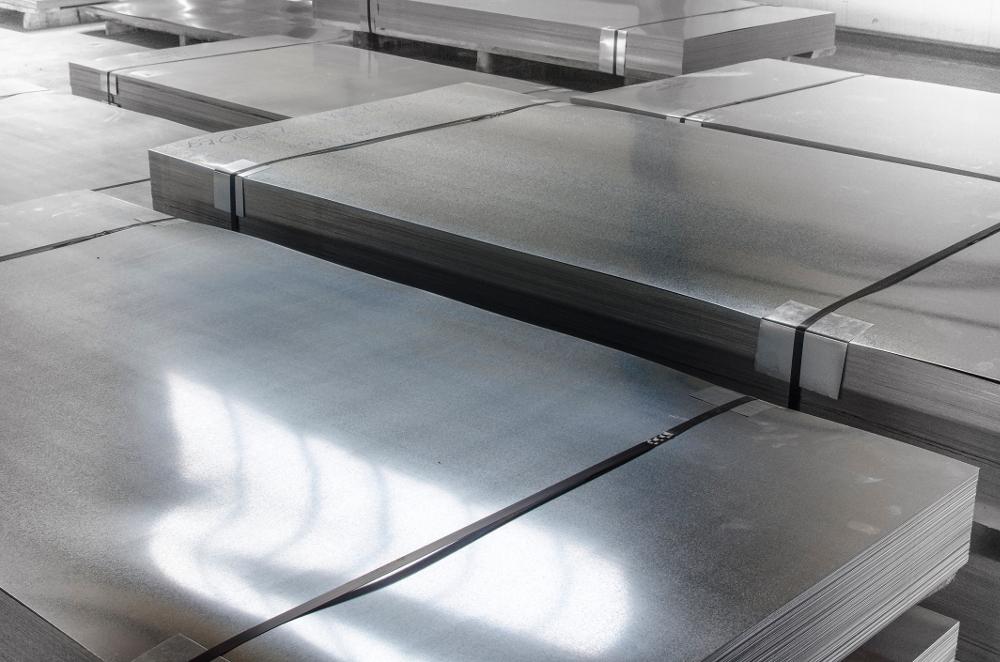
For mechanical workshops, door workshops, metal furniture manufacturers, machine casings, electrical cabinets, code plates, light structural frames, or parts fabricated according to drawings, choosing the right type of steel sheet from the start significantly reduces risks. If the wrong material is chosen, the product may have an unsatisfactory surface, paint that is difficult to adhere, easy to scratch, fade, oxidize at the cut edge, or be unsuitable for its intended use. Therefore, when choosing between EG steel sheet, GA steel sheet and galvanised steel sheet, one must consider the surface requirements after fabrication, not just the price or thickness.
See more comparison articles here: Comparing EG Steel Sheet, GA, Galvanised, Cold-rolled Steel, Hot-rolled – What Are The Differences?
1. Why choose steel sheet based on surface requirements?
The surface is the first part users see on a metal product. A door set, a cladding detail, a cabinet, an interior frame, or a machine casing, even if structurally sound, can still be deemed a low-quality product if its surface is scratched, discolored, difficult to paint, or uneven. For B2B orders, especially for workshops, construction projects, mechanical companies, or mass production units, surface defects can also increase finishing costs and affect delivery schedules.
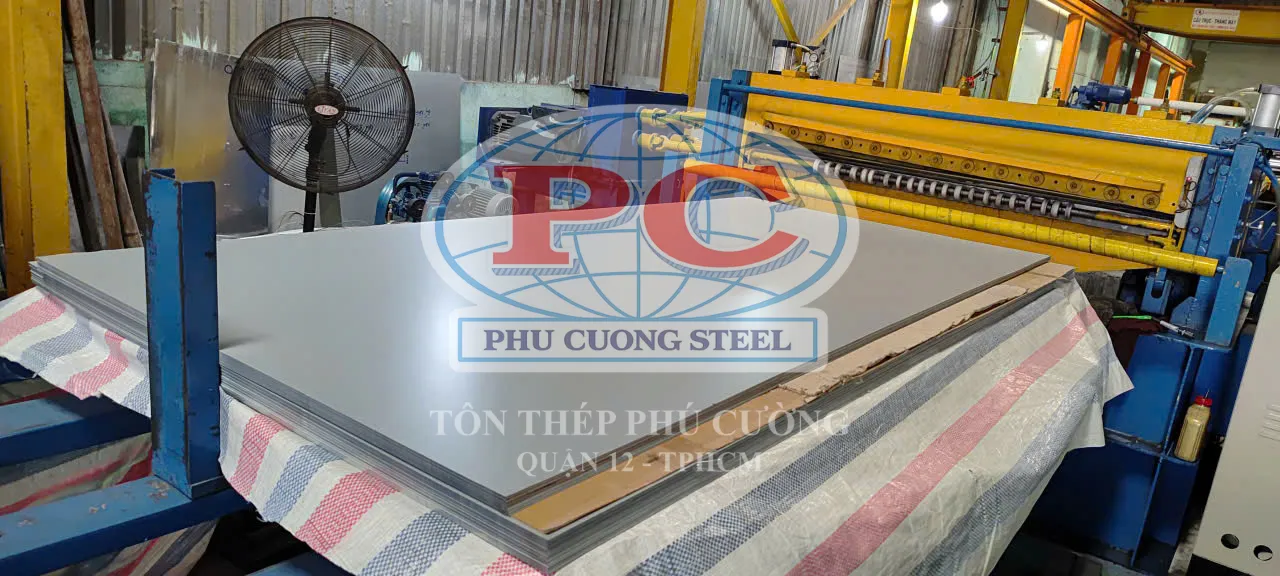
Each type of steel sheet has different surface characteristics. Galvanised steel sheet is often highly valued for its anti-oxidation capability and popularity in construction and mechanical applications. EG steel sheet and GA steel sheet belong to the electro-galvanised steel sheet group, having a relatively smooth surface, characteristic color, and are often used in applications requiring aesthetics, easy fabrication, and suitability for many precision mechanical parts. If the properties of each type are correctly understood, workshops can choose more appropriate materials for each product group.
Choosing the wrong surface can cause many problems. For example, a part requiring a finished paint coat but using unsuitable material can lead to uneven paint adhesion. A product needing a clean appearance but using material easily scratched during transport can increase the rate of rework. A part used in a humid environment but choosing material with insufficient anti-oxidation can quickly degrade at the cut edge or fabrication point.
See more related articles: What is Electro-galvanised Steel? Why is it Widely Used in the Door, Powder Coating, and Metal Furniture Industries?
2. What surface requirements is EG steel sheet suitable for?
EG steel sheet is an electro-galvanised steel sheet with a characteristic blue sheen surface, often favored by mechanical workshops, door workshops, metal parts manufacturers, and metal furniture units. The easily noticeable advantage of EG steel sheet is its relatively even, clean surface, making it easy to observe defects during fabrication and creating a neat, technical product feel. For parts that do not require immediate painting or need a bright surface, EG steel sheet is often a suitable choice.
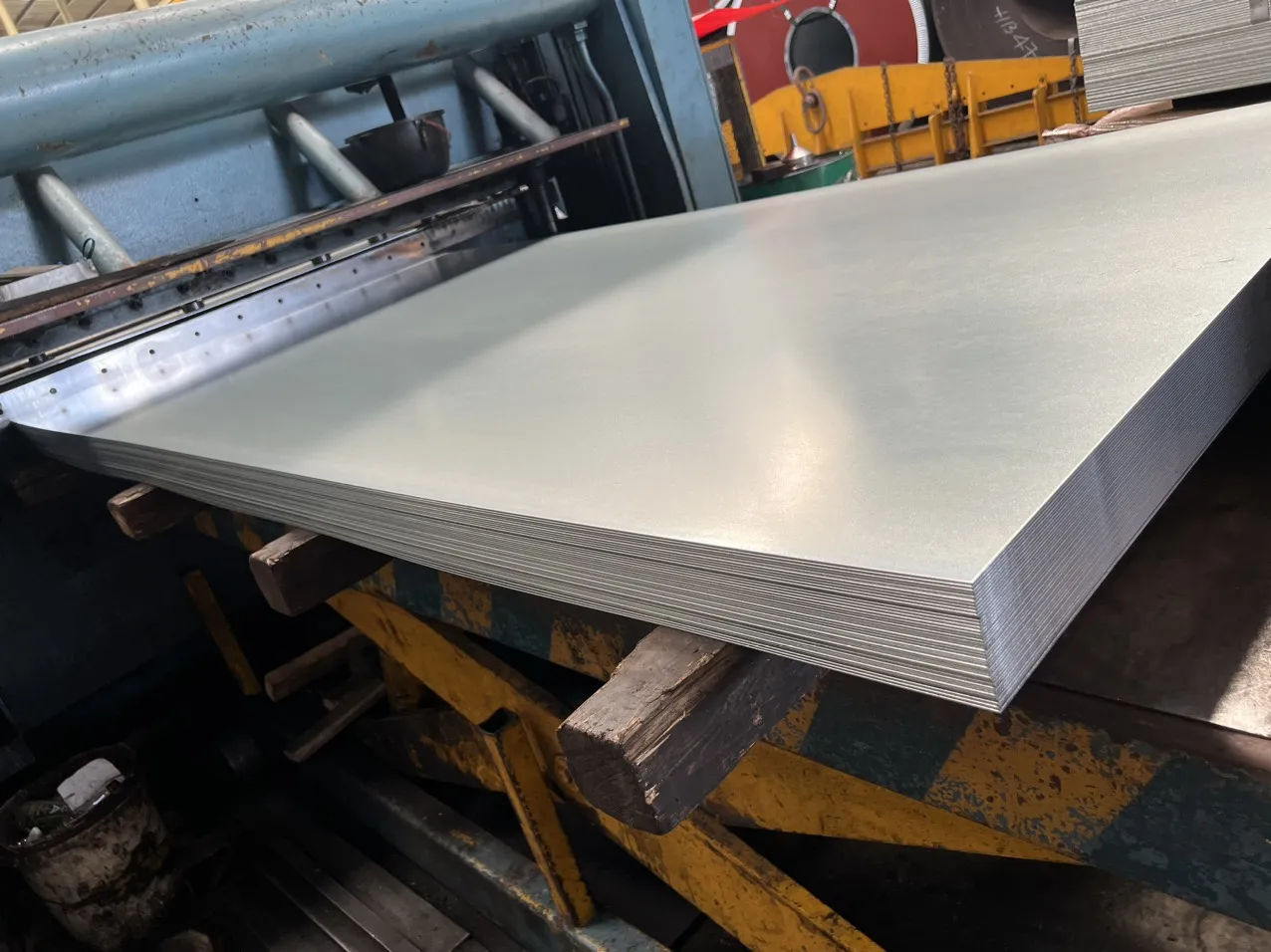
In practice, EG steel sheet is widely used for mechanical parts such as cladding panels, covers, casings, door components, metal furniture accessories, code plates, stamped parts, bent parts, or products requiring a cleaner surface than black steel. Due to the pre-existing electro-galvanised layer on the surface, products after fabrication often have a more finished feel, especially for orders that do not require a very thick paint coating.
However, when using EG steel sheet, workshops still need to pay attention to protecting the surface during cutting, loading, and transportation. If the sheet is dragged, subjected to strong impacts, or improperly stacked, the surface can still be scratched. For parts requiring high aesthetics, it is advisable to choose a supplier with careful cutting and loading procedures to minimize scratching the coating.
3. What products is GA steel sheet suitable for?
GA steel sheet also belongs to the electro-galvanised material group, with a characteristic gray surface, often creating a neutral, clean feel and easy to apply in mechanical engineering. Compared to EG, GA has a different shade, suitable for products requiring a less prominent surface or needing an industrial, technical, neat feel. Many workshops choose GA steel sheet for parts that do not need overly bright colors but still want a better surface than ordinary black steel.
Regarding applications, GA steel sheet can be used for machine casings, accessory frames, assembly parts, cabinets, indoor mechanical products, bent and stamped parts, or products requiring further processing in subsequent stages. The neutral gray color helps the surface appear less discolored when viewed overall, and is suitable for many industrial product groups.
When choosing GA steel sheet, attention must be paid to thickness, flatness, and cutting specifications. For small parts requiring precise assembly, prioritize materials with a stable surface and cut according to the drawing. For large parts, consider the steel sheet width factor to reduce the number of joints or minimize waste during cutting.
4. What requirements is galvanised steel sheet suitable for?
Galvanised steel sheet is a familiar choice in construction, mechanical engineering, and manufacturing due to its galvanised coating which enhances anti-oxidation capability. Compared to black steel, galvanised steel sheet often has an advantage when used in humid environments, outdoor construction projects with shielding, auxiliary frame systems, mechanical accessories, gutters, lining panels, light structural parts, or products requiring better durability.
The surface of galvanised steel sheet can have a spangle pattern or other surface types depending on the source. For products requiring high aesthetics, the correct surface type and specifications must be chosen. For parts prioritizing durability, rust resistance, and reasonable cost, galvanised steel sheet is a very practical choice. It is also a popular material, easy to find, available in many thicknesses and widths.
In fabrication, galvanised steel sheet is widely used for mechanical parts, workshops, auxiliary roofs, gutters, code plates, support frames, structural accessories, partitions, light work platforms, and many items requiring materials with a surface protective layer. If the product after fabrication has to operate in a humid environment or has a risk of oxidation, galvanised steel sheet is often more advisable than ordinary black steel.
5. Quick comparison of EG steel sheet, GA, and galvanised based on surface requirements
| Criteria | EG steel sheet | GA steel sheet | Galvanised steel sheet |
|---|---|---|---|
| Surface characteristics | Blue sheen, clean, easy to identify | Neutral gray, neat, industrial | Galvanised surface, good anti-oxidation capability |
| Suitable applications | Mechanical, doors, metal furniture, parts requiring a beautiful surface | Machine casings, cabinets, industrial parts, products requiring neutral colors | Construction, mechanical, structural accessories, parts requiring durability |
| Main advantages | Bright, clean surface, suitable for aesthetic parts | Easy to match with industrial products, less prominent color defects | Popular, easy to apply, better anti-oxidation than black steel |
| Notes during fabrication | Need to limit surface scratches | Need to choose the correct thickness and cutting specifications | Need to pay attention to cut edges, usage environment, and coating |
6. How to choose steel sheet for each actual product group
6.1. Mechanical products requiring a clean surface, minimal rework
For mechanical parts requiring a clean surface immediately after fabrication, EG steel sheet or GA is a worthwhile consideration. These two material types are suitable for bent, stamped parts, covers, auxiliary frames, casings, and products requiring a better finished feel than black steel. If the product has a specific design color, the workshop needs to check the surface treatment capability before painting.
6.2. Products prioritizing anti-oxidation and durability
For items requiring better anti-oxidation capability, galvanised steel sheet is often a popular choice. This material type is suitable for construction accessories, auxiliary structures, gutters, lining panels, outdoor parts with shielding, or environments with relatively high humidity. However, if the part has many cut edges, it is important to protect the cut edges as these areas are more susceptible than the intact coated surface.
6.3. Products requiring paint coating after fabrication
For parts requiring painting after fabrication, material should not be chosen based solely on price. The substrate surface, cleanliness, protective oil, pre-paint treatment capability, and paint adhesion requirements must be considered. In many cases, materials with a clean and stable surface will facilitate the painting process, reducing defects such as peeling, pitting, or discoloration. Workshops should test samples beforehand if the order has high requirements.
6.4. Products requiring large width cutting, reducing joints
For large parts, choosing the appropriate steel sheet width helps reduce the number of cuts, minimize joints, and optimize waste. Widths of 1000mm, 1250mm, 1500mm, or over 1500mm can be considered depending on the drawing. Especially for workshops needing large width steel sheet for doors, facades, code plates, partitions, cladding panels, or long mechanical parts, a large width stock is a significant advantage.
7. Common mistakes when choosing steel sheet based on surface
The first mistake is only asking for price and thickness without describing the application. For the same thickness, materials used for painted parts, exposed surface parts, and auxiliary structural parts can differ. If the seller does not know what the product is used for, it is very difficult to advise on the correct type of steel sheet.
The second mistake is not considering the post-fabrication stages. A steel sheet after cutting may still need bending, stamping, welding, grinding, painting, or assembly. Each stage can affect the surface. If the material is only suitable for the cutting step but not for the painting or assembly step, the final product may still have defects.
The third mistake is not checking actual specifications before placing large orders. For orders requiring high precision or aesthetics, samples should be checked, cutting tested, bending tested, or the surface evaluated beforehand. This helps reduce risks in mass production, especially for mechanical orders with specific requirements according to drawings.
8. Optimal solutions when ordering steel sheet for mechanical workshops, doors, and metal furniture
To choose the right material, customers should provide clear information when ordering: type of product to be made, desired thickness, part dimensions, surface requirements, whether paint coating is needed, indoor or outdoor usage environment, whether custom cutting, bending, stamping, or delivery is required. This information helps the supplier advise more accurately, avoid choosing the wrong material, and limit subsequent costs.
For mechanical workshops, purchasing materials from a supplier with various specifications and in-warehouse fabrication services will significantly save time. Instead of buying full coils or sheets and processing them entirely themselves, workshops can order custom cutting, coil slitting, bending, or preliminary stamping as needed. This is especially useful for orders requiring fast turnaround or needing materials pre-prepared for production.
A good supplier not only sells materials but also needs to understand the customer's actual applications. For mechanical products, doors, metal furniture, machine casings, or industrial parts, choosing the correct EG steel sheet, GA, or galvanised from the start will make the product more stable, aesthetically pleasing, and reduce the risk of rework.
9. Conclusion
Choosing steel sheet based on surface requirements after fabrication is an important step but often overlooked. In reality, a mechanical product meeting requirements not only needs the correct thickness but also a surface suitable for its intended use. EG steel sheet is suitable for many parts requiring a clean, bright, and aesthetic surface. GA steel sheet is suitable for industrial products, machine casings, cabinets, and parts requiring neutral colors. Galvanised steel sheet is suitable for items requiring good anti-oxidation capability and durability.
When ordering, customers should clearly describe the product to be made, surface requirements, subsequent fabrication stages, and usage environment. This helps choose the correct material, correct specifications, reduce waste, and optimize production costs. For mechanical workshops, doors, metal furniture, and construction projects needing stable materials, partnering with a supplier that has stock, fabrication machinery, and technical consulting experience is a significant advantage.
Phu Cuong Steel Sheet – Leading Reputable Large Width Steel Sheet Distributor
Phu Cuong Steel Sheet is a unit specializing in supplying galvanised steel sheet, EG steel sheet, GA steel sheet, color-coated cold steel sheet, and various steel sheet specifications for mechanical engineering, construction, doors, metal furniture, workshops, and manufacturing units. With the advantage of a large warehouse, genuine raw materials from major factories, diverse specifications, and the ability to supply large width steel sheet from 1000mm, 1250mm, 1500mm upwards, Phu Cuong helps customers easily choose the right material for each actual need.
In addition to material supply, Phu Cuong Steel Sheet also has in-warehouse fabrication machinery systems such as coil slitting, custom cutting, bending, stamping, and shaping as required. The team of technicians, knowledgeable in drawings and material properties, can assist customers in choosing the appropriate steel sheet type for each product, limiting incorrect specifications, reducing waste, and optimizing costs. Especially with its own delivery trucks, Phu Cuong actively transports to construction projects, mechanical workshops, factories, and the Ho Chi Minh City area, helping customers save time and logistics costs.
Phu Cuong Steel Sheet – Partnering with Every Construction Project, always taking the motto "Quality builds the brand" as the foundation for every order. If you need EG steel sheet, GA steel sheet, galvanised steel sheet, large width steel sheet, or custom steel sheet fabrication services, Phu Cuong is a reliable address in District 12 and the Ho Chi Minh City area.
Contact information:
Address: 2177C–2177D National Highway 1A, Dong Hung Thuan Ward, District 12, Ho Chi Minh City
Phone: 0933 919 899
Email: tonthepphucuong@gmail.com
Website: tonthepphucuong.com
See more related articles:
- Steel Sheet Cutting EGI 1.6mm – 2.3mm PP Adhesive Lamination: Surface Protection Solution for Mechanical Engineering, Doors and Metal Furniture
- Steel Sheet Width Tolerance After Coil Slitting: Why Mechanical Workshops, Doors and Facade Manufacturers Need to Check Carefully?
- Custom Steel Sheet Fabrication Service: How Does It Help Customers Save Time and Costs?