
Comparing Large Width and Standard Width galvanised steel sheet: Which Choice Is More Effective?
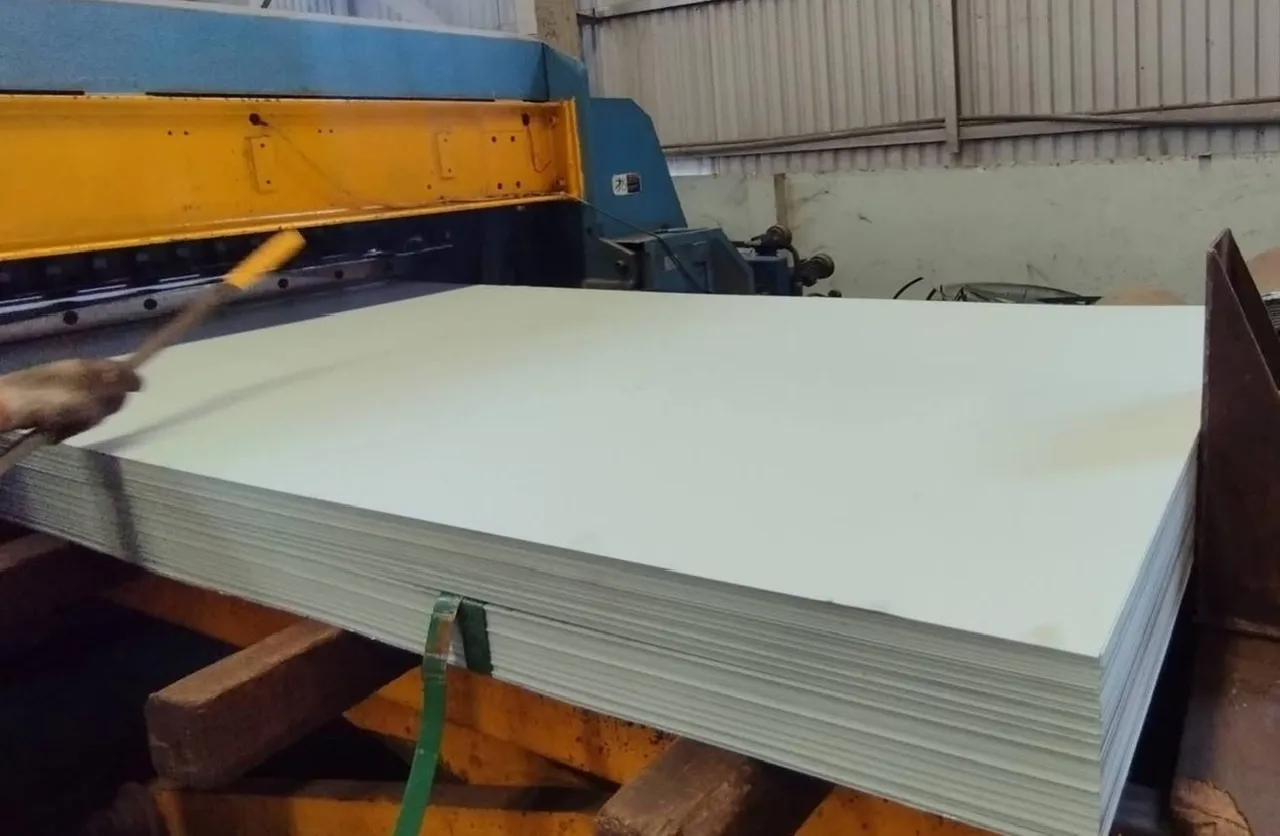
Comparison of Large Width and Standard Width Galvanised Steel Sheet: Which Option Is More Effective In Construction?
In the modern construction industry, especially in factory construction, prefabricated houses, and industrial construction projects, the choice of large width or standard width galvanised steel sheet not only affects material costs but also directly impacts construction progress, construction project durability, wastage rate, and the overall effectiveness of the project.
In reality, many contractors are still accustomed to using standard width because it is easy to purchase, but for large construction projects, large width steel sheet is becoming a trend as it helps reduce joints, reduce wastage, and optimize long-term costs.
This article will provide an in-depth analysis of:
- Concept of each type of steel sheet width
- Technical differences
- Comparison of actual costs
- Impact on construction
- When to use large width
- When to use standard width
1. Concept of standard width galvanised steel sheet
Standard width galvanised steel sheet is a type of steel sheet produced with common widths according to the factory's conventional rolling lines.
Common widths in the market:
- 1000mm
- 1200mm
- 1250mm
These are sizes widely used because:
- Suitable for common rolling machines
- Easy to transport
- Easy to stock
- Suitable for most civil construction projects
Advantages
- Easy to purchase in the market
- Price per kg is usually lower
- Many suppliers available
- Suitable for small construction projects
Disadvantages
- Many joints during construction
- Wastage when cutting
- High labor cost
- Time-consuming installation
- Increased risk of water leakage at joints
2. Concept of large width galvanised steel sheet

Large width galvanised steel sheet is a type of steel sheet with a width larger than standard width, typically from:
- 1500mm
- 1524mm
- 1600mm
- 1800mm
- 2000mm (less common)
This type of steel sheet requires:
- Large width blanks from the factory
- Large capacity slitting machine
- Spacious warehouse
- Fabrication experience
Therefore, not all suppliers can provide it.
Advantages
- Fewer joints
- Reduced wastage
- Increased tightness
- Fast construction
- Reduced overall cost
Disadvantages
- Harder to purchase
- Requires specialized fabrication unit
- Requires suitable transport vehicles
- Requires good construction techniques
3. Detailed comparison of large width vs standard width steel sheet
| Criteria | Standard width | Large width |
|---|---|---|
| Width | 1000–1250 | ≥1500 |
| Wastage when cutting | High | Low |
| Number of joints | Many | Few |
| Construction time | Longer | Faster |
| Water tightness | Medium | High |
| Total cost | May be higher | Usually lower |
| Technical requirements | Low | High |
| Supply capability | Common | Few suppliers |
Important point:
Lower price/kg does not guarantee lower total cost
4. Material loss analysis — cost-determining factor
This is a part many people overlook.
Example:
Construction project requires 1400mm wide steel sheet
Using 1250 width
→ requires joining
→ requires cutting
→ edge loss
→ increased joints
Using 1500 width
→ fits cutting
→ less edge waste
→ fewer joints
Loss difference can be:
- 5%
- 10%
- even 15%
For large construction projects → significant cost.
5. Impact on construction project durability
Each joint is a weak point.
Many joints → many risks:
- Water leakage
- Rust
- Screw detachment
- Warping
- Reduced roof lifespan
Large width steel sheet helps:
- Fewer joints
- Fewer screws
- Fewer leakage points
- Stronger structure
This is why:
Large workshops often use large widths
6. Impact on construction progress
Construction with small width steel sheet:
- Many sheets
- Many screws
- Many lifts
- Many adjustments
Construction with large width steel sheet:
- Fewer sheets
- Less joining
- Faster installation
Savings:
- Labor
- Time
- Scaffolding rental cost
Especially important for:
- Urgent construction projects
- Large construction projects
- Workshop
- Warehouse
7. When to use large width steel sheet
Should be used when:
- Workshop
- Large roof
- Large wall
- Industrial construction project
- Pre-engineered construction project
- Construction project requiring high sealing
- Construction project requiring reduced loss
Especially should be used when:
Drawings have dimensions larger than 1250mm
8. When to use standard width
Should be used when:
- Small construction project
- Residential house
- Small roof covering
- Easy to construct
- No high requirements
Standard width still suitable for:
- Civil construction projects
- Small construction projects
- Ancillary items
VIEW GALVANISED STEEL SHEET PRODUCT DETAILS NOW (LARGE WIDTH/ STANDARD WIDTH):
9. Important notes when choosing large width steel sheet
Must check:
- Is the thickness correct?
- Is the width sufficient?
- Is there a coil slitting machine?
- Can it be delivered?
- Can it be cut according to drawing?
Many places advertise having large width but:
- No raw material
- No machine
- Cannot be delivered
- Must be joined
Leading to:
Time loss, cost incurred
10. Tôn Thép Phú Cường – Leading Reputable Large Width Steel Sheet Distributor
In reality, not many units have available large width galvanised steel sheet from 1500mm upwards, due to requirements for large warehouse, high-capacity machinery and stable raw material supply.
Tôn Thép Phú Cường – Accompanying All Construction Projects
Quality builds the brand
We specialise in supplying:
- Galvanised steel sheet width 1000 / 1250 / 1500+
- EG steel sheet, GA steel sheet
- Cold-rolled steel sheet
- Fabrication coil slitting – cutting according to requirements
- Bending and stamping according to drawing
- Delivery to construction project
Advantages:
- Large warehouse
- Modern coil slitting machine
- Flat and clean cut
- Correct thickness
- Correct specifications
- Fast truck delivery
- Full CO CQ available
Address: 2177C–2177D QL1A, Đông Hưng Thuận Ward, District 12, Ho Chi Minh City
Hotline: 0933 919 899
Website: tonthepphucuong.com
View other related articles: