EG steel sheet in the door & mechanical industry: Why do fabrication businesses prioritize its use?
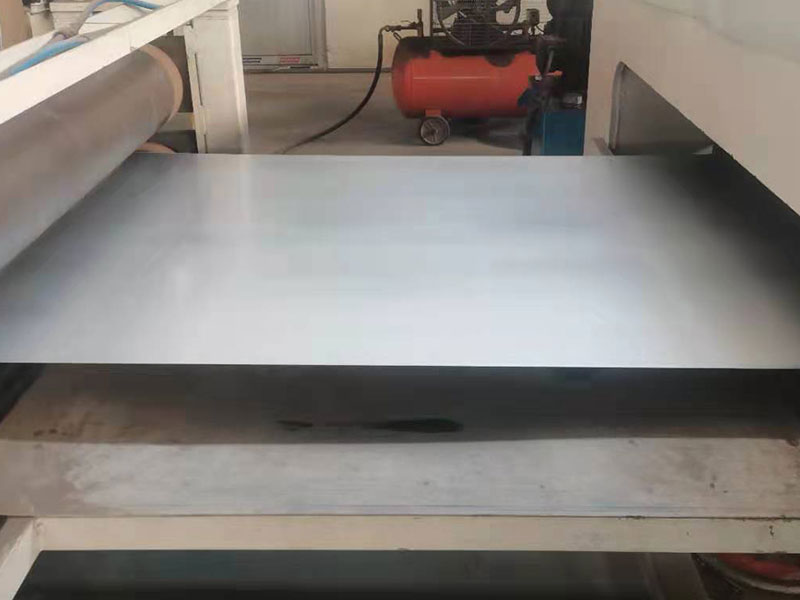
What is EG steel sheet?
EG steel sheet is a common term in the Vietnamese market for electro-galvanised steel (Electro-Galvanized Steel – SECC). This is a type of steel coated with a thin galvanised layer by electroplating, creating a smooth surface with a characteristic blue sheen.
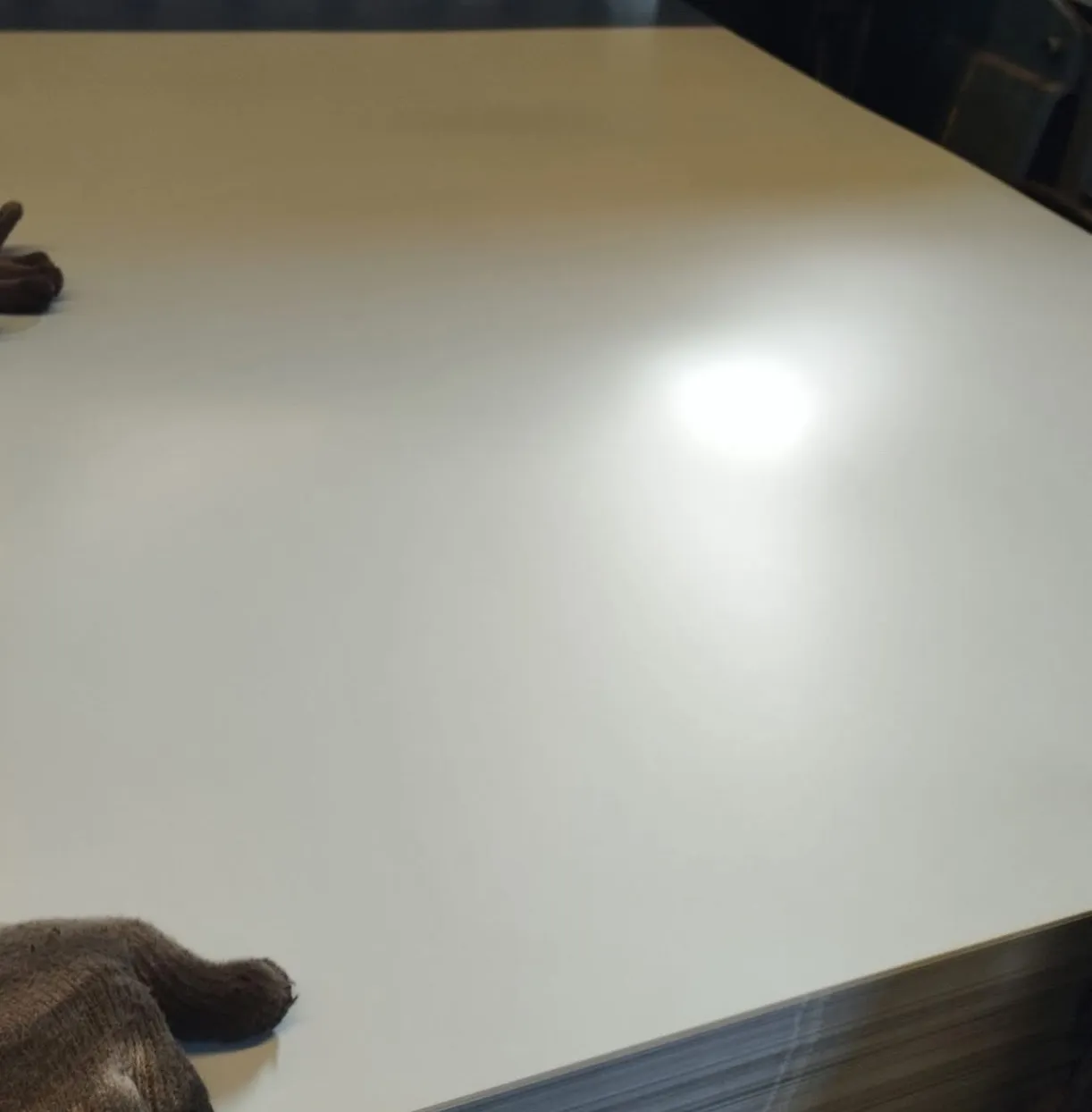
Unlike hot-dip galvanised steel sheet, the coating of EG steel sheet is thinner but more uniform, allowing precise thickness control and ensuring high aesthetic appeal. This is why this material is widely used in industries requiring high precision, such as door manufacturing, electrical cabinets, and precision mechanics.
Why do the door and mechanical industries prefer EG steel sheet? (Material mechanism analysis)
1. Electro-galvanising mechanism → absolute precision in coating thickness control
Unlike hot-dip galvanised steel sheet (hot-dip galvanized), EG steel sheet is produced by electro-galvanising (electroplating). In this process, the galvanised layer is deposited onto the steel surface via electric current, allowing for:
- Control of coating thickness at micrometer (µm) level
- Uniform coating distribution across the entire surface
- No formation of large galvanised spangle structure (spangle)
Mechanically, this helps the steel sheet have uniform stress distribution throughout the thickness, thereby reducing deviations during cutting, bending, and stamping – a crucial factor in the production of doors and precision mechanical components.
2. No thick alloy layer → reduced cracking during plastic deformation
In hot-dip galvanised steel sheet, a thick and brittle Fe-Zn alloy region exists between the steel substrate and the galvanised layer. When performing processes such as bending or stamping:
- This alloy layer is prone to micro-cracking
- Causing coating delamination
- Reducing surface quality after fabrication
Conversely, EG steel sheet has a thin coating, with less formation of brittle alloy layers → better plastic deformation capability → suitable for parts with many folds such as steel doors or electrical cabinet enclosures.
3. Low surface roughness → increased paint adhesion and coating control
The surface of EG steel sheet has significantly lower roughness than hot-dip galvanised steel sheet. This creates two technical advantages:
- The electrostatic paint layer is evenly distributed, not “eaten” into large cavities
- Reduced pinhole phenomenon in the paint layer
In the door industry, this helps the finished paint layer achieve high uniformity, reduce surface defects, and increase corrosion resistance after painting.
4. Geometric stability after fabrication → reduced warping
Due to the thin and uniform coating, EG steel sheet causes less stress difference between the surface and the material core. During fabrication:
- Less occurrence of localized stress release
- Reduced warping after cutting or bending
- Better flatness retention
This is an important factor in door manufacturing, where even small deviations affect sealing and assembly capability.
5. High repeatability in mass production (Mass Production Stability)
In an industrial production environment, especially for door fabrication companies or mechanical OEMs, the important factor is not just “aesthetics” but “batch stability”.
EG steel sheet has the following characteristics:
- Thickness stable between coils
- Mechanical properties with low variation
- Suitable for automated production (CNC, continuous stamping)
This helps reduce accumulated errors across multiple stages, thereby ensuring the final product meets uniform standards.
6. Total cost optimization (Total Cost Optimization)
Although the initial material cost may be higher than some other types of steel sheet, considering the entire production chain:
- Reduced product defects → reduced waste
- Reduced surface treatment steps
- Reduced fabrication and adjustment time
The total actual cost (total cost) of EG steel sheet is often lower when applied in industries requiring high precision, such as doors and mechanical engineering.
Technical risks when choosing the wrong material (In-depth mechanism analysis)
1. Geometric deviation due to uneven stress distribution
When using hot-dip galvanised steel sheet (SGCC) instead of EG steel sheet (SECC), the biggest difference lies in the stress distribution across the thickness. The thick coating and uneven structure of SGCC create a stress gradient between the surface and the material core.
During fabrication:
- Cutting → local stress release
- Bending → uneven stress redistribution
- Stamping → creation of concentrated deformation zones
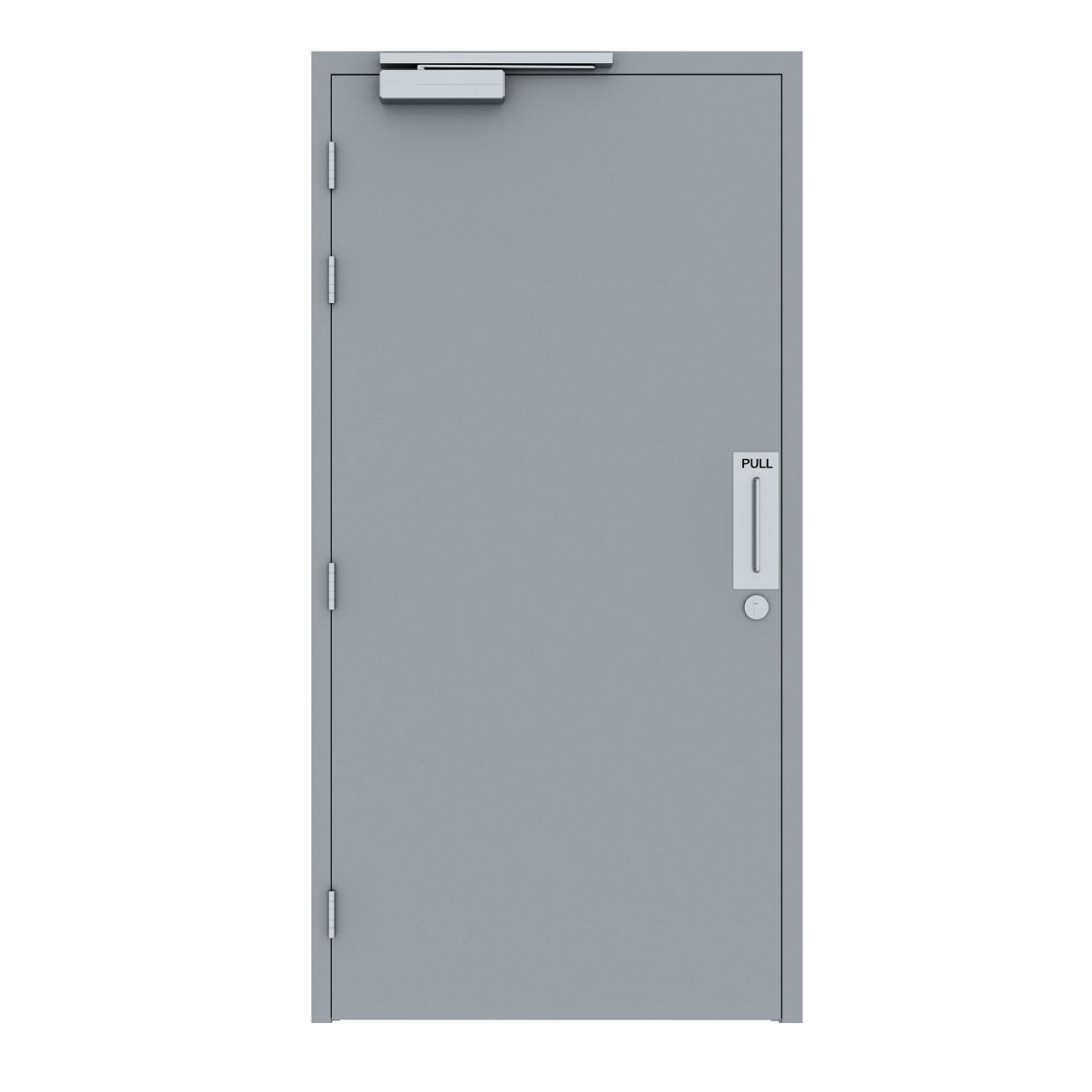
The consequence is the steel sheet is slightly bent or twisted after fabrication. In door production, a deviation of just 1–2 mm can cause:
- Doors not closing tightly
- Deviation from standard gap
- Manual adjustment required → time-consuming
2. Micro-cracks in the coating → early corrosion initiation
In SGCC, the Fe-Zn alloy layer between the steel and the galvanised layer is highly brittle. When performing plastic deformation operations such as bending or stamping:
- The alloy layer develops micro-cracks
- The upper galvanised layer loses adhesion
- Creating open points for oxygen and moisture penetration
Initially, these cracks are not visible to the naked eye, but after a period of use:
- Rust appears at folded edges
- Paint peeling from the inside
- Reduced product lifespan
This is a dangerous type of defect because it is not detected immediately during production but only appears after the construction project has been handed over.
3. Unstable surface → batch painting defects
Hot-dip galvanised steel sheet has an uneven surface due to the galvanised crystal structure (spangle). This causes:
- Inconsistent roughness
- Varying paint adhesion at different locations
In electrostatic painting:
- Thicker paint in concave areas, thinner in convex areas
- Prone to pinholes
- Uneven color
When mass-producing doors or electrical cabinets, this defect can spread into a batch defect, requiring repainting or product rejection.
4. Cumulative errors in mass production (Tolerance Stack-up)
In an industrial production environment, each step has small errors. When input materials are unstable:
- Thickness fluctuations → cutting errors
- Uneven deformation → error during bending
- Assembly → cumulative error
This phenomenon is called "tolerance stack-up" (tolerance accumulation). Result:
- Product does not meet design dimensions
- Misaligned holes, misaligned hinges, misaligned frames
- Exponential increase in defect rate
This is an extremely high risk for door manufacturing businesses or mechanical OEMs.
5. Reduced tool and die life
The uneven surface and thick coating structure of SGCC increase friction during fabrication:
- Increased cutting and bending forces
- Faster blade wear
- Reduced die life
This not only affects tool costs but also reduces fabrication accuracy over time.
6. Increased hidden costs throughout the entire production chain
The biggest risk is not in material cost, but in hidden costs:
- Rework
- Defective goods (scrap)
- Delayed delivery schedule
- Warranty after installation
In many cases, choosing cheaper materials initially significantly increases total production costs.
Optimal solution for door & mechanical fabrication businesses
- Choose the correct type of steel sheet according to product requirements (SECC for precision, GI for outdoor use)
- Check actual thickness and tolerance before fabrication
- Use a supplier with on-site fabrication capabilities to reduce errors
- Prioritize large width steel sheet to reduce waste during cutting
Conclusion
EG steel sheet is not just a common metal material but also a technical solution that helps the door and mechanical industries improve accuracy, optimize costs, and ensure product quality. Choosing the right material from the start will directly determine production efficiency and business reputation.
Phu Cuong Steel Sheet & Steel – Stable Material Solution for the Door & Mechanical Industries
In the production of steel doors, electrical cabinets, and precision mechanical products, the issue is not "having material" but "whether the material is stable". Small deviations in the initial steel sheet can lead to mass defects throughout the entire production line.
Phu Cuong Steel Sheet & Steel positions itself not just as a material supplier, but as a solution partner for mechanical fabrication – metal door businesses, helping to control from input to minimize risks such as warping, cumulative errors, and surface defects after painting.
Stable material source – suitable for mass production
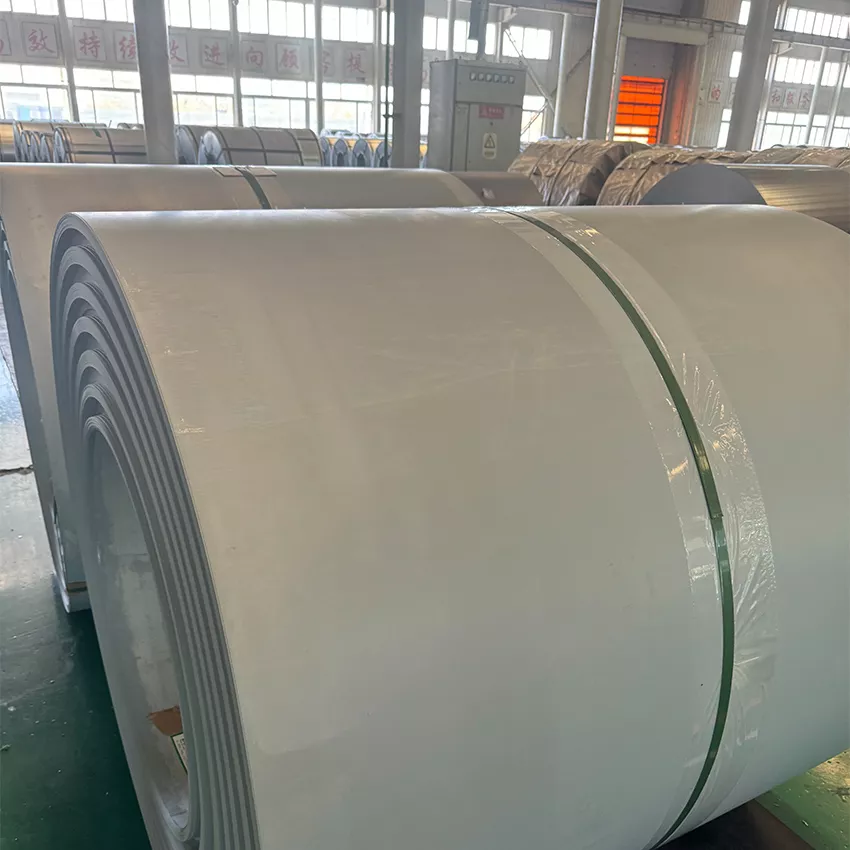
- EG steel sheet (electro-galvanised steel) with a smooth surface, uniform thickness, suitable for precision fabrication
- GA steel sheet, galvanised steel sheet from large mill coil sources, with quality control
- Diverse steel sheet widths, especially large widths from 1500mm+, helping to optimize cutting layout and reduce waste
On-site fabrication – reduce errors and optimize costs
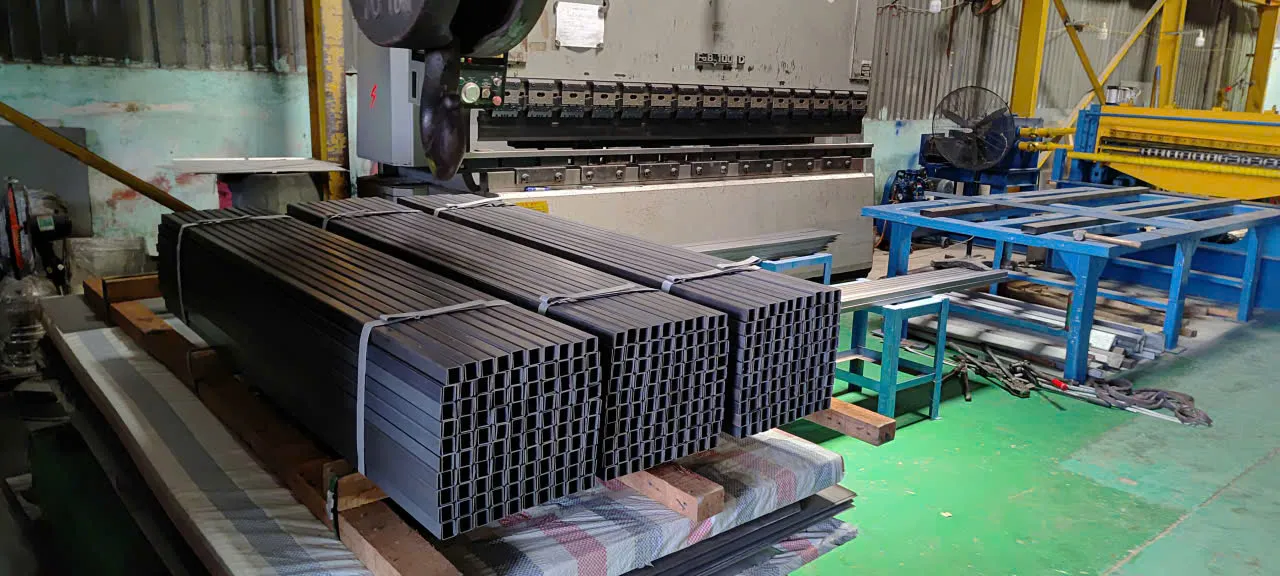
Unlike a material-only sales model, Phu Cuong owns a system of decoiling – bending-stamping – custom cutting machines right at the warehouse:
- Cut to exact dimensions according to drawings → reduce input errors
- Limit deformation due to transportation or repeated fabrication
- Suitable for door workshops, mechanical workshops that need fast and stable production
Proactive delivery – optimize production schedule
- Own private trucks, not dependent on external shipping companies
- Fast delivery, can handle urgent orders within the day
- Reduce risks of delayed progress in industrial production
Long-term cooperation orientation with manufacturing businesses
Phu Cuong focuses on serving B2B partners in the fields of doors, mechanical engineering, metal structures with the following criteria:
- Stable quality per batch
- Support material selection suitable for each application
- Optimize total production costs, not just material prices
With the motto “Quality makes the brand”, Phu Cuong Steel Sheet & Steel aims to become a reliable material supply partner for industrial manufacturing businesses in Ho Chi Minh City and surrounding areas.
Contact information:
Address: 2177C – 2177D National Highway 1A, Dong Hung Thuan Ward, District 12, Ho Chi Minh City
Hotline: 0933 919 899 (Ms. Anh)
Email: tonthepphucuong@gmail.com
Website: tonthepphucuong.com
See more related articles:
- What is steel sheet bending fabrication? Process, advantages and practical applications
- What Are Burrs (Bavia) When Cutting Steel Sheet? Why Do They Cause Errors In Door, Furniture And Mechanical Fabrication
- EG steel sheet In District 12 – Reputable Place Selling Electro-Galvanised EGI Steel Sheet, With Large Width 1500mm