How to Read Material Symbols on Steel Sheet and Steel Delivery Notes: What Do SGCC, SECC, EG, GA, Z100, Z180, Z275 Mean?
In the mechanical engineering industry, doors, light structures, metal furniture, and steel sheet fabrication, one of the most common errors is not in the production stage but right from the ordering and receiving steps: misreading material symbols on the delivery note. Many units see SGCC, SECC, EG, GA, Z100, Z180 or Z275 recorded on documents but only generally understand that “it is coated steel sheet”, whereas in reality, each symbol represents a different material group in terms of steel substrate, coating method, coating weight, and suitable application scope.
- See more related articles:SECC vs SGCC: Comparing steel door materials & 5 risks of wrong selection (workshops need to know)
- Lifespan of galvanised steel sheet: How Does the Coating Layer Z120 – Z180 – Z275 Affect It?
Misunderstanding symbols can lead to very real consequences: choosing the wrong type of steel sheet for humid environments, buying a coating layer that is too thin for outdoor construction projects, using the wrong material for parts requiring a good electrostatic paint finish, or ordering steel that is not optimal for bending, pressing, and assembly processes. For mechanical workshops and procurement departments, this is not just a technical issue but also a matter of cost, schedule, and delivery reputation.
1. What are material symbols on a delivery note and why is it important to read them correctly?
Material symbols are a set of abbreviations that indicate steel substrate type, coating method, coating grade, specifications, thickness, width or some technical requirements related to the shipment. On delivery notes, invoices, packing lists, or factory documents, these symbols serve as a “common language” between suppliers, procurement departments, workshop technicians, and end-users.
By correctly reading the symbols, buyers can answer core questions:
- Is this hot-dip galvanised steel sheet or electro-galvanised steel?
- Is this surface suitable for mechanical fabrication, door manufacturing, equipment casings or outdoor environments?
- Is the coating layer sufficient to meet the desired lifespan?
- Does this material prioritize surface aesthetics or corrosion resistance?
- Is the current delivery order correct according to the type confirmed in the quotation and drawings?
In other words, correctly reading symbols is the first step to controlling input quality. When the input is correct, subsequent processes such as cutting, slitting, bending, welding, painting, and assembly will operate stably. If the input is incorrect, all subsequent steps can be affected.
2. Understanding the symbol groups correctly: Where do SGCC, SECC, EG, GA differ?
To read documents accurately, it is first necessary to understand that codes like SGCC, SECC, EG, GA are not random names. They belong to different material groups and are often associated with a specific application logic.
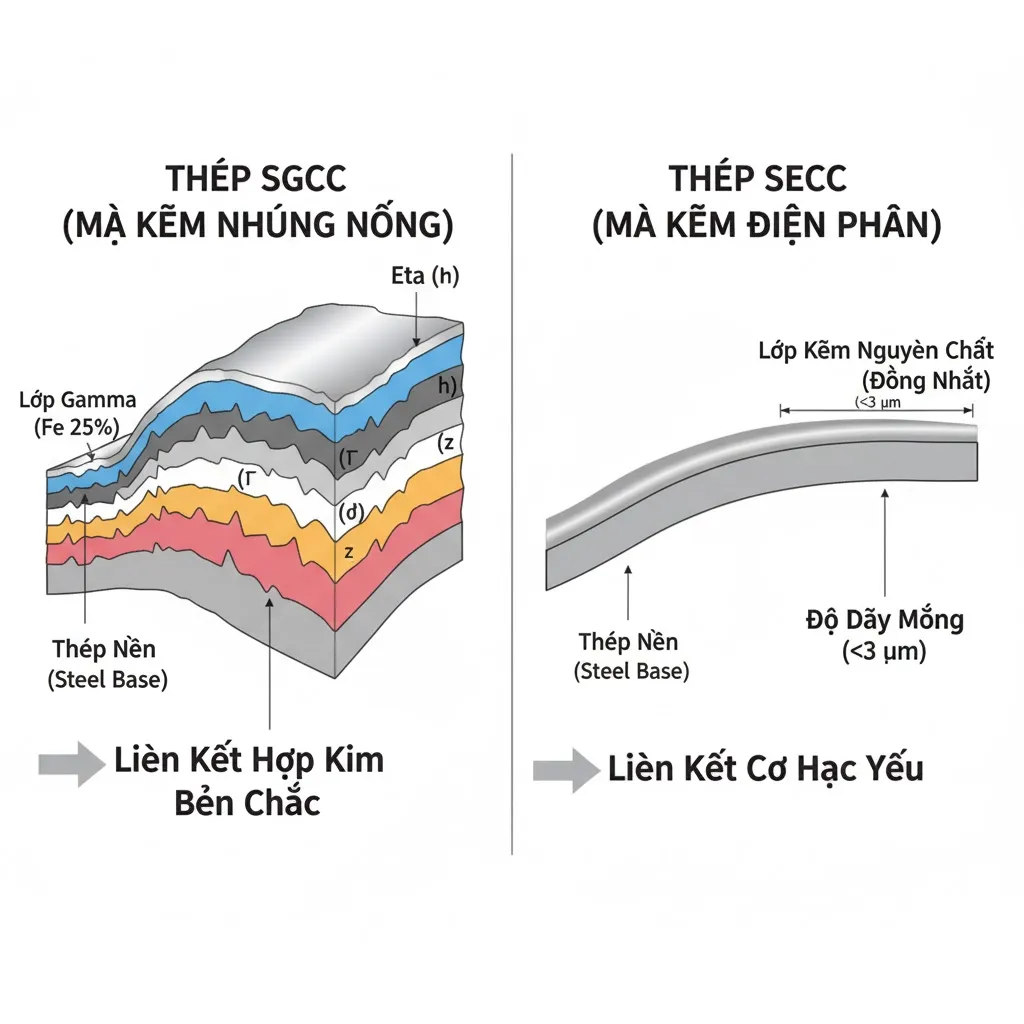
2.1. SGCC is generally understood as hot-dip galvanised steel
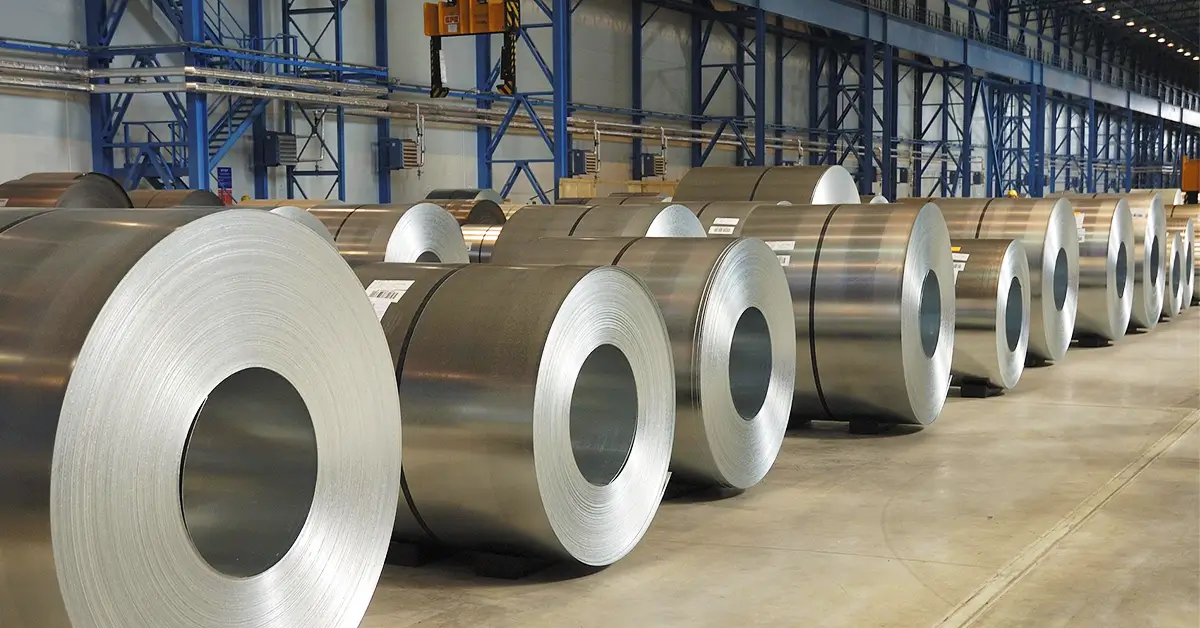
In market practice, SGCC is often used to refer to the group of cold-rolled steel substrates that have been galvanised by continuous hot-dip method. The characteristic of this material is that it has good corrosion resistance, suitable for many applications in mechanical engineering, covers, gutters, partitions, light structures, accessories, and parts requiring priority for surface durability against the environment.
A point to note is that when the document states SGCC, buyers should not stop there. It is necessary to check the accompanying coating symbol such as Z100, Z120, Z180, or Z275 to know the level of galvanised coating. Both are SGCC, but Z100 and Z275 will provide significantly different levels of corrosion protection.
See how to measure the coating here: How to Measure Galvanised Coating at the Construction Project: Avoid Errors When Checking Z100, Z180, Z275
2.2. SECC is often associated with electro-galvanised steel, with a more beautiful and uniform surface
SECC is often favored by the mechanical engineering, industrial electrical, electrical cabinet, equipment casing, and parts markets that require good aesthetic finishing. The reason is that electro-galvanised steel often provides smooth, bright, uniform surface, very favorable for products requiring a beautiful appearance or needing painting, embossing, or finer shaping.
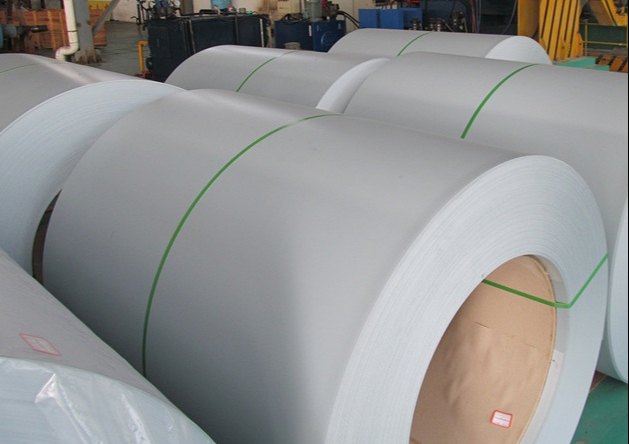
- See Phu Cuong Steel Sheet's SECC products: ELECTRO-GALVANISED STEEL EG - EG STEEL SHEET, ELECTRO-GALVANISED STEEL SHEET GA - GA STEEL SHEET, GALVANISED STEEL SHEET (SGCC - SECC)
However, buyers also need to understand the true nature: electro-galvanised steel is not always the optimal choice for all environments. If the goal is higher corrosion resistance in harsh conditions, a careful comparison with the hot-dip galvanised group is needed, and the correct usage context should be reviewed.
For more details, you can refer to the article: What is Electro-Galvanised Steel? Why the Door, Powder Coating, Metal Furniture Industries Use It So Much
2.3. EG is a common term for electro-galvanised steel
EG is a commonly used abbreviation to refer to the group Electro-Galvanized, meaning electro-galvanised steel. In the actual market, many places also familiarly call it EG steel sheet or electro-galvanised material with a beautiful surface, suitable for precision mechanical engineering, door manufacturing, metal interior details, electrical equipment, and parts requiring relatively high aesthetics.
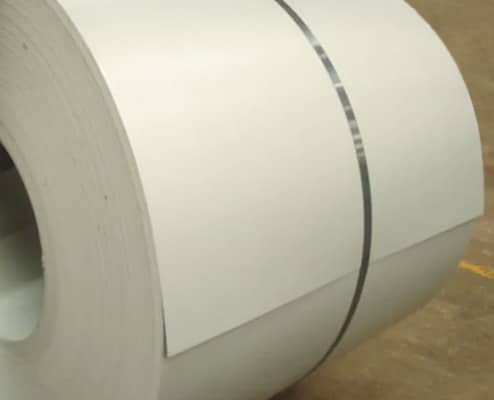
When seeing the EG symbol on documents, the technical department should further check factors such as base thickness, width, surface condition, compatibility with bending and stamping processes, and painting requirements if any.
Phu Cuong Steel Sheet is proud to be a supplier of EG steel sheet/electro-galvanised steel EG for the Southern region; you can refer to the article: Where to Buy Reputable EG Steel Sheet in Ho Chi Minh City? Quotation & Experience in Choosing the Right Standard
2.4. GA is the group of galvannealed steel
GA is often related to the group galvannealed, meaning material that has been treated after galvanising to create a surface layer with different properties than conventional galvanised. In practical applications, this group is often of interest when customers need to balance paint adhesion, surface finish, and stability in certain forming or surface finishing processes.
Not every workshop needs to use GA, but for manufacturing units with relatively strict process requirements, identifying GA instead of mistaking it for EG or SGCC is very important. Misidentifying this group can lead to discrepancies in both product aesthetics and subsequent production processes.
3. What are Z100, Z180, Z275? These are not “sub-codes,” but very important information
Many people, when reading delivery notes, only pay attention to SGCC or SECC, while Z100, Z180, Z275 are considered sub-codes. In fact, this is an extremely important part because it directly relates to coating class. Simply put, this is how the level of galvanised coating on the steel surface is expressed according to the provisions of each applicable standard.
In practical terms, it can be understood as follows:
- Z100: a more basic coating level, suitable for some indoor applications or environments that are not too harsh.
- Z180: higher coating level, often considered when surface durability needs to be increased for heavier use conditions.
- Z275: high coating class, often mentioned in the market when material with better corrosion resistance is needed for applications requiring longer service life.
It is important not to assume that the highest coating level is best for all problems. Selecting the appropriate coating level must be based on usage environment, desired lifespan, budget, and fabrication process. If used indoors, dry details, and lifespan is not highly demanding, specifying Z275 might unnecessarily increase costs. Conversely, if used in humid or outdoor environments and only a low coating level is chosen, future repair and replacement costs could be much higher.
4. Why do purchasers and mechanical workshops often misread material codes?
There are three main reasons why codes are misread or incompletely read.
4.1. Only remembering trade names without understanding technical essence
Many entities are accustomed to referring to materials by market names such as EG steel sheet, galvanised steel sheet, GA steel sheet without associating those names with the corresponding standard group or plating method. This means that when receiving documents, they are unsure which code corresponds to the type they ordered.
4.2. Delivery notes are only checked by quantity, not by material code
Many warehouses or workshops, when receiving goods, only check the number of coils, number of sheets, nominal thickness, and width, while the material code is overlooked. Only when put into production is it discovered that the surface is incorrect, the coating is incorrect, or the fabrication properties are not as expected.
4.3. Lack of standardization in material notation between quotations, orders, and drawings
Some entities provide very brief quotations, for example, only stating “galvanised steel sheet 1.2mm” or “EG 0.8”, but when goods are delivered, documents list the full technical code. If the purchasing department, warehouse accounting, and technical department do not agree on a common terminology, the risk of misunderstanding is very high.
5. Practical application: how does reading codes correctly help mechanical workshops and contractors?
For mechanical workshops, reading codes correctly helps select materials that closely match product functionality. If making cabinet casings, metal interior details, door accessories, or details requiring a good surface finish, the electro-galvanised group might be a more suitable direction. If making parts that prioritize rust resistance, lightweight structures, covers, or details likely to be exposed to harsher environments, the hot-dip galvanised group with an appropriate coating level will be more worth considering.
For contractors and purchasing departments, understanding material codes helps:
- Accurate cross-referencing between quotation – purchase order – delivery note – actual goods received.
- Reduce disputes with suppliers due to misunderstanding product names.
- Limit returns, project delays, and generation of unusable inventory materials.
- Optimize budget by choosing the correct coating grade instead of buying more than needed.
- Easier to work with technical staff, QC, and the construction team at the construction project.
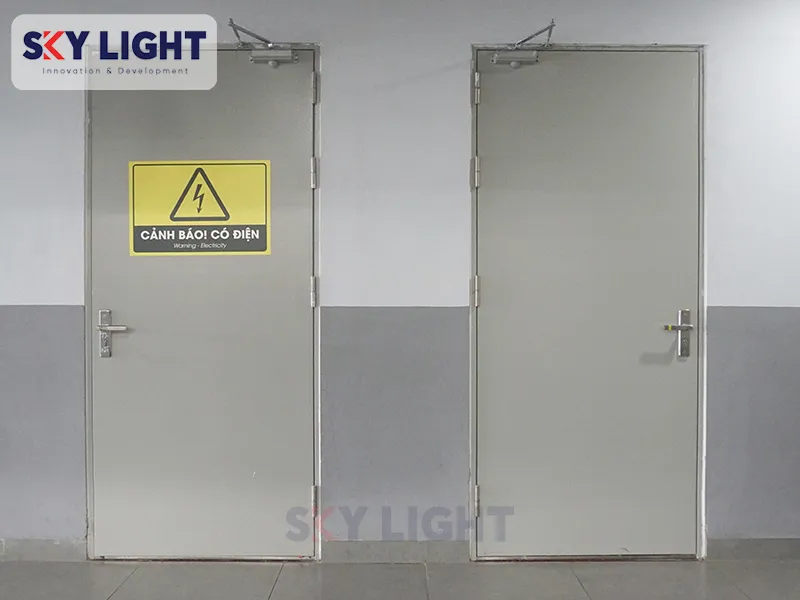
6. Risks if misreading symbols SGCC, SECC, EG, GA or Z100, Z275
Misreading symbols is not simply mistaking product names. It leads to a series of very real risks in operation.
Firstly, incorrect service life. A component placed in a high humidity environment but choosing unsuitable coating material will degrade faster than expected. Damage does not appear immediately upon receipt but usually manifests after a period of use, at which point the repair cost is much higher.
Secondly, wrong surface finish. Some parts require a beautiful, uniform surface for painting or delivering finished products, but if the wrong material group is used, the aesthetic quality may not meet expectations.
Third, wrong cost calculation. Many companies purchase a higher grade of material than actual needs because they don't understand product codes, leading to unnecessary raw material cost increases. Conversely, choosing lower than needed will save in the short term but be costly later on.
Fourth, wrong production schedule. When a wrong code is discovered after uncoiling, cutting blanks, or pressing, the material is often difficult to return to its original state. The workshop loses material, loses time, and delays delivery to the customer.
7. How to read steel sheet and steel delivery notes correctly and faster in practice
To reduce errors, businesses should standardize an incoming material inspection process following 5 concise steps.
7.1. Read in the correct order: material group first, coating layer after
For example, if you see product code SGCC Z275, separate it into two parts: SGCC is the base group and coating method; Z275 is the coating grade. Do not just look at Z275 and assume that's all you need to know.
7.2. Compare with the product's actual intended use
Before warehousing, ask again: what part is this material used for, what environment, does it need a good surface finish or stronger rust resistance? This question helps immediately detect batches that are “correct name but wrong purpose”.
7.3. Also check thickness, width, and surface condition
The material code may be correct, but if the thickness or width is wrong, the order is still incorrect. For mechanical engineering businesses, width is especially important because it directly affects blank utilization rate, sheet cutting method, and waste in fabrication.
7.4. Standardize the coding method on quotations, orders, and internal slips
Ideally, each order should clearly state according to the structure: material group – coating grade – thickness – width – cutting/fabrication specifications. For example: “SGCC Z275, thickness 1.2mm, width 1250mm, cut to specifications”. This way of writing is much clearer than the general “galvanised steel sheet 1.2mm”.
7.5. Work with suppliers capable of providing technical consultation, not just quotations
A good supplier not only delivers correctly but also helps customers read correctly, choose correctly, and optimize correctly. This is especially important for entities purchasing materials for mechanical workshops, door manufacturing, structural fabrication, electrical cabinets, metal furniture, or construction projects requiring complex blanking.
8. Conclusion: understanding symbols correctly is a small step but determines order quality
SGCC, SECC, EG, GA, Z100, Z180, or Z275 are not just abbreviations “for the sake of it” on delivery notes. They are the part that expresses the essence of the material and are the basis for buyers, technical staff, QC, and production workshops to correctly control inputs. Just by misreading one symbol, businesses can choose the wrong material, increase costs, affect the surface of the finished product, or cause corrosion resistance issues later.
In the context where customers increasingly demand fast delivery, doing it right from the start and minimizing errors, understanding and correctly reading material symbols is a very practical skill. It is not a theory exclusively for material engineers, but rather fundamental knowledge needed for anyone buying, selling, inspecting, or fabricating steel sheet and steel.
Phu Cuong Steel Sheet and Steel – Leading Reputable Large Width Steel Sheet Distributor
If your business is looking for a supplier EG steel sheet, GA steel sheet, galvanised steel sheet with clear specifications, advising on the correct material code and supporting cutting fabrication according to actual needs, Steel Sheet Steel Phu Cuong is a suitable choice for long-term partnership. Instead of just providing quotations by generic names, Phu Cuong aims to help customers understand the correct material, choose the correct coating, correct thickness, correct width and correct fabrication method to reduce waste in production.

Phu Cuong's strengths are large warehouse, modern machinery, proactive on-site fabrication and has the ability to supply popular steel sheet types as well as large width steel sheet 1000mm, 1250mm, 1500mm. This is a very practical advantage for mechanical workshops, door manufacturers, metal furniture, structures and contractors who need to optimize blanking, reduce joints and limit material waste.
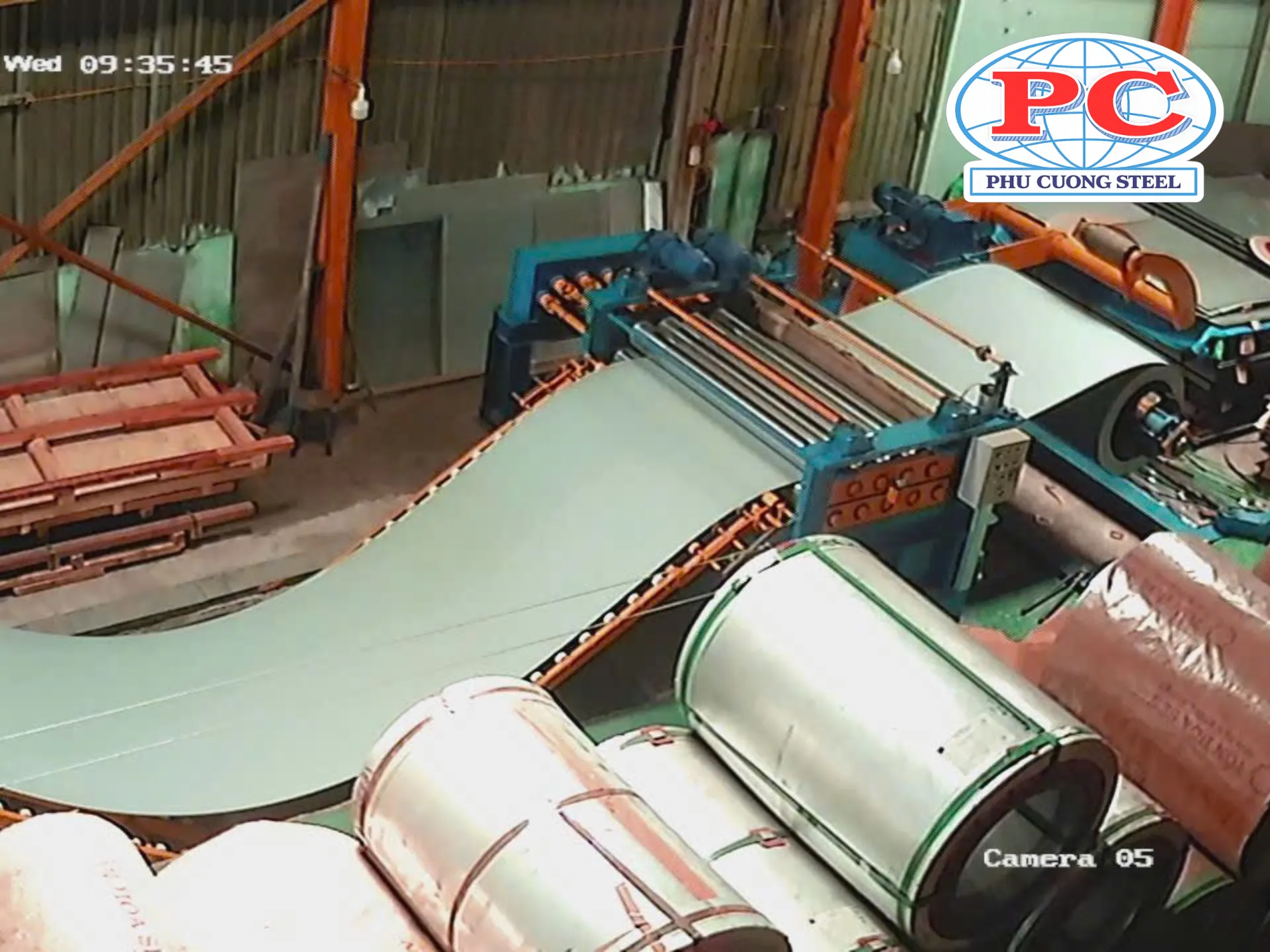
In addition to supplying materials, Phu Cuong also offers services such as coil unwinding, cutting to specifications, bending and stamping, in-warehouse fabrication, on-site delivery. Owning full machinery along with delivery trucks helps order processing be faster, more flexible and optimizes logistics costs for customers in District 12, Ho Chi Minh City and surrounding areas.
Contact information:
- Address: 2177C–2177D QL1A, Dong Hung Thuan Ward, District 12, HCMC
- Phone: 0933 919 899
- Email: tonthepphucuong@gmail.com
- Website: tonthepphucuong.com