What is the coating layer tolerance standard for Z120, Z180, Z275? Permissible tolerance in galvanised steel sheet
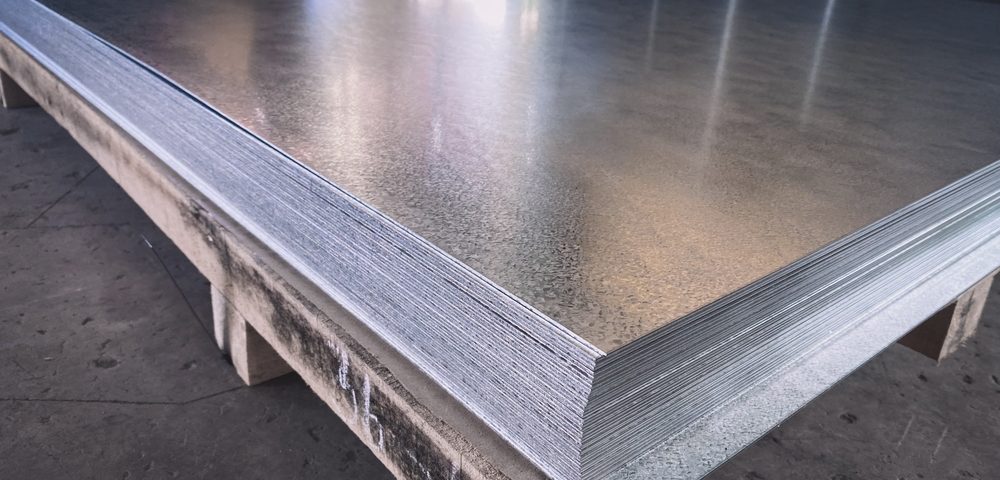
What is the Z symbol in galvanised steel sheet? Nature of the coating according to technical standards
In the galvanised steel industry, Z symbol is used to indicate the mass of the galvanised coating on the steel surface in units of g/m² (grams per square meter), calculated for the total of both sides of the steel sheet. This is a common symbol in international standards such as JIS (Japan), ASTM (USA), and EN (Europe).
Example:
- Z120 = total galvanised coating 120 g/m² on both sides
- Z180 = total galvanised coating 180 g/m²
- Z275 = total galvanised coating 275 g/m²
This coating mass is not thickness in mm, but the mass of zinc metal adhering to the steel surface after the hot-dip galvanizing process. From this mass, the coating thickness can be converted, however, the actual value will depend on the coating technology and the base steel composition.
For more details, you can refer to this article: What is Z galvanised coating? How do Z100, Z180, Z275 differ in steel sheet and steel?
Consult Z275 galvanised steel products here: GALVANISED STEEL SHEET Z275
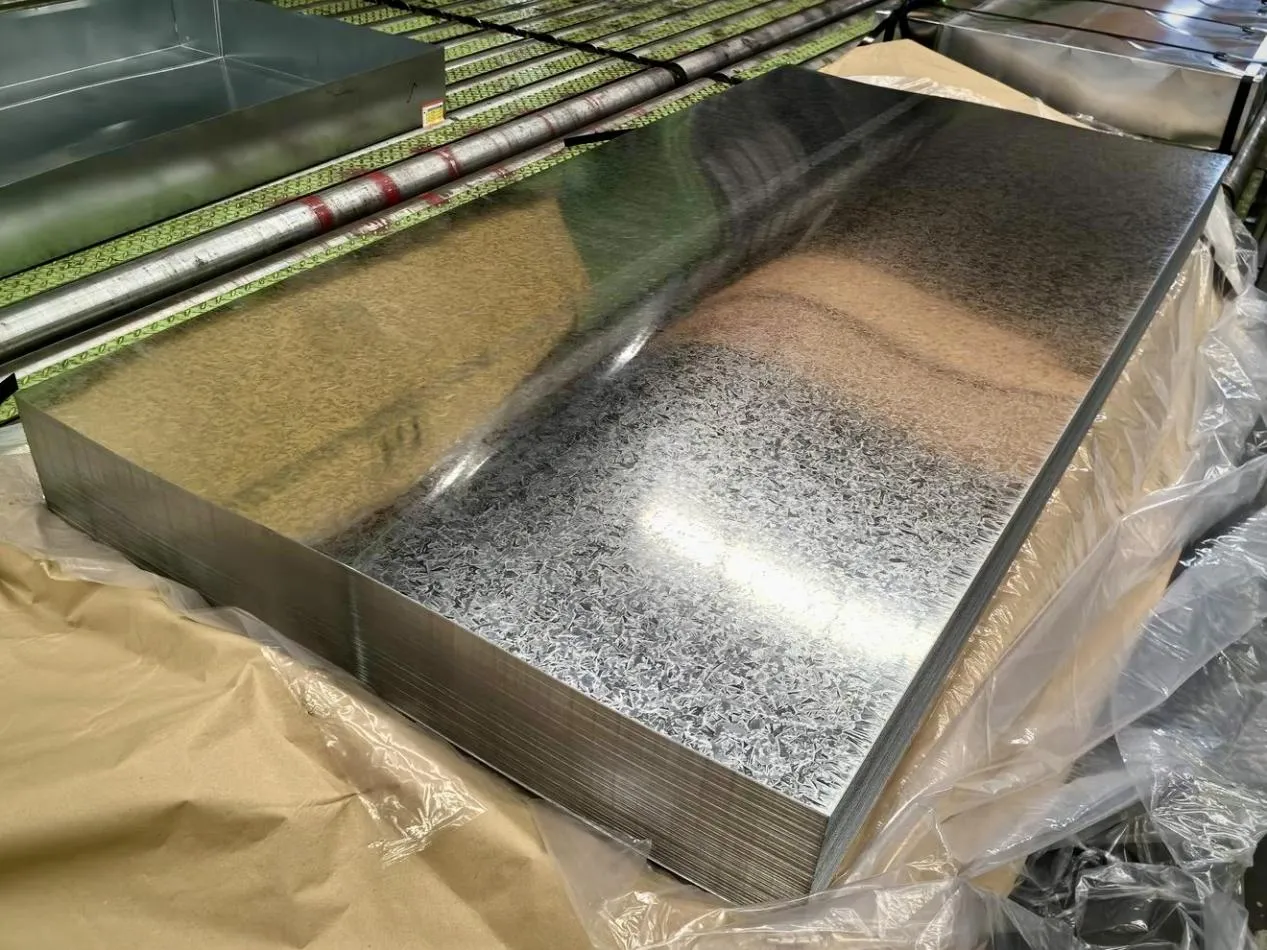
Why do standards use g/m² instead of mm?
The galvanised coating is formed through a metallurgical reaction between steel and molten zinc, creating Fe-Zn alloy layers adhering to the surface. This coating is not absolutely uniform in thickness, therefore international standards use mass per unit area (g/m²) instead of mm thickness to accurately assess the amount of zinc coated on the surface.
Typically, it can be approximately converted:
- Z120 ≈ 8–9 µm per side
- Z180 ≈ 12–13 µm per side
- Z275 ≈ 18–20 µm per side
However, actual values may vary depending on the mill and applicable standards.
In which standards is the Z symbol specified?
The Z symbol appears in many galvanised steel standard systems:
- JIS G3302 – Japanese standard
- ASTM A653 – American standard
- EN 10346 – European standard
- TCVN – Vietnamese standard
These standards specify:
- Minimum coating mass
- Permissible tolerance
- Coating inspection method
- Error limits
Therefore, with the same Z275 symbol, there may be deviations within permissible limits between different mills.
Misunderstanding Z275 is a very common mistake when buying galvanised steel sheet
Many people believe that Z275 means the coating is always exactly 275 g/m², however, in reality, the standard only requires a minimum average value and allows for deviations at each measurement point.
If not checked CO CQ or production standards, the material may be lower than required, leading to:
- Reduced rust resistance
- Short construction project lifespan
- Difficult acceptance
- Affects paint coating
Therefore, in the mechanical engineering, construction, steel door, and metal structure industries, correctly understanding the Z symbol is very important when reading quotations and selecting materials.
Why does the galvanised coating never exactly match the Z symbol?
In actual production, the galvanised coating on steel cannot exactly match nominal values like Z120, Z180, or Z275, but always has a certain deviation. This stems from the nature of the hot-dip galvanizing process, where the zinc layer is formed through a metallurgical reaction between the base steel and molten zinc at high temperatures.
During the coating process, the steel sheet is passed through a molten zinc bath, then through an air knife system to adjust the amount of zinc adhering to the surface. The remaining amount of zinc depends on many technological factors, so it cannot be kept absolutely precise to a fixed value.
Factors directly affecting the coating include:
- Temperature of the galvanised bath and alloy composition in the coating bath
- Running speed of the steel strip through the coating line
- Pressure and blowing angle of the air knife
- Roughness and chemical composition of the base steel
- Cooling and crystallization process of the galvanised layer
Because these factors always fluctuate within the permissible range of the production line, the actual coating at each position of the steel coil may differ, and even between the two sides of the same steel sheet, they are not entirely identical.
For this reason, international standards such as JIS, ASTM, or EN do not require the coating to be absolutely exact to the nominal value, but specify a minimum average value and permissible tolerance during inspection. For example, for Z275, the standard requires the average value to meet the specified level, but individual measurement points may be lower within permissible limits.
Understanding this principle is very important in the mechanical engineering, construction, and industrial manufacturing industries, as evaluating materials based solely on the Z symbol without checking standards and CO CQ certificates can lead to deviations in quality and construction project lifespan.
Why do standards use g/m² instead of mm?
The galvanised coating is formed through a metallurgical reaction between steel and molten zinc, creating Fe-Zn alloy layers adhering to the surface. This coating is not absolutely uniform in thickness, therefore international standards use mass per unit area (g/m²) instead of mm thickness to accurately assess the amount of zinc coated on the surface.
Typically, it can be approximately converted:
- Z120 ≈ 8–9 µm per side
- Z180 ≈ 12–13 µm per side
- Z275 ≈ 18–20 µm per side
However, actual values may vary depending on the mill and applicable standards.
In which standards is the Z symbol specified?
The Z symbol appears in many galvanised steel standard systems:
- JIS G3302 – Japanese standard
- ASTM A653 – American standard
- EN 10346 – European standard
- TCVN – Vietnamese standard
These standards specify:
- Minimum coating mass
- Permissible tolerance
- Coating inspection method
- Error limits
Therefore, with the same Z275 symbol, there may be deviations within permissible limits between different mills.
Misunderstanding Z275 is a very common mistake when buying galvanised steel sheet
Many people believe that Z275 means the coating is always exactly 275 g/m², however, in reality, the standard only requires a minimum average value and allows for deviations at each measurement point.
If CO CQ or production standards are not checked, the material may be lower than required, leading to:
- Reduced rust resistance
- Short construction project lifespan
- Difficult acceptance
- Affects paint coating
Therefore, in mechanical engineering, construction, steel doors, and metal structures, correctly understanding the Z symbol is very important when reading a quotation and selecting materials. The article What is galvanised steel sheet Z275? Should Z275 be used for all construction projects? will further elaborate on the above issue.
How to check if the galvanised coating meets Z120, Z180, Z275 standards
Since the galvanised coating cannot achieve absolute values at all locations, actual coating inspection must rely on standard measurement methods rather than just looking at the symbol on the quotation or steel coil label. In the steel industry, the coating is inspected by coating weight per unit area and confirmed through specialized measuring equipment or the manufacturer's quality certificate.
Common inspection methods include:

1. Inspection using a coating thickness gauge
Coating thickness gauges use magnetic or electromagnetic induction principles to determine the thickness of the galvanised layer on the steel surface. From the measured thickness value (µm), the coating weight can be converted to g/m².
- Measure at multiple locations on the sheet or coil
- Calculate the average value
- Compare with required standards
This method is commonly used for inspection at factories and construction projects.
2. Inspection according to the factory's CO CQ certificate
Each standard-compliant galvanised steel coil has a CO CQ certificate showing:
- Production standard (JIS / ASTM / EN)
- Coating symbol (Z120, Z180, Z275…)
- Coating inspection results
- Production lot number
- Manufacturing plant
In large construction projects, CO CQ is an important basis for material acceptance.
3. Inspection by weight measurement method
In some cases, the coating can be indirectly inspected by comparing the steel coil weight with theoretical values. If the coating is lower, the actual weight will be less than calculated.
However, this method is for reference only and cannot replace standard inspection.
4. Why you should not only trust the Z symbol on the quotation
In the actual market, even with Z275 indicated, the coating may differ due to:
- Different production standards
- Different manufacturing plants
- Different permissible tolerances
- Different base steel quality
Therefore, when purchasing materials for mechanical engineering, steel doors, workshops, or metal structures, it is necessary to check CO CQ and technical standards instead of relying solely on the Z symbol.
Ton Thep Phu Cuong – Supplier of standard-compliant galvanised steel sheet, with full CO CQ
In mechanical engineering, construction, steel door manufacturing, metal furniture, and industrial structures, selecting the correct material according to coating standards such as Z120, Z180, Z275 is a crucial factor determining product durability and lifespan. However, in today's market, even with the same coating symbol, the actual quality may vary depending on the production standard, permissible tolerance, and supplier.

Therefore, many contractors and mechanical workshops prioritize choosing suppliers who can control material specifications, provide full CO CQ, and ensure compliance with technical standards, especially for construction projects requiring acceptance or production according to drawings.
Ton Thep Phu Cuong is a specialized supplier of galvanised steel sheet, electro-galvanised steel, cold-rolled steel to B2B customers in Ho Chi Minh City and neighboring provinces, with strengths in readily available stock, diverse specifications, and direct fabrication capabilities at the workshop.
- Supply standard-compliant galvanised steel sheet Z120, Z180, Z275
- Available in large widths from 1000mm – 1250mm – 1500mm (rare in the market)
- Accepts custom cutting, coil slitting, bending, steel flat bar cutting as required
- Synchronized fabrication machinery system, high precision
- Products with correct thickness, correct galvanised coating, full CO CQ
- Large warehouse in District 12, fast delivery to Ho Chi Minh City and provinces
- Own transport trucks, proactive in construction project progress
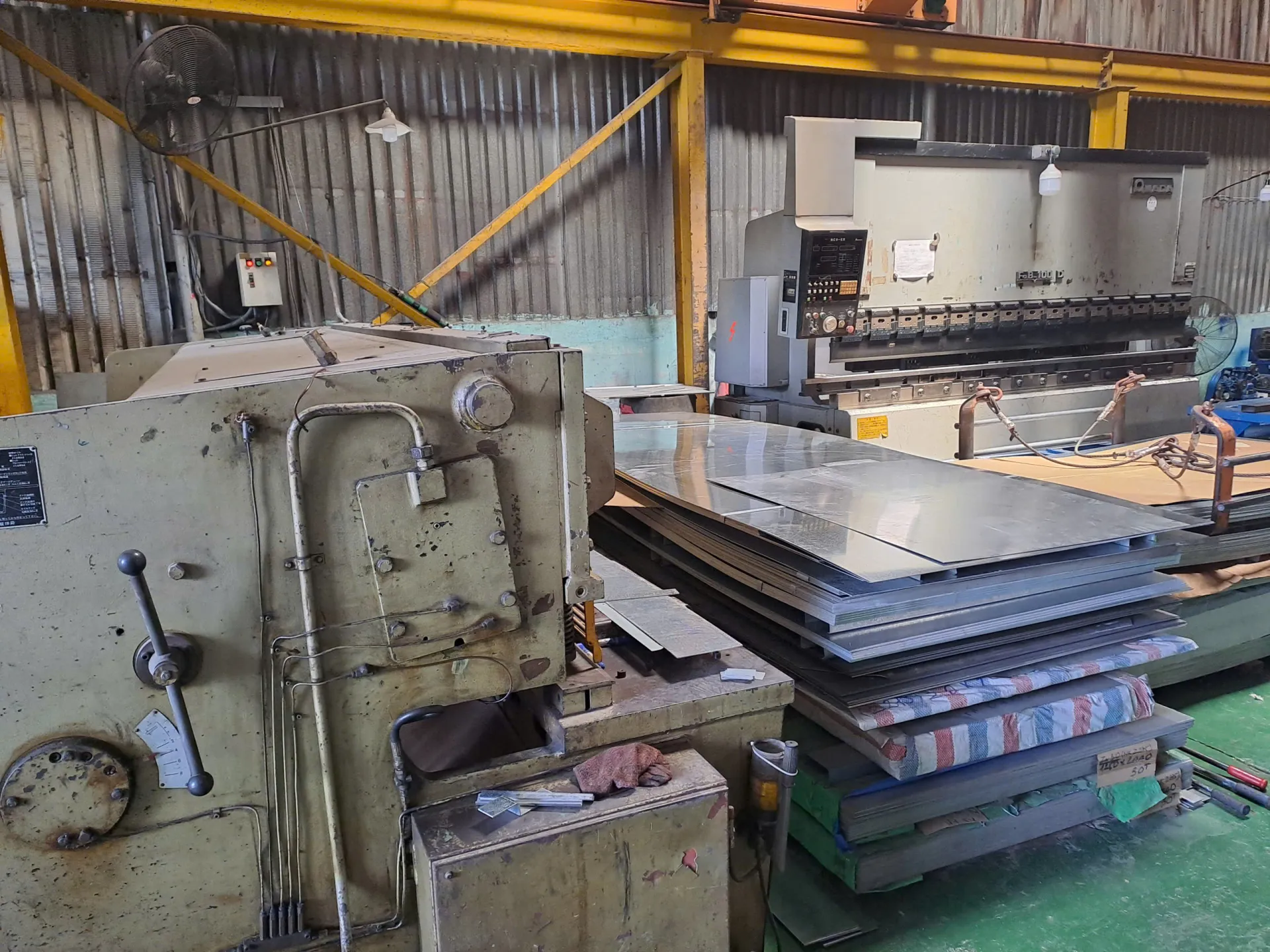
With the motto “Quality builds brand – Accompanying every construction project”, Ton Thep Phu Cuong not only supplies materials but also provides technical support to help customers choose the correct specifications, standards, and optimize production costs.
- Address: 2177C – 2177D National Highway 1A, Dong Hung Thuan Ward, District 12, Ho Chi Minh City
- Hotline: 0933 919 899
- Email: tonthepphucuong@gmail.com
- Website: tonthepphucuong.com
See more related articles:
- Steel Prices Fall While Iron Ore Rises Due to Australian Supply Disruptions – Volatile Metal Market
- What is galvanised steel sheet 1500mm width? Advantages of Using Large Width 1500 galvanised steel sheet in Fabrication and Construction
- Does electro-galvanised steel rust? Comparing SECC, EG, EG steel sheet and galvanised steel sheet in real-world environments
- Differentiating Sumikin, Dong A, Hoa Sen, Nam Kim galvanised steel sheet – Which type to choose for construction projects?
- What is galvanised steel sheet? Detailed analysis from structure, advantages to practical applications in construction