What is galvanised steel sheet? Structure, classification, advantages and applications in modern construction
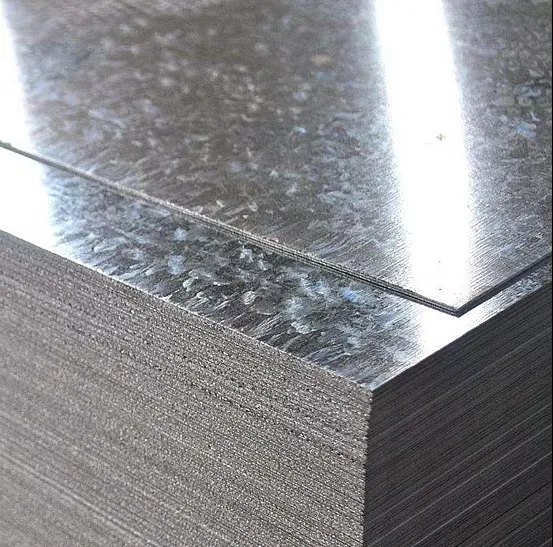
What is galvanised steel sheet? Full concept according to metal material standards
Galvanised steel sheet is a type of steel sheet or steel coil coated with a zinc (Zn) layer on the surface by metal plating method to increase corrosion resistance, oxidation resistance, and extend the lifespan of the material when working in air, water, chemical, or outdoor environments.
In international material standards, galvanised steel sheet is called Galvanized Steel or GI (Galvanized Iron), where the zinc layer is coated onto the base steel by hot-dip galvanising or electro-galvanising method to form a sacrificial protective layer, helping the inner steel not to rust.
Essentially, galvanised steel sheet is not a pure metal but a type of metal composite material consisting of two components:
- Base steel with high mechanical strength
- Galvanised coating layer with corrosion resistance
This combination helps the material to withstand force well and also has rust resistance, therefore galvanised steel sheet is widely used in construction, mechanical engineering, steel structures, factories, transportation, refrigeration, and many other industries.
VIEW NOW GALVANISED STEEL SHEET PRODUCT DETAILS HERE:
- GALVANISED STEEL SHEET (SGCC - SECC)
- GALVANISED STEEL SHEET Z275
- VARIOUS TYPES OF STEEL SHEET - STEEL WITH WIDTH LARGER THAN 1500
Protection principle of the galvanised coating layer
Zinc is a metal with a lower electrode potential than iron, therefore when galvanised steel comes into contact with the environment, zinc will be oxidised first, while the inner steel is protected.
This mechanism is called electrochemical protection or sacrificial protection, and this is the reason why galvanised steel sheet has a much longer lifespan than ordinary steel.
When the zinc layer is scratched, the surrounding zinc still continues to protect the exposed steel part, helping to limit rust spread.
Concept of galvanised steel sheet according to industrial standards
In the steel sheet industry, galvanised steel sheet is defined according to international standards such as:
- JIS G3302 (Japan)
- ASTM A653 (USA)
- EN 10346 (Europe)
- TCVN (Vietnam)
These standards clearly specify:
- Base steel thickness
- Mass of galvanised coating layer
- Coating layer adhesion
- Tensile strength
- Bending capability
- Corrosion resistance
The galvanised coating layer is usually denoted by the letter Z, for example:
- Z100
- Z180
- Z275 (For more details, see this article: What is galvanised steel sheet Z275? Should Z275 be used for all construction projects?)
- Z350
The larger the number, the more zinc, the higher the rust resistance.
Distinguish galvanised steel sheet from other types of steel sheet
Many people confuse galvanised steel sheet with galvalume steel sheet or electro-galvanised steel sheet, however these are different materials.
- Galvanised steel sheet → galvanised Zn
- Galvalume steel sheet → aluminium-zinc alloy coating
- Electro-galvanised steel sheet → electrolytic plating
- Oiled steel sheet → uncoated cold-rolled steel
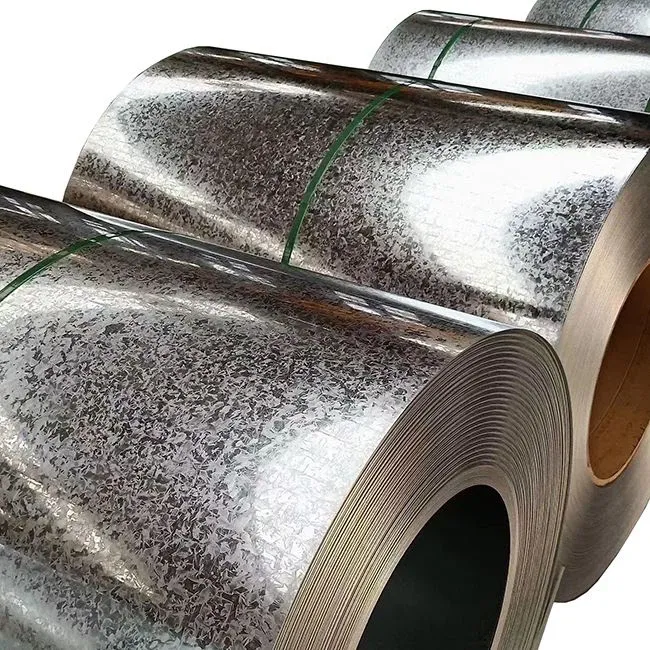
Galvanised steel sheet usually has a bright silver color, the surface has characteristic zinc spangles when hot-dip galvanised.
Role of galvanised steel sheet in modern construction industry
In current construction, galvanised steel sheet is considered a base material for many other product types such as:
- Corrugated steel sheet
- Roofing steel sheet
- Square corrugated steel sheet
- Color-coated steel sheet
- EG steel sheet / GA
- Galvalume steel sheet
Most types of steel sheet used in factories, pre-engineered buildings, steel structures, ventilation systems, traffic signs are produced from galvanised steel.
Thanks to its rust resistance, good load-bearing capacity, and easy fabrication, galvanised steel sheet remains the most widely used metal material in the current construction and mechanical engineering industries.
Structure of galvanised steel sheet according to industrial standards
Galvanised steel sheet is not just steel coated with zinc, but a multi-layered metal material produced according to strict metallurgical processes to ensure mechanical strength, corrosion resistance, and stability in long-term use environments.
According to the production standard for hot-dip galvanised steel sheet, the material usually consists of the following main layers:
- Base steel layer (Base steel)
- Fe-Zn alloy layer
- Pure zinc layer
- Passivation layer
- Anti-oxidation oil layer (depending on type)
Each layer has its own role and directly affects the lifespan of the material.
1. Base steel layer (Base metal)
The base steel layer is the main load-bearing component of galvanised steel sheet, usually produced from cold-rolled steel (CR) or hot-rolled steel (HR), then surface-treated before coating.
Base steel must meet the following requirements:
- High tensile strength
- Good ductility
- No cracking when bent
- Surface free of oil and oxides
If the base steel is of poor quality, the galvanised coating layer will not adhere firmly and will easily peel off.
Base steel thickness determines the hardness and load-bearing capacity of the steel sheet.
2. Iron-zinc alloy layer (Fe-Zn alloy layer)
When steel is immersed in a molten galvanised bath, a diffusion reaction occurs between iron and galvanised, forming an Fe-Zn alloy layer.
This alloy layer helps:
- Increase adhesion between galvanised and steel
- Increase durability of the galvanised layer
- Prevent peeling
This is a very important layer in hot-dip galvanised steel sheet.
If this layer is unstable, the steel sheet will easily peel off the galvanised layer when bent or cut.
3. Pure galvanised layer (Zinc coating)
The outer galvanised layer is the main protective layer that helps prevent corrosion for steel.
Galvanised has the ability to:
- Resist oxidation
- Resist rust
- Electrochemical protection
- Self-sacrifice to protect steel
When steel is scratched, galvanised will oxidize first, helping to prevent rust from spreading on the steel.
The mass of the galvanised layer is calculated in g/m2 and denoted by Z.
| Symbol | Galvanised quantity | Rust resistance |
|---|---|---|
| Z100 | 100 g/m2 | Low |
| Z180 | 180 g/m2 | Medium |
| Z275 | 275 g/m2 | High |
| Z350 | 350 g/m2 | Very high |
The thicker the galvanised layer, the longer the steel sheet's lifespan, especially when used outdoors or in humid environments.
4. Passivation layer
After galvanised, the surface is usually passivated to limit white oxidation.
This layer is very thin but has the role of:
- Prevent white staining
- Keep surface bright
- Increase lifespan of the galvanised layer
- Reduce reaction with environment
Without a passivation layer, the steel sheet will quickly tarnish when exposed to humid air.
5. Protective oil layer (Oil coating)
Some types of galvanised steel sheet are coated with an additional anti-rust oil layer for protection during transport and storage.
The oil layer helps:
- Limit oxidation
- Reduce scratches
- Easy fabrication
- Keep surface bright
However, the oil layer will be removed during painting or further fabrication.
Multi-layer structure gives galvanised steel sheet a long lifespan
Thanks to its multi-layer protective structure, galvanised steel sheet has a lifespan 5 to 10 times longer than ordinary steel, depending on the thickness of the galvanised layer and the environment of use.
This is why galvanised steel sheet is widely used in:
- Workshops
- Steel structures
- Traffic signs
- Ventilation systems
- Mechanical fabrication
- Outdoor construction project execution
Currently, for construction projects requiring a long lifespan, galvanised steel sheet with a galvanised layer of Z180 or higher, or Z275, is often chosen to ensure long-term durability.
What are the galvanised layer standards Z100 – Z180 – Z275?
The galvanised layer is measured in g/m2, denoted by Z.
| Symbol | Galvanised quantity | Application |
|---|---|---|
| Z100 | 100 g/m2 | Indoor fabrication |
| Z180 | 180 g/m2 | Civil construction |
| Z275 | 275 g/m2 | Workshops, industrial |
The higher the Z, the better the rust resistance.
Classification of galvanised steel sheet
Galvanised steel sheet coil
Used for fabrication plants, uncoiling, roll forming, stamping.
Galvanised steel sheet plate
Used in construction, mechanical engineering, structures.
Large width galvanised steel sheet
Width 1250mm – 1500mm – 1800mm. Helps reduce material loss.
Thin galvanised steel sheet
0.3 – 0.5mm used for domestic use.
Thick galvanised steel sheet
0.8 – 3.0mm used for structures.
Advantages of galvanised steel sheet
- Good rust resistance
- Long lifespan
- Easy to fabricate
- Reasonable cost
- Good strength
- Diverse applications
Compared to black steel, galvanised steel sheet has a lifespan many times longer.
VIEW GALVANISED STEEL SHEET PRODUCT DETAILS HERE:
- GALVANISED STEEL SHEET (SGCC - SECC)
- GALVANISED STEEL SHEET Z275
- STEEL SHEET - STEEL OF VARIOUS TYPES WITH WIDTHS LARGER THAN 1500
- What is galvanised steel sheet Z275? Should Z275 be used for all construction projects?
Applications of galvanised steel sheet
In construction
- Roofs
- Partitions
- Steel frames
- Pre-engineered buildings
In mechanical engineering
- Parts fabrication
- Air ducts
- Machine casings
In industry
- Workshops
- Steel structures
- Cold storage
In transportation
- Signboards
- Handrails
- Guardrails
How to choose the correct galvanised steel sheet for a construction project
Note:
- Actual thickness
- Galvanised coating layer
- Steel sheet width
- Production standards
- CO CQ
Choosing the wrong coating layer will make the construction project rust quickly.
Large width galvanised steel sheet – a new trend in construction
Large width helps:
- Reduce joints
- Reduce wastage
- Fast construction
- Save costs
Currently, widths of 1500mm and above are quite rare in the market.
Phu Cuong Steel Sheet & Steel – Leading Reputable Large Width Steel Sheet Distributor
Phu Cuong Steel Sheet & Steel specializes in supplying galvanised steel sheet, EG steel sheet, GA steel sheet, especially available in large widths from 1000mm to over 1500mm, suitable for workshops, industrial projects, and mechanical fabrication.
- Has a workshop for coil slitting – bending – stamping
- Products with correct thickness
- Cutting as per request
- Fast delivery
- Full CO CQ
Address: 2177C – 2177D QL1A, District 12, Ho Chi Minh City
Hotline: 0933 919 899
Website: tonthepphucuong.com
VIEW GALVANISED STEEL SHEET PRODUCT DETAILS HERE:
- GALVANISED STEEL SHEET (SGCC - SECC)
- GALVANISED STEEL SHEET Z275
- STEEL SHEET - STEEL OF VARIOUS TYPES WITH WIDTHS LARGER THAN 1500
See more articles with related content:
- What is GA electro-galvanised steel sheet? Structure, SECC – GA standards, and applications in industry
- What Is Cold-rolled steel? What Is CR Oiled Steel Sheet? Distinguish Between Hot-rolled steel And Cold-rolled In Steel Sheet & Steel Fabrication
- What is EG steel sheet? Advantages, applications, and how to choose the correct electro-galvanised steel sheet SECC – GA in construction
- What is 1500mm large width galvanised steel sheet? Why is it increasingly prioritized by contractors?