What is Protective Oil on Steel Sheet and Steel? When is it needed, when must oil be removed before fabrication?
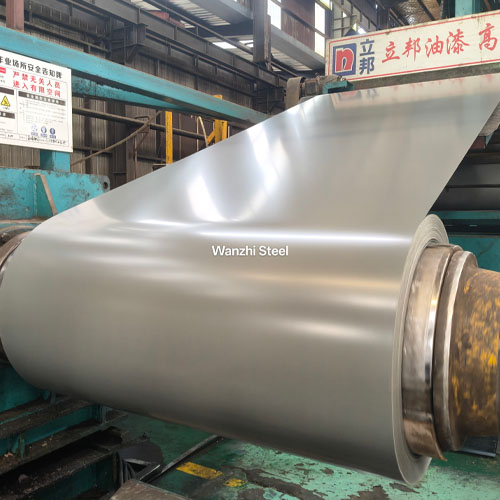
In the steel sheet and steel industry, especially for materials such as galvanised steel sheet, electro-galvanised steel sheet EG, GA or cold-rolled steel, many customers will notice a very thin layer of oil on the surface when receiving goods. Some believe this is a sign of old, dirty goods or material “sweating”. In reality, this assessment is not accurate. In many cases, that oil layer is a temporary protective oil used by the factory or fabrication unit to support the material surface during storage, packaging, transportation, and subsequent processing.
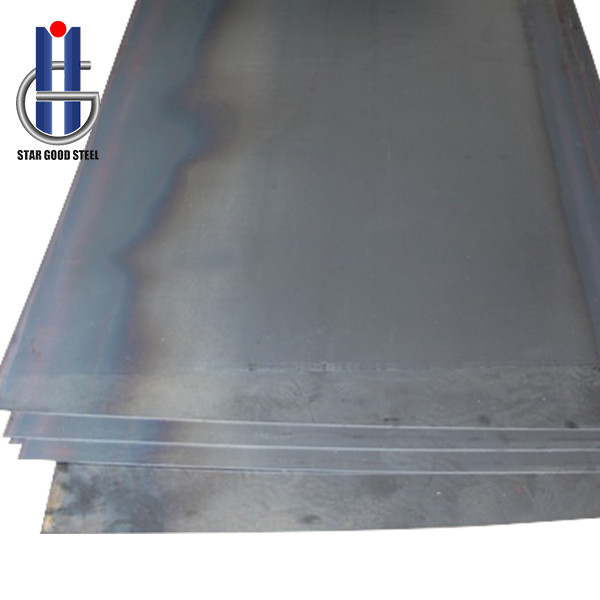
It is important to understand correctly: protective oil is not a permanent coating and not an absolute anti-rust solution. It is only a short-term support layer, helping to reduce the risk of the surface being affected during the movement of goods from warehouse to workshop, from workshop to construction project, or while awaiting fabrication. If the nature of this oil layer is misunderstood, businesses may encounter many problems such as retaining oil when it should be removed, or removing oil too early, causing the surface to lose the necessary support layer before production.
1. What is protective oil on steel sheet and steel?
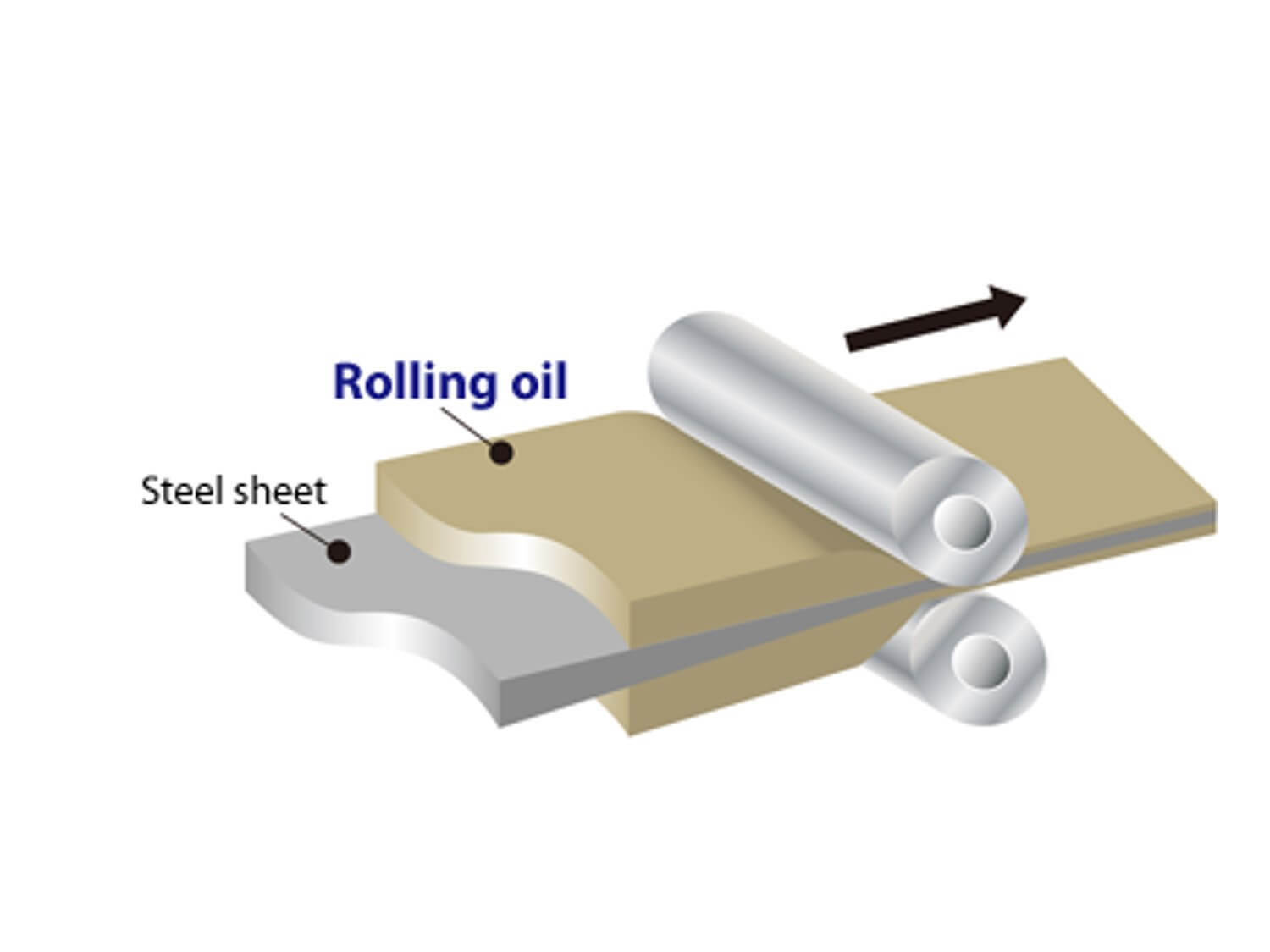
Protective oil is a thin layer of oil applied to the metal surface to create a temporary barrier between the steel or plating layer and the external environment. The main purpose of this oil layer is to reduce the risk of direct contact with moisture, fingerprints, dirt, or some minor mechanical impacts during handling. Depending on the material type, the oil can be very thin, almost invisible to the naked eye, only creating a slightly slippery feel when touching the surface.
In commercial practice, buyers often encounter protective oil on batches of cold-rolled steel, electro-galvanised steel, galvanised steel, or materials that need to maintain a relatively clean surface appearance before further fabrication. For customer groups working with mechanical engineering, electrical cabinets, metal doors, steel furniture, cable trays, stamped accessories or details requiring a stable surface, the presence or absence of protective oil will significantly affect subsequent production operations.
It is also necessary to clearly distinguish between protective oil and other surface treatment layers. Protective oil is not synonymous with a passivation layer, not synonymous with a high-tech anti-fingerprint layer, nor does it replace a primer or a finish coat. It is only a short-term support solution, which can be retained in some stages but may also need to be removed before steps such as painting, bonding, printing, or surface finishing.
See more related articles: How to Measure Galvanised Coating at Construction Project: Avoid Errors When Checking Z100, Z180, Z275
2. Why do materials have protective oil?
The first reason is intermediate rust prevention during storage and transportation. Steel sheet and steel, especially plated or cold-rolled surfaces with a good appearance, are very susceptible to damage when exposed to humid environments, hand sweat, condensed water vapor, or unsuitable packaging conditions. A thin layer of oil can reduce direct contact with these agents, thereby helping the surface remain more stable for a short period.
See more related articles: Why steel sheet gets scratched during transportation and how to effectively fix it
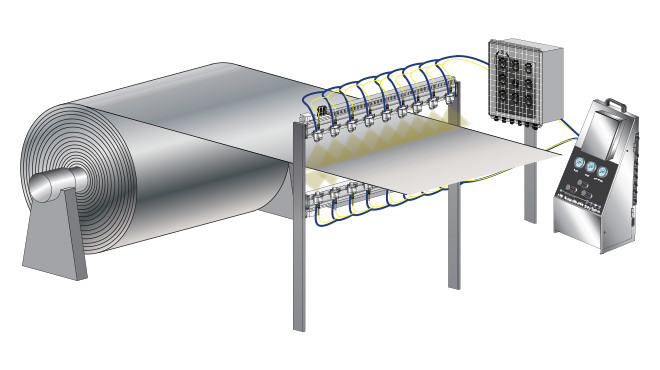
The second reason is to limit fingerprints and minor scratches due to handling. For materials used in products where the surface is visible, such as electrical cabinet enclosures, thin mechanical parts, metal furniture accessories, or some household components, the material's appearance is very important. When workers load/unload, uncoil, cut sheets, or transfer blanks through various stages, protective oil helps the surface to be less prone to fingerprints or dry friction causing hairline scratches.
The third reason is to provide lubrication during forming fabrication. When the material goes through stamping, rolling, bending, or drawing processes, the surface slipperiness affects mold friction, edge quality, and operational stability. Protective oil cannot always replace specialized processing oil, but in many cases, it helps the material “run smoother”, reduces surface dragging, or somewhat limits the risk of scratches during operation.
3. What are the practical uses of protective oil?
The first use is short-term surface protection. This is very important for businesses that purchase materials but do not immediately put them into production. In warehouses with limited ventilation or when goods have to go through multiple transport stages, a thin oil layer helps the surface remain more stable compared to completely dry goods. For entities that buy large quantities and then divide them into batches for gradual production, this is a significant benefit.
The second use is to help maintain surface aesthetics before finishing fabrication. Many customers only look at the thickness and selling price, forgetting that a beautiful, clean, and scratch-free surface is also a quality criterion. If materials are used for exposed parts, just a few scratches or surface mold can reduce the value of the finished product. Protective oil helps mitigate this risk in the initial stage.
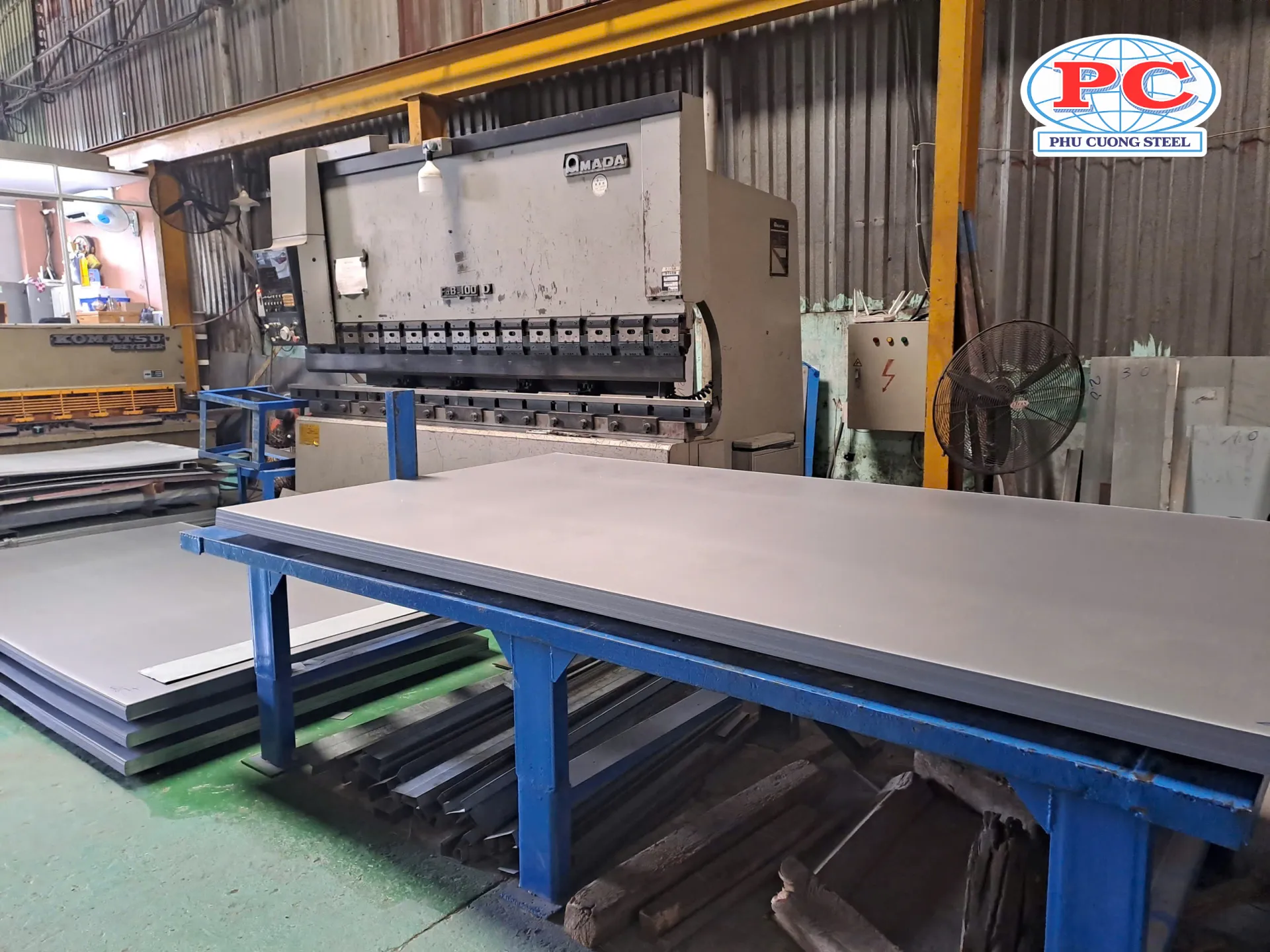
The third use is to facilitate certain mechanical fabrication processes. In a workshop setting, blanks with moderate slipperiness are generally easier to handle than overly dry blanks. This is especially significant when businesses perform mass fabrication, requiring consistency between batches. When the surface is consistent, machine operations and operator handling are also more uniform.
4. What protective oil cannot do?
This is where many people misunderstand. Protective oil is not a permanent anti-rust layer. If the material is left out in the rain, placed in a prolonged humid environment, has water trapped between steel sheet layers, or is stored close to a damp floor, that thin oil layer cannot “save” the surface from the risk of stains, mold, or localized corrosion. Especially with galvanised steel sheet or electro-galvanised, prolonged moisture retention can cause storage stains, white rust, or degrade the surface.
Protective oil also does not mean that the material can skip the cleaning step before painting or bonding. In many applications, if the oil is retained without proper surface treatment, paint adhesion may be poor, glue stickiness may decrease, and joints may not achieve the desired quality. In other words, protective oil is useful in the pre-fabrication stage, but if it goes into surface finishing, it may become a factor that needs to be removed.
Furthermore, protective oil is not the only criterion for evaluating material quality. The presence of oil does not absolutely mean better steel; the absence of oil also does not mean poor quality goods. True quality also lies in the steel substrate, plating layer, actual thickness, surface uniformity, tolerance, material origin, and suitability for the business's fabrication needs.
5. When should protective oil be retained?
Oil should be retained when the material is not immediately put into painting, bonding, or surface finishing stages, especially if the goods still need short-term storage or further transportation to another workshop. In cases where the business is waiting for cutting and slitting schedules, stamping, or waiting to combine production batches, retaining the oil will be more beneficial than cleaning it completely too early.
Oil should be retained when the priority is surface preservation during coil splitting, sheet cutting, internal transportation, or manual handling. Mechanical workshops working with small and medium volumes often have multiple loading and unloading operations, making the surface prone to hand contact and friction. In such cases, protective oil is a reasonable support layer.
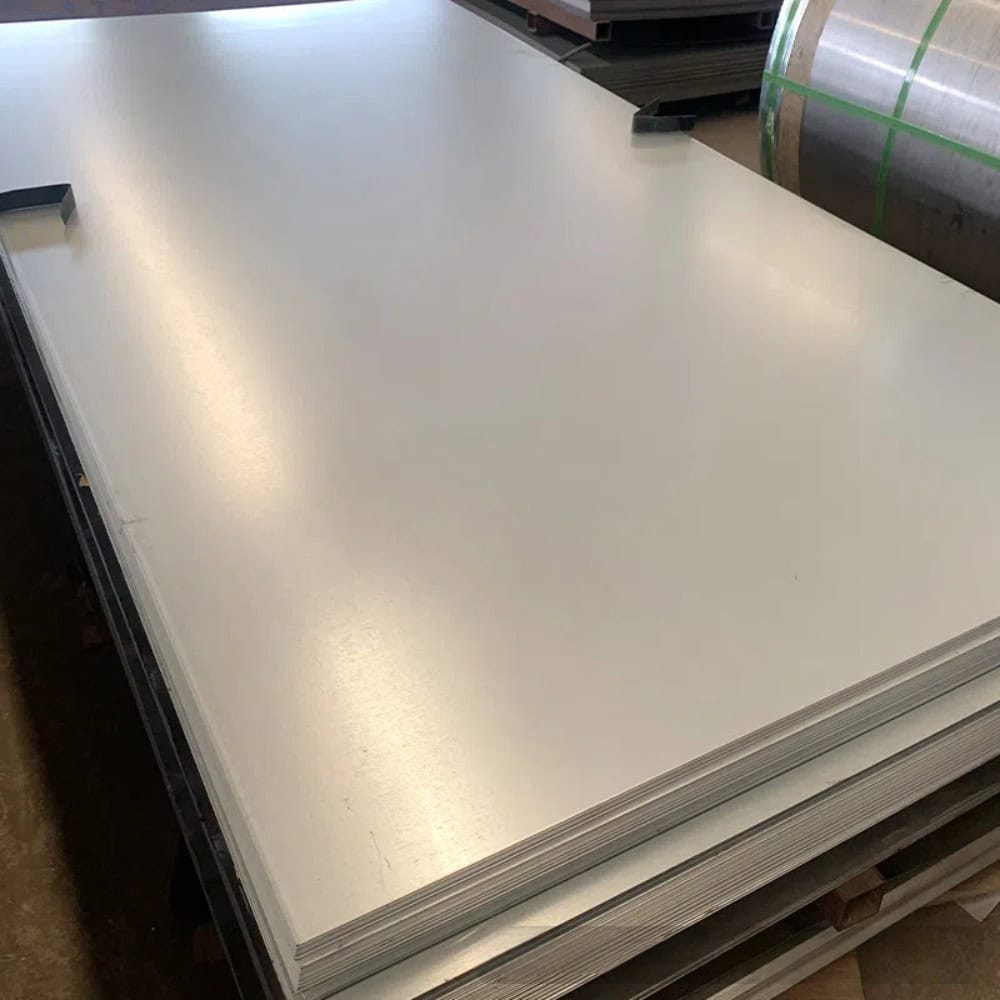
Additionally, for some basic forming stages, retaining a thin oil layer also helps reduce initial friction. However, this needs to be evaluated for each specific production line. If the production technology already has its own processing oil system or requires a very clean surface before the machine, businesses should agree on processing standards from the outset to avoid acting on intuition.
6. When must oil be removed before fabrication?
Businesses should remove oil when the material is about to enter stages requiring high surface cleanliness, such as powder coating, liquid painting, surface printing, film bonding, technical adhesive bonding, or certain types of welding and joining that require control of surface contamination. If oil is not removed correctly, the top finish may be affected in terms of adhesion, uniformity, or aesthetics.
In applications using industrial adhesives, technical tapes, or foam tape, oily surfaces often reduce adhesion from the outset. Similarly, in finish painting, residual oil can create paint shrinkage defects, pinholes, or localized peeling. For semi-finished products targeting customers who demand high aesthetic appearance, the surface cleaning step is almost mandatory.
However, oil removal must also be done at the right time. If cleaned too early and then left in storage for a long time, the surface may lose its temporary support layer and again face the risk of mold and mildew. The most reasonable approach is to arrange oil removal close to the stage requiring a clean surface, rather than removing it upon receipt of goods and then waiting for production.
7. Common risks when misunderstanding protective oil
The first risk is that customers see an oily surface and immediately think it's a defective product, then demand it be completely cleaned before warehousing. If the warehouse is not dry enough or the goods are not used immediately, this decision can make the material surface more susceptible to damage during storage.
The second risk is retaining the oil when the next stage requires a clean surface. This is a common mistake in small workshops that lack a unified process between purchasing, warehousing, and production. The result is that adhesion defects are only discovered during painting, bonding, or finishing, leading to wasted time and an increased rate of defective goods.
The third risk is using oily material but storing it incorrectly, for example, placing it close to the ground, sealing it in humid conditions, or allowing water to seep between the sheet layers. In such cases, many mistakenly believe “it's okay because it has oil”, while in reality, prolonged moisture retention is the major cause of surface damage.
8. How to correctly store materials with protective oil
First, always prioritize dry, airy warehouses and avoid temperature differences that cause condensation. This is a basic principle that many entities overlook. Steel sheet and steel are not only afraid of direct rain but also of silent condensation inside packages or between stacked layers.
Second, do not place materials close to a damp floor and do not leave torn packaging for extended periods. If the goods are coils or sheet bundles, proper use of pallets, wooden supports, or racks helps reduce the risk of moisture absorption from the warehouse floor. For opened packages, a plan for early use should be in place, and careless re-packaging should be avoided.
Third, if goods have been de-oiled in preparation for painting or bonding, they should be moved to the next stage as soon as possible. The surface after de-oiling is cleaner but also more “sensitive” to the environment. Therefore, managing the time between stages is a very important factor.
9. Phu Cuong Steel Sheet and Steel – Leading Reputable Large-Width Steel Sheet Distributor
For customers in mechanical engineering, doors, metal furniture, electrical cabinet fabrication, or units requiring stable materials for production, correctly understanding the surface condition, such as the presence or absence of protective oil, is only one part. More importantly, it is to choose a supplier who can advise on the right type of material, the right surface, the right specifications, and the right stage of use. This is also why many customers prioritize working with experienced suppliers rather than just buying goods based on quotations.

Phu Cuong Steel Sheet and Steel – Partnering with Every Construction Project with the motto Quality Makes the Brand, currently supplies materials such as EG steel sheet, GA steel sheet, galvanised steel sheet along with various specifications serving mechanical, industrial, and construction production. The company has advantages in terms of large warehouse, billet source from genuine factory, especially capable of meeting specifications and material widths suitable for the actual needs of the production workshop.
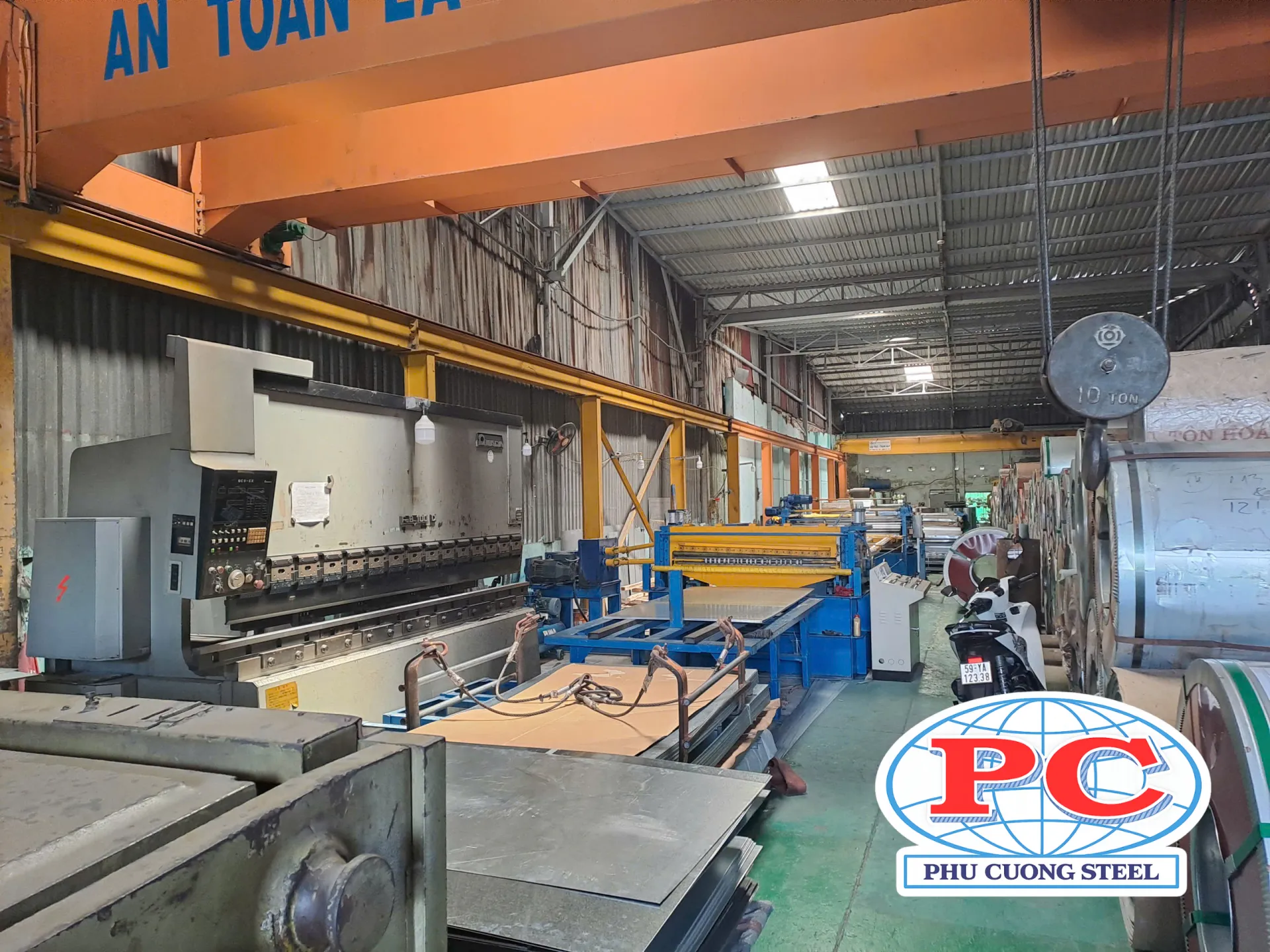
In addition to supplying materials, Phu Cuong also has a system of new technology coil slitting – stamping and bending machines, supporting cutting to specification, coil slitting, stamping and bending, fabrication at the warehouse helping customers shorten blank preparation time. The team of technicians has practical experience, understands drawings and fabrication requirements, supporting businesses in choosing materials more suitable for each intended use. Thanks to proactive machinery and processes, goods are cut flat and beautifully, to specification, limiting scratches and reducing intermediate costs.
Another advantage of Phu Cuong Steel Sheet and Steel is owning its own delivery trucks, helping optimize time and logistics costs for customers in District 12, Ho Chi Minh City, and surrounding areas. For urgent orders or those requiring coordination between material supply and preliminary fabrication at the warehouse, this is a very practical plus for manufacturing customers.
If you are looking for a source of EG steel sheet, GA, galvanised steel sheet or need a unit to support coil slitting, cutting to specification, stamping and bending, on-site fabrication, Phu Cuong Steel Sheet and Steel is a worthwhile option for businesses needing stability in quality, progress, and technical consultation.
Contact information:
Phu Cuong Steel Sheet and Steel
Address: 2177C–2177D National Highway 1A, Dong Hung Thuan Ward, District 12, Ho Chi Minh City
Phone: 0933 919 899
Email: tonthepphucuong@gmail.com
Website: tonthepphucuong.com
See more articles on the same topic:
- Where to Buy Steel Sheet and Steel in District 12? Suggestions for Suppliers with Stock, Fabrication, and Fast Delivery
- Why do electro-galvanised steel sheets have different paint adhesion? A perspective from surface, coating, and fabrication process
- Can galvanised steel sheet be welded? Technical facts many workshops don't understand
- Galvanised Hoa Sen Z120: Characteristics, Applications And Notes When Using
- Why Is The Steel Sheet Cut Out Skewed? Correct Understanding of Diagonal Error In Steel Sheet Fabrication