Why does electrostatic paint peel off? Causes from steel sheet material many workshops overlook
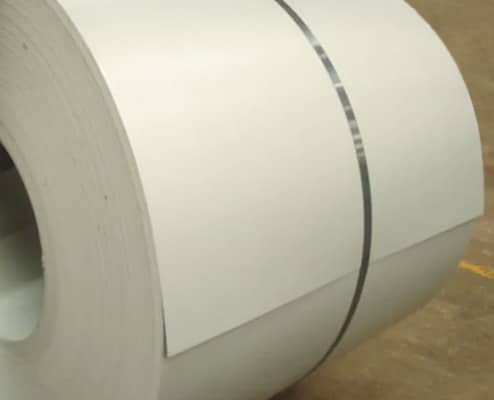
1. What is powder coating? Why do steel sheet materials directly affect the durability of the paint layer?
Powder coating is a method of applying charged powder paint to a metal surface, then heating it at high temperatures for the paint layer to melt and adhere firmly to the material. This method is widely used in the production of steel doors, railings, metal furniture, electrical cabinets, machine casings, and mechanical products due to its high durability, beautiful surface, and good corrosion resistance.
However, the durability of the powder coating layer not only depends on the painting process but also largely on the type of steel sheet material used. If the material is unsuitable, the paint layer may peel, blister, crack, or rust from within, even if the painting process is technically correct.
1.1 Adhesion principle of powder coating
During the powder coating process, the paint powder is charged and adheres to the metal surface. After being placed in a drying oven, the powder layer melts and forms a coating that bonds tightly to the steel surface. For the paint layer to adhere firmly, the metal surface must meet the following conditions:
- Surface free of oil and not oxidized
- The plating layer must be uniform
- No rust before painting
- No warping after fabrication
- No impurities on the surface
If any of the above factors are not met, the paint layer will not adhere firmly and will easily peel during use.
1.2 Why steel sheet material determines paint layer durability
Each type of steel sheet has a different surface structure, leading to different paint adhesion capabilities. Materials with smooth surfaces, uniform and stable plating layers will help the paint layer adhere more firmly, while steel types with rough surfaces, uneven plating layers, or those prone to oxidation will reduce the durability of the paint layer.
In the steel door and mechanical engineering industry, commonly used materials include:
- electro-galvanised steel (EG, SECC)
- EG steel sheet, GA
- cold-rolled steel
- galvanised steel sheet
- Black steel
Among these, electro-galvanised steel and EG steel sheet are considered most suitable for powder coating due to their smooth surface, uniform plating layer, and good paint adhesion.
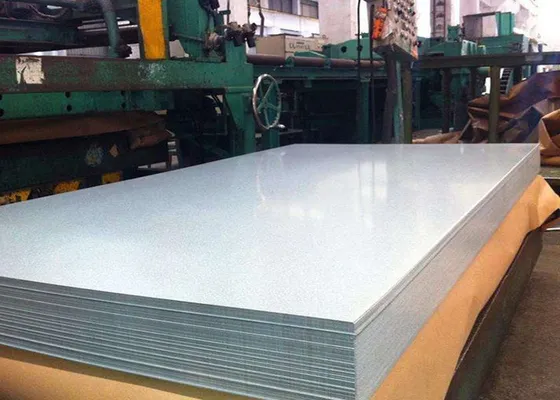
1.3 Incorrect material is the cause of powder coating peeling
In many cases, product paint peeling is not due to a painting error but due to choosing the wrong material from the start. For example, using galvanised steel sheet for products requiring powder coating or using steel of unknown origin can cause the paint layer not to adhere firmly and to rust quickly.
Therefore, in the production of steel doors, railings, metal furniture, and mechanical products, choosing the correct type of steel sheet from the outset is a decisive factor for the durability of the product after painting.
Why does powder coating peel? The cause is from steel sheet materials many workshops overlook
Powder coating is widely used in the production of steel doors, railings, metal furniture, electrical cabinets, and mechanical products. However, in practice, many products peel, blister, or rust at the edges shortly after painting. The cause is not always due to painting technique, but very often stems from choosing the wrong steel sheet material from the start.
2. Powder coating requires a stable steel surface
Whether powder coating adheres well depends heavily on the metal surface. If the surface is not clean, the plating layer is uneven, or the steel is oxidized, the paint layer will not adhere firmly.
- Surface must be clean
- Plating layer must be uniform
- No rust before painting
- No warping
2. Using galvanised steel sheet for powder coating is prone to peeling
Galvanised steel sheet has a thick plating layer and a surface that is not as smooth as electro-galvanised steel, so powder coating adheres poorly if not properly treated.
3. electro-galvanised steel and EG steel sheet adhere better to paint
electro-galvanised steel, especially EG and GA steel sheets, have a smooth surface and uniform plating, making them very suitable for powder coating.
4. Using steel of unknown origin easily causes defects
Many types of cheap steel have uneven plating, incorrect thickness, and easily cause paint peeling and edge rust.
5. Should choose suitable materials from the start
For steel doors, railings, and metal furniture, electro-galvanised steel or EG steel sheet should be used to ensure durability after painting.
Choosing the right material helps limit paint peeling defects in steel door and mechanical production
In the actual production of powder-coated steel doors, railings, metal furniture, or mechanical products, paint peeling defects often stem from choosing the wrong material from the start. Many workshops use galvanised steel sheet or steel of unknown origin for powder coating, leading to the paint layer not adhering firmly, easily rusting at the edges, or peeling after a period of use.
For products requiring powder coating, priority should be given to electro-galvanised steel, EG steel sheet, GA, or cold-rolled steel with a stable surface. These materials have a uniform plating layer, smooth surface, good paint adhesion, and limit defects during fabrication, bending, stamping, or welding.
Furthermore, choosing a supplier with various specifications, correct thickness, and the ability to slit coils and cut to order will help reduce errors in production, especially for workshops manufacturing powder-coated steel doors, electrical cabinets, metal furniture, or mechanical products.
Phu Cuong Steel Sheet currently supplies electro-galvanised steel sheet, EG steel sheet, GA, cold-rolled steel, and galvanised steel sheet with various thicknesses, available in stock at District 12 warehouse, while also supporting coil slitting, cutting to size, and fabrication as required. Thanks to proactive sourcing and on-site machinery, manufacturing units can limit paint peeling defects, reduce material waste, and ensure project timelines.
- Address: 2177C–2177D QL1A, Dong Hung Thuan Ward, District 12, HCMC
- Phone: 0933 919 899
- Website: tonthepphucuong.com
See more related articles:
- Does electro-galvanised steel rust? Comparing SECC, EG, EG steel sheet, and galvanised steel sheet in real-world environments
- Is EG electro-galvanised steel sheet good for manufacturing steel doors, railings, and metal furniture?
- What is electro-galvanised steel? Why the door, powder coating, and metal furniture industries use it extensively
- What is EG steel sheet? SECC, EG, EG electro-galvanised steel – A-Z Summary & Applications in District 12