Why is paint adhesion different even though it's the same electro-galvanised steel sheet? Perspective from surface, coating, and fabrication process
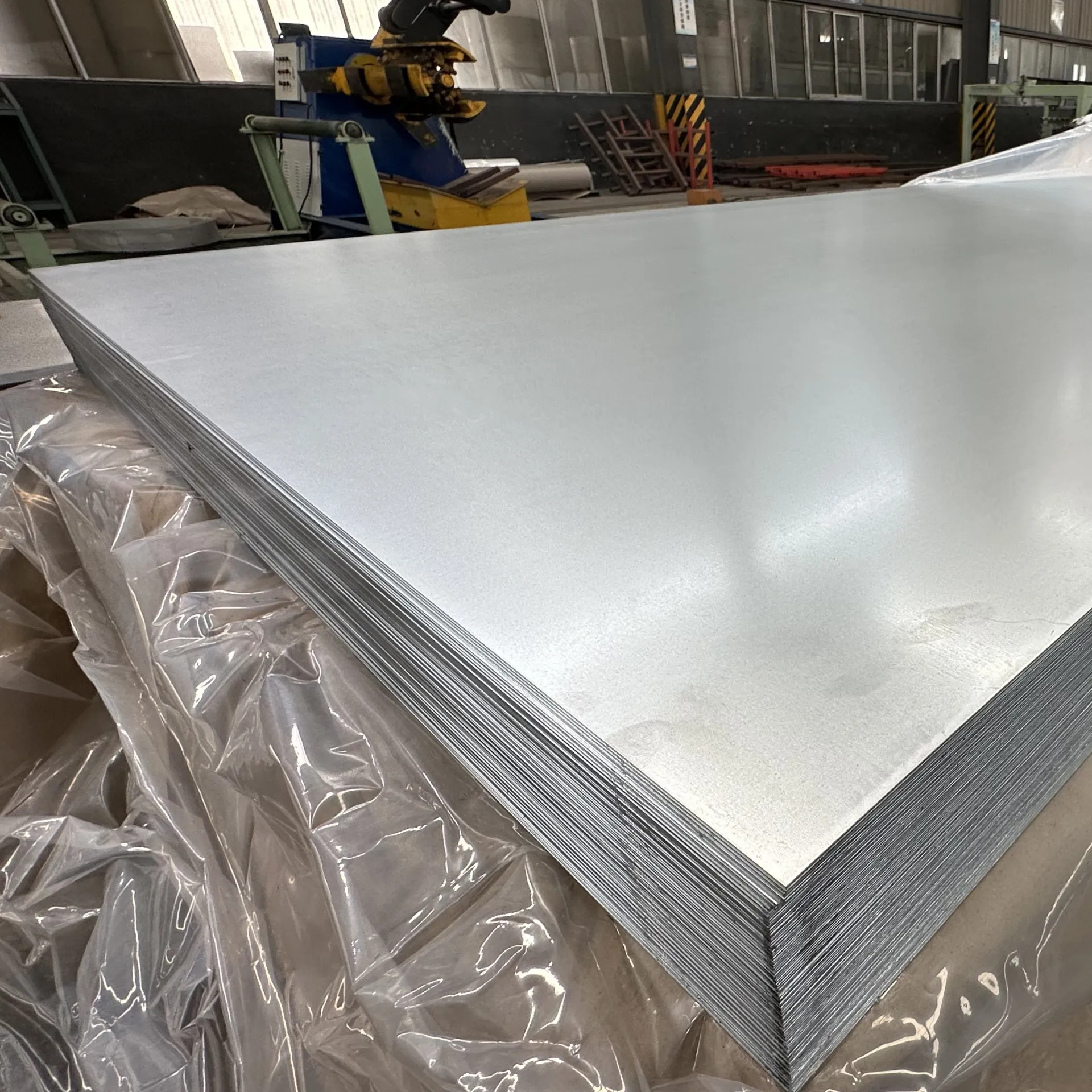
In the mechanical industry, electrical cabinets, steel doors, metal furniture, industrial equipment, and many items requiring finish painting, electro-galvanised steel sheet is often chosen for its bright, flat, high aesthetic surface and ease of processing in subsequent fabrication steps. However, a reality many manufacturing workshops face is: all called “electro-galvanised steel sheet”, same thickness, even looking quite similar to the naked eye, but when painted, the results are very different. Some batches have good paint adhesion, even color, and minimal peeling; while others show paint blistering, edge peeling, surface discoloration, or reduced durability after the finished product is put into use.
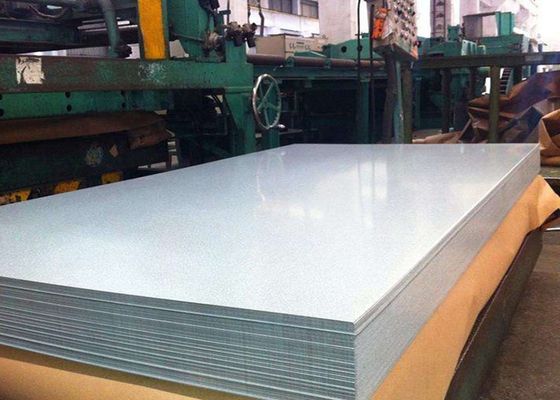
This shows that paint adhesion does not only depend on the type of paint or painting skill, but is also closely linked to the nature of the substrate material. Electro-galvanised steel sheet is a group of materials with more technical variables than buyers usually think. From surface cleanliness, level of protective oil, coating structure, micro-roughness, to storage history and the degree of mechanical impact during fabrication, all directly affect the ability to create a bond between the paint and the metal substrate.
For businesses in precision mechanical engineering, doors, cabinet casings, facades, metal accessories, or industrial components, correctly understanding the paint adhesion mechanism on electro-galvanised steel sheet is a way to reduce mass defects, limit rework, save costs, and increase quality stability. This is also why the challenge of choosing the right raw material source is not simple, especially when demand increasingly leans towards uniform surface quality and stable fabrication capability.
See more related articles: What Is Electro-Galvanised Steel? Why Do The Door, Powder Coating, Metal Furniture Industries Use So Much
1. What is electro-galvanised steel sheet and why is it often chosen for parts requiring painting?
Electro-galvanised steel sheet is base steel coated with a protective metal layer by electrolysis. In the market, many people commonly refer to these materials as EG steel sheet, GA steel sheet or electro-galvanised steel, depending on surface characteristics and commercial naming. Compared to some hot-dip galvanised types with more distinct zinc grain surfaces, electro-galvanised steel sheet usually has a smooth, bright appearance, easily meeting aesthetic requirements for finished products.
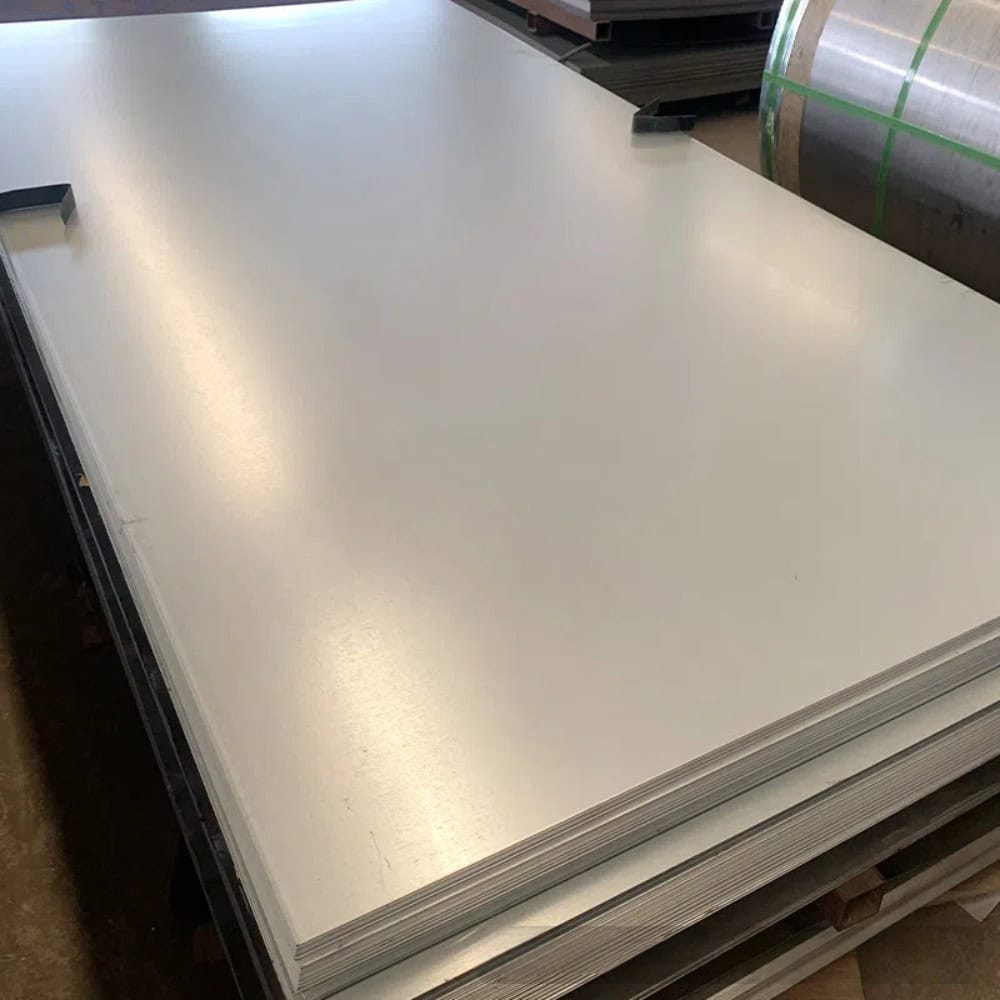
The reason this material is widely used in products requiring painting is because of its relatively beautiful surface, uniform thickness, ease of cutting, punching, bending, and suitability for mass fabrication lines. In applications such as machine casings, steel doors, electrical cabinets, metal furniture accessories, or mechanical parts requiring both corrosion resistance and aesthetic appearance, electro-galvanised steel sheet is often a balanced choice between performance and cost.
However, “easy to paint” does not mean “paint always adheres well”. If electro-galvanised steel sheet is treated merely as any metal substrate and surface treatment is overlooked, the risk of finish coating defects is very high. It must be understood that paint only adheres well when the surface is sufficiently clean, stable, and compatible with the paint system being used. Therefore, right from the material procurement stage, businesses need to pay attention to surface criteria, not just price or nominal thickness.
See more related articles: Why does powder coating peel off? Causes from steel sheet material many workshops overlook
2. Paint adhesion mechanism on electro-galvanised steel sheet: not just “paint it on and it sticks”
Paint adhesion is formed from a combination of several mechanisms. First is mechanical bonding, meaning paint adheres to micro-rough points on the metal surface. Second is chemical bonding or surface interaction between the primer, treatment chemicals, and the coating substrate. Third is surface cleanliness, which determines whether any “barrier layer” exists between the paint and the metal, such as oil, fine dust, moisture, salt deposits, or oxidation products.
If the surface is too smooth, too glossy, or still has a layer of anti-rust oil, the paint may look very good initially, but the actual adhesion will be weak. When the product is subjected to impact, temperature changes, vibrations, or humid environments, the paint layer can peel off in flakes, especially at cut edges, bent corners, or areas of strong mechanical deformation. In other words, a beautiful surface is not necessarily a surface ready for painting.
Conversely, when the substrate material is well-controlled in terms of coating, cleanliness, and pre-treatment process, the paint layer has conditions to form a more durable film. This is especially important in mass production, where even a small deviation in the substrate material can multiply into a large defect rate after painting. Therefore, to evaluate paint adhesion, one cannot rely solely on visual inspection but must consider both the substrate material and the entire fabrication chain.
3. Why is it that even with electro-galvanised steel sheet, paint adhesion still differs?
3.1. Differences in surface condition upon ex-factory
Some batches of electro-galvanised steel sheet are stored with different levels of anti-rust oil. This amount of oil is beneficial for transportation and storage, but if not properly treated before painting, it becomes a cause of defects. Even if the surface appears dry, there may still be a thin oil film reducing the bond between the paint layer and the metal substrate.
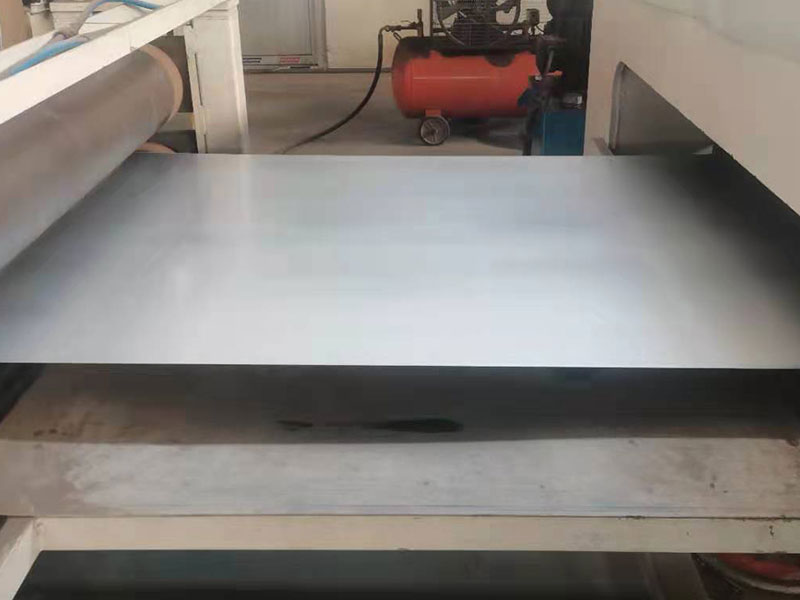
This is why two coils of material that look relatively similar can yield completely different painting results. Batches with cleaner and more stable surfaces will provide better paint adhesion. Batches with uneven oil, fine dust, or contamination during slitting and cutting will easily develop defects such as discoloration, fish eyes, edge peeling, or blistering after painting.
3.2. Differences in surface micro-roughness
Micro-roughness greatly affects mechanical anchoring capability. If the surface is too dull or too glossy, each can create its own challenges. A surface that is too smooth makes it difficult for the paint to “bite” into the substrate; while some uneven surface types lead to unstable coverage. Therefore, the important thing is not that the glossier the surface, the better, but that the surface must be compatible with the paint system and treatment process being used.
Many workshops only focus on appearance, forgetting that a durable paint layer requires a sufficiently “friendly” substrate for adhesion. When changing material suppliers, even if it's still electro-galvanised steel sheet with the same nominal specifications, a small change in surface characteristics can require the painting line to adjust accordingly.
3.3. Differences in the quality and stability of the coating
The coating not only plays a role in corrosion resistance but also affects the surface's reaction to treatment chemicals and primer. If the coating is unstable, unevenly distributed, or has changed after storage, paint adhesion can decrease. This is a very important point for orders requiring consistent color and appearance durability after a period of use.
From a technical perspective, the more stable the coating substrate, the easier the pre-treatment process is to control. Conversely, a highly variable coating substrate will make painting results difficult to reproduce; the same formula might work for one batch but fail for another. For manufacturing workshops, this is a very concerning cost issue because paint defects often go beyond aesthetics, leading to rework, delayed deliveries, and damage to reputation.
3.4. Impact of storage time and environment
Electro-galvanised steel sheet, if improperly stored, can show surface changes due to moisture, industrial dust, or airborne impurities. Even without visible rust, the surface may have changed enough to affect paint adhesion. This often occurs in warehouses with poor humidity control or when materials are stored for too long before production.
Many businesses only inspect materials upon receipt but do not re-inspect them before painting. This is a gap in quality control. Metal surfaces change over time, especially when storage conditions are unsuitable. Therefore, the time from warehousing to fabrication is also a technical variable to consider.
See more related articles: Storing steel sheet outside the construction project to prevent rust before installation
3.5. Impact from cutting, punching, bending, stamping stages
After the material goes through mechanical fabrication stages, the surface is no longer in its original state. Cut edges can generate small burrs, bent areas can create stress, areas in contact with the mold can develop abrasion marks or localized changes. These points are precisely where the paint layer is most prone to defects if the treatment process is inconsistent.
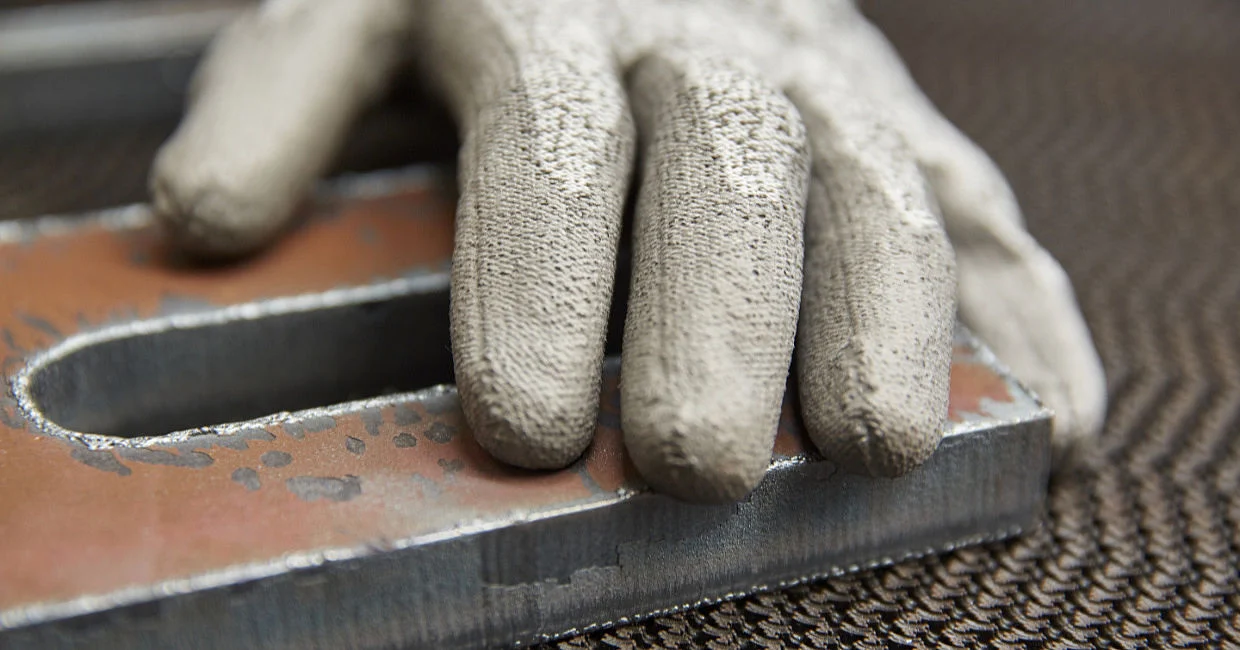
In other words, paint adhesion cannot be evaluated solely on a flat sheet before fabrication. The actual product after bending and stamping is the object that needs to be controlled. Good material but unsuitable fabrication can still lead to defects. Conversely, choosing stable material, correctly cutting and bending, and good surface treatment will significantly reduce risks.
4. Practical applications: why mechanical workshops, steel door manufacturers, and electrical cabinet manufacturers need to pay special attention?
In industries using finish painting, such as the production of electrical cabinets, machine casings, steel doors, metal furniture accessories, paint adhesion defects often do not fully appear immediately at the workshop. Some products look good at the time of shipment but only start to show edge peeling, crow's feet cracks, flaking at folded corners, or localized blistering after a few weeks or months of use. At that point, remediation is almost always much more costly than controlling it from the outset.
For businesses manufacturing OEM products, industrial goods, products for construction projects, or FDI partners, the painted surface is a factor that is very easily evaluated. Just one batch with a paint adhesion complaint can cause a business to lose both processing time and customer trust. Therefore, choosing the right type of electro-galvanised steel sheet is not just a material story but also a quality risk management story.
In actual production, the more uniform the material, the easier it is for the workshop to standardize processes. Conversely, variable materials will force the painting department to constantly “firefight”. Therefore, high-quality manufacturers often pay attention to the material source from the outset, rather than just focusing on the final painting stage.
5. Risks of incorrectly assessing paint adhesion of electro-galvanised steel sheet
The first risk is paint peeling after the finished product is put into use. This is the most visible defect and directly affects the product's image. Especially for display items, metal furniture equipment, or parts with high aesthetic requirements, this defect is very difficult to accept.
The second risk is increased production costs. When paint defects occur, businesses have to grind off, re-treat, repaint, or even replace parts. All of these increase labor, material waste, extend lead times, and affect profits. If defects occur on large quantity orders, the total incurred costs can be very significant.
The third risk is reduced actual corrosion resistance. When the paint layer does not adhere well, even a small peeling point can open the way for moisture and impurities to penetrate, causing the material's protective system to degrade faster. This is particularly disadvantageous for products operating in humid environments, industrial environments, or with frequent cleaning cycles.
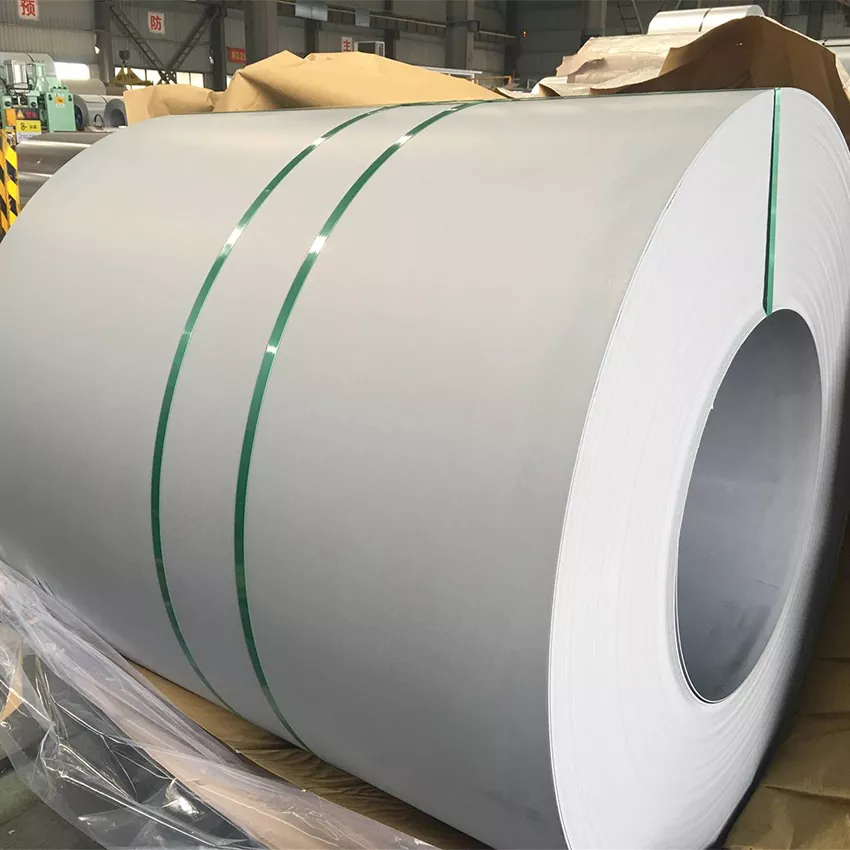
Finally, there is the risk to brand reputation. For B2B customers, a repeatedly occurring defect is often not seen as a random error, but as a sign of a weak quality control system. Therefore, the issue of paint adhesion is essentially an overall quality issue, not just a minor defect of the painting department.
6. Optimal solution: choose the right material and control from the start of the chain
The first solution is to choose a source of electro-galvanised steel sheet with stable surface quality. Materials should not be evaluated solely by price or immediate appearance. For products requiring painting, prioritize materials with a uniform, easy-to-control surface, compatible with subsequent fabrication and treatment processes.
The second solution is to re-inspect the surface before painting, especially for materials that have been stored. Do not assume that good incoming material will retain its original state at the time of production. Checking for cleanliness, slight oxidation marks, dust, or residual oil is a simple but very worthwhile step.
The third solution is synchronization between the material, fabrication, and painting departments. If the workshop only lets the painting department handle the consequences themselves, efficiency will not be high. The substrate material, surface condition after cutting and bending, and the paint system must be viewed as a continuous chain. When this chain is synchronized, the potential for quality stability will be much better.
The fourth solution is to work with a material supplier who has practical knowledge of the application. A supplier who only sells by weight and thickness may not necessarily support production challenges. Conversely, a supplier with experience providing to mechanical workshops, door manufacturers, electrical cabinet manufacturers, and metal furniture manufacturers will better understand the requirements for surface, specifications, fabrication, and material stability in practice.
See Phu Cuong Steel Sheet & Steel products here: Products
7. Conclusion
It is entirely true and very common in production that even with electro-galvanised steel sheet, paint adhesion differs. The nature of the difference lies in the surface, protective oil layer, roughness, stability of the coating, storage conditions, and impact from the cutting, bending, and stamping process. If materials are only viewed with the naked eye or compared solely by price, businesses can easily overlook the technical factors that determine the final product quality.
For entities involved in mechanical engineering, doors, metal furniture, electrical cabinets, industrial equipment, or structures requiring finish painting, choosing the right material from the outset will help reduce defects, minimize rework, and ensure long-term quality stability. This is not only a way to optimize costs but also a foundation for enhancing product reliability in the market.
Phu Cuong Steel Sheet & Steel – Leading Reputable Large-Width Steel Sheet Distributor
If your business is looking for a source of EG steel sheet, GA steel sheet, galvanised steel sheet with stable quality, beautiful surface, and correct specifications to serve mechanical fabrication, doors, facades, metal interior and exterior furniture, or industrial items, Phu Cuong Steel Sheet & Steel is a worthwhile choice.
We not only supply materials but also provide practical technical solutions tailored to each production need. Phu Cuong's strength lies in its large warehouse, diverse specifications, especially wide widths such as 1000mm, 1250mm, 1500mm and many specifications according to market demand. Additionally, there is a modern machinery system serving coil unwinding, custom cutting, bending and stamping, in-warehouse fabrication, helping customers save time, reduce waste, and optimize operating costs.
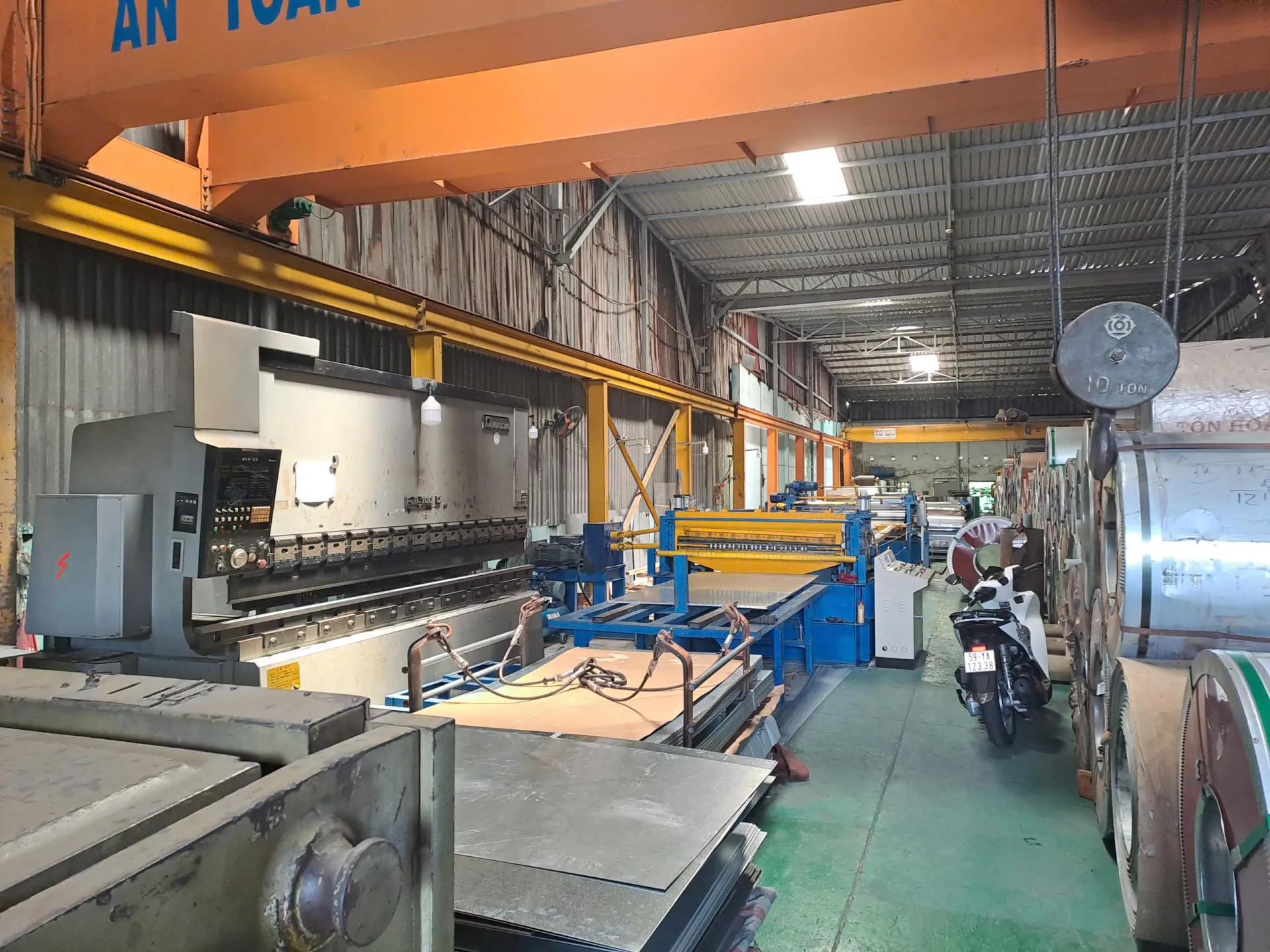
Our motto is Quality makes the brand. With a technical team knowledgeable in drawings, clear raw material sources, and proactive delivery trucks, Phu Cuong supports customers from material selection to on-site delivery, including orders requiring fast turnaround.
Main products: EG steel sheet, GA steel sheet, galvanised steel sheet, pre-painted cold-rolled steel sheet, large width steel sheet for mechanical engineering and construction projects.
Accompanying services: uncoiling, cut to size, bending and stamping, steel sheet fabrication at warehouse, on-site delivery by private truck.
Contact information:
2177C–2177D National Highway 1A, Dong Hung Thuan Ward, District 12, Ho Chi Minh City
Phone: 0933 919 899 (Ms. Anh)
Email: tonthepphucuong@gmail.com
Website: tonthepphucuong.com
See more articles: Steel Sheet Warping After Fabrication: Causes, Inspection Methods, And Optimal Solutions For Mechanical Workshops, Doors, And Construction Projects