Compare Steel Sheet EG, GA, Galvanised, Cold-Rolled Steel, Hot-Rolled – What's the Difference?
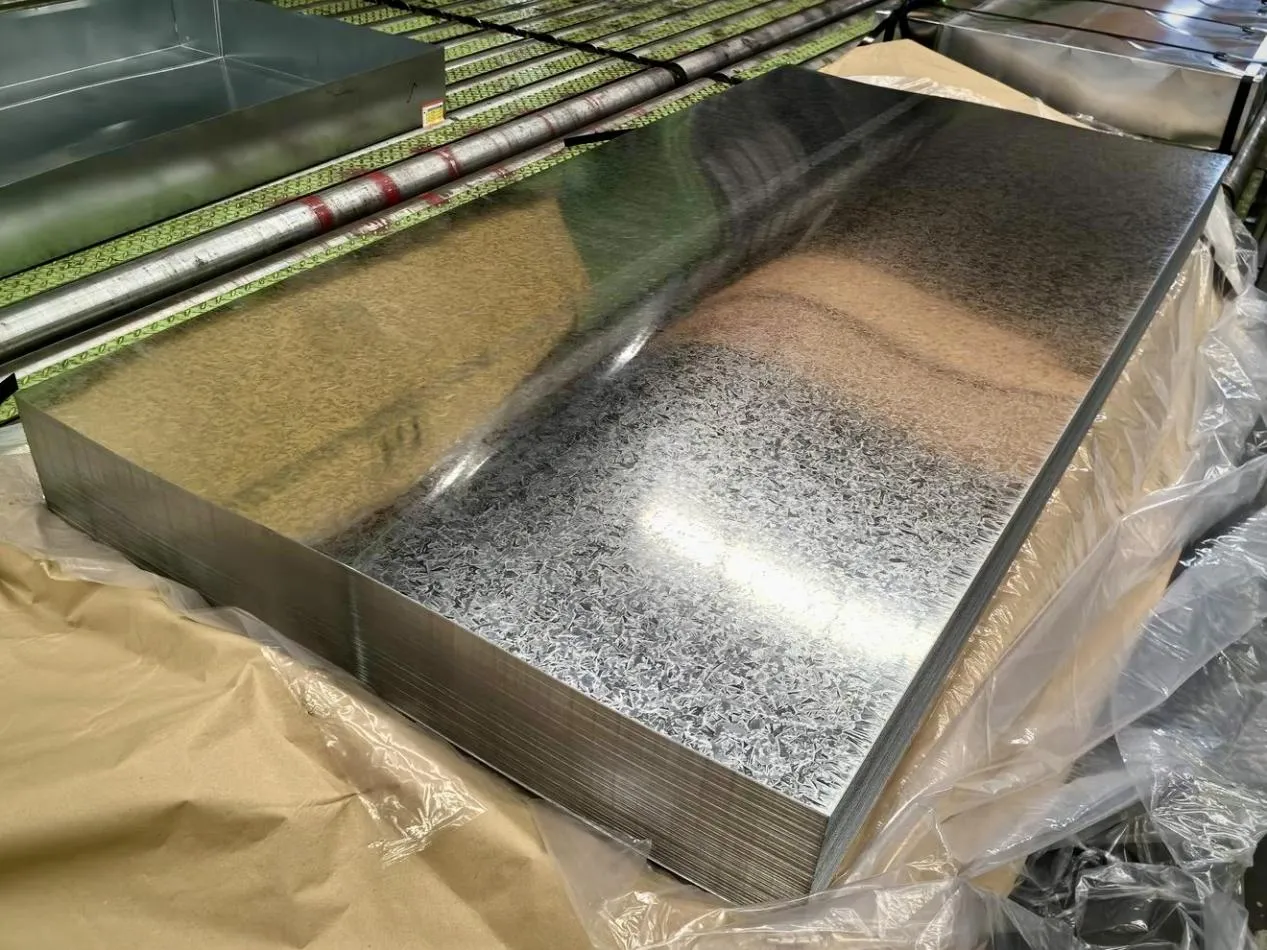
Overview of steel sheets used in mechanical engineering, construction and metal fabrication
In mechanical manufacturing, industrial construction, and metal fabrication, steel sheets and steel sheet coils are divided into many different groups depending on production technology and surface treatment methods. The most common types of materials currently include hot-rolled steel, cold-rolled steel, galvanised steel sheet, electro-galvanised steel sheet (EG, GA) and alloy-coated steel.
Each type of steel has different mechanical properties, strength, corrosion resistance, and fabrication capability. Choosing the right type of material not only affects product quality but also determines production cost, construction project durability, and construction efficiency.
Classification by production technology
Basically, steel sheet is produced from steel billet through hot-rolling or cold-rolling processes, then it can be coated or surface treated to increase rust resistance.
- Hot-rolled steel (Hot Rolled Steel – HR)
- Cold-rolled steel (Cold Rolled Steel – CR)
- Hot-dip galvanised steel (GI / SGCC)
- Electro-galvanised steel (SECC / Electro Galvanized)
- Alloy-coated or surface-treated steel
Hot-rolled steel is the initial basic material, then it is cold-rolled to increase accuracy and hardness. From cold-rolled steel, the factory can continue to galvanise, electro-galvanise, or apply a protective layer to create different types of steel sheets.
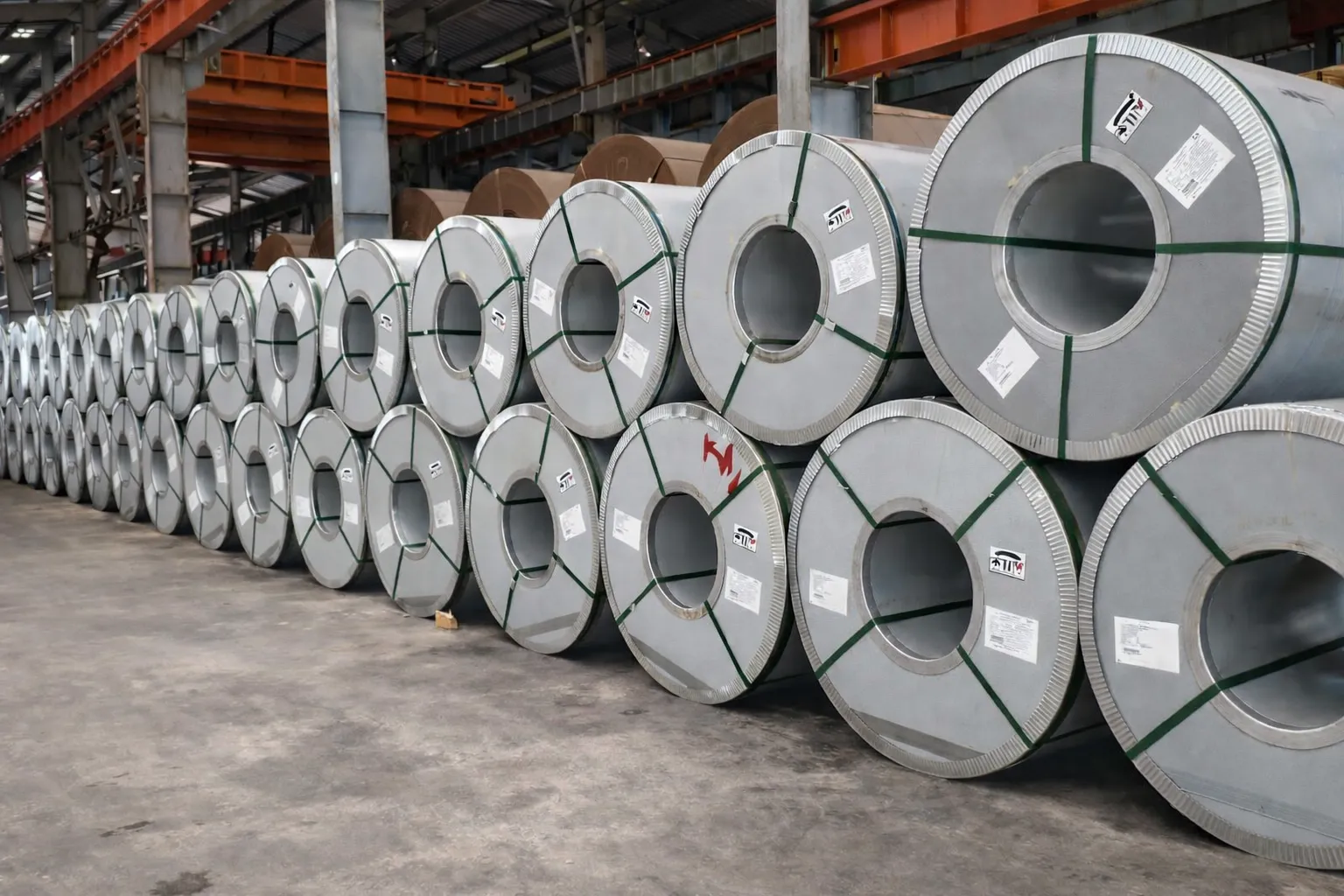
Classification by surface coating
Surface coating is an important factor helping steel resist rust and increase durability in the usage environment.
- Uncoated: hot-rolled steel, cold-rolled steel
- Hot-dip galvanised: GI, SGCC
- Electro-galvanised: SECC, EG
- Alloy-coated: GA, GL, AZ
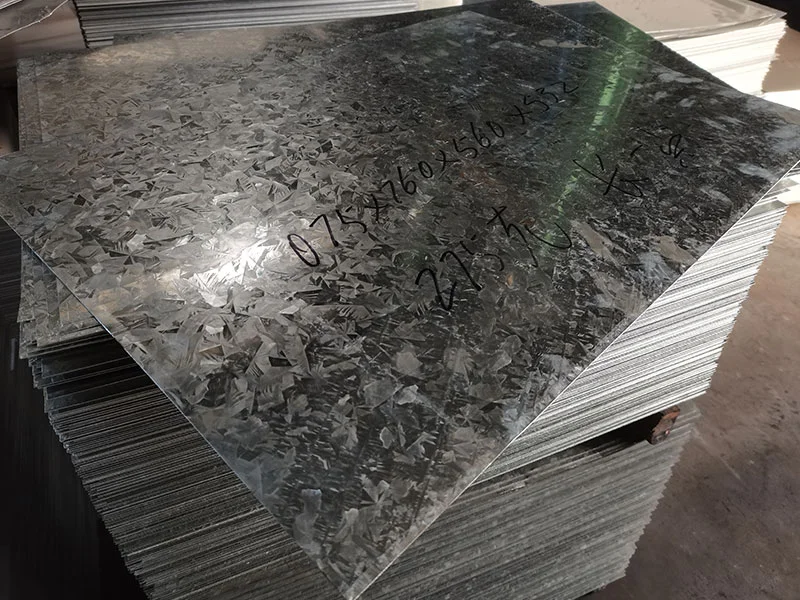
Among these, hot-dip galvanised has a thick coating, suitable for outdoor use, while electro-galvanised has a thin coating but a beautiful surface, suitable for precision mechanical fabrication.
Classification by purpose of use
Depending on technical requirements, each type of steel will be used in different fields.
- Hot-rolled steel: structures, machine bases, steel frames
- Cold-rolled steel: mechanical fabrication, CNC, bending and stamping
- Galvanised steel sheet: roofs, workshops, outdoor construction projects
- EG / GA steel sheet: elevators, electrical cabinets, technical equipment
- Alloy-coated steel sheet: high corrosion environments

Confusion between material types is very common, especially between electro-galvanised steel sheet and galvanised steel sheet, or between cold-rolled steel and oiled steel sheet. This can lead to incorrect material selection, causing increased costs or reduced product lifespan.
Trend of using large width steel sheets in industry
In recent years, industrial construction projects and fabrication workshops have tended to use large width steel sheets to reduce joints, reduce waste, and increase accuracy during fabrication.
- Width 1000mm
- Width 1250mm
- Width 1500mm
Especially, large width 1500mm electro-galvanised steel sheets and galvanised steel sheets are widely used in elevators, electrical cabinets, mechanical equipment, and industrial construction projects because they help optimize material and reduce fabrication costs.
1. EG steel sheet (SECC) – Electro-galvanised steel used in precision mechanical engineering and industrial equipment
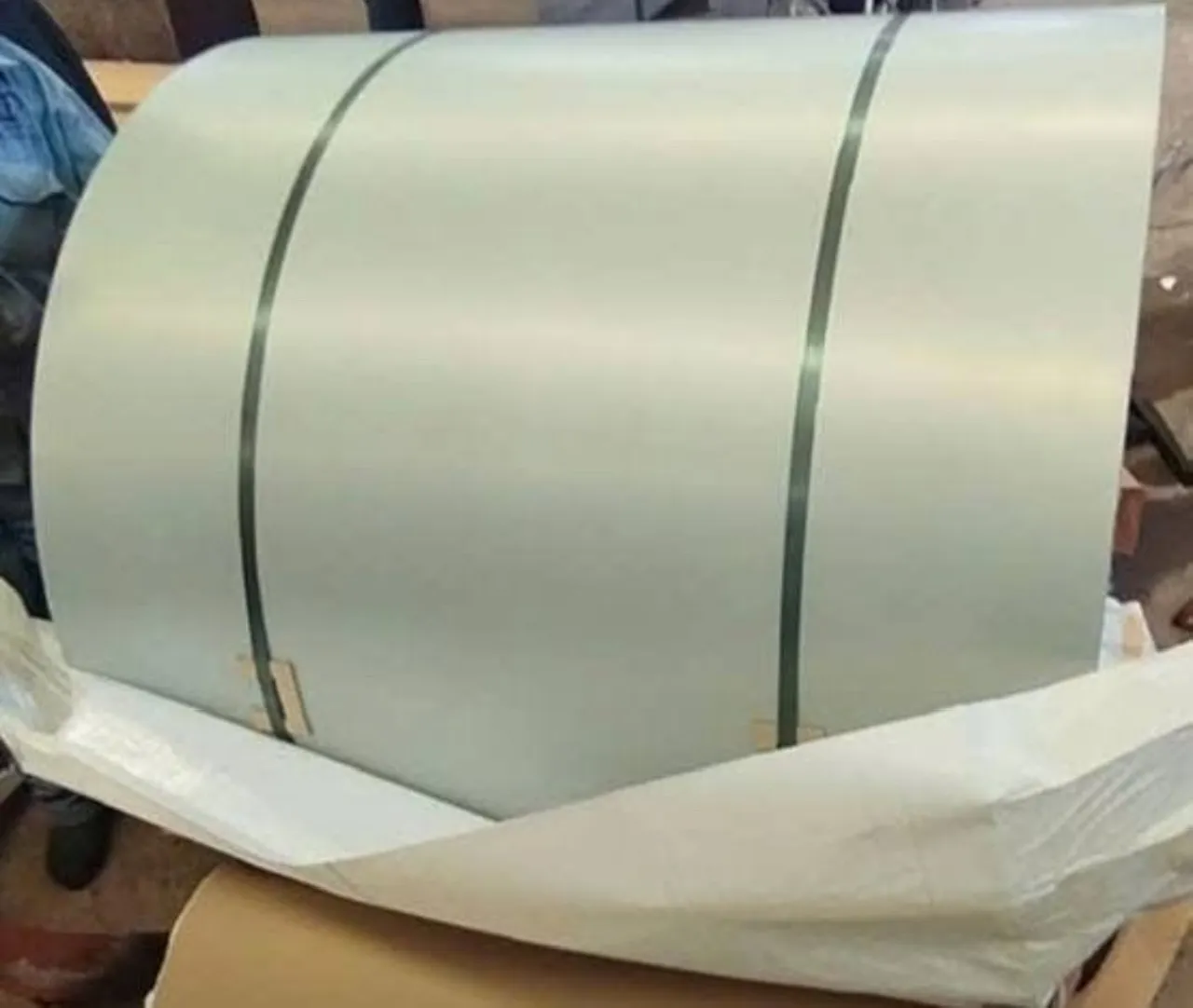
EG steel sheet, also known as electro-galvanised steel sheet or electro-galvanised steel (Electro Galvanized Steel – SECC), is a type of cold-rolled steel coated with a galvanised layer by electrolytic galvanising. Unlike hot-dip galvanised steel sheet, the coating of EG steel sheet is thinner but has high uniformity, a smooth surface, and is very suitable for products requiring accuracy and aesthetic appeal.
In mechanical engineering and technical equipment, EG steel sheet is widely used for fabricating electrical cabinets, elevators, industrial equipment, machine casings, light structures, and parts requiring electrostatic painting.
EG steel sheet production technology
EG steel sheet is produced from cold-rolled steel (Cold Rolled Steel – CR), then it is galvanised by electrolysis. In this process, the steel sheet is immersed in an electrolytic solution containing galvanised ions, then electric current is used to deposit the galvanised layer onto the steel surface.
- Steel substrate: cold-rolled steel
- Coating method: electro-galvanised
- Coating layer: thin, uniform
- Surface: smooth, bright, light blue
Thanks to the electro-galvanising method, the galvanised layer adheres very uniformly, helping the steel sheet surface be less rough and easy to fabricate.
Common standards for EG steel sheet
- SECC (JIS – Japan)
- EG (Electro Galvanized)
- SPCC + Electro Galvanized
- Electrolytic galvanized steel
- 电解镀锌钢板
Among these, SECC is the most common standard in the elevator, electrical cabinet, and precision mechanical engineering industries.
Material layer structure
EG steel sheet usually consists of the following layers:
- Cold-rolled steel core
- Electrolytic galvanised coating
- Anti-oxidation surface treatment layer
- Protective oil layer (depending on type)
The thin coating helps maintain dimensional accuracy and limit deformation during bending and stamping.
Mechanical properties of EG steel sheet
- Smooth, beautiful surface
- Easy to electrostatic paint
- Easy to bend and stamp
- High flatness
- Good accuracy
- Less coating peeling
- Suitable for CNC fabrication
However, due to the thin coating, EG steel sheet is not suitable for outdoor environments or places with high humidity for long periods.
Common applications of EG steel sheet
- Elevator fabrication
- Electrical cabinets
- Mechanical equipment
- Machine casings
- Technical partitions
- Metal furniture
- CNC fabrication
- Precision bending and stamping
For fabrication workshops, using electro-galvanised steel sheet helps increase product accuracy and reduce painting errors.
Large width EG steel sheet – trend in industry
Currently, many construction projects and mechanical workshops use large width EG steel sheet to reduce joints and reduce material waste.
- Width 1000mm
- Width 1250mm
- Width 1500mm
Large width 1500mm is a specification few suppliers have available, often used for:
- Elevators
- Large electrical cabinets
- Industrial equipment
- CNC fabrication
- Technical partitions
Having available large width EG steel sheet helps reduce waste, reduce joints, and increase product aesthetics.
For more details, you can refer to the comprehensive article about EG steel sheet/electro-galvanised steel green from Phu Cuong Steel Sheet & Steel: What is EG Steel Sheet? SECC, EG, EG Electro-Galvanised Steel – A–Z Overview & Applications in District 12
2. GA steel sheet – Electro-galvanised steel with surface treatment used in mechanical engineering and technical equipment
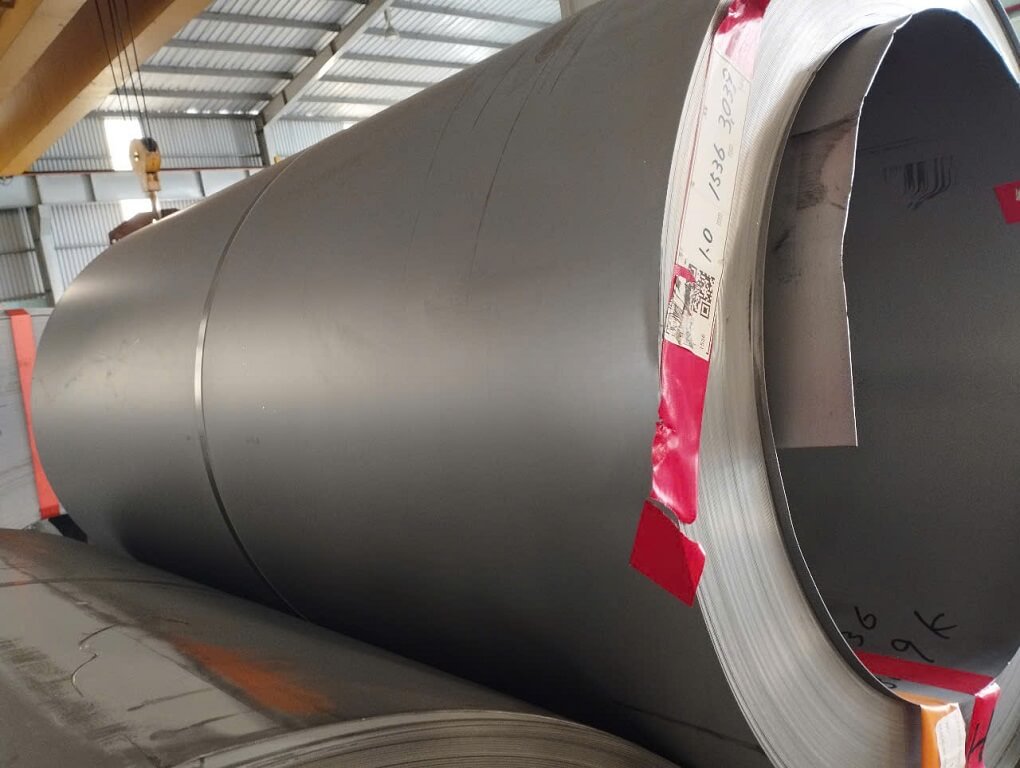
GA steel sheet is a common term in the mechanical engineering industry to refer to types of electro-galvanised steel or surface-treated steel with a light grey color, not as glossy as EG steel sheet. This material is often produced from cold-rolled steel, then electro-galvanised or chemically treated to increase oxidation resistance and improve paint adhesion.
Compared to EG steel sheet (SECC), GA steel sheet has a less glossy surface, dull grey or bluish grey color, but still maintains high flatness and good fabrication capability. In practice, many mechanical workshops use GA steel sheet for parts that do not require an overly aesthetic surface but still need light rust resistance.
Production technology of GA steel sheet
GA steel sheet is often produced from cold-rolled steel (CR), then undergoes electro-galvanising or chemical surface treatment. Depending on the factory and standard, the coating can be electrolytic galvanised, passivation layer, or anti-oxidation coating.
- Steel substrate: cold-rolled steel
- Surface treatment: electro-galvanised or chemical treatment
- Surface: grey, less glossy
- Coating: thin
Due to the thin coating, the material still maintains dimensional accuracy and is suitable for mechanical fabrication.
Common standards
- Electro galvanized steel
- EG steel
- SECC / SECD
- SPCC + coating
- 电解镀锌钢板
In practice in Vietnam, EG and GA can both belong to the electro-galvanised steel group, but differ in surface treatment and gloss.
Characteristics of GA steel sheet
- Light grey surface
- Less glossy
- Easy to fabricate
- Easy to bend and stamp
- High flatness
- Light rust resistance
- Suitable for electrostatic powder coating
Compared to galvanised steel sheet, GA steel sheet has a thinner coating so it is not suitable for long-term outdoor use.
Applications of GA steel sheet in practice
- Electrical cabinet fabrication
- Mechanical equipment
- Machine casings
- Technical partitions
- Light structures
- CNC fabrication
- Bending and stamping
In many cases, GA steel sheet is used instead of EG steel sheet to reduce costs but still ensures fabrication capability.
Large width GA steel sheet in industrial fabrication
Currently, many mechanical workshops use large width steel sheet to reduce waste and increase cutting accuracy.
- Width 1000mm
- Width 1250mm
- Width 1500mm
Large width 1500mm is often used for industrial equipment, elevators, large electrical cabinets, and large-sized parts.
Using large width GA steel sheet helps reduce joints, reduce scrap, and increase fabrication efficiency.
3. Galvanised steel sheet (GI / SGCC) – Hot-dip galvanised steel used in construction and outdoor projects
Galvanised steel sheet is a type of steel coated with a layer of galvanised by hot-dip method, to increase corrosion resistance and extend lifespan when used in outdoor environments. This material is widely used in construction, steel structures, factories, and industrial construction projects.
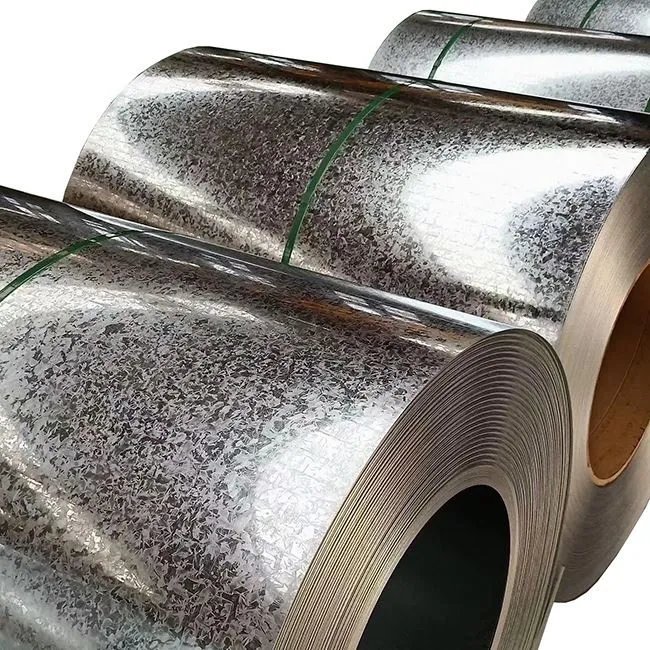
Unlike EG steel sheet and GA steel sheet, which are electro-galvanised types with thin coatings, hot-dip galvanised steel sheet has a much thicker galvanised layer, which provides better rust resistance but the surface is often rough and not as smooth.
Production technology of galvanised steel sheet
Galvanised steel sheet is produced from cold-rolled steel or hot-rolled steel, then immersed in a molten galvanised bath to coat the surface with galvanised. This process is called hot-dip galvanised (Hot Dip Galvanized).
- Steel substrate: CR or HR
- Coating method: hot-dip
- Coating layer: thick
- Surface: rough, with galvanised spangles
The thick galvanised layer helps the material withstand humid environments, rainwater, and mild chemicals.
Common standards
- SGCC (JIS – Japan)
- GI (Galvanized Iron / Galvanized Steel)
- DX51D + Z
- ASTM A653
- 热镀锌钢板
Among these, SGCC is the most common standard in the steel coil and galvanised steel sheet industry.
Galvanised coating designation (Z100, Z180, Z275…)
The galvanised coating is designated by the letter Z and a number following it, indicating the amount of galvanised coated on the steel surface (g/m²).
- Z100 – thin coating
- Z120 – medium coating
- Z180 – common
- Z275 – thick coating
The thicker the coating, the higher the rust resistance but the cost is also higher.
Characteristics of galvanised steel sheet
- Good rust resistance
- Suitable for outdoor use
- Long lifespan
- Surface with galvanised spangles
- Resistant to humid environments
- Suitable for construction projects
However, due to the thick coating, galvanised steel sheet is not suitable for high-precision parts such as electrical cabinets or elevators.
Applications of galvanised steel sheet
- Steel sheet roofing
- Factory buildings
- Steel structures
- Trusses
- Purlins
- Roofing steel sheet
- Construction project fabrication
Large width galvanised steel sheet in industry
Currently, many construction projects use large width galvanised steel sheet to reduce the number of joints and increase structural durability.
- Width 1000mm
- Width 1250mm
- Width 1500mm
Large width 1500mm is often used for factory buildings, large structures, and industrial construction projects requiring wide coverage.
4. Hot-rolled steel (HR) – Base material for heavy structures and fabrication
Hot-rolled steel (Hot Rolled Steel – HR) is a type of steel produced by rolling at high temperatures, typically above 900°C. It is a basic material in the metallurgy industry, used as a base for producing cold-rolled steel, galvanised steel, and many other types of steel.
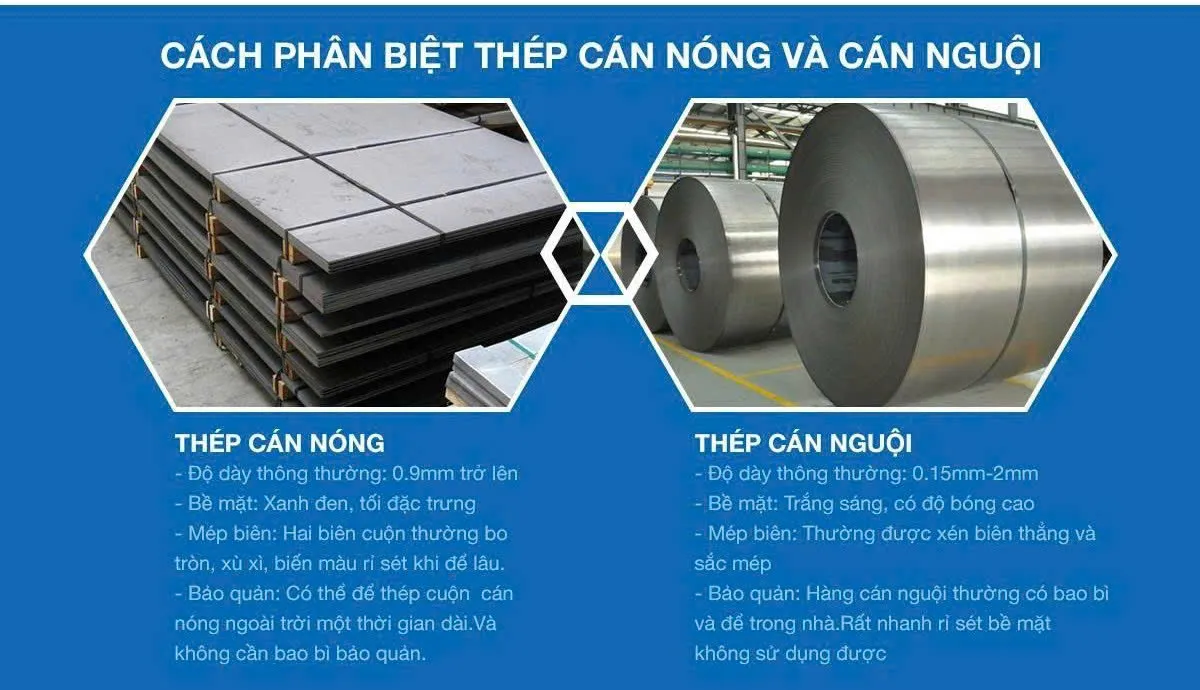
Due to being rolled at high temperatures, the surface of hot-rolled steel is often black or bluish-black, not smooth, and has an oxide layer on the surface. However, this type of steel has high durability, good load-bearing capacity, and low cost, making it very suitable for heavy structures and fabrication.
Hot-rolled steel production technology
Steel billets are heated to high temperatures, then passed through a rolling mill system to form steel sheets or coils. After rolling, the steel is naturally cooled, so the surface is often not perfectly flat.
- High rolling temperature
- No surface treatment
- No coating
- Surface with oxide layer
Hot-rolled steel is often used directly or further cold-rolled to produce CR steel.
Common standards
- SPHC
- SS400
- A36
- Q235
- 热轧钢板
Characteristics of hot-rolled steel
- High durability
- Good load-bearing capacity
- Low cost
- Black surface
- Lower precision than CR
- Difficult to paint directly
Applications of hot-rolled steel
- Steel structures
- Machine frames
- Machine bases
- Heavy mechanical fabrication
- Structural steel shapes
- Construction project fabrication
Hot-rolled steel is generally not used for products requiring high precision or a fine surface.
5. Cold-rolled steel (CR) – High-precision material for mechanical fabrication
Cold-rolled steel (Cold Rolled Steel – CR) is produced from hot-rolled steel, then re-rolled at room temperature to increase hardness, flatness, and dimensional accuracy. This material is widely used in precision mechanics, stamping, CNC, and equipment manufacturing.
Compared to hot-rolled steel, cold-rolled steel has a smoother surface, more precise dimensions, and is easier to surface treat.
Cold-rolled steel production process
- Hot-rolled → billet formation
- Descaling
- Cold-rolled
- Annealing steel
- Cutting coil / sheet
Cold-rolled steel is the base material for producing galvanised steel sheet and electro-galvanised steel sheet.
Common standards
- SPCC
- CR steel
- Cold rolled steel
- 冷轧钢板
Characteristics of cold-rolled steel
- Smooth surface
- High flatness
- Easy to stamp
- Easy to paint
- High precision
- Not rust-resistant
As there is no coating, cold-rolled steel is prone to oxidation and is therefore often oiled or galvanised after production.
Applications of cold-rolled steel
- Mechanical fabrication
- Stamping
- CNC
- Machine casings
- Electrical cabinets
- Technical equipment
Large width in cold-rolled and hot-rolled steel
In modern industry, the use of large width steel helps reduce joints and increase precision during fabrication.
- Width 1000mm
- Width 1250mm
- Width 1500mm
Large width 1500mm is commonly used in industrial equipment, elevators, large electrical cabinets and CNC fabrication.
Quick comparison table
| Type | Surface | Rust resistance | Fabrication | Outdoor use |
|---|---|---|---|---|
| EG | smooth | average | good | no |
| GA | smooth | average | good | no |
| Galvanised | rough | high | average | yes |
| Cold-rolled | black | low | good | no |
| Hot-rolled | black | low | difficult | no |
Phu Cuong Steel Sheet – Leading Reputable Distributor of Large Width Steel Sheet
Phu Cuong Steel Sheet supplies a full range of materials:
- EG steel sheet
- GA steel sheet
- galvanised steel sheet
- Cold-rolled oiled steel sheet
- hot-rolled steel
- Large width 1500mm
- Cut to order
- Fabrication at workshop
Address: 2177C–2177D QL1A, Dong Hung Thuan Ward, District 12, HCMC.
Phone: 0933 919 899
Website: tonthepphucuong.com
See more related articles:
- Electro-galvanised Green Steel Sheet / EG Steel Sheet District 12 – Available in Large Width 1500mm, Cut to Order
- What is Custom Steel Sheet Fabrication? Benefits of Cutting – Slitting – Bending – Stamping Steel Sheet at Warehouse
- Comparison of galvanised steel sheet, electro-galvanised steel sheet and cold steel sheet in pre-engineered workshops