Steel Sheet Warping After Fabrication: Flatness Tolerance Error Often Overlooked
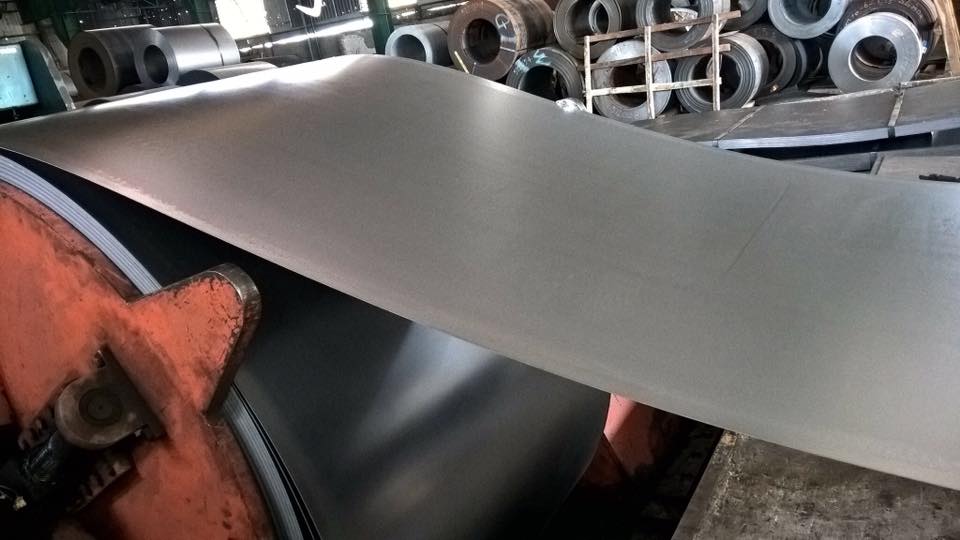
1. Introduction: Why steel sheet flatness is more important than you think?
In actual construction and mechanical fabrication, many units only focus on thickness, coating, or cost, overlooking a crucial factor: the flatness of the steel sheet. This is a common mistake leading to a series of problems such as:
- Steel sheet warping when fed into bending or stamping machines
- Dimensional inaccuracies when cutting with CNC or laser
- Poor fit during installation, causing gaps or structural deformation
Especially in industries such as precision mechanics, steel structures, facades, or metal interior fabrication, flatness tolerance is almost the decisive factor for the final product quality.
This is an extremely common error, especially when buyers do not carefully check steel sheet thickness tolerance
2. What is steel sheet flatness tolerance?
Flatness tolerance is the permissible deviation of the actual surface of the steel sheet from an ideal flat plane.
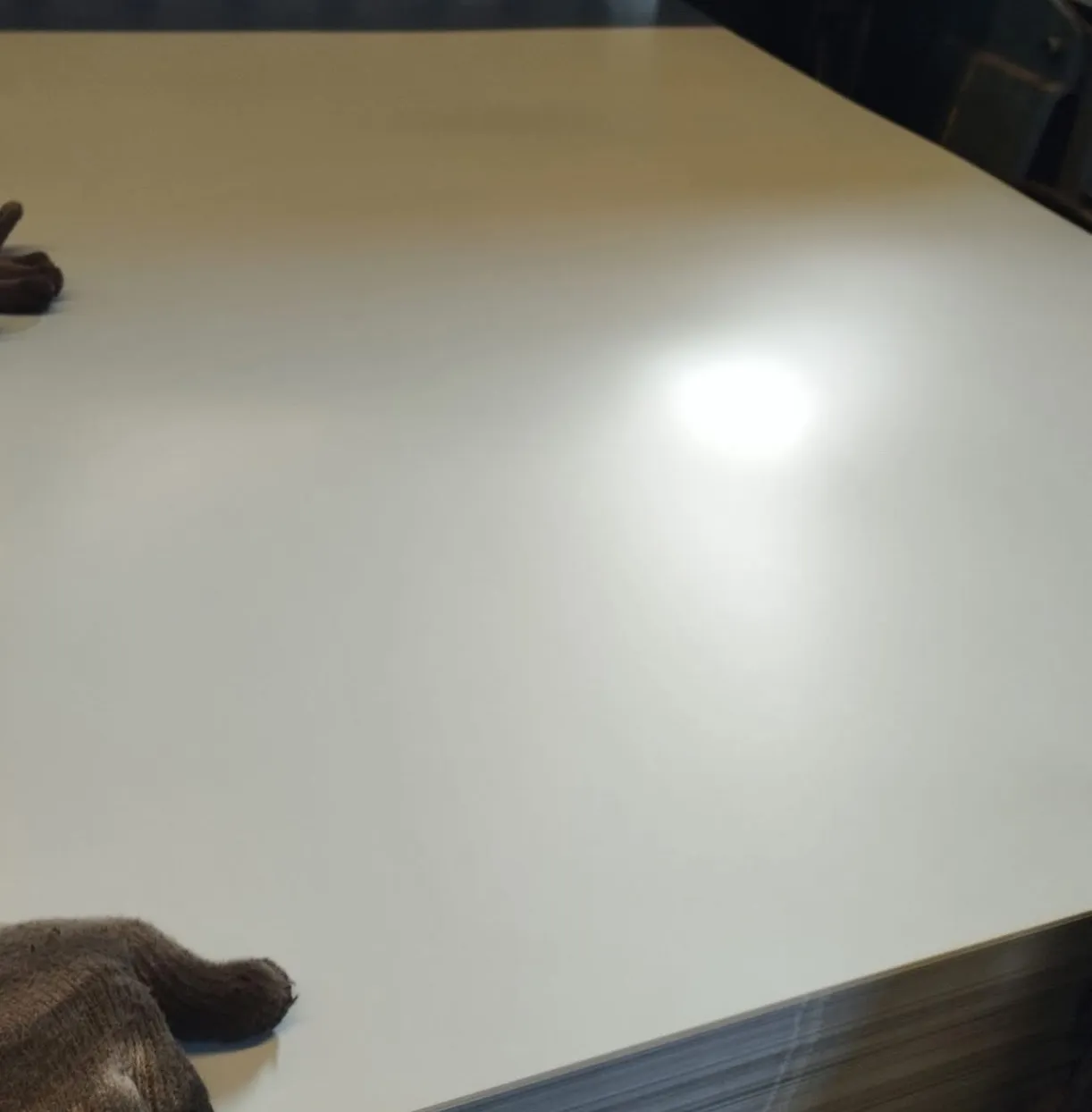
Simply put:
- Flatter steel sheet → smaller error → higher quality
- Warped steel sheet → large error → difficult to fabricate accurately
In technical standards, flatness is usually measured by:
- Maximum deviation over a certain length
- Or curvature in mm/m
For example: a 2m long steel sheet may allow a maximum bend of 3mm → if exceeded, it will be considered non-compliant.
3. Causes of steel sheet warping
3.1. Residual stress during rolling
During steel production, especially cold-rolled or electro-galvanised, the material may contain internal residual stress. When cut from the coil, this stress is released and causes bending.
3.2. Incorrect slitting technique
The slitting process is one of the most common causes of steel sheet warping in practice. If the pulling force is uneven or the cutting knife system is not precise, the steel sheet after slitting is very prone to conditions such as:
- Arc-shaped bending along the length
- Diagonal warping
- Slight twisting, especially in wide steel sheets
The core reason lies in controlling tension and uniformity during the slitting process. Units using old machinery or manual operation often find it difficult to ensure this stability.
In practice,choosing a unit with modern slitting machine systems, precise force adjustment will significantly help limit warping from the outset, especially for orders requiring high precision or wide steel sheets.
This is also why many mechanical enterprises now prioritize direct fabrication at warehouses with full machinery, instead of buying steel coil to process themselves, to reduce the risk of deviation and optimize output product quality.
3.3. Uneven thickness
This is an extremely common error in the market. When steel sheet has a thickness difference between regions:
- Thicker parts shrink less
- Thinner parts shrink more
The result is that the steel sheet naturally warps after fabrication or temperature changes.

3.4. Environmental temperature effects
Metal expands with heat. If steel sheet is stored or transported under uneven temperature conditions, it can result in:
- Slight bending along the length
- Local deformation
3.5. Incorrect bending/stamping technique
Incorrect or unbalanced bending force can cause warping after fabrication, especially with wide steel sheets.
4. Practical applications: When does flatness become a decisive factor?
In many B2B applications, flatness is a mandatory factor:
- CNC laser fabrication: if steel sheet is not flat → focal point error → cutting error
- Metal bending and folding: incorrect angle, incorrect profile
- Facades: causing aesthetic defects and gaps
- Handrails, metal doors: difficult to assemble accurately
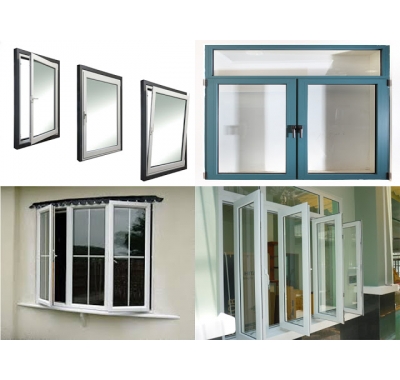
Especially with wide steel sheets (≥1500mm), the flatness issue becomes more severe due to the large area → easy accumulation of errors.
5. Consequences of ignoring flatness tolerance
- Increased scrap in production
- Time spent on manual rework
- Impact on construction project progress
- Increased labor and machinery costs
In many cases, the cost of error correction is even higher than the initial material value.
6. Control and optimization solutions
6.1. Check flatness upon receipt
Use a straightedge or place on a standard flat surface for a quick check.
In addition to flatness, you also need to check the actual galvanised coating at the construction project to ensure it meets standards
6.2. Choose a supplier with quality control
This is the most important factor when wanting to control the flatness tolerance of steel sheet. In reality, material quality not only depends on the manufacturing plant but also largely depends on the distribution and intermediate fabrication unit.
A reputable supplier needs to ensure the following factors:
- Modern slitting machine system, stable tension control
- Cutting - bending - stamping fabrication according to technical drawings
- Control of thickness, flatness, and material surface before delivery
- Clear raw material source, with full CO, CQ documents
In practice, units owning direct fabrication workshops with synchronized machinery systems will have better quality control capabilities than purely commercial models. On-site fabrication not only helps limit warping due to multiple transports but also ensures higher accuracy in each stage.
In Ho Chi Minh City, Phu Cuong Steel Sheet and Steel is one of the companies that fully meets the above criteria, with a modern coil slitting – bending and stamping machine system, a technical team that understands drawings, and direct fabrication capability at the warehouse. This helps to control flatness tolerance well, especially for high-demand orders or large width steel sheets.
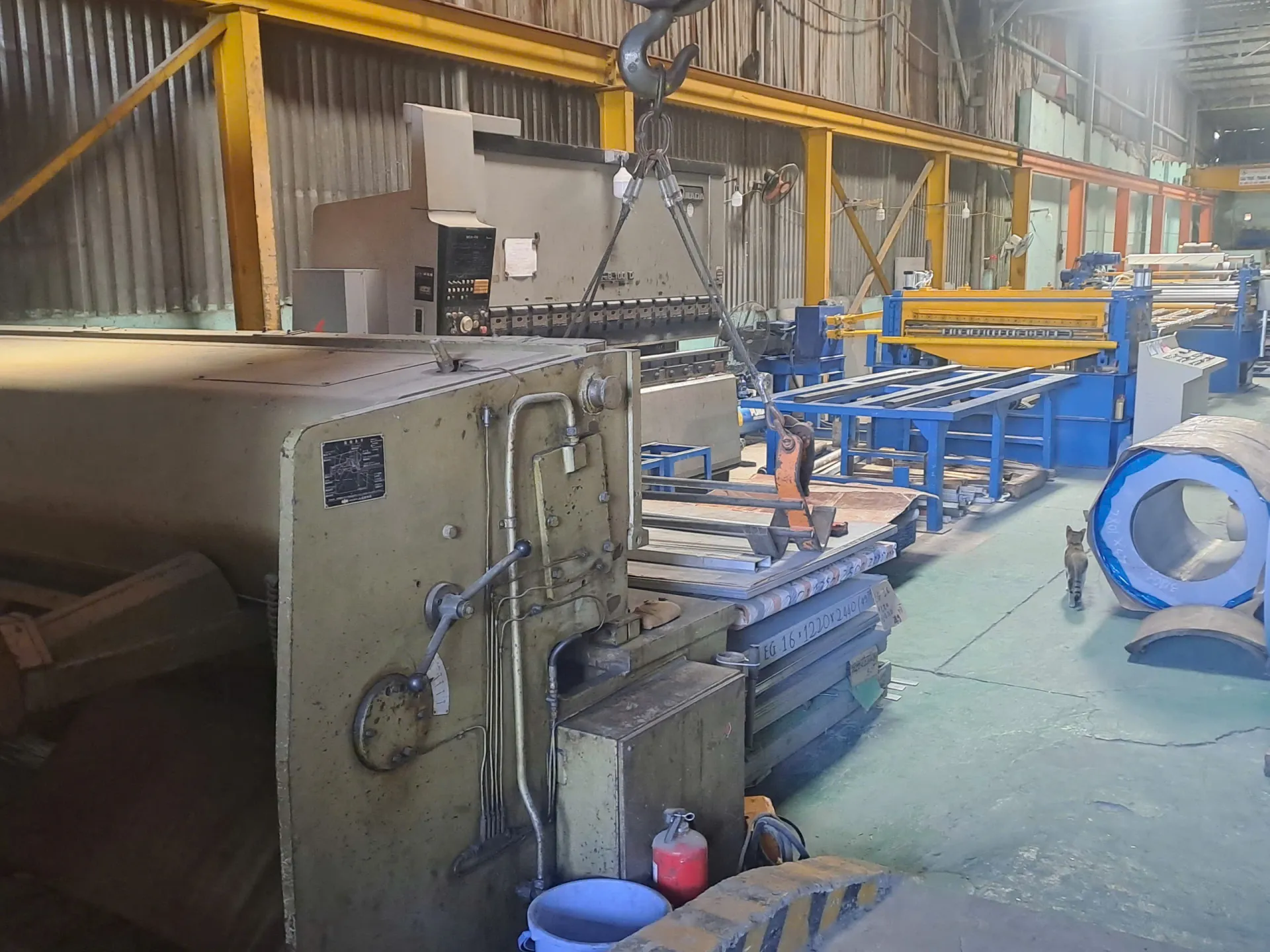
In addition, proactive transport trucks also help minimize deformation risk during the delivery process, while optimizing costs for customers.
6.3. On-site fabrication to reduce deformation
Cutting and bending right at the warehouse helps reduce warping risk due to transportation and multiple handling.
6.4. Using suitable steel sheet width
Large width is not always best. It is necessary to choose the optimal width to limit deformation and optimize fabrication.
7. Conclusion
Flatness tolerance is an important technical factor but often overlooked. In the context of the mechanical and construction industries increasingly requiring high precision, controlling flatness not only helps improve quality but also optimizes overall costs.
Phu Cuong Steel Sheet and Steel – Leading Reputable Large Width Steel Sheet Distributor
In reality, many warping errors do not originate from the initial material but from intermediate processing such as coil slitting, cutting, or transportation. Therefore, choosing the right supplier not only helps ensure quality but also significantly reduces incurred costs throughout the entire fabrication process.
Phu Cuong Steel Sheet and Steel – Accompanying Every Construction Project, with the motto “Quality builds the brand”, not only supplies materials but also acts as a technical solution for mechanical and construction businesses.
- Large warehouse, diverse specifications: galvanised steel sheet, EG steel sheet, GA, pre-painted cold-rolled steel sheet – especially available in large widths from 1500mm to reduce material waste
- Modern machinery system: coil slitting, cutting, synchronized bending - stamping, good control of flatness and tolerance
- Direct fabrication at the warehouse: limits warping due to multiple transports, ensures accuracy according to drawings
- Technical team with practical understanding: supports drawing interpretation and advises on suitable material solutions
- Dedicated transport trucks: fast delivery, optimizes costs, limits deformation during transportation
- Quality commitment: correct thickness, correct specifications, full CO, CQ from the factory
If you are experiencing steel sheet warping, deviations during fabrication, or need a stable material source for high-tech orders, choosing a company with full fabrication capabilities and quality control from the start will be the decisive factor for long-term effectiveness.

Contact Phu Cuong Steel Sheet and Steel now for consultation on suitable solutions for each construction project:
- Address: 2177C–2177D QL1A, Dong Hung Thuan Ward, District 12, Ho Chi Minh City
- Phone: 0933 919 899
- Email: tonthepphucuong@gmail.com
- Website: tonthepphucuong.com
See more related articles:
- What is Ba Via (Bavia) in Steel Sheet Cutting? Why Does it Cause Errors in Door, Furniture, and Mechanical Fabrication?
- What is EG Steel Sheet? SECC, EG, EG Electro-Galvanised Steel – A-Z Overview & Applications in District 12
- What Materials Are Used to Produce Steel Doors, Fire-Rated Doors, and Metal Doors?