Gasoline Price Increase → Chips, RAM, AI, Microchips And Even Steel All Increase? The Truth Few People Notice
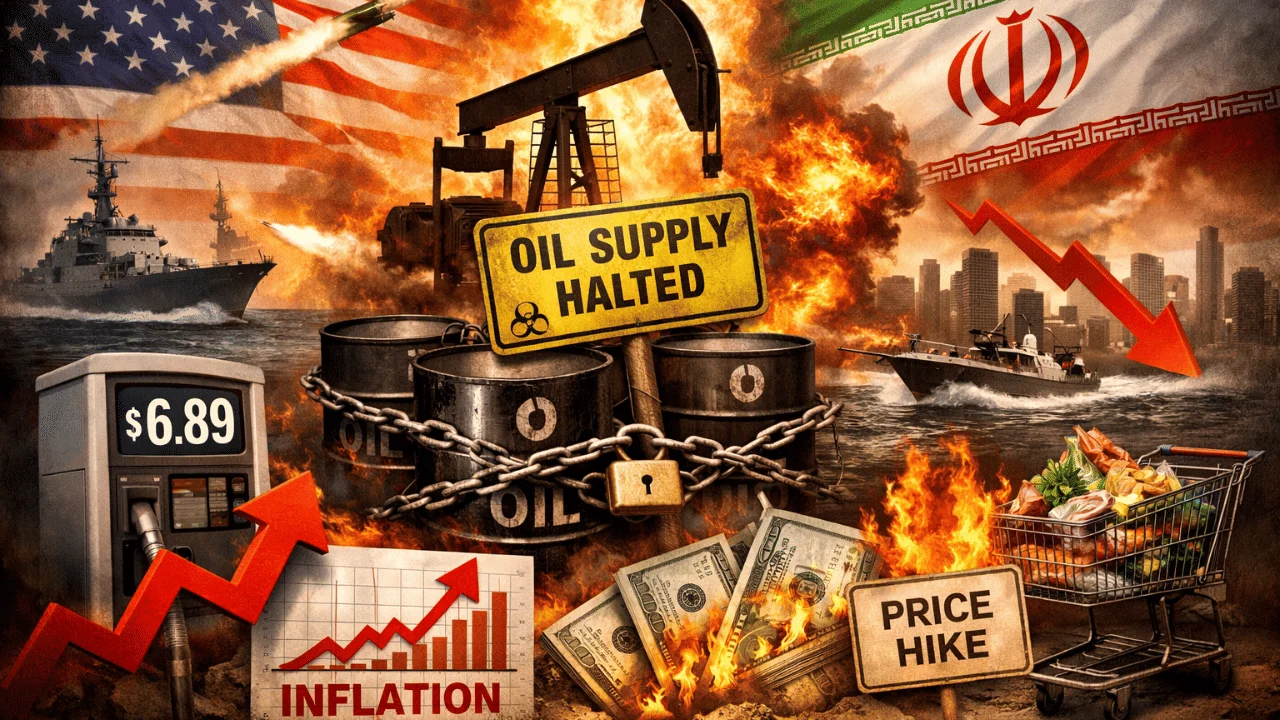
Rising petrol prices – thought to only affect transportation.
But in reality, it can cause the prices of chips, RAM, and even steel to increase in the same cycle.

1. A seemingly absurd question: why are petrol prices related to chips and steel?
If only looking at the surface, petrol prices seem to only affect transportation. But in reality, petrol and oil are the first link in the entire energy chain in modern manufacturing.
This leads to a little-noticed effect: when petrol prices rise, not only do transportation costs increase, but high-tech industries such as chips, RAM, AI, and even the steel industry are also affected.
2. From petrol and oil to electricity: cost transmission mechanism in the energy system
To understand why petrol prices can affect the entire manufacturing sector, it is necessary to look at the structure of the energy system, where electricity plays the most important intermediary role.
2.1. Nature of thermal power and dependence on fuel
In Vietnam, thermal power (coal + gas) usually accounts for approximately 50–60% of total electricity output, depending on the system's operating time. This shows a high degree of dependence on fossil fuels.
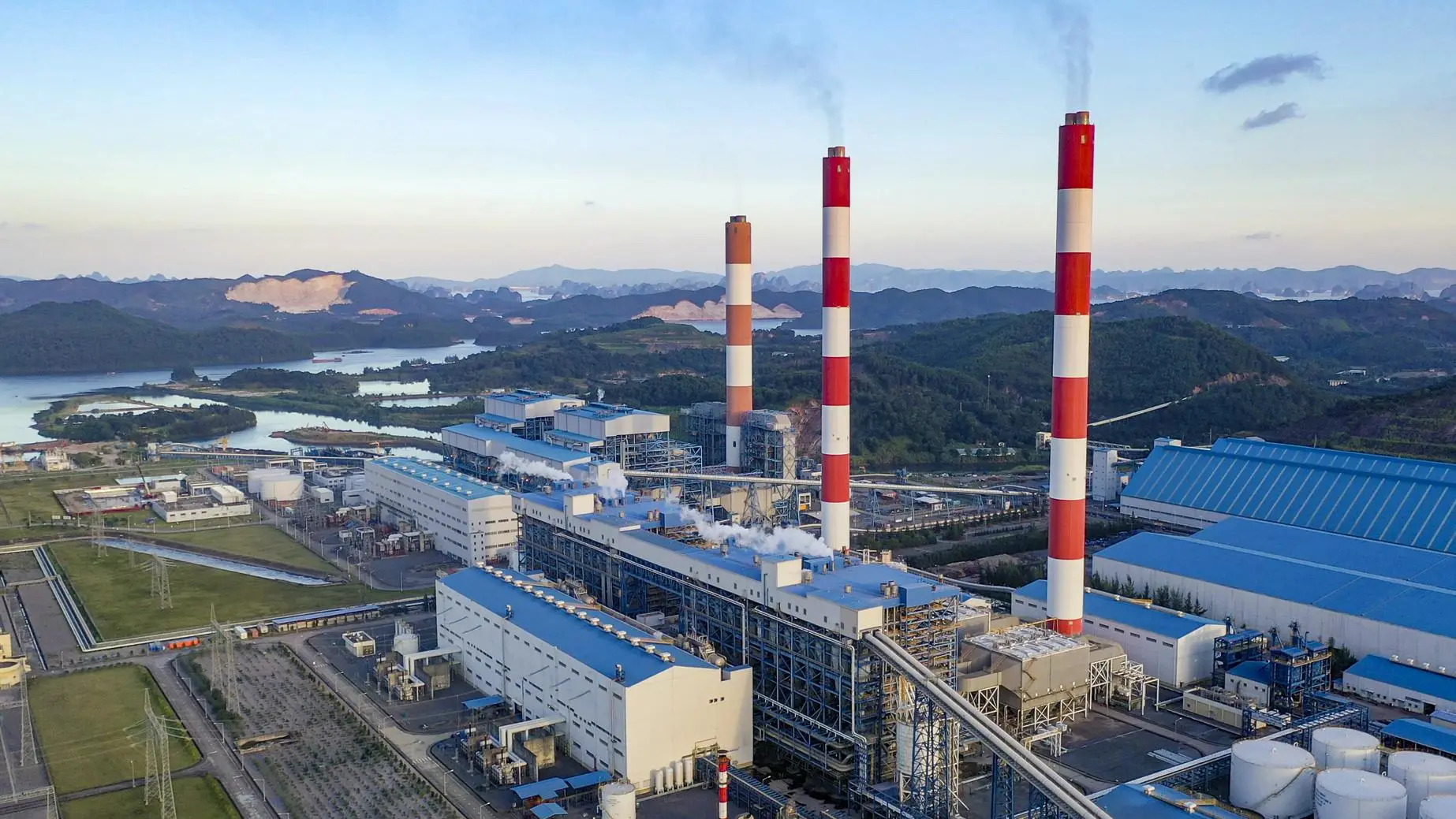
Operating principle:
- Burn fuel → generate heat
- Produce high-pressure steam
- Spin turbine → generate electricity
In the cost structure of thermal power plants:
- Fuel accounts for approximately 60–80% of total electricity generation costs
- The remainder is operations, maintenance, and depreciation
Therefore, when oil and gas prices rise, the marginal cost of the power system increases almost directly.
2.2. Price transmission mechanism in the power system
In the electricity market, prices are usually determined by the most expensive generation source needed to be dispatched (marginal cost).
This leads to the phenomenon:
- Only a part of the system uses expensive fuel (gas, oil)
- The electricity price for the entire system can increase accordingly
This is the mechanism that causes energy price fluctuations to spread rapidly throughout the economy.
2.3. Proportion of electricity in production costs
In industries, electricity is often one of the largest costs:
- Semiconductor industry: electricity accounts for approximately 20–30% of fab operating costs
- Steel industry (especially electric arc furnaces): electricity can account for 15–25% of production costs
- Electro-galvanising industry: electricity is a direct factor, accounting for 20–40% of plating process costs
For EG steel sheet (electro-galvanised steel), the coating is formed entirely by electric current:
- Zn ions2+ move in the electrolyte solution
- Under the action of electric current → adhere to the steel surface
This means electricity is not just an auxiliary cost, but is a product constituent.
2.4. Cost amplification effect in the production chain
When fuel prices rise, the impact is amplified through multiple layers:
- Oil prices rise → electricity prices rise
- Electricity prices rise → production costs increase
- Production costs increase → product prices increase
In reality, if electricity prices increase by just 10%, steel production costs can increase by approximately 2–4%, depending on the technology and electricity consumption.
For high-tech industries like chips, the sensitivity is even greater due to the requirement for continuous 24/7 operation in a strictly controlled environment.
This is why fluctuations in petrol and oil prices can spread to industries such as chips, RAM, AI, and even steel within the same period.
3. Chip industry: energy-dependent production system and absolute control environment
Semiconductor manufacturing is one of the industries with the most stringent requirements for operating environment and energy stability. Unlike conventional manufacturing industries, electricity costs in a fab (fabrication plant) are not just operating costs, but also a fundamental condition to maintain yield (percentage of compliant products) and the stability of the entire production line.
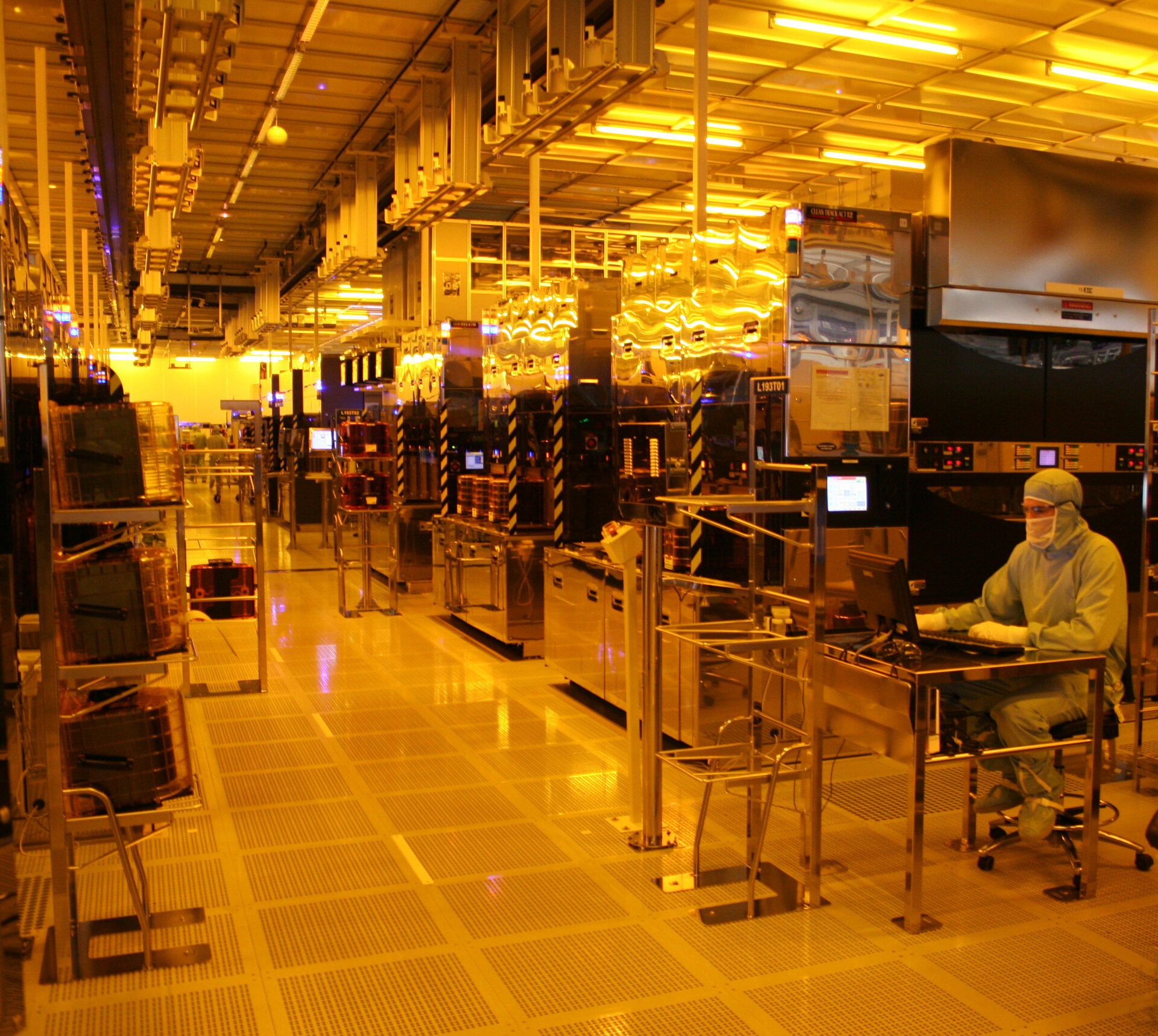
3.1. Cleanroom: continuous 24/7 electricity consumption system
The entire chip manufacturing process takes place in a cleanroom, where environmental parameters are controlled to an extremely strict level. Even a small deviation in dust, temperature, or humidity can damage wafers (semiconductor substrates) or reduce the yield of compliant products.
- Dust particle concentration must be kept extremely low, much lower than in a normal air environment
- Temperature must be almost absolutely stable to avoid deviations in photolithography and material deposition steps
- Humidity must be strictly controlled to limit electrostatic discharge and impact ultra-precise equipment
To maintain these conditions, fabs must continuously operate a series of large electricity-consuming systems:
- HVAC (heating, ventilation, and air conditioning) to control temperature, humidity, and pressure
- HEPA/ULPA filtration to purify dust in the air
- Technological gas circulation and treatment systems
- Stable power supply systems, UPS (uninterruptible power supply), and capacity backup
Unlike many manufacturing industries that can temporarily halt operations by shift, semiconductor fabs must maintain near-continuous 24/7 operation. This makes electricity a fixed cost component highly sensitive to any energy price fluctuations.
3.2. Chip manufacturing equipment has very high energy intensity
Inside the cleanroom are a series of high-tech equipment such as lithography, etching, deposition, ion implantation, and CMP (chemical mechanical polishing). These are all processes that require large amounts of energy, high stability, and an absolutely controlled operating environment.
Each wafer must go through hundreds of different processing steps. This means that energy consumption is not only in the main machinery, but also in the entire supporting ecosystem around the equipment, including:
- Equipment cooling using a chilled water system
- Extraction and treatment of process exhaust gases
- Pressure stabilization and vibration damping
- Control of micro-errors during fabrication
Therefore, when electricity prices rise, the impact is not limited to the electricity bill, but also increases the entire cost of maintaining a fab-standard production environment. For semiconductor factories, this is a type of cost that is very difficult to cut in the short term.
3.3. Electricity is not just an operating cost, but a condition to protect yield
In chip manufacturing, the important issue is not just “how much electricity is consumed”, but “how much damage will power instability cause”. A semiconductor production line does not allow voltage fluctuations, sudden temperature changes, or short interruptions during operation, because small deviations can damage an entire batch of wafers being processed.
This creates a very distinct characteristic of the chip industry: energy costs are directly linked to the percentage of compliant products. If electricity is unstable, businesses not only bear increased electricity costs, but may also incur:
- Increased product defect rate
- Reduce wafer yield
- Increase system calibration and restart time
- Increase depreciation cost per finished chip
In other words, in the semiconductor industry, electricity is a variable that simultaneously affects cost, productivity, and product quality.
3.4. Industrial gases and high-purity materials make the chip supply chain more sensitive to energy fluctuations
Besides electricity, chip manufacturing also depends on industrial gas systems and ultra-high purity chemicals such as nitrogen, argon, hydrogen, helium, and many types of specialty gas others. These gases are used for various purposes such as creating an inert environment, cooling, reaction control, and supporting equipment operation.
The problem is that the industrial gas supply chain itself heavily depends on energy, transportation, and technical infrastructure. When fuel prices rise, the costs of gas compression, liquefaction, storage, transportation, and distribution also increase. This makes the cost of semiconductor manufacturing sensitive to multi-layered energy fluctuations, not just the electricity bill in the factory.
3.5. Helium Gas: a less noticed bottleneck in the semiconductor industry
A less mentioned but important factor in chip manufacturing is helium gas. This is a rare gas with high thermal conductivity, chemical inertness, and does not liquefy under normal conditions, making it an ideal material for cooling and environmental control applications in fabs.
- Used in equipment and wafer cooling systems
- Applied in high-precision leak detection
- Participates in processes requiring an inert and stable gas environment
The special characteristic of helium is that it cannot be economically synthesized artificially. The main supply comes from natural gas fields in certain regions such as the US, Qatar, and Russia. When extracted and used, helium can be lost and is almost impossible to recover completely.
This makes helium a strategic resource in the high-tech industry. When energy costs increase, the costs of helium extraction, liquefaction, and transportation also rise, indirectly adding pressure to chip manufacturing costs.
From a supply chain perspective, helium can be seen as a “hidden bottleneck” – not accounting for a large proportion of costs, but capable of affecting the entire system if supply is disrupted.
3.6. Why can energy prices spread to chip, RAM, and electronic device prices?
From a supply chain perspective, the chip industry is a system with high capital intensity, large operating costs, and an extremely strong link between energy, technology materials, and precision equipment. When oil prices rise, the impact can be transmitted along the chain:
- Rising oil and gas prices increase electricity generation costs
- Rising electricity prices increase fab operating costs
- Industrial gas, cooling, and logistics costs also increase
- Finished chip prices are under upward pressure, especially during periods of high demand or tight supply
That is why fluctuations seemingly belonging to the energy market, such as oil, gas, or electricity, can ultimately be reflected in the prices of chips, RAM, servers, AI devices, and a range of other industrial electronic products.
4. Steel industry: why do energy prices determine steel prices?
Unlike the semiconductor industry, which requires an ultra-clean environment, the steel industry is an extremely large-scale energy consumer. Energy in steel production not only plays an operational role but is also a direct factor in generating heat and transforming materials. Therefore, any fluctuation in fuel and electricity prices has a clear impact on steel production costs.
4.1. Energy intensity in steel production
According to World Steel Association, to produce 1 ton of crude steel, the average global energy consumption is approximately 20–30 GJ/ton (gigajoules per ton of steel), depending on technology and input materials.
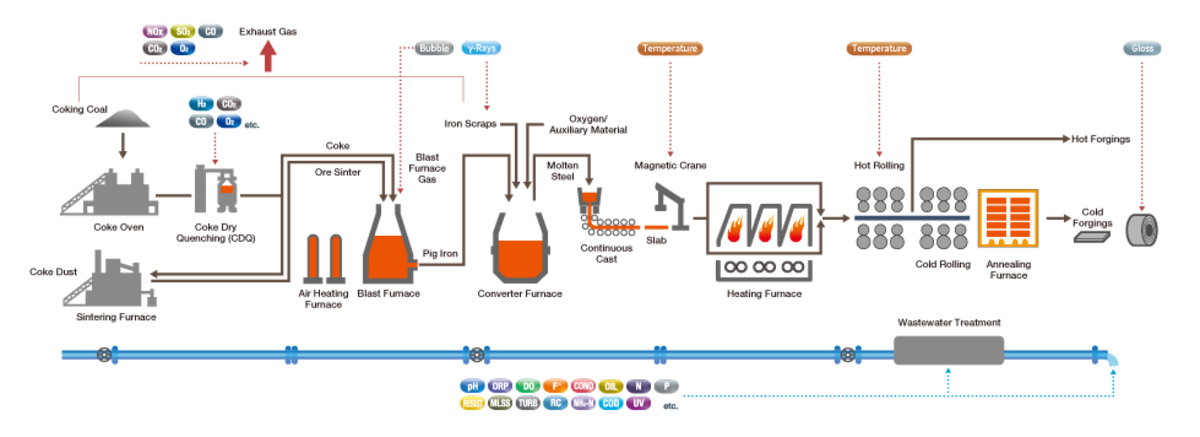
There are two main technologies:
- Blast Furnace – Basic Oxygen Furnace (BF-BOF): uses iron ore and coke, accounting for about 70% of global steel production.
- Electric Arc Furnace (EAF): uses steel scrap and electricity as the main energy source.
For EAF technology, electricity consumption typically ranges from 350–450 kWh/ton of steel (World Steel Association, Energy Use in Steel Industry Report). This shows that electricity is a critical cost factor, especially in the context of electricity prices fluctuating with fuel prices.
4.2. Energy proportion in production cost structure
According to the report by International Energy Agency (IEA), energy costs can account for approximately 20–40% of total steel production costs, depending on technology and production region.
This structure includes:
- Fuels (coke, natural gas)
- Electricity (especially for EAF and steel rolling)
- Thermal energy for heating, firing, and rolling stages.
Therefore, when oil and gas prices rise, input energy costs increase, leading to an increase in steel production costs. This is one of the main reasons why steel prices tend to fluctuate in sync with global energy prices.
4.3. Electricity in rolling, fabrication, and plating stages
Not only the steelmaking stage, but subsequent stages such as hot-rolled, cold-rolled, galvanised, and electro-galvanised also consume significant electricity.
- Steel rolling: requires high-power motors to deform material at high temperatures.
- Hot-dip galvanising: consumes large thermal energy to maintain the molten galvanised bath (~450°C).
- Electro-galvanising (electroplating): directly consumes electricity to create a metal coating.
For electro-galvanised steel (EG steel sheet, SECC/EG), the galvanised layer is formed through an electrolysis process:
- Zn ion2+ moves in the electrolyte solution.
- Under the action of direct current → precipitates onto the steel surface.
This means electricity is not just an operating cost, but a direct constituent factor of the coating layer. When electricity prices rise, electro-galvanised costs increase almost linearly.
4.4. Cost spillover effect from energy to steel prices
In reality, the relationship between energy and steel prices is very clear during periods of market fluctuation. According to analysis by IEA and McKinsey (Decarbonization of Steel Industry):
- When energy prices increase by 10%, steel production costs can increase by approximately 2–5%
- For EAF plants dependent on electricity, the sensitivity may be higher
Cost transmission chain usually occurs in these steps:
- Oil/gas prices increase → electricity generation costs increase
- Electricity prices increase → steel smelting and rolling costs increase
- Production costs increase → finished steel prices increase
- Spreading to downstream industries: mechanical engineering, construction, industrial manufacturing
This explains why, at many times, steel prices and energy prices tend to fluctuate in the same direction in the global market.
4.5. Impact on steel sheet fabrication and mechanical engineering businesses
For steel sheet and steel fabrication businesses, energy fluctuations not only affect raw material prices but also directly impact operating costs:
- Electricity costs for coil slitting, bending, steel sheet cutting machines increase
- Transportation costs increase due to fuel prices
- Fabrication costs increase if dependent on a third party
In this context, optimizing materials and processes becomes a crucial factor:
- Using large width steel sheet to reduce waste when cutting
- Fabrication at the warehouse to reduce intermediate logistics costs
- Choosing materials with stable quality to reduce errors and rejects
This approach helps businesses reduce the impact of energy fluctuations, instead of solely relying on input raw material market prices.
5. Actual impact chain
The entire mechanism can be summarized as follows:
Conflict → oil prices increase → electricity prices increase → production costs increase → chip, RAM, AI and steel prices increase
This is why, at many times, electronic component prices and steel prices tend to increase together.
6. Perspective for manufacturing businesses: optimizing materials to absorb energy fluctuations
Businesses do not compete on steel prices, but on the ability to control hidden energy costs in materials.
In the context of unpredictable energy price fluctuations (gasoline, oil, electricity), manufacturing businesses face pressure not only from input raw material costs but also from operating, fabrication, and logistics costs. This is particularly evident in mechanical engineering, steel structure, and steel sheet fabrication industries – where energy is involved in almost all stages.
In reality, many businesses only focus on negotiating material prices, but overlook a more important factor: optimizing total cost across the chain (total cost), including material waste, fabrication costs, and transportation costs.
6.1. Common mistakes when energy costs increase
- Choosing unsuitable steel sheet width → leading to significant waste when cutting, increasing actual cost per product
- Fabrication through multiple intermediaries → increasing transportation costs and waiting time
- Failure to control tolerance and thickness → leading to errors, rework, increased material and electricity consumption (To avoid this, see the detailed article on errors here: Steel Sheet Thickness Tolerance Standard (Avoid Shortage When Receiving Goods))
In the context of rising electricity and fuel prices, these mistakes are no longer minor costs, but can directly impact a business's profit margin.
6.2. Effective approach: optimizing from materials to fabrication
Instead of focusing solely on the initial purchase price, businesses need to optimize the entire material usage chain:
- Optimize steel sheet width: use large widths (1250mm, 1500mm) to reduce waste during cutting and assembly (Refer to Phu Cuong Steel Sheet's large width steel sheet products here: EG/GA steel sheet 1500mm width (EG, GA))
- Fabrication at source: slitting, cutting, bending directly at the warehouse to reduce logistics and intermediary costs
- Choose stable materials: ensure correct thickness, correct coating layer to reduce risk of errors and rejects
This is how businesses can indirectly “absorb” energy fluctuations, instead of being passive to market prices.
6.3. Phu Cuong Steel Sheet – optimal material and fabrication solutions for businesses
In the context of energy costs increasingly affecting production costs, choosing the right supplier is not just a matter of price, but a matter of overall solution.
In reality, simply choosing the wrong steel sheet width or fabricating through multiple intermediaries can increase actual costs by 5–15% without businesses realizing it – especially during periods of rising electricity and fuel prices.

Phu Cuong Steel Sheet – Partnering with Every Construction Project provides material and fabrication solutions to help businesses optimize actual costs:
- Specializing in supplying galvanised steel sheet, EG steel sheet (SECC/EG), GA steel sheet with diverse specifications
- Advantage of large width steel sheet from 1000mm – 1500mm+, helping reduce material waste during fabrication
- Coil slitting – bending – forming machine system at the warehouse, reducing intermediary costs
- Technical team understands drawings, supports optimizing material solutions for each construction project
- Commitment to correct thickness, correct specifications, beautiful surface, limited scratches
- Proactive transportation by private trucks, optimizing delivery costs and time
Instead of just supplying materials, Phu Cuong acts as a technical partner, helping businesses better control costs in the context of fluctuating energy prices.
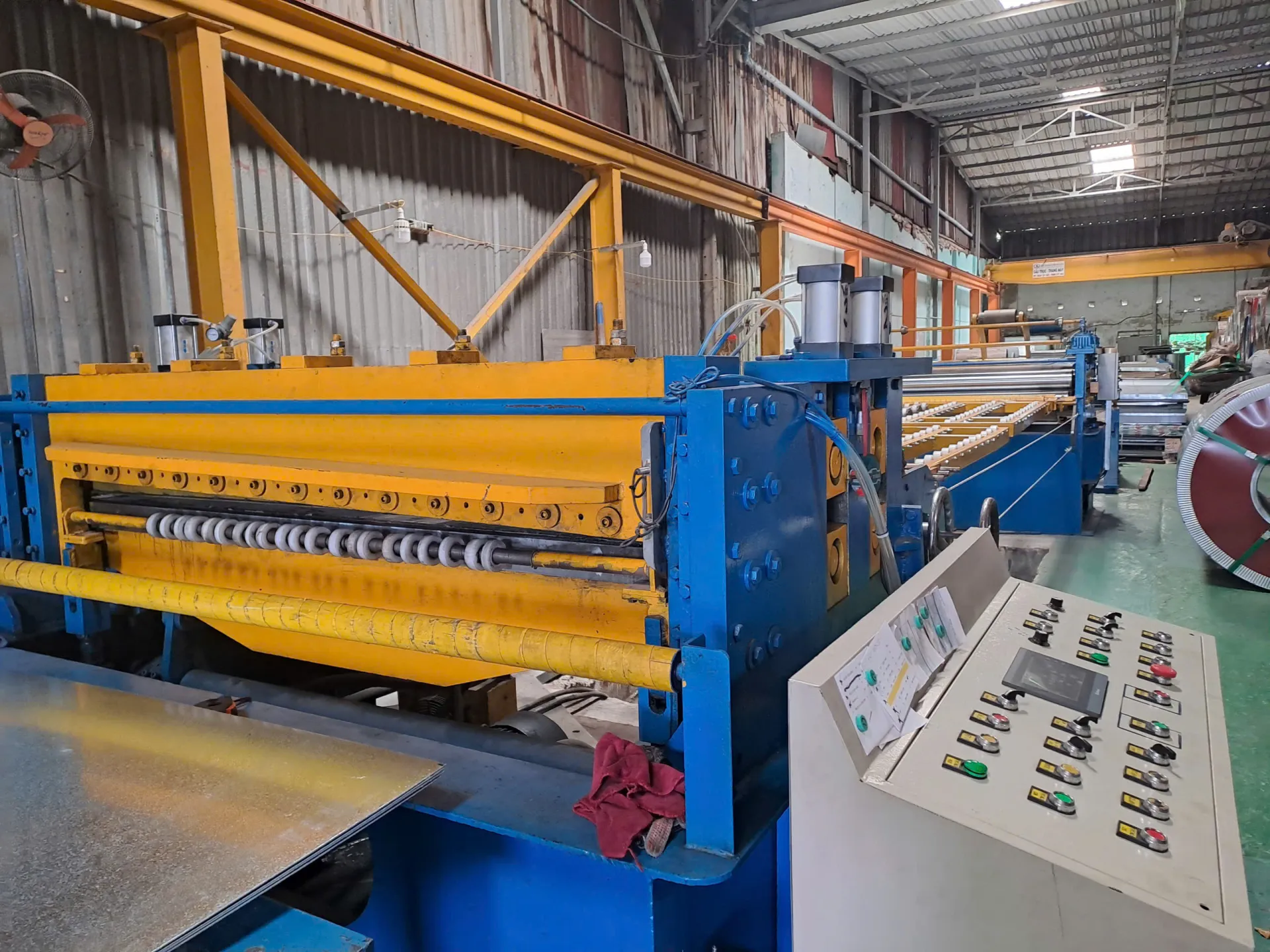
Phu Cuong Steel Sheet – Leading Reputable Large Width Steel Sheet Distributor
Quality builds the brand – Phu Cuong not only supplies products, but also provides comprehensive solutions for the mechanical engineering and construction industries:
- Large warehouse, ready with various types of steel sheet: galvanised, EG, GA, pre-painted galvalume steel sheet
- Full CO, CQ for construction projects requiring standards
- Fabrication on demand: cutting, slitting, bending, forming
- Fast delivery, supporting urgent orders within the day
Contact information:
- Address: 2177C–2177D QL1A, Dong Hung Thuan Ward, District 12, Ho Chi Minh City
- Phone: 0933 919 899
- Email: tonthepphucuong@gmail.com
- Website: tonthepphucuong.com
7. Conclusion
Gasoline prices are not just a transportation story, but the starting point of the entire energy cost chain in the economy.
From chips, RAM, AI to steel and coated steel sheet, all are affected by the same factor: energy.
Understanding this connection helps businesses be more proactive in material selection and production cost control.
View more related articles:
- How to Measure Galvanised Coating on Construction Project: Avoid Errors When Checking Z100, Z180, Z275
- Why Is Galvanised Coating Never Absolutely Correct? Analysis of Z Tolerance In Practice
- Where to Buy EG steel sheet Reliably In Ho Chi Minh City? Quotation & Experience Choosing the Right Standard
- Breakthrough applications of wide width galvanised steel sheet in industry and construction 2026