What is Springback When Bending Steel Sheet? Why is the Finished Product Still Wrong Even When Bent at the Correct Angle on the Machine?
What is Bending Radius Error? Why Parts Bent at the Correct Angle Are Still Difficult to Assemble
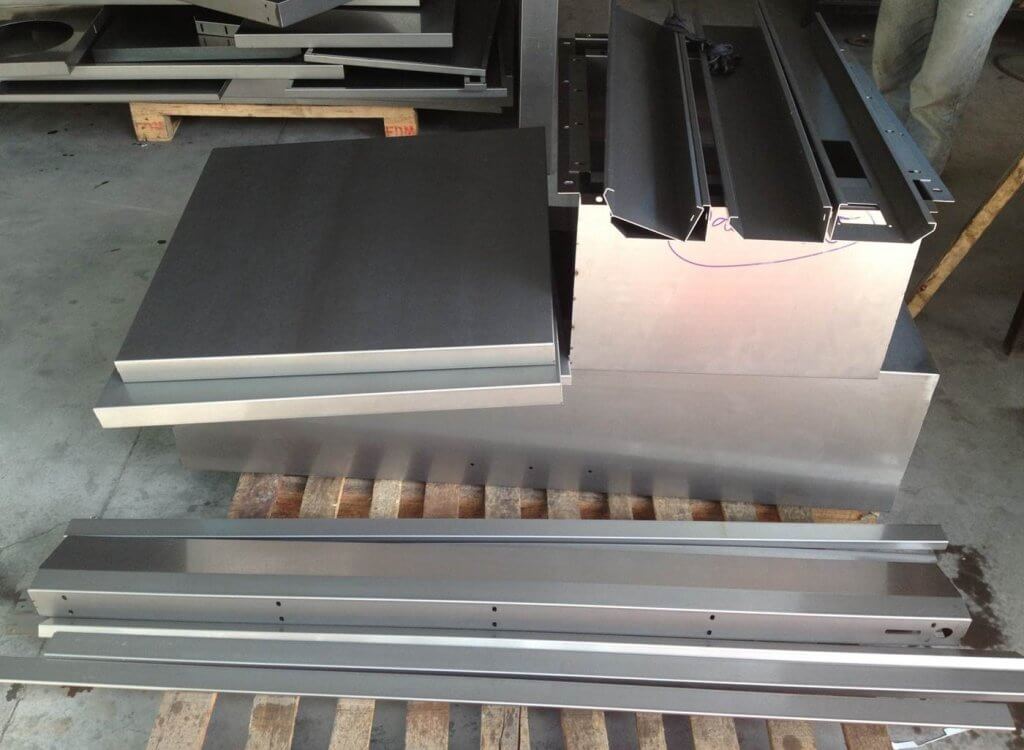
When it comes to metal bending fabrication, many people often focus on the bending angle and forget a very important factor, which is bending radius. In reality, there are many cases where parts appear to have been bent at the correct angle, the bend lines are quite good, the surface is not cracked, but when assembled, theyare obstructed, have gaps, are misaligned, or do not fit snugly according to the designdesign. The reason lies in the fact that the actual bending radius differs from the intended bending radius on the drawing.
This is a technical error that is easily overlooked, especially in orders for steel sheet fabrication according to specifications, box casing parts, channels, trims, mechanical accessories, electrical cabinets, enclosure parts, or components that need to be assembled as a unit. If the bending radius is not well controlled, businesses may encounter situations of incorrect overall dimensions, incorrect edge length after bending, requiring manual adjustment, or even redoing the entire batch.
1. What is bending radius error?
The bending radius is the curved part formed at the position where the metal is bent during the bending process. On technical drawings, this radius is usually specified to ensure that the part after fabrication achieves the correct shape, correct developed size, and correct assembly capability.
Bending radius error occurs when the actual radius formed on the product is larger or smaller than expected. This error not only affects aesthetics but also directly impacts:
- Length of sides after bending
- Overall dimensions of the finished product
- Fit between assembled parts
- Ability to screw, overlap, wrap corners, or join edges
- Proportion requiring rework after fabrication
In other words, if the bending angle is something easily visible to the eye, then the bending radius is the silent determining factor of whether that part "fits" with the assembly system.
2. Why does a part bent at the correct angle still not fit snugly?
This is a very common situation in production. A part may achieve a fairly standard 90-degree angle when measured quickly, but still not fit when assembled. The reason is that a correct angle does not necessarily mean the overall geometry is correct.
When the bending radius changes, the material in the bent area will be distributed differently from the initial calculation. This changes the effective edge length, causing the outer or inner dimensions of the part to be inaccurate. For products requiring seaming, interlocking, edge wrapping, or connecting multiple consecutive sections, even a slight deviation in the bent area is enough to cause cumulative errors.
In practice, fabrication workshops often encounter symptoms such as:
- The bent part has an open edge when applied to the other surface
- The bent trim is at the correct angle but does not fit snugly against the edge
- The bent trough or box has incorrect inner dimensions
- Cabinets, frames, or enclosures are jammed at the joint corners
- Batches of parts produced have low uniformity
3. What factors cause incorrect bending radius?
3.1. Uneven material thickness
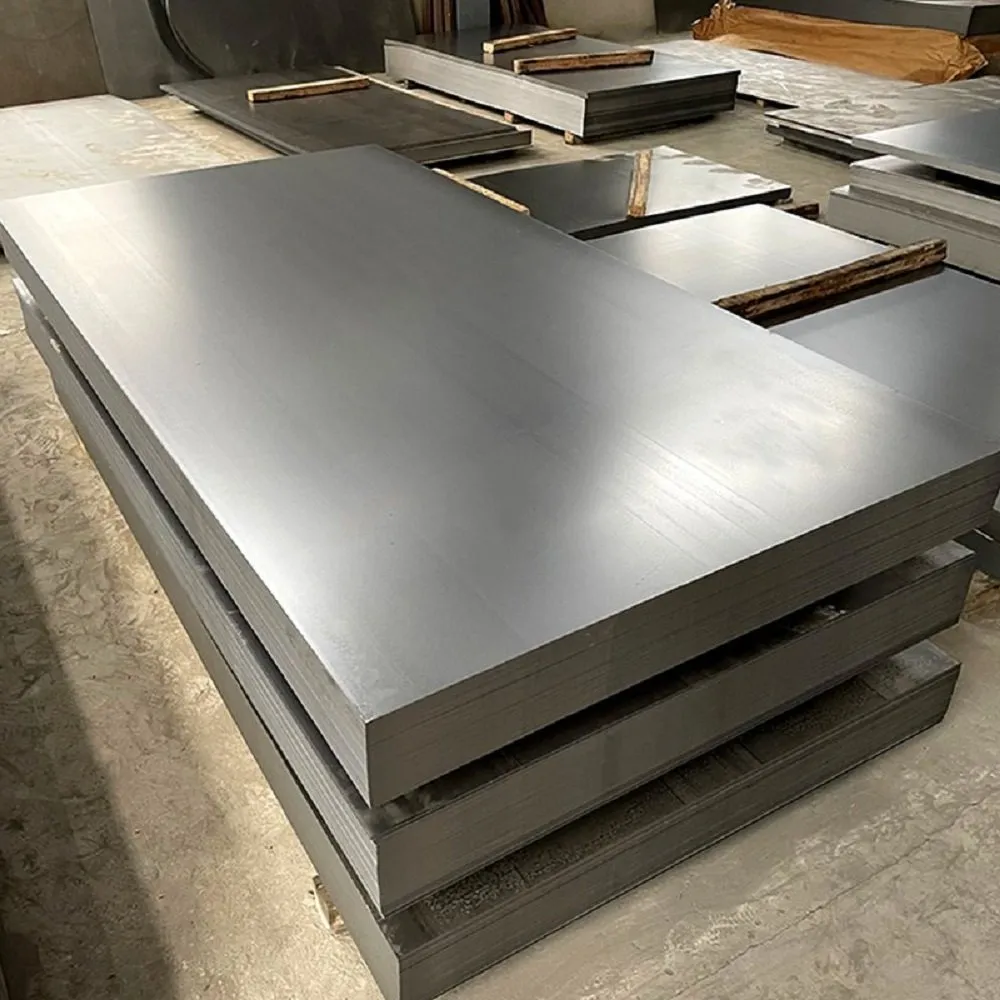
Steel sheets on the market may have thickness deviations between coils, batches or even on the same coil surface. When the thickness changes, the degree of deformation during bending also changes accordingly. This is why, with the same die set and the same machine, one batch bends perfectly while another has a deviated radius.
3.2. Different material mechanical properties
Not all steel grades react the same way when bent. Hardness, yield strength, ductility, and material surface condition all affect how the metal deforms. The harder or more elastic the material, the more the actual radius tends to differ from the initial expectation.
The harder or more elastic the material, the more the actual radius tends to differ from the initial expectation, typical for series such as EG steel sheet SECC, EG.
3.3. Inappropriate V-die selection
The V-die opening directly affects the radius formed at the bend. If the V-die opening is chosen too large compared to the material thickness, the actual radius may be larger than desired. Conversely, if pressed too tightly with an unsuitable die set, the product may be severely deformed, easily marked, or have an increased risk of cracking at the bend line.
3.4. Bending type used
Air bending, bottom bending, or coining will provide different levels of geometric control. Among these, air bending is flexible and common, but the resulting radius depends significantly on the material, V-die opening, and pressing force. If the drawing requires high stability, the choice of bending method should be considered from the outset.
3.5. Drawing does not clearly show required radius
Many orders only specify the bending angle without clearly stating the inner radius, outer radius, or acceptable standard. This can lead to different understandings between the workshop and the customer regarding the finished product's shape. When assembly errors occur, tracing responsibility also becomes more difficult.
4. How does bending radius error affect unfolded dimensions?
In bending fabrication, blank dimensions before bending cannot be calculated by mechanically adding straight edges. Must account for allowance and deduction at the bend area. If the radius is incorrectly assumed, the entire developed length may be off.
This is very important for:
- Parts that need to be CNC cut before bending
- Large quantity orders require high uniformity
- Parts with multiple consecutive bend lines
- Products that need to be assembled as assemblies or modules
A small error in assuming the bend radius can lead to the entire final part being short or oversized, even if the machine operation follows the correct procedure. This is very important for parts that need to be CNC cut before bending or products that have undergone the process of decoiling and sheet cutting.
5. When should special attention be paid to the bend radius?
Not all products require close examination of the bend radius to the same extent. However, businesses should pay special attention in the following cases:
- Details require accurate assembly according to drawing
- Product has many bending lines close together
- Thin material but requires tight geometry
- Hard material, difficult to deform, or with sensitive surface coating
- Repeated orders require consistency between batches
- Details used for electrical cabinets, technical boxes, enclosures, clips, trays, light structural accessories
6. Ways to limit bending radius error in practice
6.1. Check input material more carefully
For stable bending, material must first be controlled. Need to monitor actual thickness, coil origin, surface condition, consistency between batches, and suitability for fabrication requirements. The more stable the input material, the easier it is to control geometric errors after bending.
6.2. Select the correct die set and bending parameters for the task
Do not apply a rigid bending formula for all materials. Depending on thickness, steel type, aesthetic requirements, and finished product geometry, select appropriate V-slot, punch, pressing force, and bending method. For critical details, sample bending should be performed before mass production.
6.3. Synchronize between drawing, unfolding, and machine reality
If design, blank cutting, and bending operation departments do not share common assumptions about bending radius, errors will appear very early. Therefore, it is necessary to clearly agree on which radius the drawing uses, which parameters are used for unfolding conversion, and what geometry the actual machine is producing.
6.4. Save parameters for each commonly used material
For frequently fabricated steel sheet types, the workshop should build an internal experimental data set: actual thickness, die type used, pressing angle, springback amount, formed radius, edge stretch/shrinkage after bending. This is a very effective way to shorten machine adjustment time and reduce the defect rate.
7. Role of the fabrication unit in controlling bending errors
With the same drawing, not every workshop produces identical finished products. The difference lies in material handling experience, ability to read drawings, completeness of machinery, and how errors are controlled from the outset.
An experienced fabrication unit will not just receive drawings and bend intuitively, but also know to pre-warn about positions at risk of radius deviation, incorrect overall dimensions, or difficult assembly. This is especially important for batch production orders, assembly groups, or those requiring high consistency.
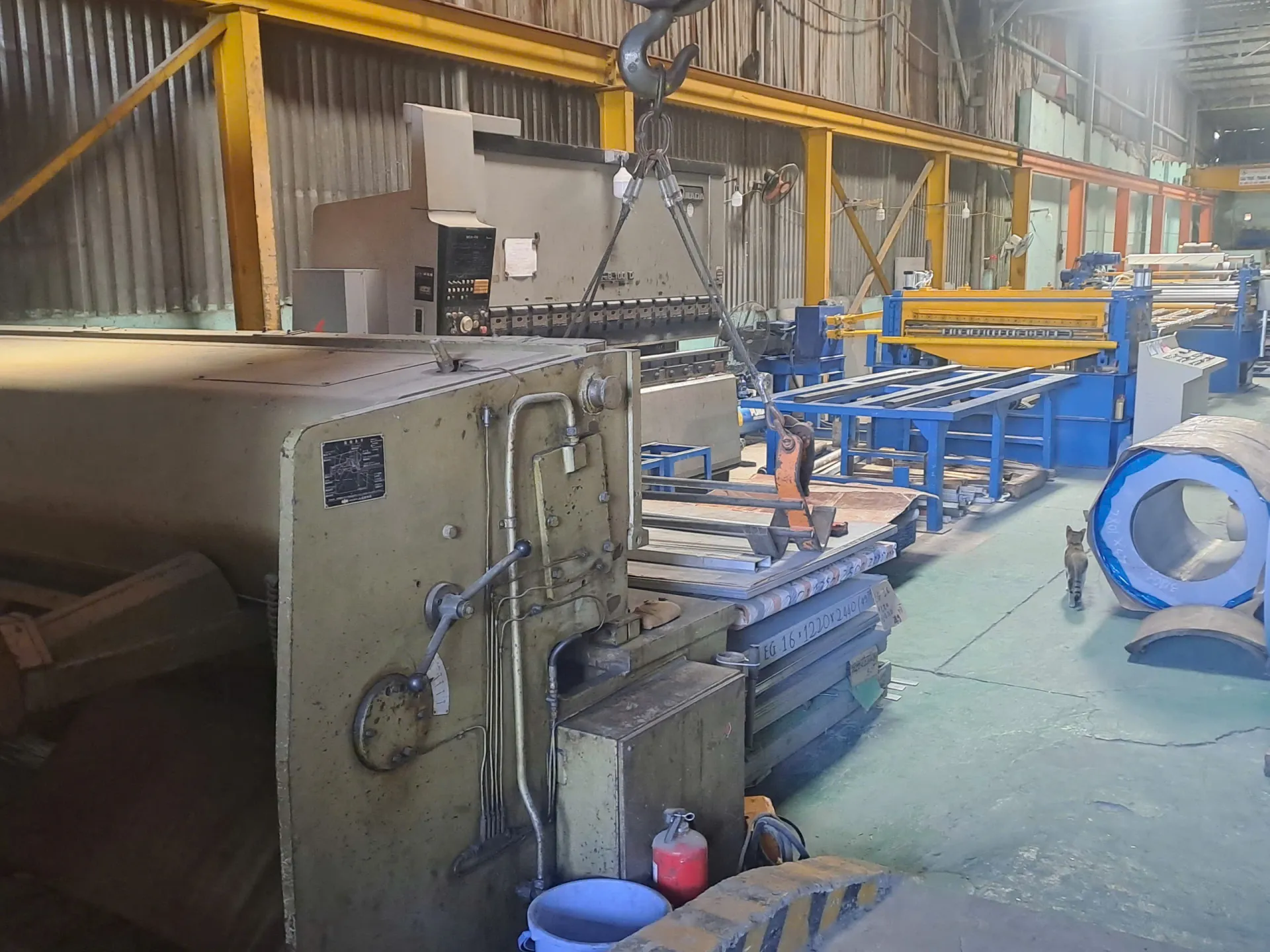
In practice, workshops with proper procedures will typically:
- Check input material before fabrication
- Compare drawings with actual machine capabilities
- Test bending samples before mass production
- Save bending parameters for each material type
- Proactively adjust to ensure assembly details are correct in practice, not just in theory
If you are looking for a supplier that provides materials and supports fabrication according to drawings, Steel Sheet Steel Phu Cuong can well meet these needs. With a system of machinery at the workshop, experience in processing various types of steel sheet and steel, and flexible fabrication capabilities according to specifications, Phu Cuong helps customers minimize errors from the input stage instead of having to fix errors at the assembly step.
The strength of working with a supplier that has its own fabrication workshop like Phu Cuong is the ability to synchronize the entire process from material to finished product:
- Supply EG steel sheet, GA steel sheet, galvanised steel sheet
- Cut sheets as required
- Coil slitting
- Metal bending according to drawings
- Fabricate steel sheet and steel directly at the workshop
- Own trucks, proactive delivery, optimized costs
Instead of just “bending to finish”, choosing the right fabrication supplier will significantly reduce the defect rate, save adjustment time, and ensure products meet technical requirements when assembled.
8. Fabricating steel sheet and steel according to drawings: not just correct angles but also correct overall geometry
In many orders, customers often only detect errors after actual assembly of the details. At that point, correcting errors usually costs much more time and money than controlling from the start. Therefore, evaluating bending quality should not stop at “correct angle or not”, but must consider assembly capability, uniformity, and adherence to drawing geometry.
For businesses that need to fabricate steel sheet and steel, cut and slit coils, bend according to specifications, or produce components for construction projects and civil engineering, choosing the right supplier with suitable machinery and understanding the error problem is a very important factor.
9. Steel Sheet Steel Phu Cuong accepts fabrication of steel sheet and steel on demand
If you are looking for a supplier that provides materials and supports fabrication according to drawings, Steel Sheet Steel Phu Cuong is a suitable choice for many practical needs in Ho Chi Minh City and surrounding areas.

Phu Cuong supplies diverse materials and supports fabrication at the workshop, helping customers more conveniently in the ordering process, specification control, and schedule optimization.
- EG steel sheet
- GA steel sheet
- galvanised steel sheet
- Steel plate, steel sheet according to specifications
- Cut sheets as required
- Coil slitting
- Metal bending
- Fabricate steel sheet and steel at the workshop
Besides material factors, the advantage of a supplier with its own machinery system, fabrication workshop, and trucks is that it helps reduce intermediaries, proactively manage delivery schedules, and optimize costs for customers who need goods according to specifications.
10. Conclusion
Bending radius error is one of the silent but very important reasons why fabricated details are difficult to assemble, even if they appear to be correctly bent. To effectively control finished product quality, a comprehensive view is needed, from input materials, technical drawings, unfolding calculations, mold sets used, to machine operation experience.
In fabricating steel sheet and steel, correct angles are only a necessary condition. For products to be correct, assemble smoothly, run stably, and minimize cold rework, businesses also need to control the geometry of the bent area, especially the actual radius formed on the product.
See more related articles:
- What is Residual Stress in Steel? Why do Steel Sheets Warp After Cutting?
- What is EG Steel Sheet? SECC, EG, EG Electro-Galvanised Steel – A-Z Overview & Applications in District 12
- How to Measure Galvanised Coating Layer at Construction Project: Avoid Errors When Checking Z100, Z180, Z275
Contact Steel Sheet Steel Phu Cuong for suitable solution consultation:
Address: 2177C–2177D QL1A, Dong Hung Thuan Ward, District 12, HCMC
Phone: 0933 919 899
Email: tonthepphucuong@gmail.com
Website: tonthepphucuong.com