EG steel sheet, GA When Fabricating Small Parts: Why Choose the Right Surface, Thickness, and Supplier?
What are EG and GA steel sheets?
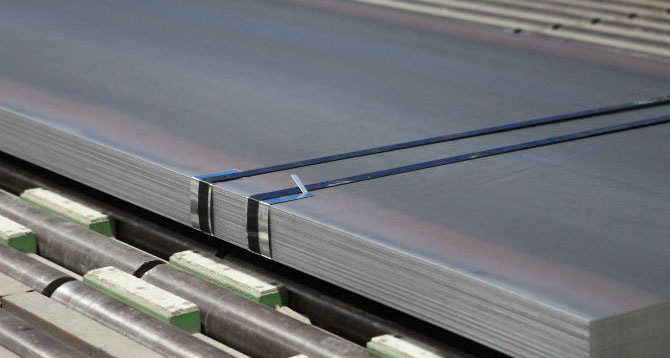
EG and GA steel sheets are a group of electro-galvanised steel sheets widely used in mechanical engineering, door manufacturing, metal furniture, industrial accessories, and many detailed fabrication items. The easily recognizable features of this material are its characteristic metallic luster, relatively flat surface, easy visual inspection, and a clean, neat, professional appearance when used for exposed metal parts.
Read more articles here: EG steel sheet in mechanical engineering, doors, and metal furniture: Why do many workshops prioritize it?
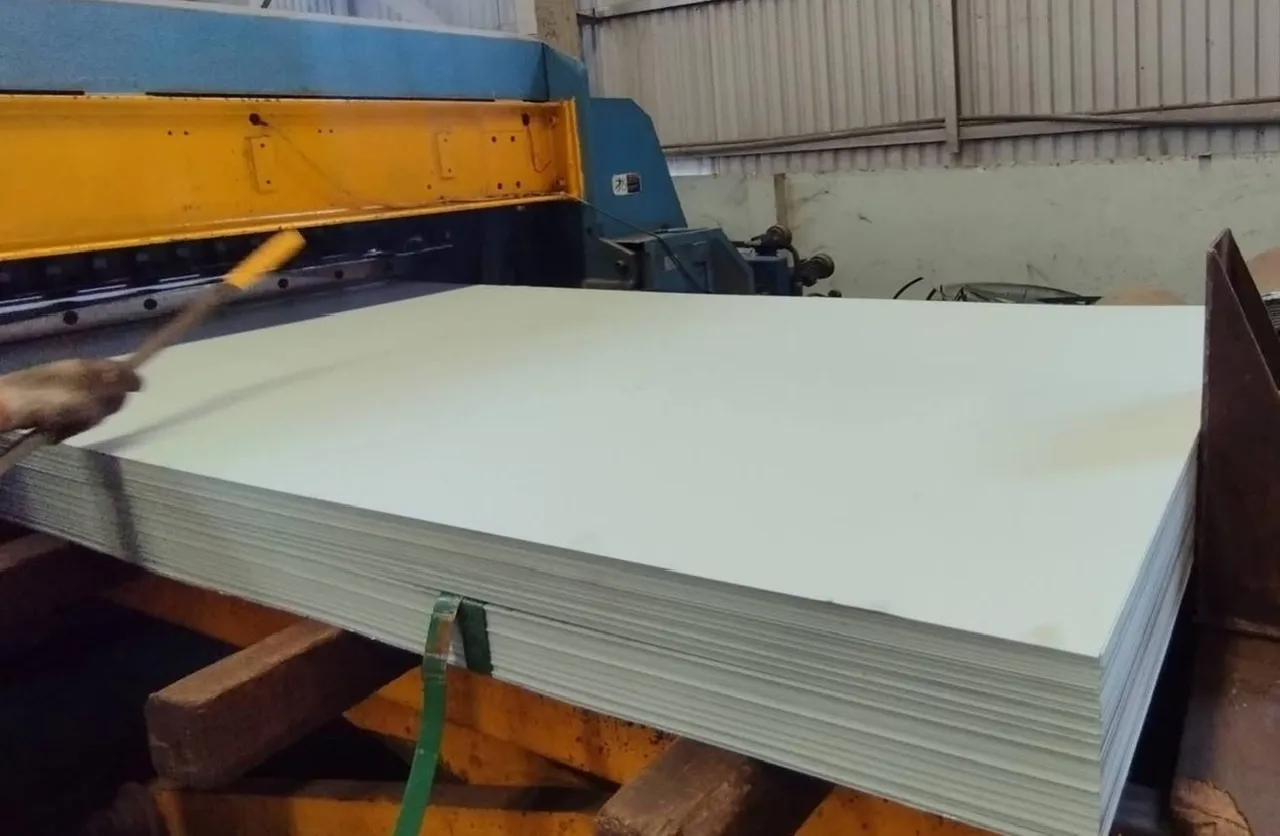
Compared to some types of steel sheets used only for rough structural purposes, EG and GA steel sheets are often chosen by customers when a balance between aesthetics, flatness, workability, and reasonable cost is required. In practice, this type of steel sheet often appears in products such as small gusset plates, metal strips, door components, frame accessories, trim details, technical housing covers, perforated parts, folded edge parts, or products requiring custom cutting.
However, simply choosing the correct material name does not guarantee a product that meets requirements. When subjected to cutting, bending, stamping, perforating, or forming, the material will experience direct mechanical stress. If the steel sheet is not flat enough, the thickness is unstable, the surface is easily scratched, or the fabrication process is not well controlled, the final product may have incorrect dimensions, bent edges, dented corners, scratched surfaces, or difficulty in assembly at the construction project.
Why are EG and GA steel sheets widely used for small parts?
In mechanical manufacturing, not all parts are large plates or heavy structures. Many actual products are made from small, repetitive parts that require high uniformity and a relatively good surface finish. This is why EG and GA steel sheets are chosen by many workshops.
Firstly, the surface of electro-galvanised steel sheet often has a better finish than some raw materials. For parts used in doors, cabinets, frames, furniture accessories, or technical housings, the material surface directly affects the product's feel. A steel sheet with a clean surface, few defects, and few deep scratches will facilitate the subsequent finishing process.
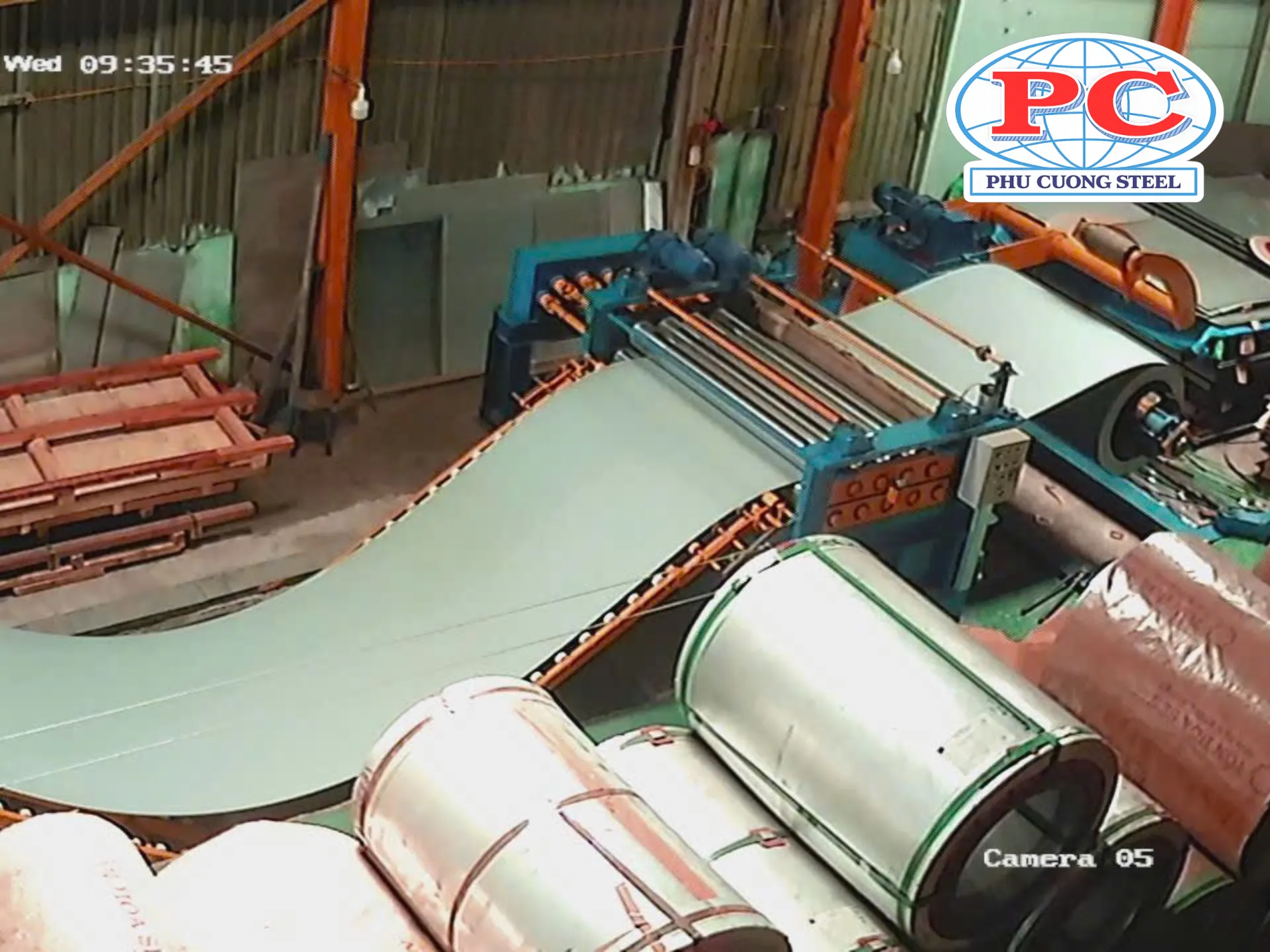
Secondly, EG and GA steel sheets are often suitable for many common fabrication methods such as sheet cutting, coil slitting, bending, stamping, perforating, or cutting into parts according to drawings. When the material has appropriate thickness and is processed by stable machinery, the product can achieve good repeatability, helping workshops save adjustment time.
Refer to related articles: What is EG Steel Sheet? SECC, EG, EG Steel Sheet – A-Z Overview & Applications in District 12
Thirdly, this material has high applicability in small and medium-sized orders. Many mechanical workshops do not need to buy large coils or invest in a full set of cutting, bending, and punching machines themselves. Instead, they often need a supplier with readily available material, capable of cutting to specifications and supporting preliminary fabrication before delivery. This approach helps reduce scrap, reduce processing steps at the workshop, and optimize production costs.
Common problems when fabricating small parts from EG and GA steel sheets
When fabricating small parts, seemingly minor errors can significantly affect the entire batch. A deviation of a few millimeters on a large plate may not be too serious, but for small parts used for assembly, screwing, or as accessories, this deviation can cause the product to not fit, require re-drilling, or even lead to discarding the entire batch.
The first common error is surface scratches. EG and GA steel sheets have an easily observable surface, so deep scratches, drag marks, friction marks during lifting, or dents from stacking can reduce the aesthetic appeal of the product. This is particularly noticeable for parts that are not further painted or coated, or parts located in easily visible positions.
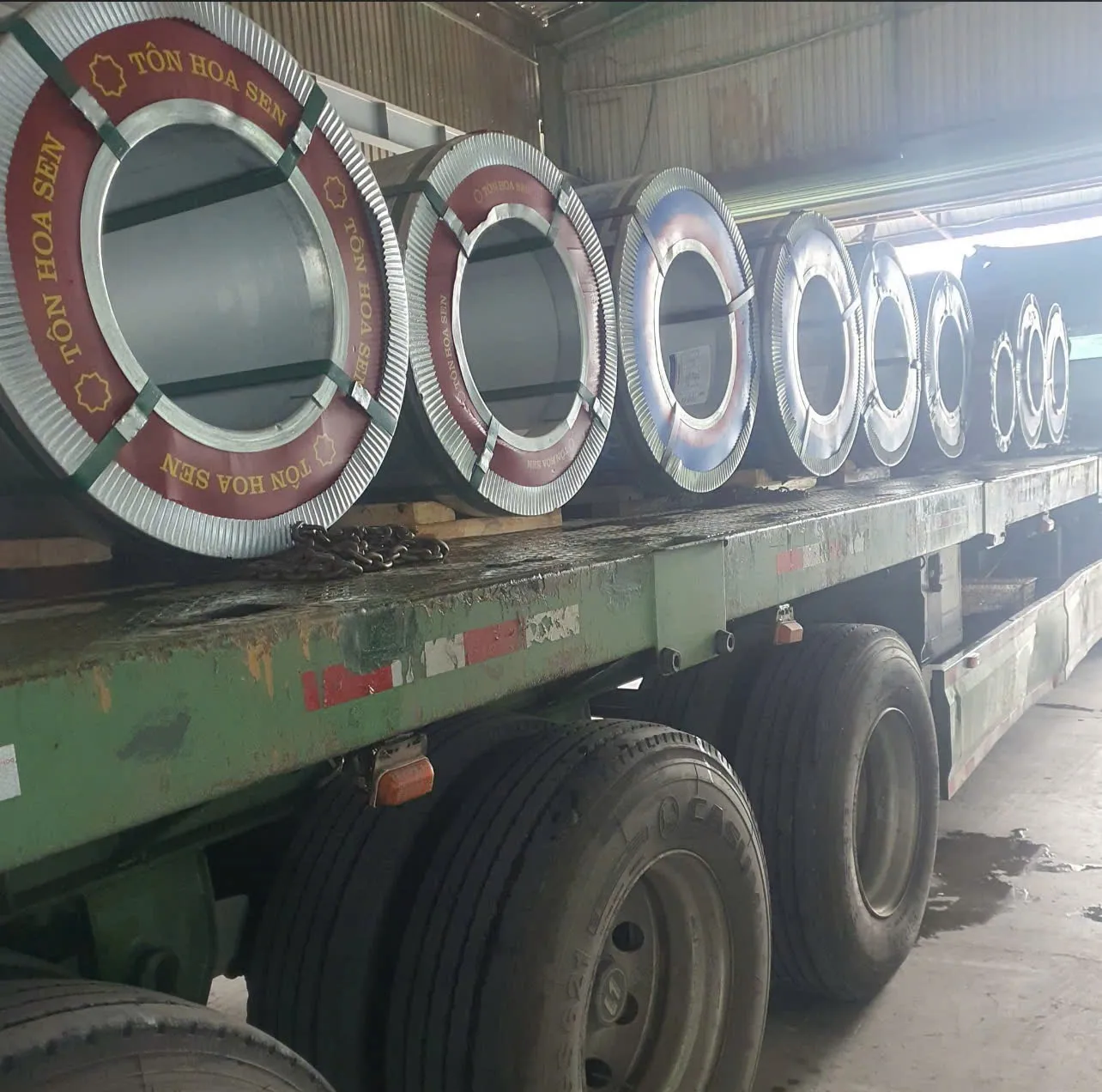
The second error is warping after cutting or bending. When parts are small, short in length, or narrow in width, cutting and bending forces can cause the part's edges to curl, twist slightly, or lose flatness. If the initial material is unstable or the fabrication machine is not properly calibrated, this error is more likely to occur.
The third error is burrs on the cut edge. Burrs are sharp ridges or excess metal that appear after cutting, punching, or stamping. For small parts, burrs can make assembly difficult, scratch other surfaces, or pose a safety hazard to operators. Therefore, when ordering small parts, customers should pay attention not only to dimensions but also to the cleanliness of the cut edge.
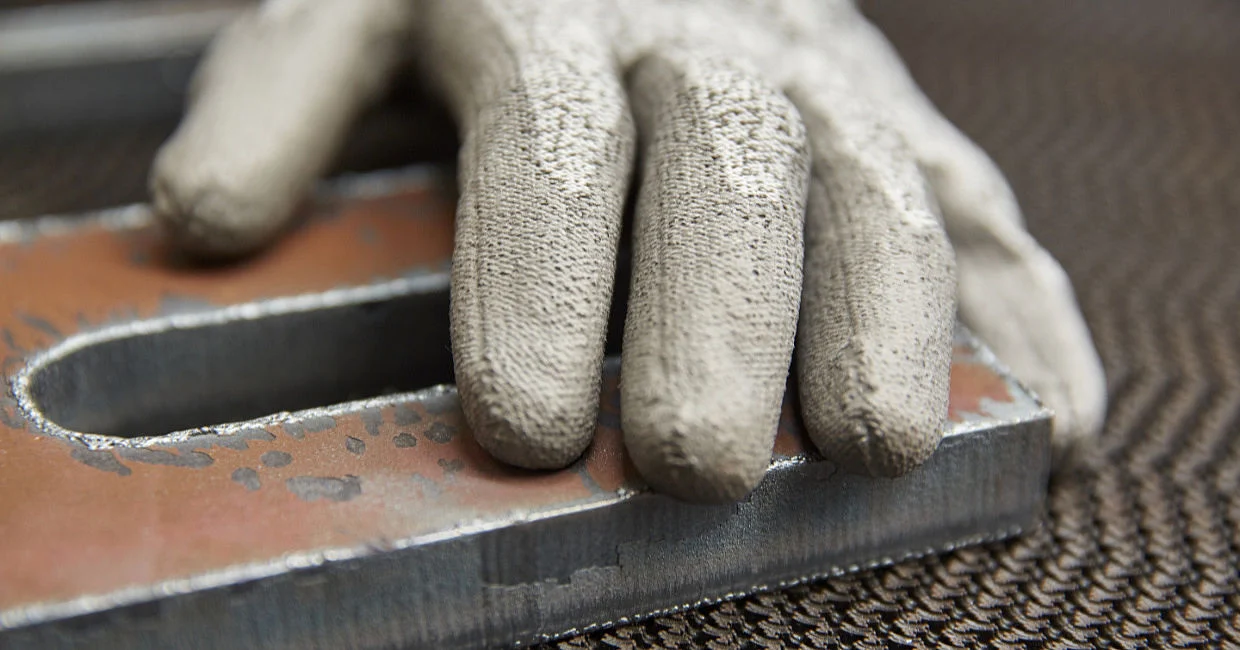
The fourth error is misaligned punched holes or misaligned bend positions. For parts with screw holes, assembly slots, folded edges, or bent corners, the fabrication position needs to be carefully controlled. If holes are misaligned, edge distances are uneven, or bend angles are incorrect, the part may not fit with the main product assembly. This is a common error when drawings are unclear, material shifts during fabrication, or the fabrication unit lacks experience with small parts.
How to choose the appropriate steel sheet thickness for small parts
Thickness is an important factor when choosing EG and GA steel sheets for fabrication. If too thin, the part may be weak, easily dented, easily vibrated, or easily deformed when screwed. If too thick, costs increase, weight is greater, and bending and stamping processes may be more difficult. Therefore, thickness should be chosen based on the actual use purpose.
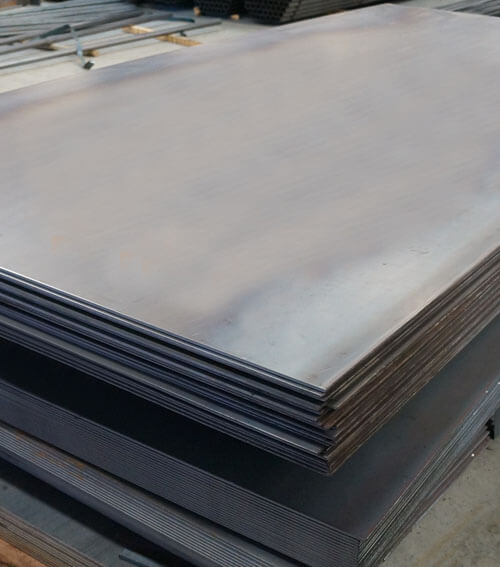
For parts that are protective covers, light cladding, or not subject to heavy loads, customers can prioritize moderate thickness for easy fabrication and cost optimization. For parts used as gusset plates, connecting brackets, support parts, frame parts, or load-bearing accessories, a higher thickness should be chosen to ensure rigidity. In some cases, thickness must also depend on the fastening method, hole spacing, bend radius, and assembly requirements.
Another important point is to check the actual thickness, not just rely on common names. In the steel sheet market, customers often refer to materials by “mm” or by rounded thickness. However, when fabricating parts requiring precision, it is necessary to clearly agree on the actual thickness, allowable tolerance, and usage requirements. This helps avoid situations where one type is ordered but the received material does not meet expectations.
If the product requires high uniformity, customers should discuss in advance with the supplier about thickness, steel sheet width, cutting length, number of parts, and surface requirements. An experienced supplier will be able to advise on which material to choose, whether large blanks need to be cut first, whether to bend after cutting, or whether to change the fabrication order to limit warping.
Notes on surface when choosing EG and GA steel sheets
Surface is a very important factor for EG and GA steel sheets. For mechanical engineering customers, a good steel sheet is not only rust-free but also must have limited scratches, no severe dents, no difficult-to-remove stains, and be suitable for the fabrication purpose.
When used for small parts, the surface needs to be protected even more carefully. During cutting, punching, bending, or transportation, if the steel sheet is dragged directly on a hard surface, mixed with sharp objects, or stacked improperly, the surface can be scratched. For some products, scratches do not significantly affect functionality. But for products requiring aesthetics, scratches can reduce the value of the finished product.
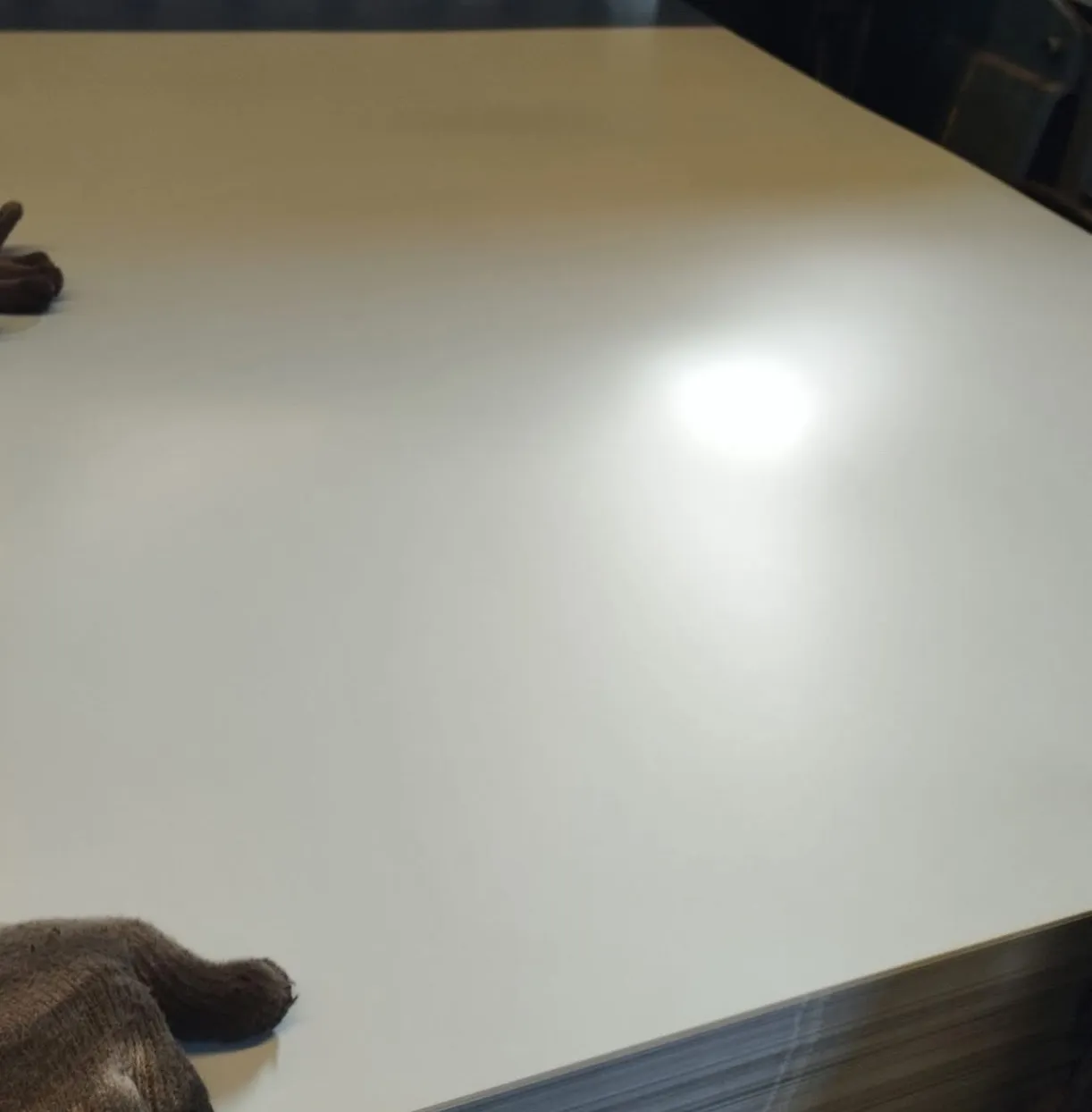
Customers should determine in advance whether the fabricated product will be painted, re-plated, located in a visible position, and whether it requires a high surface finish. If the part will subsequently be painted or surface-treated, the appearance requirements may differ from parts used directly. Conversely, if the part retains its EG or GA surface, clean material should be chosen, well-preserved, and scratches limited during fabrication.
Additionally, it should be noted that there may be slight differences in surface color between different batches. If the product requires uniform color, uniform surface, and is used together in a product set, customers should order from the same material batch or discuss clearly with the supplier before cutting the order.
Fabrication at warehouse How does it help mechanical workshops save?
For many mechanical workshops, buying large sheets and cutting them down in-house is not always optimal. If the workshop lacks sufficient cutting machines, bending machines, punching machines, or labor, this process can incur many hidden costs such as material loss, time spent preparing blanks, loading/unloading labor costs, scrap generation, and delayed delivery schedules.
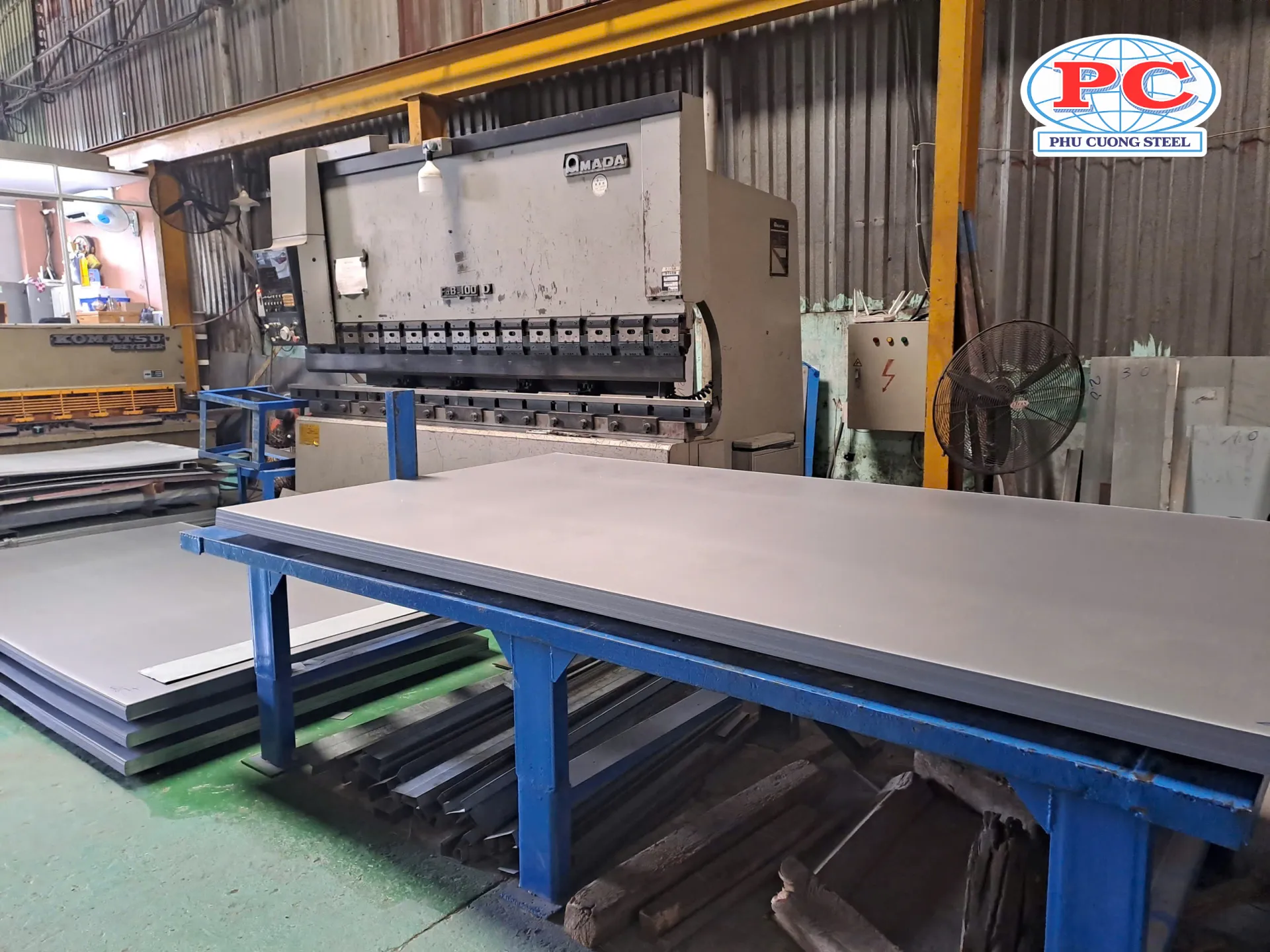
When ordering materials from a supplier with available fabrication services, customers can request cutting to specification, decoiling, bending and stamping, or preliminary fabrication before delivery. This helps workshops receive materials closer to the required dimensions, reducing the amount of rework. Especially for orders with many repetitive small parts, in-warehouse fabrication helps increase consistency among parts.
Another benefit is optimized transportation. Instead of transporting large sheets to the workshop for cutting, customers can receive materials already neatly cut to specification. This makes loading and unloading easier, reduces the risk of bending or denting during transport, and is more suitable for workshops with limited space.
However, for effective in-warehouse fabrication, customers need to provide clear information: material type, thickness, cutting dimensions, quantity, surface requirements, cut edge requirements, hole punching locations, bending angles, and acceptable tolerance. If a drawing is available, it should be sent to the supplier for prior review. If no drawing is available, customers should clearly list dimensions in order to avoid confusion regarding length, width, or fabrication location.
When should steel sheet EG be chosen and when should steel sheet GA be chosen?
steel sheet EG and steel sheet GA both belong to a group of materials widely used in mechanical engineering and metal fabrication, but the choice depends on the actual product requirements. In many cases, the difference lies in the surface, workshop's usage habits, aesthetic requirements, and available stock.
If the product requires a bright, easily identifiable surface and is suitable for common mechanical parts, steel sheet EG is a popular choice among many customers. This type is often used for auxiliary parts, mechanical components, door parts, frames, trims, or products requiring a relatively clean surface.
steel sheet GA is often chosen when customers prefer a more subdued surface, with less glare, and suitable for some products requiring neutral colors. In practice, many workshops will choose based on the end customer's requirements, existing production samples, or consistency with other parts in the same product.
Refer to related articles here: How Do Custom Steel Sheet Fabrication Services Help Customers Save Time And Costs?
It is important not to choose materials based solely on their name. Customers need to consider thickness, surface, flatness, steel sheet width, ability to be cut to specification, and suitability for the fabrication method. A material that looks good but is not the correct thickness or is unsuitable for the bending radius can still cause production errors.
Optimal solution for ordering steel sheet EG, GA fabrication for small parts
To minimize errors in small part fabrication, customers should start by correctly identifying their needs. Before placing an order, some basic questions need to be answered: what is the part used for, does it need to bear load, does it require a good surface finish, does it need holes punched, does it need to be bent, what is the quantity, is urgent delivery required, and are there specific tolerance requirements?
Afterward, customers should choose a supplier with suitable materials in stock and on-site fabrication capabilities. This helps reduce the risk of transferring goods through multiple parties, minimizes scratches during intermediate transport, and makes it easier to control progress. For orders requiring various cutting dimensions, working directly with a supplier that both provides materials and supports fabrication will be more convenient.
Furthermore, prioritize suppliers experienced in handling orders for mechanical workshops, doors, metal furniture, and construction projects. These customer groups often have very specific practical requirements: materials must be of the correct thickness, correct specification, with relatively clean cut edges, minimal warping, delivered on time, and with flexible order processing. These factors directly affect the production schedule.
For small parts, customers should also order a reasonable surplus if the product requires sample inspection, test fitting, or has potential loss. Ordering exact quantities can sometimes cause difficulties if a few parts need to be replaced during production. An experienced supplier can advise on blank division, cutting methods, and how to order quantities more reasonably.
Phu Cuong Steel Sheet and Steel – Leading Reputable Large Width Steel Sheet Distributor
Phu Cuong Steel Sheet and Steel is a specialized supplier of steel sheet and steel products for mechanical workshops, construction projects, doors, metal furniture, and various actual production needs in HCMC and surrounding areas. With the advantage of a large warehouse, diverse product range, and on-site fabrication support, Phu Cuong helps customers choose more suitable materials for each specific use.

Key products at Phu Cuong Steel Sheet and Steel include galvanised steel sheet in 1000mm, 1250mm, 1500mm widths; steel sheet EG, steel sheet GA; color-coated cold steel sheet, and various steel sheet and steel specifications for production. Notably, the company specializes in large width steel sheets from 1500mm upwards, suitable for orders requiring minimal splicing, optimized blanks, and reduced material loss.
In addition to material supply, Phu Cuong Steel Sheet and Steel also supports fabrication services such as decoiling, cutting to specification, bending and stamping, punching holes, and in-warehouse steel sheet fabrication. Modern machinery ensures flat and clean cuts, correct specifications, minimizes scratches, and helps customers save processing time at their workshop. A team of technicians knowledgeable in drawings, material specifications, and the actual needs of mechanical engineering customers makes the ordering process more convenient.
Another important advantage of Phu Cuong Steel Sheet and Steel is owning its delivery trucks, which enables proactive transportation, supports urgent orders, and optimizes logistics costs for customers. With the motto “Quality builds brand”, Phu Cuong not only supplies materials but also accompanies customers in choosing the right steel sheet, correct thickness, correct specification, and correct fabrication solution.
If you are looking for steel sheet EG, steel sheet GA, galvanised steel sheet, or need steel sheet cut to specification for mechanical parts, doors, frames, accessories, and construction projects, Phu Cuong Steel Sheet and Steel is a reliable address to consider.
Phu Cuong Steel Sheet and Steel Contact Information:
- Address: 2177C – 2177D National Highway 1A, Dong Hung Thuan Ward, District 12, HCMC
- Phone: 0933 919 899
- Email: tonthepphucuong@gmail.com
- Website: tonthepphucuong.com
See more reference articles:
- EGI Steel Sheet Cutting 1.6mm – 2.3mm PP Film Laminated: Surface Protection Solution for Mechanical Engineering, Doors, and Metal Furniture
- Buying Steel Sheet and Steel in District 12 and the Southern Region: How to Choose the Right Supplier for Mechanical Workshops, Construction Projects
- How to Read Material Symbols on Steel Sheet and Steel Delivery Notes: What Do SGCC, SECC, EG, GA, Z100, Z180, Z275 Mean?
- Steel Sheet Warping After Fabrication: Causes, How to Check, and Optimal Solutions for Mechanical Workshops, Doors, and Construction Projects
- Steel sheet EG in mechanical engineering, doors, and metal furniture: Why do many workshops prioritize it?