Steel Sheet Warping After Fabrication: Causes, How to Check, And Optimal Solutions For Mechanical Workshops, Doors And Construction Projects
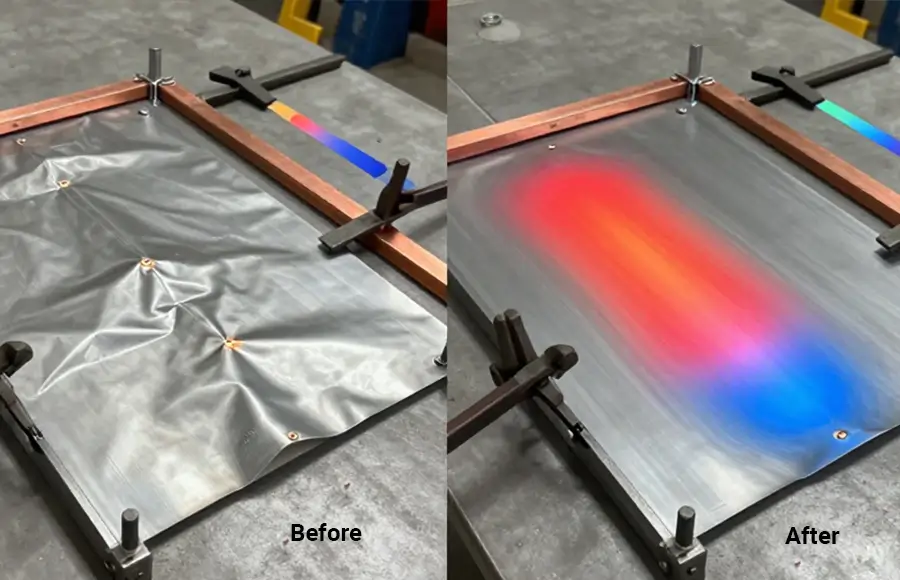
In actual production, a steel sheet that appears “normal” when still in coil form or not yet introduced into the fabrication line may not necessarily be a stable material sheet. Many units only discover the problem when after uncoiling, after flat cutting, after bending or only at the installation stage do they find the sheet is bent, distorted, twisted, or no longer maintains the desired flatness. At that point, the incurred costs are not only in the material, but also in labor, machinery, adjustment time, delivery schedule, and reputation with the end customer.
For the mechanical engineering industry, doors, metal furniture, wall cladding, gutters, technical boxes, stamped parts, and many other construction project items, the phenomenon of steel sheet warping after fabrication is a very noteworthy defect. It is worth noting that this defect does not always originate from a single cause. In some cases, it is due to the initial material having residual stress; in some cases, due to poor flatness; in some cases, due to incorrect uncoiling, cutting, bending, or storage processes. If only the symptoms are addressed without looking at the overall process from material selection to fabrication, the warping defect will recur continuously.
The article below will go from the nature of the problem to practical application. The goal is not only to explain “what is steel sheet warping”, but also to help buyers, technical personnel, mechanical workshops, and construction units understand clearly: what to check before receiving goods, what to note before putting into fabrication, and how to reduce the risk of warping from the outset.
See more related articles: Why Do Cut Steel Sheets Become Skewed? How to Correctly Understand Diagonal Tolerance in Steel Sheet Fabrication
1. What is steel sheet warping after fabrication?
Steel sheet warping after fabrication is the phenomenon where the steel sheet no longer maintains its expected stable geometric state after undergoing one or more stages such as uncoiling, flat cutting, bending, stamping, punching, welding, or assembly. Instead of lying flat, straight, and even, the sheet may sag up, sag down, twist slightly, have twisted edges, an undulating surface, or be distorted after fabrication.
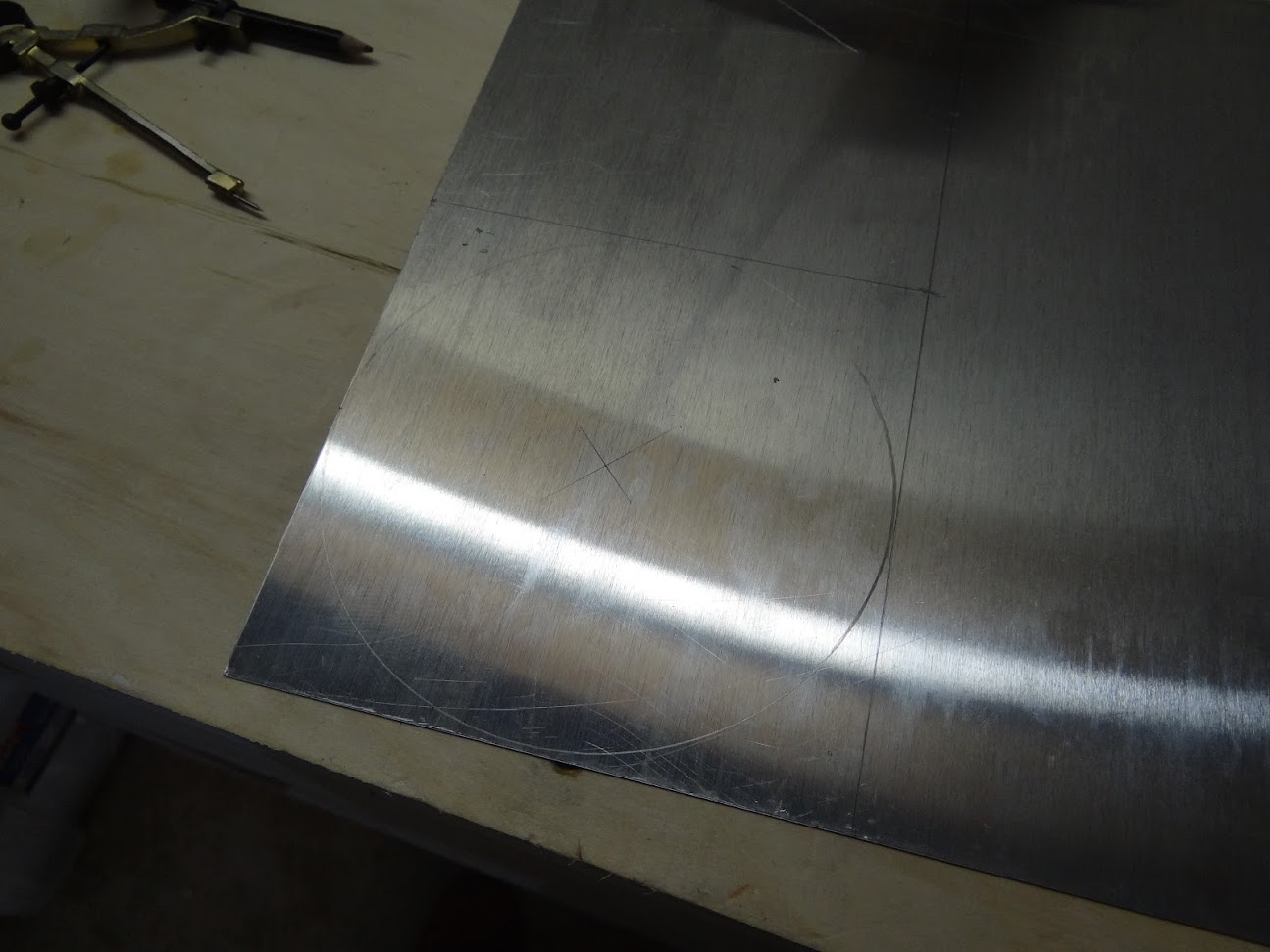
From a technical perspective, this is a sign that the internal forces within the material sheet or mechanical impacts during the fabrication process have destabilized the initial state. Industry professionals often briefly say “cuts out warped”, “bends out warped”, “doesn't lie flat on the table”, or “gaps when fitted into the frame”. Although the terminology may differ, the essence remains that the geometric stability of the sheet does not meet requirements.
This defect is particularly sensitive for items requiring high aesthetics or high assembly precision such as steel doors, electrical cabinet panels, metal facades, bent box parts, trims, cladding panels, panels, cable trays, cable ladders, civil and industrial mechanical parts. Even a small warp can cause uneven gaps, unsightly seams, unstable paint coating, or make the assembly process time-consuming for adjustments.
See more related articles: What is steel sheet bending fabrication? Process, advantages, and practical applications
2. Signs of steel sheet warping after fabrication
Warping does not always manifest in the same way. Depending on the material, specifications, and stage, the defect can appear in many forms:
- The sheet sags in the middle when placed on a flat surface.
- The two edges of the sheet are not on the same plane.
- The sheet is slightly twisted, showing an angle difference when laid down.
- After bending, the part is unbalanced, edges are not parallel as designed.
- After slitting or width cutting, the edge clearly flares or shrinks unevenly.
- Gaps when fitted into the frame, not sealing tightly, requiring manual adjustment.
- The surface appears “rippled”, “wrinkled”, “undulating”, or loses flatness to the naked eye.
On a small scale, many people overlook it, thinking it can be handled manually. But in mass production or construction projects with urgent deadlines, having to manually straighten, shim, adjust, or rework multiple times will quickly increase costs. For large-width orders or long parts, the consequences are even clearer because small deviations will be magnified during installation.
3. Why does steel sheet warp after fabrication?
This is the most important part. To resolve it completely, it is necessary to understand that the defect does not come from a single cause but is often the synergy of many factors.
3.1. Residual stress in material
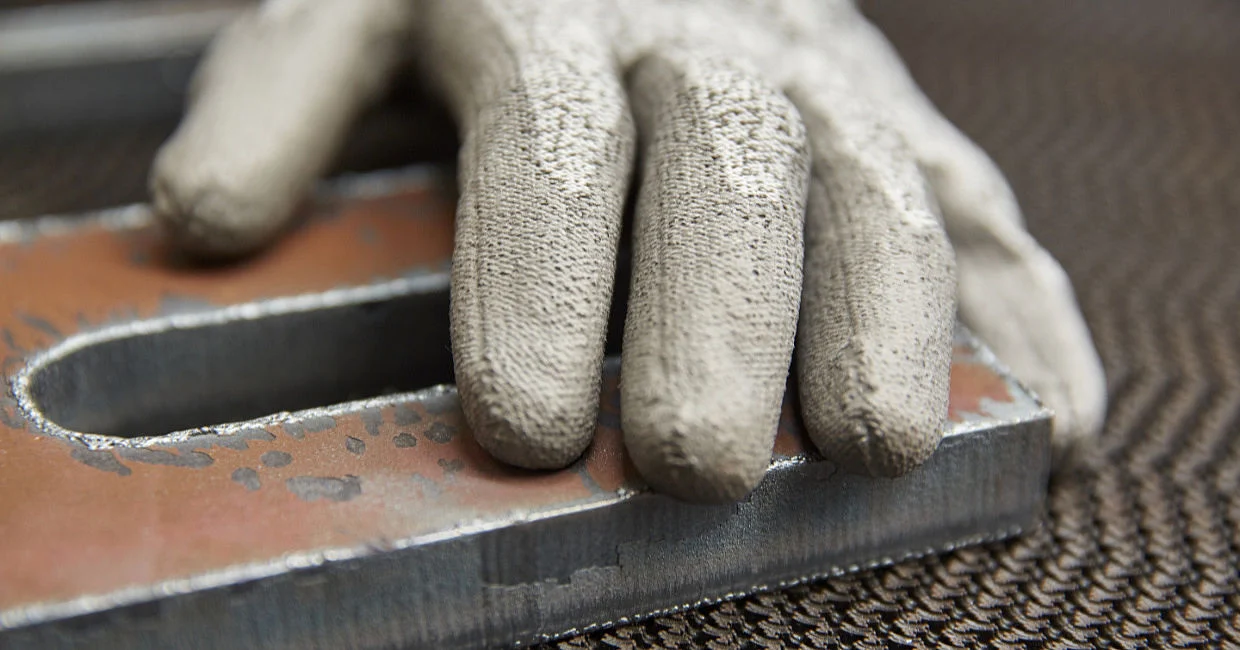
Residual stress is the internal force “retained” within the material after rolling, cooling, slitting, straightening, or surface treatment processes. When the sheet is in its original state, this stress may not be clearly evident. But when cut, slit into smaller pieces, bent, or stamped, the old balance is broken, and the sheet begins to bend, twist, or distort.
This is why there are cases where a steel sheet coil, looking very stable externally, but after being cut into smaller widths or bent according to parts, the phenomenon of “flaring” or “warping” appears. If the workshop does not understand this mechanism, it is very easy to completely blame the bending machine or the operating workers, while the root cause lies in the initial state of the material.
3.2. Poor initial flatness of the sheet
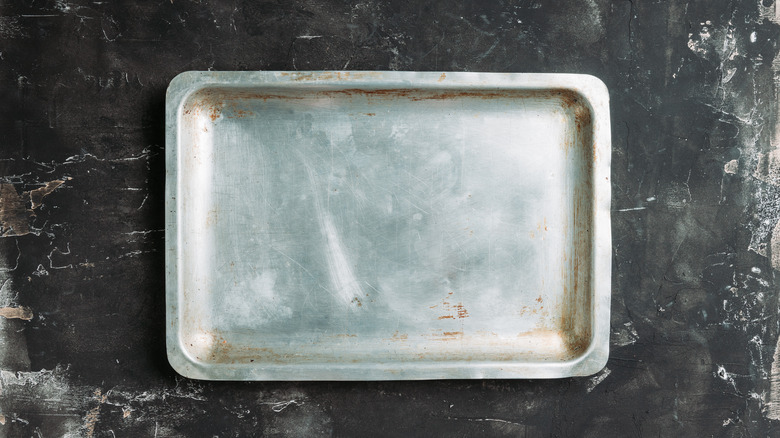
Flatness is a very important criterion but often overlooked when purchasing materials. A steel sheet with an insufficiently flat surface, or already having a slight curve from before, will more easily reveal deviations when introduced into subsequent stages. For items requiring a beautiful surface such as doors, panels, electrical cabinets, facades, or metal furniture parts, flatness is even more critical.
Many units, upon receiving goods, only check specifications, nominal thickness, or surface color without evaluating flatness. Only after cutting or installation do they find that a lot of time is spent on adjustments.
See the detailed article here: Steel Sheet Warping After Fabrication: A Defect Due to Flatness Tolerance That Many Overlook
3.3. Uneven thickness or unsuitable tolerance
Tolerance is the permissible error range compared to the nominal dimension. In the steel sheet industry, if the thickness varies unevenly across the sheet or between material batches, the material's reaction during bending, cutting, stamping will also be uneven. This can cause parts to be skewed, distorted, or create different mechanical behaviors in different areas on the same sheet.
This is why well-established production workshops often don't just ask “what is the steel sheet thickness”, but also care about material stability, surface quality, uniformity, and suitability for subsequent fabrication stages.
You can read the article on steel sheet thickness tolerance here: Steel Sheet Thickness Tolerance Standard (Avoid Shortage When Receiving Goods)
3.4. Suboptimal rolling direction and cutting part layout
Flat-rolled metal materials often have different mechanical properties along the rolling direction and transverse direction. If the cutting part layout is unreasonable, or bending is done against the suitable direction, the likelihood of uneven deformation can increase. For long, thin parts requiring multiple bends or high straightness, the rolling direction factor is even more noteworthy.
Many fabrication units, upon receiving drawings, immediately proceed with cutting, but do not consider the rolling direction, part length, and bending sequence. The result is that even if the machine runs with correct parameters, the final product is still not aesthetically pleasing.
3.5. Improper uncoiling and straightening process
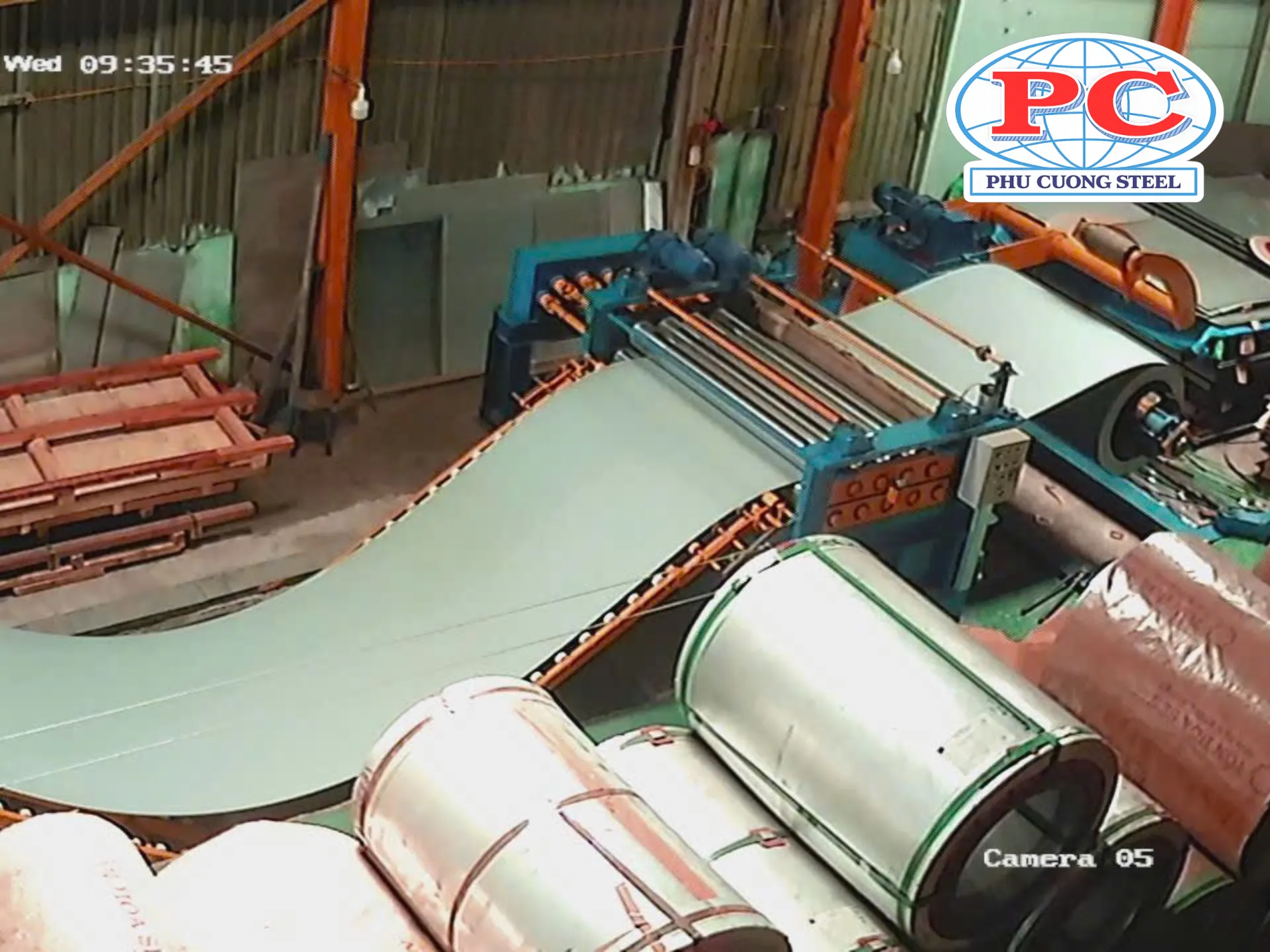
Steel sheet in coil form always tends to retain a certain “coil memory”. If the uncoiling, flattening, or cutting stages are not well controlled, the sheet after being unrolled may still have residual curvature. Especially for large widths, long lengths, or materials with relatively high strength, the quality of the uncoiling stage significantly affects the final flatness.
Simply put, for the same type of material, if one party has a better uncoiling, straightening, and cutting system, the resulting product will be significantly more stable. This is a major difference between simply purchasing material and working with a unit that has actual fabrication capabilities.
Besides warping, the cutting process can also create burrs when cutting steel sheet, affecting the finish and safety during assembly.
3.6. Uneven force distribution during bending and stamping
During the bending and stamping process, if the die setup is unreasonable, the bending force is unevenly distributed, the bending sequence is not optimized, or the part is too long but not properly supported, the material can be pulled off-center and develop warping after fabrication. This is a very common phenomenon with long boxes, long trims, long gutters, or parts with many consecutive bends.
Reality shows that many defects are not due to entirely poor material, but because average material is put into complex bending processes, requiring more than its own stability capability. In such cases, material selection from the outset plays an extremely important role.
3.7. Improper storage, transportation, and handling
Large-width or thin steel sheets, if stored on an uneven support surface, stacked incorrectly, over-tightened, or handled unevenly, can also develop warping. Many people only focus on material and machinery, but overlook the logistics stage. Meanwhile, just improper support or unstable transportation can cause the sheet to start deforming slightly by the time it reaches the workshop.
See more related articles: Why steel sheets get scratched during transportation and effective solutions
3.8. Heat, welding, or surface treatment effects after fabrication
After cutting or bending, if the part continues through heat-generating stages such as welding, grinding, or paint drying, internal stresses can continue to change. At that point, a part that was “temporarily stable” in the previous stage can still warp in a subsequent stage. This is common in assembled mechanical parts or components that undergo multiple sequential processing steps.
4. Consequences of warping are not just poor surface aesthetics
Many people think warping only affects aesthetics. In reality, the consequences are much broader.
4.1. Increased waste and rework
When a part is not up to standard, the workshop must straighten, re-bend, or re-cut it. Each time means additional machine time, labor, and increased material waste.
4.2. Difficult assembly, time-consuming adjustments
Warped parts cause uneven gaps, do not fit the frame, and do not seal joints tightly. The construction project team has to do more manual work, easily delaying the schedule.
4.3. Reduced overall aesthetic quality
For items such as doors, electrical cabinets, facades, cladding panels, metal furniture, or exposed surface structures, if the steel sheet surface is not flat, the product immediately looks low quality.
4.4. Impact on paint coating and finishing
Unstable surfaces or deformed edges can make painting, bonding, accessory installation, or finishing more difficult. A small defect in the input material can lead to a chain of defects in subsequent stages.
4.5. Impact on delivery reputation
When goods arrive at the customer and still require many adjustments, or worse, need to be replaced, opportunity costs and reputation are clearly affected. For construction project customers, delaying one item can lead to a cascade of delays in subsequent schedules.
5. Quick checks to detect warping risk before fabrication
It is not always possible to have full specialized measuring equipment. However, right at the warehouse or upon receiving goods, you can still perform some practical checks:
- Place the sheet on a relatively standard flat surface to observe gaps at corners and in the middle area.
- Look along the length of the sheet to see if there are any signs of sagging, twisting, or waving.
- Check if the cut edges are even, straight, and stable.
- Measure the thickness at multiple locations to assess relative uniformity.
- For orders requiring bending, a small sample should be cut and bent before mass production.
- Observe the surface for signs of wrinkling, rippling, or uneven deformation.
For high-value orders or high technical requirements, the safest way is to agree on inspection criteria from the outset with the supplier: width, thickness, material type, surface requirements, anticipated fabrication stages, and desired aesthetic level. When the supplier understands the final problem, the ability to recommend the correct material will be much higher.
6. Optimal solution: addressing the root cause rather than just fixing symptoms
6.1. Selecting the right material for the right fabrication purpose
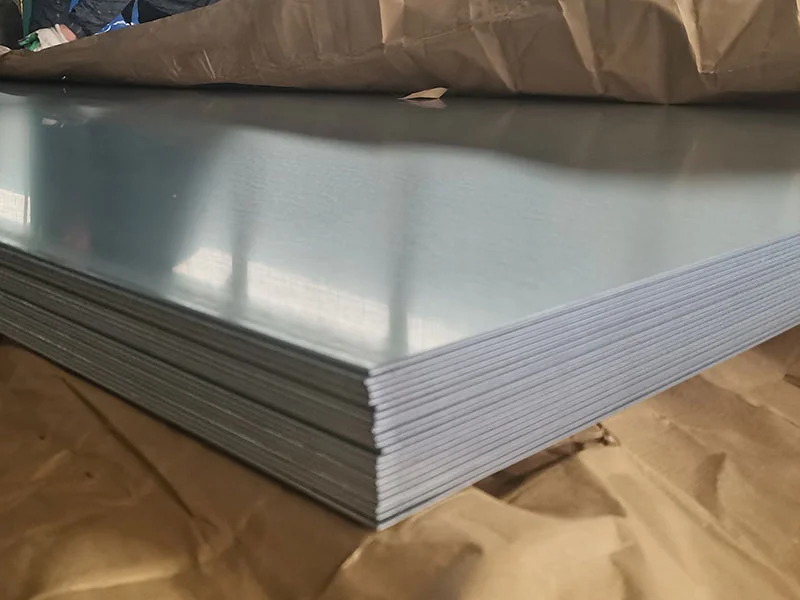
Not all jobs use the same type of steel sheet. Depending on the actual application, consider galvanised steel sheet (hot-dip galvanised steel), EG steel sheet (electro-galvanised steel EG, commonly found in material groups like SECC), GA steel sheet (alloy-coated material for applications similar to GA) or other base materials suitable for the next processing step.
See related article: Comparing EG Steel Sheet, GA, Galvanised, Cold-Rolled Steel, Hot-Rolled – What Are the Differences?
The important point is to choose materials based on the fabrication and usage requirements, not just on price. A cheaper input material but causing warping, waste, or difficult bending can result in higher actual total costs.
6.2. Prioritise suppliers with good stability
For the same product name, actual quality can vary between suppliers. Batch stability, surface uniformity, consistency during fabrication, and suitability for bending and stamping are factors that should not be overlooked. This is why workshops that consistently produce goods often prefer working with stable suppliers rather than just buying based on short-term prices.
6.3. Good control over coil slitting, cutting to specification, and bending/stamping
If the supplier has both materials and in-warehouse fabrication capabilities, the advantage is that they can proactively better control the material processing chain. When materials are slit, cut to specification, and bent/stamped within the same system with practical experience, the risk of discrepancies is often significantly reduced compared to a model where materials are purchased from one place, taken for fabrication elsewhere, with no one responsible for the overall picture.

For mechanical manufacturing units, producing doors, metal furniture, or undertaking construction projects, choosing the right supplier is not just about sales price but also about material stability across batches. This is also why many customers prioritise working with Tôn Thép Phú Cường when they need EG steel sheet, GA steel sheet, galvanised steel sheet with clear specifications, stable surfaces, and suitable for processes such as coil slitting, cutting to specification, bending/stamping, and subsequent fabrication. Especially, with the advantage of having many available widths, including large width from 1500mm upwards, Phu Cuong helps customers be more proactive in optimising cutting layouts, reducing joints, and enhancing the aesthetic appeal of finished products.
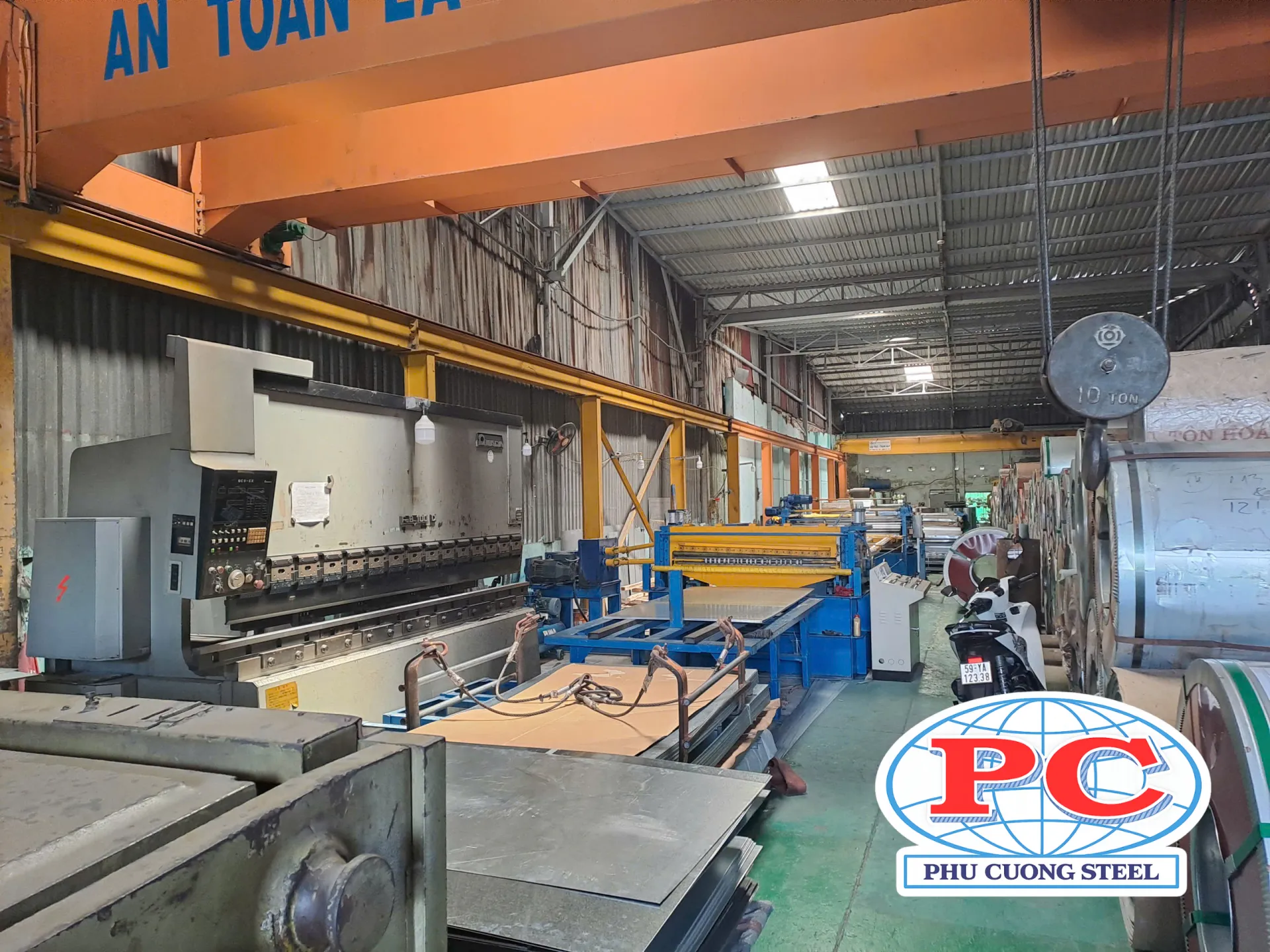
In addition to material supply, Tôn Thép Phú Cường also has a system of coil slitting machines, cutting to specification, bending/stamping, and in-warehouse fabrication, making the material processing more synchronous from the start. When materials and fabrication are controlled within the same system, the risk of errors such as warping, dimensional deviation, difficult assembly, or waste due to rework is also significantly reduced. This is a practical advantage for orders requiring speed, stability and fast delivery in HCMC, especially District 12 and surrounding areas.
6.4. Trial fabrication before mass production
For complex, long, large-width, or high-aesthetic orders, it is advisable to make a trial sample before mass production. Trial samples help detect early risks due to residual stress, rolling direction, part layout, or bending sequence.
6.5. Rational cutting layout design
When possible, designers, fabricators, and material suppliers should collaborate to optimise the cutting layout. This may seem minor but has a significant impact on fabrication stability, especially for long, thin, or multi-bent parts.
7. Practical applications: which industries need to pay special attention to warping errors?
Warping errors appear not only in large workshops but also in small and medium-sized workshops producing doors, cabinets, trays, trims, cladding, panels, or auxiliary mechanical parts. Application groups that should pay special attention include:
- Civil and industrial mechanical workshops.
- Steel door manufacturers, technical doors, fire-rated doors.
- Manufacturers of electrical cabinets, cable trays, cable ladders, metal boxes.
- Fabricators of facades, wall cladding, metal interior details.
- Contractors needing steel sheet cut to specification for quick installation at the construction project.
- Workshops needing large-width materials to reduce joints and enhance surface aesthetics.
Especially for units using large widths from 1500mm upwards, the requirement for flatness and stability becomes even more critical. Large widths offer many benefits such as reduced joints, enhanced aesthetics, and optimised cutting layouts, but also require suitable material supply and processing capabilities.
8. Brief comparison: buying raw materials and buying material solutions with fabrication – what are the differences?
| Criterion | Buying raw materials | Buying with in-warehouse fabrication solution |
|---|---|---|
| Control over fabrication suitability | Usually borne by the workshop | Can be discussed with the supplier from the outset |
| Ability to detect errors early | Usually after taking for fabrication | Can be detected from slitting, cutting, bending stages |
| Incurred costs due to travel, multiple transfers | Higher | Easier to optimise |
| Ability to synchronise progress | Depends on multiple parties | More proactive if within the same processing system |
| Suitable for technical or large-width orders | Higher risk | More effective if the supplier has practical experience |
9. Frequently Asked Questions
9.1. If newly purchased steel sheet looks good, is it guaranteed not to warp after fabrication?
Not guaranteed. A good appearance does not fully indicate stability during cutting, bending, or stamping. Many errors only manifest after the initial equilibrium state of the sheet is disturbed.
9.2. Is warping due to material or machine?
It can be due to either, but often it's a combination of factors: material, residual stress, slitting method, rolling direction, bending sequence, storage, and handling during transport.
9.3. Should only the cheapest material be chosen to save costs?
Do not only look at the input price. If the material increases the risk of waste, bending errors, or rework, the total final cost can be much higher.
9.4. Does large width increase the risk of warping?
Large width is not inherently bad, but requires a stable material supply and more systematic processing. If chosen correctly and fabricated properly, large width offers many benefits in terms of aesthetics and optimised cutting layouts.
10. Conclusion
Steel sheet warping after fabrication is not a minor error to be taken lightly, as it directly relates to product stability, construction speed, actual costs, and the professional image of the manufacturing unit. To handle it well, the issue needs to be viewed as a chain: selecting the right material, correct input inspection, correct coil slitting and cutting to specification, correct bending/stamping, and correct storage and transport.
In the context where many mechanical workshops, door manufacturers, metal furniture producers, and contractors need speed while maintaining quality, choosing the right material supplier is no longer just about “where to buy”, but about choosing a unit that truly understands the fabrication challenge. When material supply is more stable, fabrication is more synchronous, and technical consultation is more practical, the risk of warping will significantly decrease, thereby helping orders run smoother and more efficiently.
Tôn Thép Phú Cường – Leading Reputable Large-Width Steel Sheet Distributor
With the orientation “Tôn Thép Phú Cường – Partnering with Every Construction Project” and the motto “Quality Builds Brand”, Tôn Thép Phú Cường not only supplies materials but also aims for suitable solutions for each actual fabrication and construction need. This is a particularly important advantage for mechanical units, door manufacturers, metal furniture producers, auxiliary structure providers, and contractors who need stable material supply, correct specifications, fast delivery, and easy technical coordination.
Tôn Thép Phú Cường's strength lies in its diverse inventory, especially large-width specifications such as 1000mm, 1250mm, 1500mm upwards; suitable for various needs to reduce joints, enhance surface aesthetics, and optimise cutting layouts. Key material lines include EG steel sheet (electro-galvanised steel EG), GA steel sheet, galvanised steel sheet, along with many specifications serving mechanical workshops, door manufacturers, wall cladding, electrical cabinets, cable trays, and both civil and industrial construction projects.
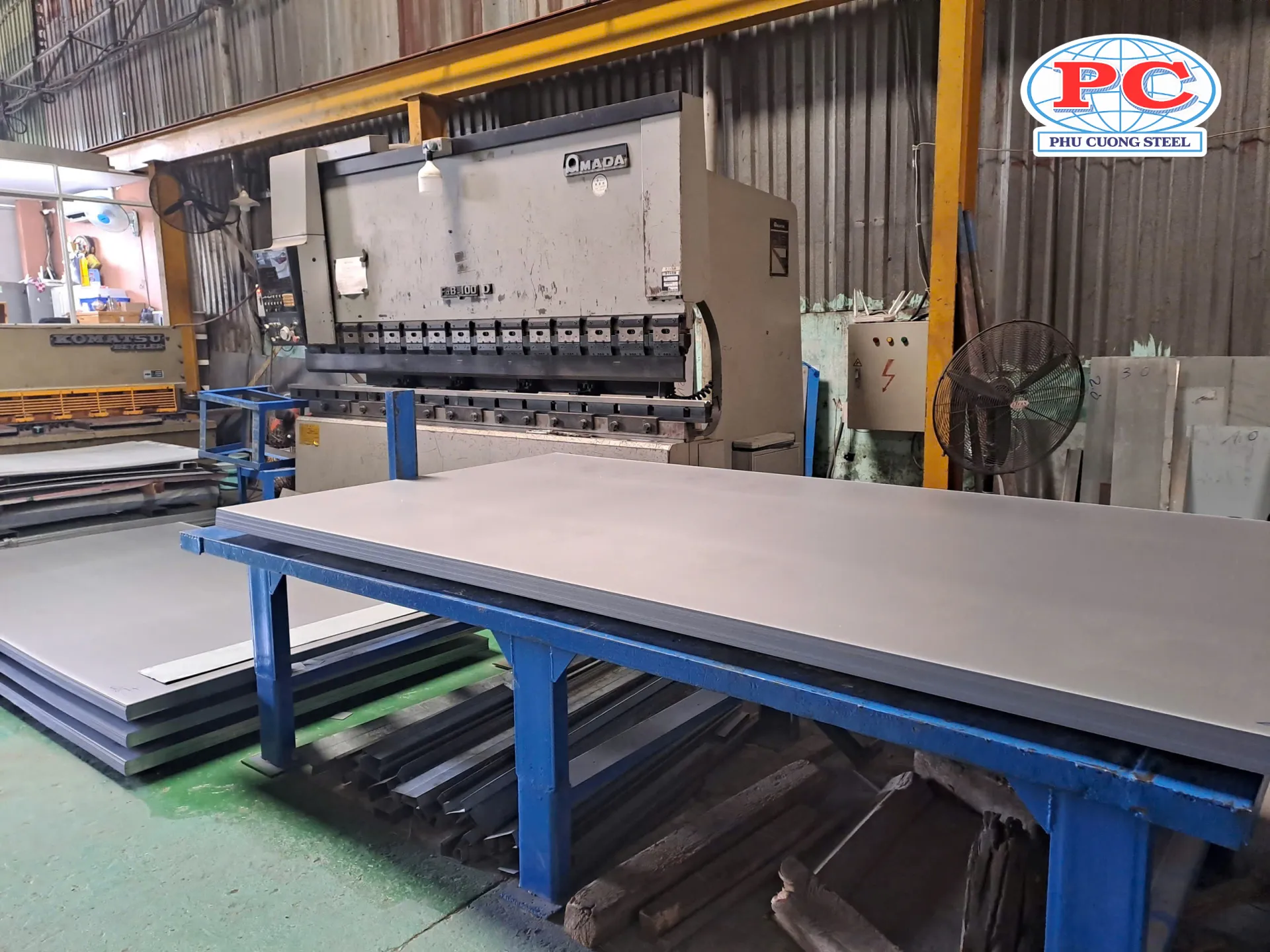
In addition to material supply, Phu Cuong also has a system of coil slitting machines, cutting to specification, bending/stamping, and on-site fabrication, helping customers reduce intermediate steps, save time, and better control output quality. The team of technicians understands drawings, understands the actual requirements of the mechanical and construction industries, thereby supporting the selection of more suitable materials instead of just providing quotations in a simple sales manner. The company also proactively manages delivery trucks, helping optimise logistics costs and better meet orders requiring speed.
If you need a stable material supply for door fabrication, mechanical engineering, metal furniture, or need steel sheet cut to specification, bent/stamped, and delivered to your location, Tôn Thép Phú Cường is a reliable address in HCMC, especially District 12 and surrounding areas.
Contact information:
2177C–2177D National Highway 1A, Dong Hung Thuan Ward, District 12, Ho Chi Minh City
Phone: 0933 919 899
Email: tonthepphucuong@gmail.com
Website: tonthepphucuong.com
See more related articles: