EG steel sheet for Mechanical Applications: Why is it Preferred by Workshops Making Doors, Cabinets, Frames, and Metal Furniture?
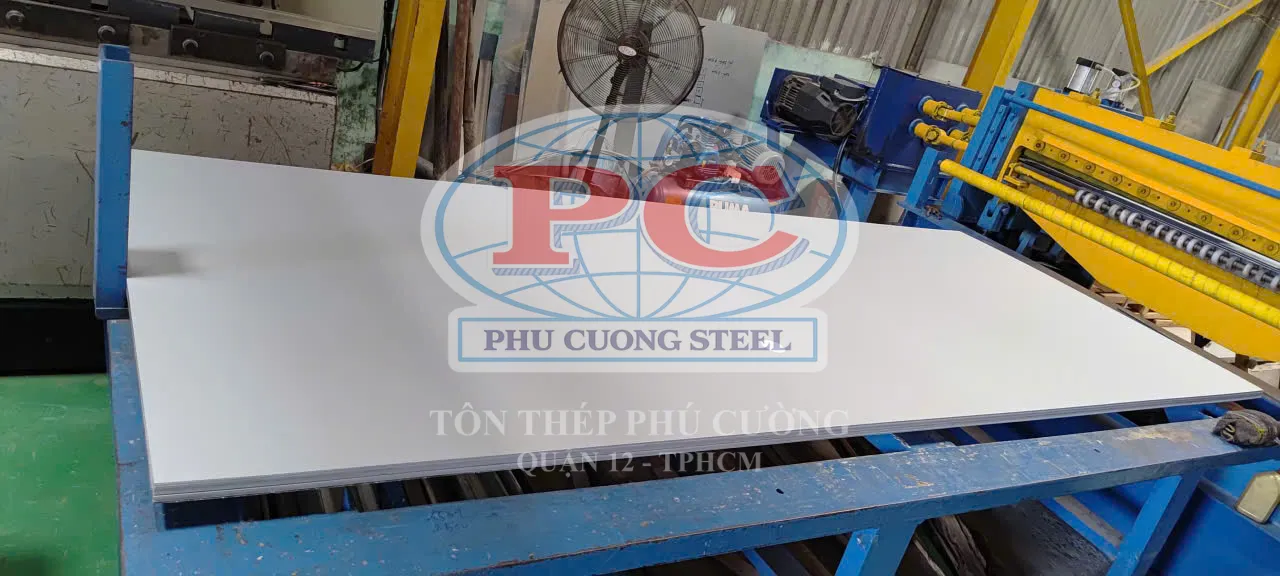
Among steel sheet and steel materials serving civil mechanics and light industrial production, EG steel sheet is one of the material lines chosen by many workshops due to its clean surface, easily identifiable color, good fabrication capability, and suitability for many types of products requiring high aesthetics. Unlike steel sheets used only for covering or auxiliary structures, EG steel sheet often appears in directly visible products such as doors, cabinets, frames, machine casings, technical boxes, signboards, shelves, metal interior details, and many mechanical products according to drawings.
The reason EG steel sheet is of interest is not only its surface color. This material also has advantages in flatness, relatively stable cutting and bending capabilities, and high applicability in mass production. For mechanical workshops, choosing the right type of steel sheet from the start helps reduce surface treatment time, limit product defects, and optimize fabrication costs. Therefore, understanding the characteristics of EG steel sheet is essential before ordering according to specifications.
This article will analyze in detail what EG steel sheet is, why this material is suitable for mechanical workshops, its practical applications in making doors, cabinets, frames, metal interior, and how to choose the right EG steel sheet supplier in Ho Chi Minh City.
1. What is EG steel sheet?
EG steel sheet is a common market term referring to steel or steel sheet with a characteristic blue-tinted surface. In actual material transactions, many mechanical customers quickly refer to it as EG steel sheet to distinguish it from GA steel sheet, galvanised steel sheet, cold steel sheet, color steel sheet, or untreated black steel. This name often comes from the surface characteristic of a light blue tint, appearing clean, uniform, and easily identifiable in the material warehouse.
The most easily recognizable feature of EG steel sheet is its light blue or slightly blue-tinted surface, creating a cleaner and more professional feel compared to some raw materials. Therefore, EG steel sheet is often used for products that require a relatively good surface from the start, or need to reduce processing steps before painting, assembly, or finishing.
In mechanical production, EG steel sheet is evaluated not only by its color but also by factors such as thickness, flatness, hardness, cutting capability, bending capability, surface scratch level, and consistency between batches. A workshop making doors, cabinets, or frames that chooses inconsistent material may encounter errors when cutting, bending, or assembling products in series.
See more related articles: EG steel sheet in mechanics, doors, and metal interior: Why do many workshops prioritize it?
Therefore, when purchasing EG steel sheet, customers should clearly define the purpose of use: for aesthetic products, light load-bearing parts, casings, auxiliary frames, doors, cabinets, or fabrication according to drawings. Each need will correspond to different thicknesses and specifications.
2. Why is EG steel sheet favored by mechanical workshops?
The first reason EG steel sheet is widely used in mechanics is its good aesthetic surface. For products such as iron doors, electrical cabinets, machine casings, shelves, decorative frames, or metal interior details, the cleaner and more uniform the initial surface, the smoother the finishing process. Workers have less need for extensive re-processing before painting or assembly.

The second reason is that EG steel sheet is suitable for many common fabrication operations such as sheet cutting, coil slitting, bending, stamping, drilling, spot welding, or simple shaping. For workshops that receive orders according to drawings, easily fabricated material helps save time, reduce errors, and maintain more stable production progress.
The third reason is that EG steel sheet has high flexibility. One type of material can be used for many different product groups, from small parts to large sheets, from civil goods to light industrial goods. This helps workshops manage inventory more easily, especially for units that frequently receive various types of orders.
Additionally, EG steel sheet also creates a cleaner and more professional product feel during production. For unpainted or unfinished parts, the EG surface makes it easy to check for defects, classify materials, and identify them compared to other steel sheet lines in the warehouse.
3. Applications of EG steel sheet in door making
One of the common applications of EG steel sheet is in making doors, door frames, door panels, cladding details, or auxiliary parts in the metal door industry. For door making workshops, the material needs to have flatness, suitable thickness, and a relatively good surface so that after cutting and bending, it is not excessively deformed.
EG steel sheet can be used for parts such as door faces, trims, auxiliary frames, cladding panels, covers, or components that need to be shaped according to drawings. When the correct thickness is chosen, the product after fabrication will have sufficient rigidity, not too heavy, but still maintain good form.
For indoor doors, technical doors, warehouse doors, workshop doors, or parts not directly exposed to overly harsh environments, EG steel sheet is a worthwhile consideration. If the product needs to be used outdoors or frequently exposed to rainwater, the workshop should consider additional painting or choose a material with more suitable corrosion resistance depending on actual conditions.
The important point when using EG steel sheet for doors is to choose the correct specifications. Steel sheet that is too thin can easily vibrate, dent, or lack rigidity. Steel sheet that is too thick increases weight, is difficult to fabricate, and increases costs. Therefore, manufacturers need to balance durability, weight, aesthetic requirements, and budget.
4. Applications of EG steel sheet in making cabinets, machine casings, and technical boxes
EG steel sheet is also widely used in the production of cabinets, equipment casings, technical boxes, covers, troughs, trays, and shell-shaped mechanical parts. This group of products requires a relatively good surface, precise dimensions, and stable bending capabilities.
When making cabinets or machine casings, an important requirement is that the steel sheet must have good flatness. If the material is bent, warped, or uneven, the product after bending may be difficult to assemble, have open edges, or not achieve squareness. For orders producing many identical sets, small deviations in the input material can create batch errors.
EG steel sheet has the advantage of easily identifiable surfaces, easy scratch inspection, and suitability for the cutting and bending process. After fabrication, the product can be painted, coated, or assembled depending on the purpose of use. For parts located inside workshops, technical rooms, or areas with little direct exposure to weather, EG steel sheet can perform well if the correct thickness is chosen and appropriate finishing treatment is applied.
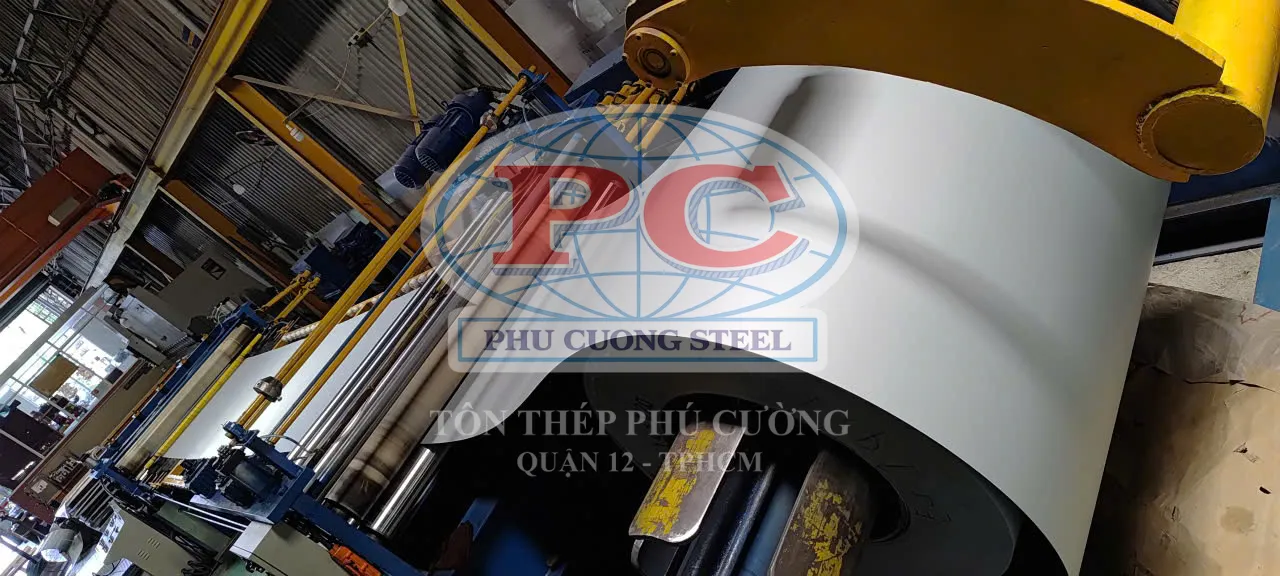
In the product group of cabinets and machine casings, buyers should pay special attention to the cut edges and dimensional tolerances. If ordering pre-cut steel sheet according to specifications, it is necessary to choose a supplier with stable cutting machines to ensure flat cut edges, minimal burrs and limited errors. This helps workshops reduce grinding time, reduce waste, and increase assembly speed.
See more related articles: Steel Sheet Thickness Tolerance Standards (Avoid Shortages Upon Receipt)
5. Applications of EG steel sheet in metal interior
Metal interior is a product group increasingly using EG steel sheet, especially in parts such as shelves, cladding panels, decorative cabinets, auxiliary frames, covers, light metal partitions, or parts requiring a clean surface before finishing. For interior, aesthetics are prioritized higher than typical technical items.
EG steel sheet helps workshops have clean-looking, less rough input material, making it easy to check for surface defects. When painting or finishing is required, a stable surface facilitates the processing. Interior parts usually do not require heavy load-bearing, but need sharpness at folded edges, flatness, and uniformity between panels.
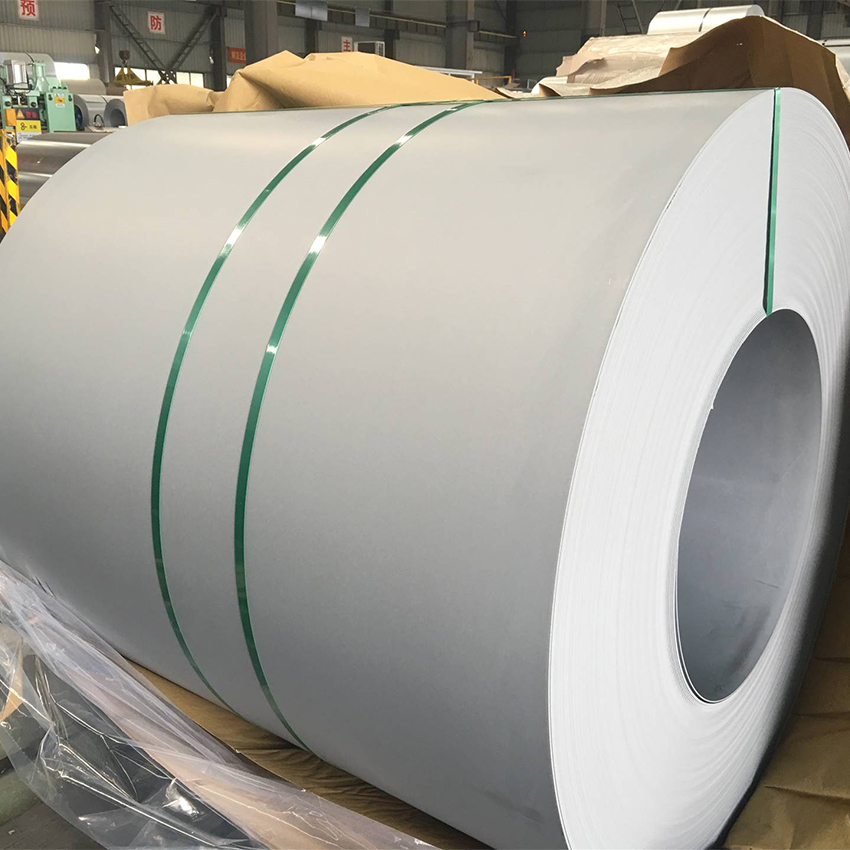
For metal interior products, minor defects such as scratches, dented corners, poor cut edges, or uneven surfaces can reduce the value of the finished product. Therefore, workshops need to choose well-preserved material, cut to the correct specifications, and transported carefully. If steel sheet is purchased from one place and then sent for fabrication elsewhere, the risk of scratches during transit will be higher.
This is why many workshops prioritize choosing a supplier that can both sell materials and support cutting, slitting, and bending as required. A centralized process helps reduce the number of loading and unloading operations, reduce surface risks, and speed up order fulfillment.
6. What thickness of EG steel sheet should be chosen?
The thickness of EG steel sheet should be chosen according to the actual purpose of use. For small parts, cladding details, covers, or products not requiring high load-bearing capacity, workshops can choose a thinner thickness to save costs and facilitate fabrication. For doors, frames, machine casings, cabinets, or products requiring better rigidity, a greater thickness should be chosen to maintain form and limit dents.
What should be avoided is choosing thickness based solely on price. Cheaper but overly thin material can make the product weak, prone to vibration, denting, and require additional reinforcement. Conversely, choosing overly thick steel sheet increases weight, increases costs, is harder to bend, and may not be necessary for the actual application.
Besides thickness, steel sheet width is also very important. Common widths such as 1000mm, 1250mm, 1500mm, or larger widths can directly affect blanking. If the appropriate width is chosen, workshops can reduce cutting lines, reduce waste, and optimize material costs. For large-sized products, steel sheet width of 1500mm or more is an advantage as it helps limit panel joints and reduce waste.
When ordering, detailed dimensions or preliminary drawings should be sent to the supplier for advice on suitable steel sheet width. Choosing the correct width from the start sometimes saves more than just comparing the unit price per kilogram or per sheet.
7. Common mistakes when purchasing EG steel sheet
The first mistake is only asking for the price without clearly stating the purpose of use. Even if it's EG steel sheet, using it for doors, cabinets, machine casings, or hidden parts will have different requirements. If the supplier does not understand the application, advice on thickness and specifications may not match the needs.
The second mistake is not inspecting the surface upon receipt. EG steel sheet has an easily observable surface, but if the goods are received hastily, buyers might overlook scratches, dents, bent edges, or incorrect specifications. For products requiring aesthetics, it should be inspected immediately upon receipt for timely resolution.
The third mistake is choosing a non-optimal steel sheet width. Many workshops are accustomed to using a fixed width, whereas if they switch to a larger width or cut according to specifications from the start, waste can be significantly reduced. Especially for repetitive production orders, optimizing steel sheet width helps save long-term costs.
The fourth mistake is purchasing material from one place and having it fabricated in multiple different places. This method is sometimes flexible, but it also increases the risk of delayed progress, errors, scratches, and additional transportation costs. If an order needs quick delivery or requires a beautiful surface, it is advisable to prioritize a unit that can support multiple stages at the warehouse.
8. Why should you buy EG steel sheet from Ton Thep Phu Cuong?
For mechanical workshops, door making workshops, metal interior contractors, or construction projects requiring stable materials, choosing the right place to buy EG steel sheet is as important as choosing the correct thickness. If only buying based on low price without considering the surface, specifications, cutting and bending capabilities, and delivery methods, customers are very likely to encounter issues such as scratched steel sheet, incorrect dimensions, poor cut edges, delayed delivery, or additional transportation costs through multiple fabrication locations.
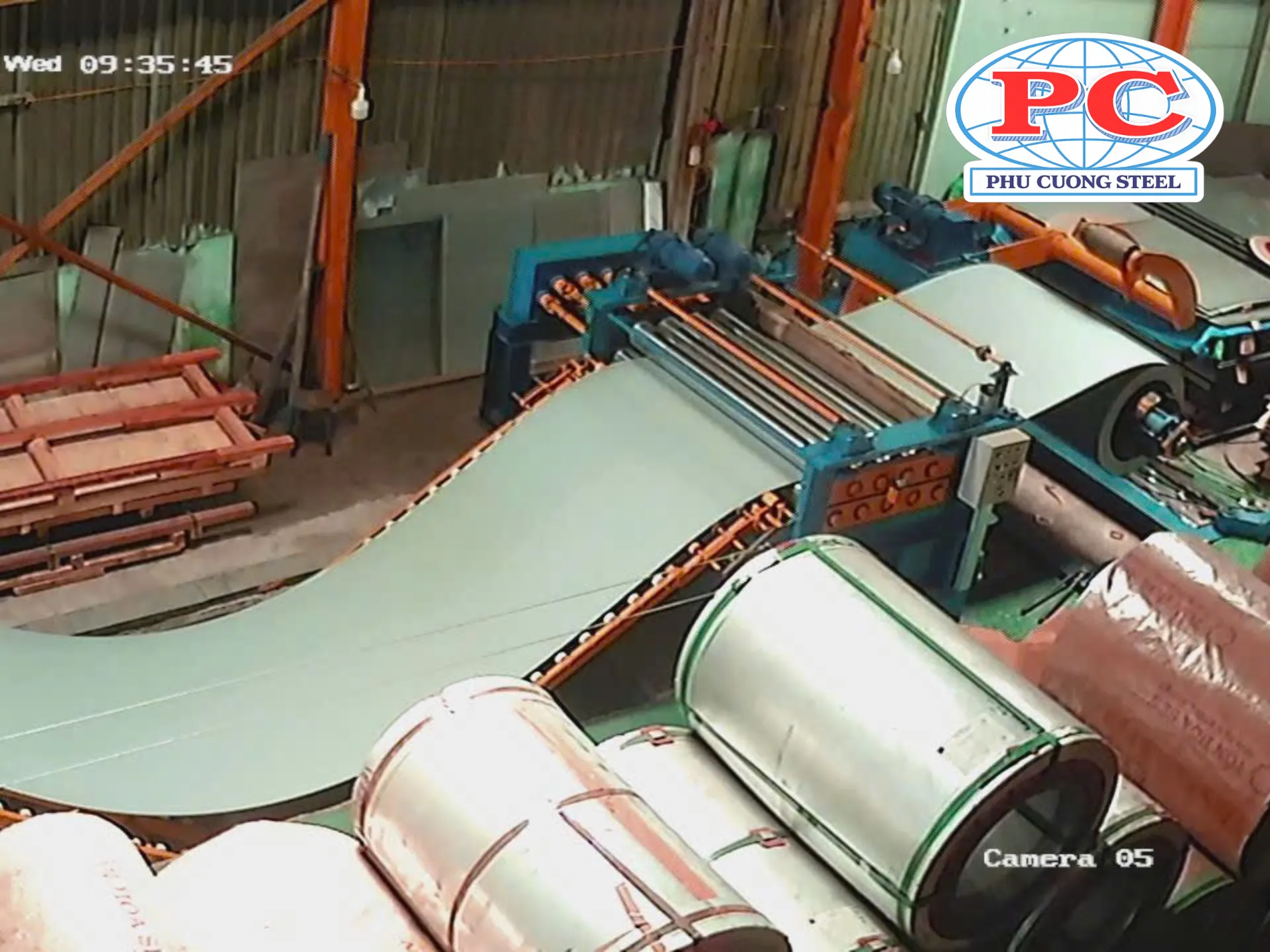
Ton Thep Phu Cuong is a unit specializing in supplying steel sheet and steel directly to mechanical customers, door manufacturers, workshops, construction projects, and custom production in Ho Chi Minh City. With the advantage of a large warehouse, diverse material sources, and experience working with many actual production workshops, Phu Cuong can help customers choose the right type of EG steel sheet according to usage needs: for doors, cabinets, frames, machine casings, metal interior details, or fabrication according to drawings.
One of Ton Thep Phu Cuong's strengths is the availability of many material lines such as EG steel sheet, GA steel sheet, galvanised steel sheet, pre-painted cold steel sheet with various thicknesses and steel sheet widths. In particular, Phu Cuong has an advantage in large width steel sheet from 1500mm or more, suitable for orders requiring optimized blanking, reduced joints, minimized waste, and limited need for joining multiple panels during production.
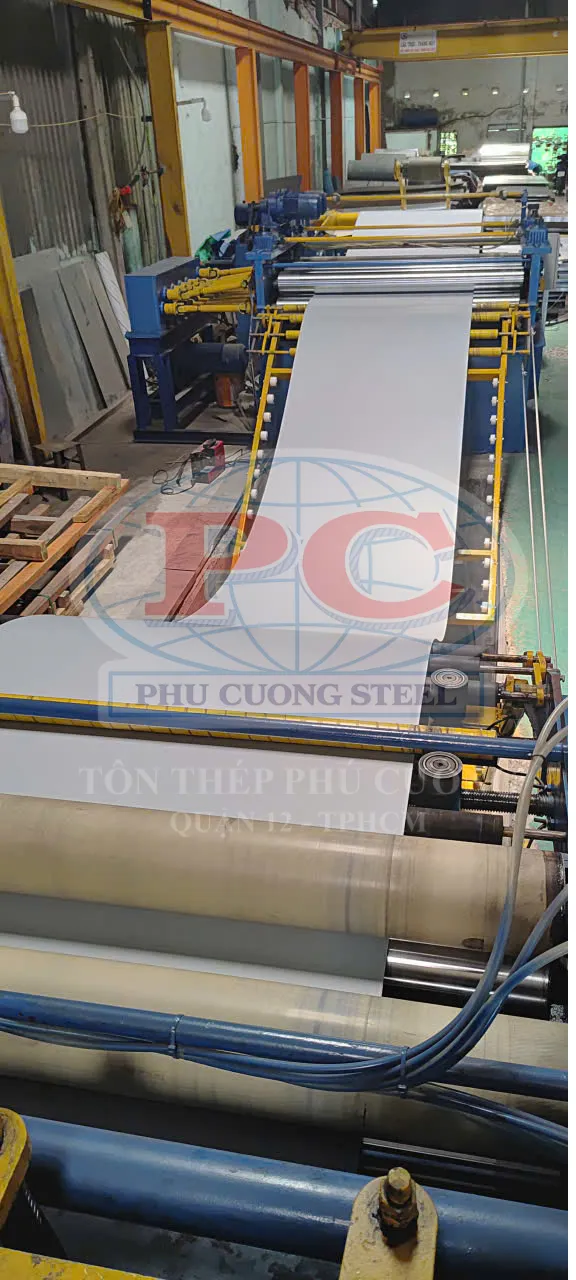
In addition to material supply, Phu Cuong also supports in-warehouse fabrication services such as coil slitting, cutting to specifications, bending and stamping, and custom steel sheet fabrication. This helps customers avoid buying steel sheet from one place and then transporting it elsewhere for cutting or bending. A centralized process helps reduce the number of loading and unloading operations, limit scratches on the EG surface, save time, and better control specifications.
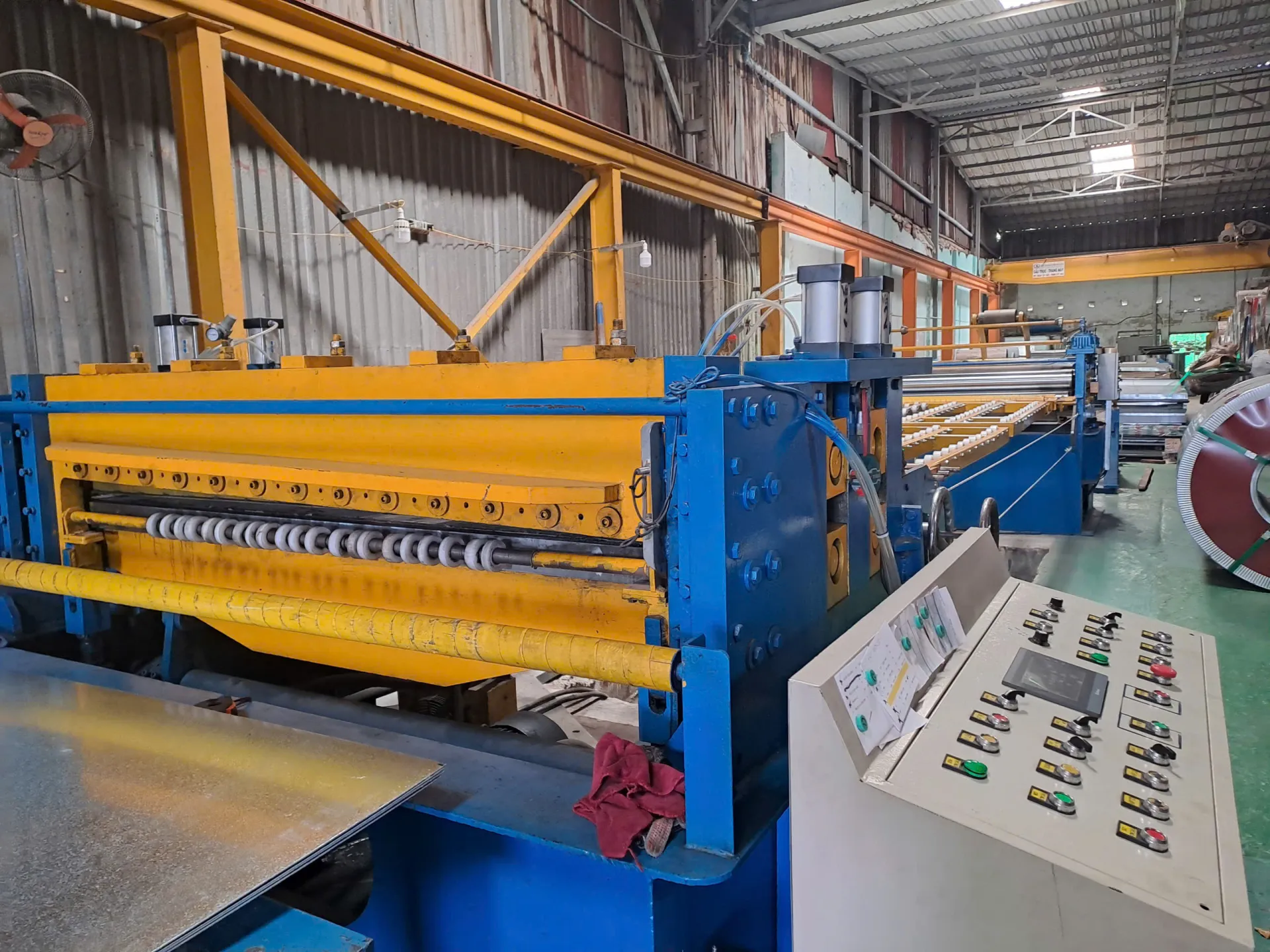
For EG steel sheet, the surface factor is very important because this material is often used for products requiring high cleanliness and aesthetics. When cut, bent, and processed at a warehouse with suitable machinery, the steel sheet will minimize bent edges, surface scratches, or dimensional deviations. This is a significant advantage for workshops making doors, cabinets, frames, equipment casings, and metal interior that require consistent output products.
Additionally, Ton Thep Phu Cuong owns its delivery trucks, allowing for greater control over delivery schedules, loading methods, and transportation costs. For urgent orders, multi-specification orders, or orders needing delivery in District 12, Ho Chi Minh City, and neighboring provinces, having dedicated vehicles helps shorten waiting times, reduce reliance on external transporters, and provide customers with more flexibility in production schedules.
With the motto “Quality makes the brand”, Ton Thep Phu Cuong not only sells materials but also aims to provide suitable solutions for each actual need. Customers can discuss in advance about thickness, steel sheet width, cutting drawings, surface requirements, and delivery options to receive advice on the appropriate EG steel sheet, avoiding incorrect material selection or unnecessary waste.
If you need to buy EG steel sheet in Ho Chi Minh City for mechanical workshops, door making, cabinet making, frame fabrication, machine casings, or metal interior, Ton Thep Phu Cuong is a worthwhile choice due to its diverse stock, in-warehouse fabrication, support for cutting to specifications, and proactive on-site delivery.
9. Conclusion
EG steel sheet is a suitable material for many applications in mechanics, door making, cabinet making, frames, machine casings, and metal interior. Thanks to its clean surface, good aesthetics, flexible fabrication capabilities, and many specification options, this steel sheet type is used by many workshops in daily production.
However, to use EG steel sheet effectively, buyers need to choose the correct thickness, width, surface, and supplier. One should not only compare prices but also consider fabrication, transportation, flatness, cut edges, and technical support capabilities. For orders requiring beautiful, stable products with minimal waste, choosing a supplier with its own warehouse, machinery, and delivery vehicles will optimize the process significantly.
Contact Information Ton Thep Phu Cuong
Steel Sheet Steel Phu Cuong – Accompanying Every Construction Project
Address: 2177C – 2177D National Highway 1A, Dong Hung Thuan Ward, District 12, Ho Chi Minh City
Phone: 0933 919 899
Email: tonthepphucuong@gmail.com
Website: tonthepphucuong.com
See more related articles:
- Buying Steel Sheet Steel In District 12 And Southern Region: How to Choose the Right Supplier For Mechanical Workshops, Construction Project
- What Is Protective Oil On Steel Sheet Steel? When Is It Needed, When Must Oil Be Removed Before Fabrication?
- Why even if it's the same electro-galvanised steel sheet but paint adhesion differs? Perspective from surface, coating and fabrication process
- What Is Residual Stress In Steel? Why When Cut Does Steel Sheet Warp?
- STEEL SHEET STEEL PHU CUONG Home About Us Products News Services Projects Contact 0 0 Hoa Sen Galvanised Z120: Characteristics, Applications And Notes When Using