How Does Thickness Tolerance of Galvanised Steel Sheet Affect Mechanical Fabrication and Construction Project Costs?
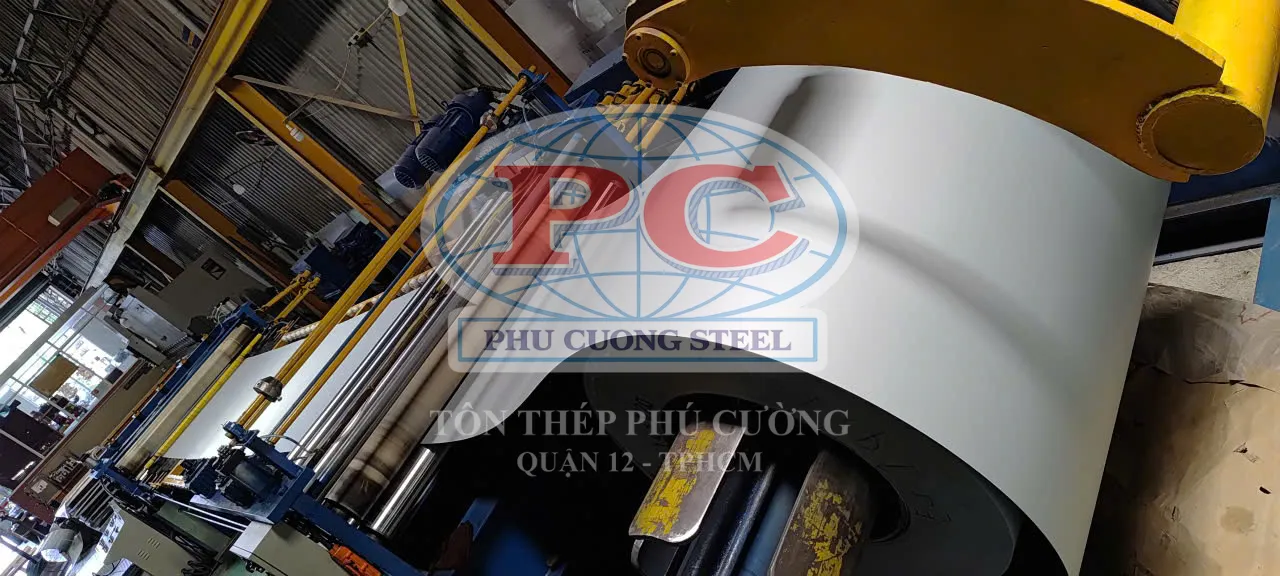
In mechanical engineering, factory construction, steel door manufacturing, railings, gutters, electrical cabinet enclosures, metal parts or auxiliary structures, galvanised steel sheet is one of the most commonly used materials. However, when ordering steel sheet, many companies only focus on the price per kilogram, steel sheet width, length, or coated surface, overlooking a very important technical factor: thickness tolerance.

Galvanised steel sheet thickness tolerance can be simply understood as the permissible difference between the nominal thickness and the actual thickness of the steel sheet. For example, a steel sheet reported as 1.0mm may actually vary around that level depending on manufacturing standards, the rolling mill, the coating layer, and product specifications. This small difference may seem insignificant, but when used in mass fabrication, it can directly affect accuracy, stiffness, load-bearing capacity, die conformity, bend lines, and the overall cost of the construction project.
This article will analyze in detail why galvanised steel sheet thickness tolerance is a factor that needs to be carefully controlled, especially for mechanical workshops, metal fabrication units, construction contractors, and manufacturing businesses requiring stable materials.
1. What Is Galvanised Steel Sheet Thickness Tolerance?
Thickness tolerance is the permissible deviation range between the actual thickness of the material and the thickness declared on the order, quotation, or labels. In reality, galvanised steel sheet does not always have an absolute thickness exactly 100% of the nominal figure. The deviation can come from the base steel rolling process, the galvanising process, manufacturing standards, measurement methods, or the measurement position on the sheet surface.

For example, when a customer orders galvanised steel sheet 1.2mm, the actual thickness may have a certain variation. If the material is within the permissible tolerance range according to the standard, it is still considered to meet requirements. However, if the actual thickness is too much lower than the order specifications, the fabricated product may be weakened, easily warped, not meet technical requirements, or cause deviations during assembly.
For simple parts, a small tolerance may not have a significant impact. But for products requiring high precision such as machine casings, electrical cabinets, metal facades, bent/folded parts, factory accessories, or products that need to be assembled according to drawings, thickness tolerance becomes a very important factor.
See also related article: Steel Sheet Width Tolerance After Slitting: Why Mechanical Workshops, Doors And Facades Need Careful Inspection?
2. Why Is Thickness Tolerance Important In Mechanical Fabrication?
In mechanical fabrication, every material parameter affects the production process. Steel sheet thickness determines cutting force, bending force, bending radius, elasticity after bending, load-bearing capacity, and the stability of the part after completion. If the actual thickness does not match initial calculations, the product may have errors.
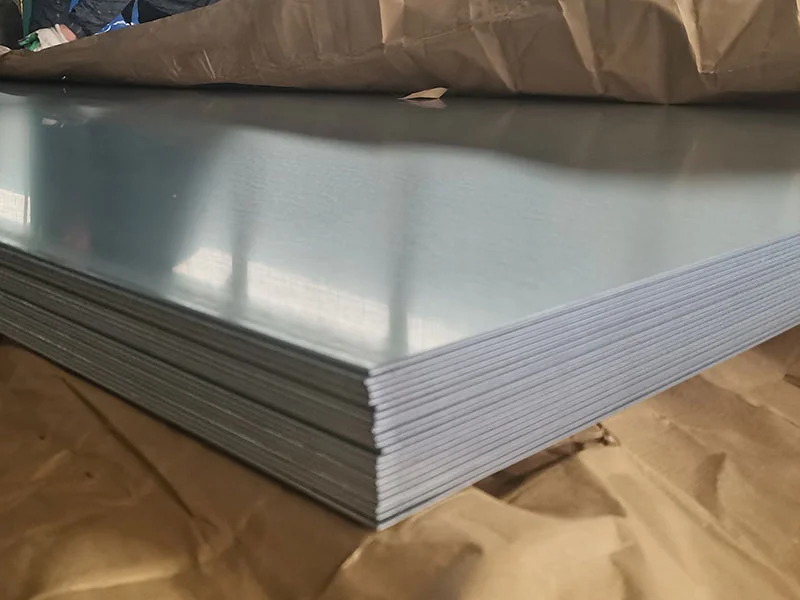
For example, when a workshop designs parts for 1.5mm material but actually receives goods closer to 1.3mm, the product after bending may be softer, more easily dented, or not achieve the desired stiffness. Conversely, if the material is thicker than expected, the bending machine requires greater force, the bending die may be unsuitable, the fold line may easily crack the coating, or the product may not be the correct size after bending.
Especially for mass production workshops, unstable tolerance between batches can make machine calibration time-consuming. A steel sheet batch with a different actual thickness compared to the previous batch can change cutting, bending, and stamping parameters. This leads to reduced productivity, increased error rates, and higher labor costs incurred.
3. Impact Of Thickness Tolerance On Steel Sheet Cutting Process
Steel sheet cutting is the first step in many fabrication processes. When material thickness is stable, cut lines are usually more even, have less burr, and dimensions are easier to control. Conversely, if steel sheet thickness is uneven or lower than standard, many problems may arise during the cutting process.
For cutting machines, shearing machines, or slitting machines, thickness affects the blade gap, pressing force, and the sharpness of the cut edge. If the material is thinner than expected, the steel sheet may vibrate, the cut edge may easily bend slightly, or deformation may appear. If the material is thicker than expected, the cutting blade bears a greater load, easily increases burr, or reduces blade lifespan.
For parts requiring precise cutting according to drawings, thickness deviation can also affect how parts are subsequently assembled. A steel sheet with correct surface dimensions but incorrect thickness can still cause the overall product to not meet requirements, especially in structures with assembly gaps, sliding grooves, or bolted parts.
4. Impact On Bending, Stamping And Forming Processes
Bending, stamping, and forming are processes clearly affected by material thickness. When bending steel sheet, technicians must consider thickness, bending radius, bending angle, material elasticity, and rolling direction. If the actual thickness differs from initial parameters, the bending angle after die release may be deviated.
With galvanised steel sheet, the surface coating layer also needs to be protected during the bending process. If unsuitable material is chosen or bent with a radius too small compared to the thickness, the coated surface may develop hairline cracks, slight peeling, or white marks may appear at the fold line. This not only affects aesthetics but also reduces anti-oxidation protection at the bent area.
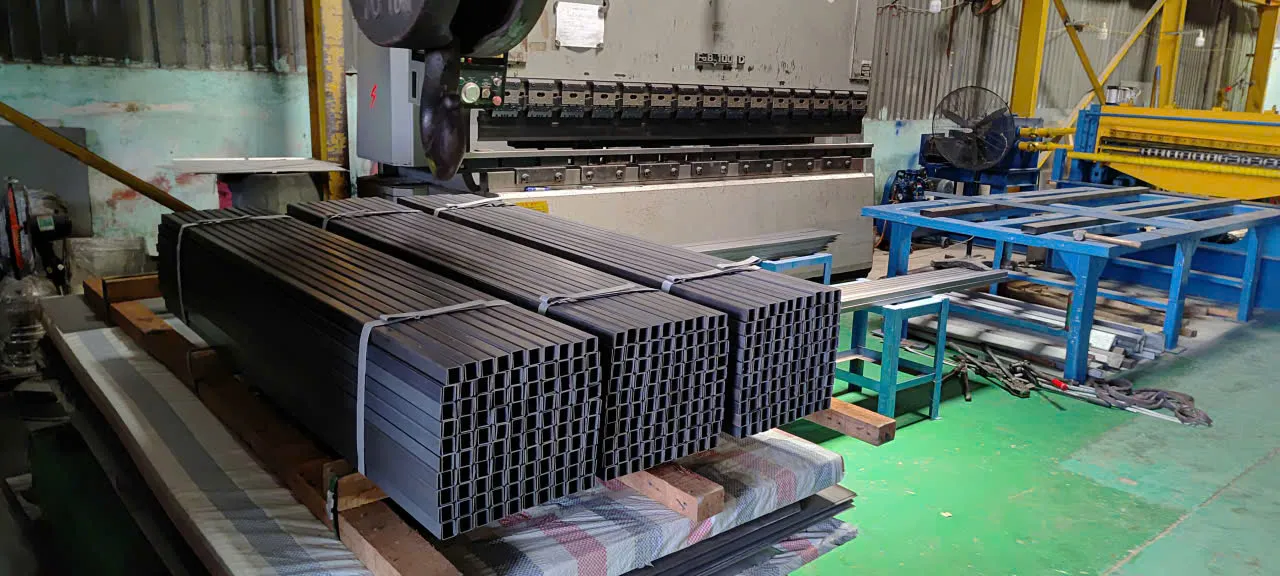
For mechanical products requiring a beautiful surface such as steel doors, decorative frames, casings, electrical cabinets, facades, or metal interior/exterior details, controlling thickness and choosing the right material helps the fabricated product be more uniform, more aesthetically pleasing, and reduces errors requiring rework.
5. How Does Thickness Tolerance Affect Construction Project Costs?
Many people believe that buying slightly thinner steel sheet will save costs. However, in actual construction projects and mechanical manufacturing, material with incorrect thickness can incur hidden costs much larger than the initial savings.
Firstly, if the steel sheet is thinner than required, the product may not achieve desired stiffness. In that case, the construction unit must reinforce with additional ribs, add support bars, or increase the number of connecting parts. Auxiliary material and labor costs may increase.
Secondly, if the material is unstable, the defect rate during the fabrication process will be higher. Common errors include warping, incorrect bending angles, unsightly cut edges, scratched surfaces due to rework, or parts that do not fit during assembly. These errors are time-consuming and increase production costs.
Thirdly, if the construction project requires technical acceptance, material not conforming to specifications can cause difficulties in handover documentation. For factory construction projects, industrial mechanical engineering, projects requiring CO, CQ or incoming material inspection, choosing a reputable supplier and controlling specifications correctly from the outset is very necessary.
6. How To Check Galvanised Steel Sheet Thickness Upon Receiving Goods
To minimize risks, buyers should check steel sheet thickness before putting it into production. The simplest way is to use a digital caliper or micrometer to measure at various positions on the steel sheet. One should not measure only a single point, as thickness may vary slightly between the edge of the sheet and the middle area of the sheet.
See also related article: How To Read Material Symbols On Steel Sheet Delivery Notes: SGCC, SECC, EG, GA, Z100, Z180, Z275 What Do They Mean?
When measuring galvanised steel sheet, it should be noted that the measured thickness may include both base steel and the coating layer. Depending on technical requirements, customers should clarify with the supplier about nominal thickness, actual thickness, product standards, and coating type. For high-requirement orders, CO, CQ, or batch information should be requested for easier control.
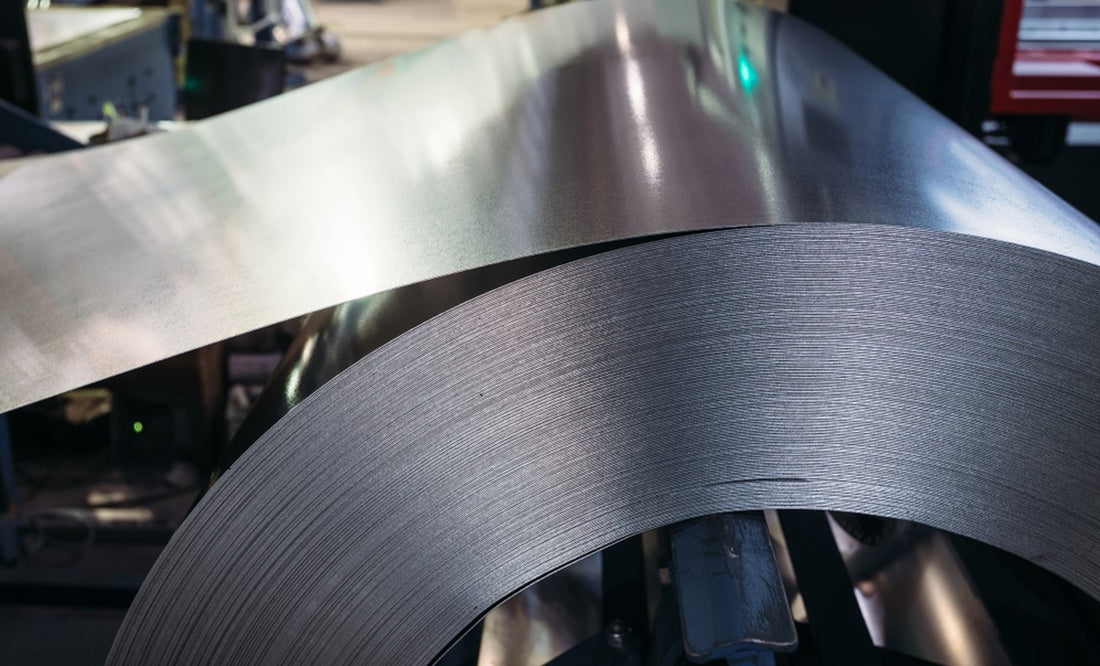
In addition, buyers should also check the surface of the steel sheet. Compliant steel sheets usually have an even surface, few scratches, no severe dents, no warping excessive and the sheet edges are free from serious defects. For steel sheets used for bending, stamping, or aesthetic details, the surface needs to be thoroughly inspected before fabrication.
7. How to Choose the Right Galvanised Steel Sheet Thickness for Your Needs?
Choosing the thickness of galvanised steel sheet should not be based solely on price. Buyers need to consider the intended use, load-bearing requirements, fabrication method, working environment, and acceptance standards of the construction project.
For light details that do not bear heavy loads, a moderate thickness can be chosen to save costs. For details requiring bending, screwing, hanging support, or impact resistance, a more stable thickness should be chosen to ensure rigidity. For outdoor construction projects or environments prone to oxidation, in addition to the base steel thickness, attention should also be paid to the galvanised coating and corrosion resistance.
In the mechanical industry, every small deviation in input material can affect the output product. Therefore, instead of just asking “how much per kilogram”, customers should also inquire about: actual thickness, steel sheet width, surface, standards, custom cutting capability, and delivery time.
8. Large Width Steel Sheets Help Optimize Waste During Fabrication
Besides thickness, steel sheet width is also a major cost factor. For large-sized details or those requiring cutting according to drawings, using large width steel sheets can help reduce the number of joints, limit waste, and optimize cutting layouts.
Refer to Phu Cuong Steel Sheet's large width steel sheet products: EG/GA steel sheet, 1500mm width (EG, GA), Galvanised steel sheet, 1500mm width
In the market, common steel sheet widths are usually 1000mm, 1200mm, or 1250mm. However, for some mechanical workshops, contractors, or manufacturing units requiring large details, steel sheets with widths of 1500mm or more will provide greater flexibility in design and fabrication. This is a particularly important advantage for products such as metal partitions, facades, cladding panels, large gutters, machine parts, or auxiliary structures requiring seamless surfaces.
By combining the correct thickness, steel sheet width, and fabrication method, businesses can significantly reduce scrap, save production time, and minimize assembly errors.
9. Optimal Solutions for Mechanical Workshops and Construction Projects
To optimize costs and quality, mechanical workshops should work with suppliers capable of advising on materials according to actual needs, not just selling off-the-shelf specifications. A good supplier needs to understand requirements regarding thickness, steel sheet width, surface, fabrication method, and delivery schedule.
For orders requiring cutting, coil slitting, bending, stamping, or forming, direct fabrication at the warehouse helps reduce intermediate time. Customers do not need to purchase steel sheets and then transport them to another fabrication unit. This helps reduce logistics costs, limit scratches during transportation, and shorten production lead times.
Additionally, for urgent orders, suppliers with their own trucks will have greater control over transportation time. This is a very important factor for construction projects underway, workshops fulfilling orders, or projects requiring materials on schedule.
10. Phu Cuong Steel Sheet – Leading Reputable Large Width Steel Sheet Distributor
Phu Cuong Steel Sheet is a specialized supplier of galvanised steel sheet, EG steel sheet, GA steel sheet, and large width steel sheets for mechanical workshops, construction projects, factories, iron gate manufacturing, metal structures, and many other industrial applications.

With the advantage of a large warehouse, genuine billet sources from major factories, modern machinery systems, and a team of technicians knowledgeable in drawings, Phu Cuong Steel Sheet not only supplies materials but also assists customers in choosing the correct specifications, thickness, and fabrication method.
Main products and services at Phu Cuong Steel Sheet include:
- Galvanised steel sheet, 1000mm, 1250mm, 1500mm widths, and custom large widths.
- EG steel sheet, GA steel sheet used in mechanics, doors, metal interior/exterior, and details requiring a fine surface.
- Color-coated steel sheet, galvanised steel sheet, and various steel plate lines for construction projects.
- Coil slitting, custom cutting, cutting, bending, stamping, and steel sheet fabrication services at the warehouse.
- On-site delivery by private truck, optimizing delivery costs and ensuring schedule control.
Phu Cuong Steel Sheet's strengths include beautifully flat-cut goods, correct specifications, minimal scratches, guaranteed correct thickness, and support for urgent same-day orders when warehouse conditions permit. With the motto “Quality builds the brand”, Phu Cuong Steel Sheet always aims to be a reliable material partner for mechanical workshops, contractors, and manufacturing businesses in District 12, Ho Chi Minh City, and the Southern region.
Contact Information:
Phu Cuong Steel Sheet
Địa chỉ: 2177C–2177D QL1A, P. Đông Hưng Thuận, Q.12, TP.HCM
Phone: 0933 919 899
Email: tonthepphucuong@gmail.com
Website: tonthepphucuong.com
Conclusion
Galvanised steel sheet thickness tolerance is a critical technical factor directly affecting fabrication quality, product durability, and construction project costs. A cheap steel sheet that does not meet specifications can lead to many hidden costs such as bending errors, cutting errors, warping, material waste, or delayed construction progress.
To optimize efficiency, customers should choose materials with the correct thickness, width, and surface, and work with a supplier capable of on-site fabrication. With strengths in galvanised steel sheet, EG steel sheet, GA steel sheet, large width steel sheets, and cutting – bending – stamping – on-site delivery services, Phu Cuong Steel Sheet is a suitable choice for mechanical workshops and construction projects requiring a stable material source, correct specifications, and optimized costs.
See more articles on the same topic:
- What is electro-galvanised steel? Applications in Industry, Construction And Commerce
- EG, GA steel sheet When fabrication small parts: Why choose the correct Surface, thickness And Supplier?
- Cutting EGI steel sheet 1.6mm – 2.3mm PP Adhesive Lamination: Surface Protection Solution for Machinery, Doors And Metal Furniture
- Home About Us Products News Services Projects Contact 0 0 Buying galvanised steel sheet that looks cheap can result in heavy losses: 7 Points to Check Before Finalizing Order
- Where to Buy steel sheet and steel in District 12? Suggested Supplier with Stock, Offers fabrication, Fast Delivery