News & Events
Latest
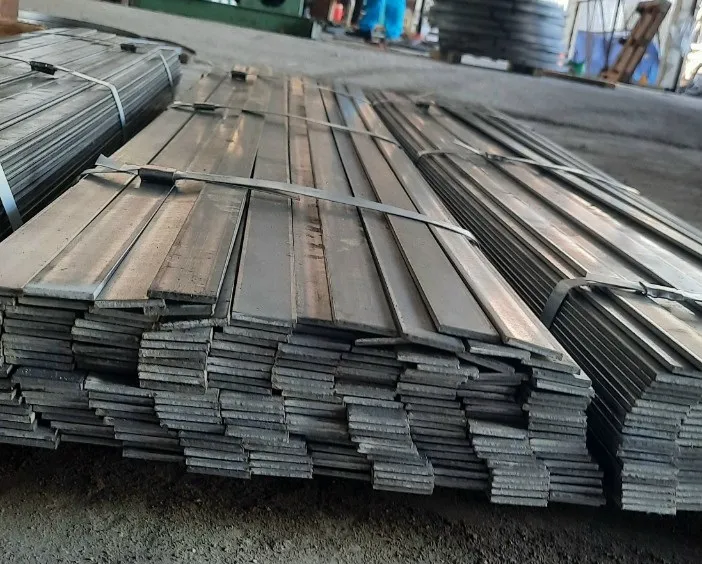
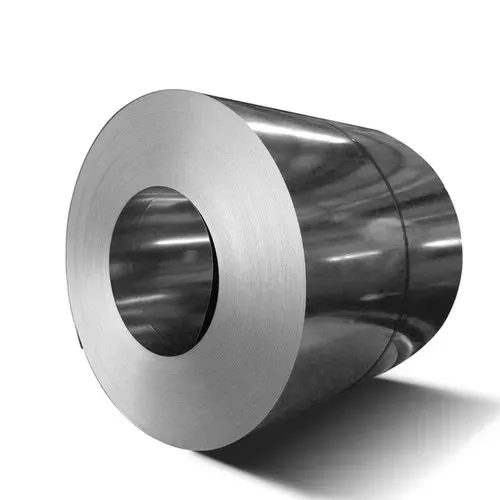
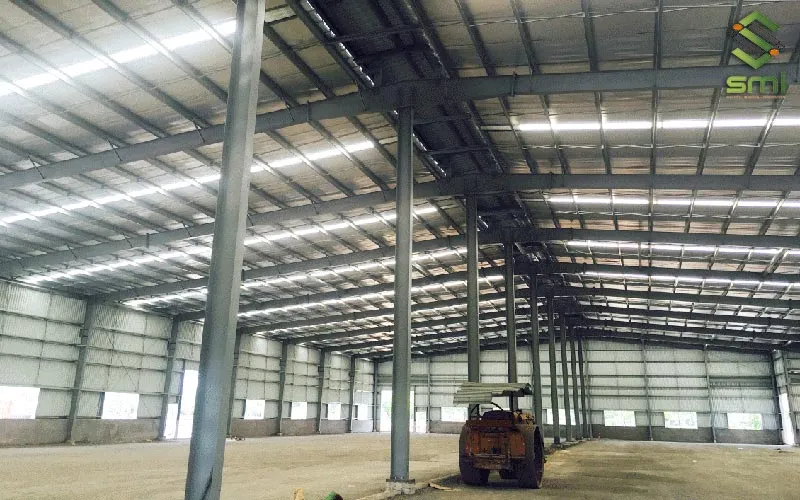
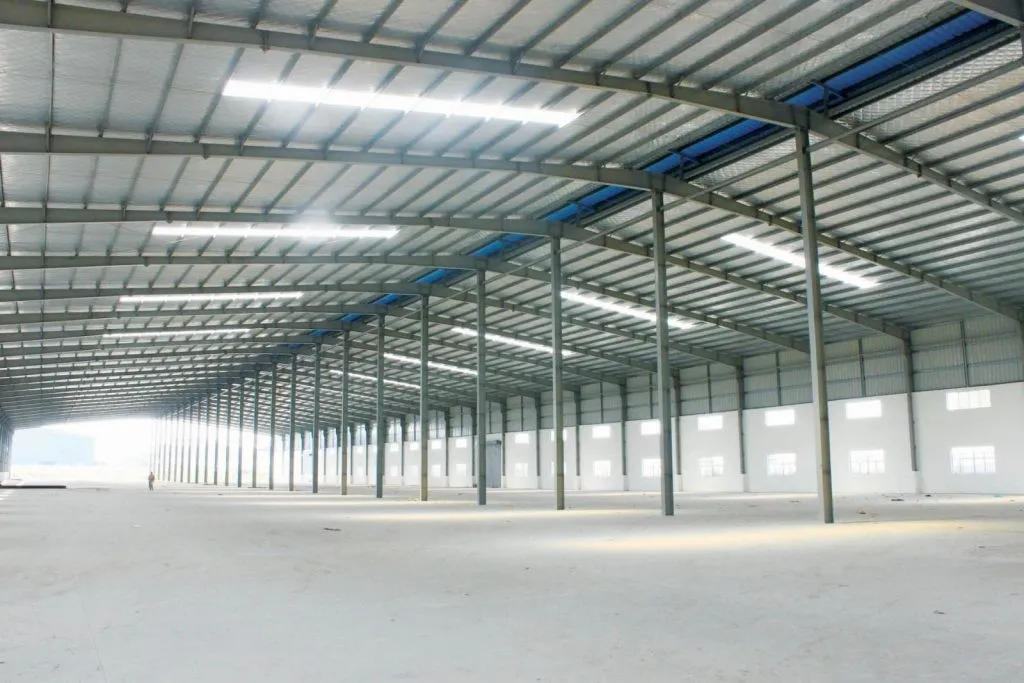
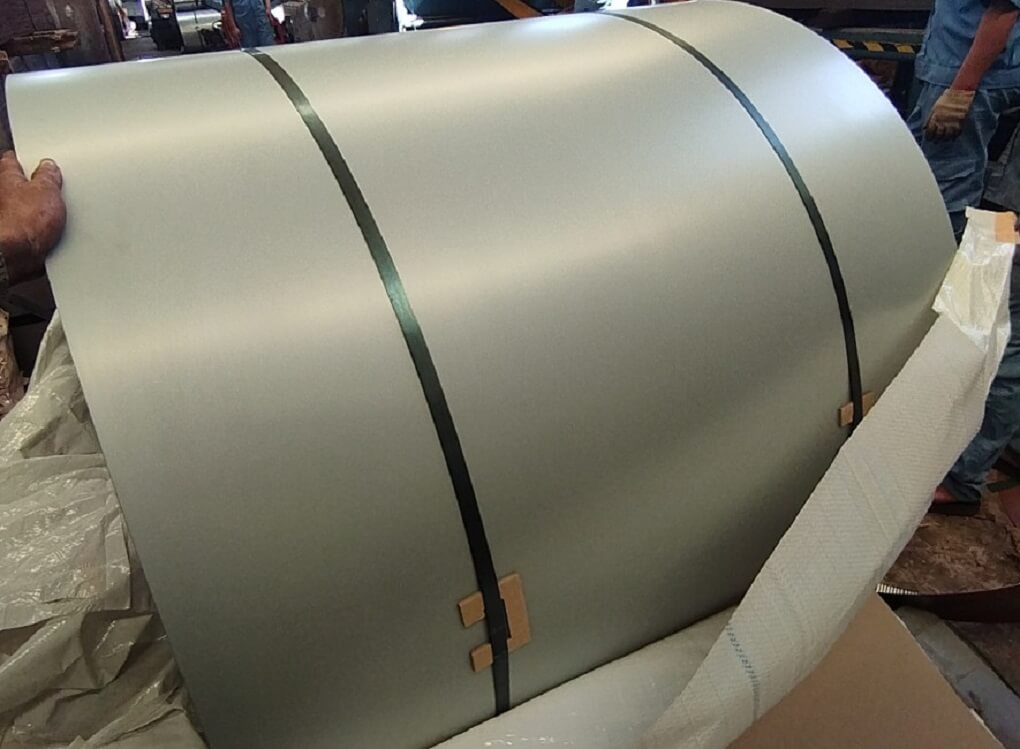
What is EG steel sheet? Advantages, applications, and how to choose the right electro-galvanised steel sheet SECC – GA in construction.
What is EG steel sheet? Understanding the true nature of EG electro-galvanised steel sheetEG steel sheet is one of the most common types of metal materials used in mechanical engineering, construction...
More news
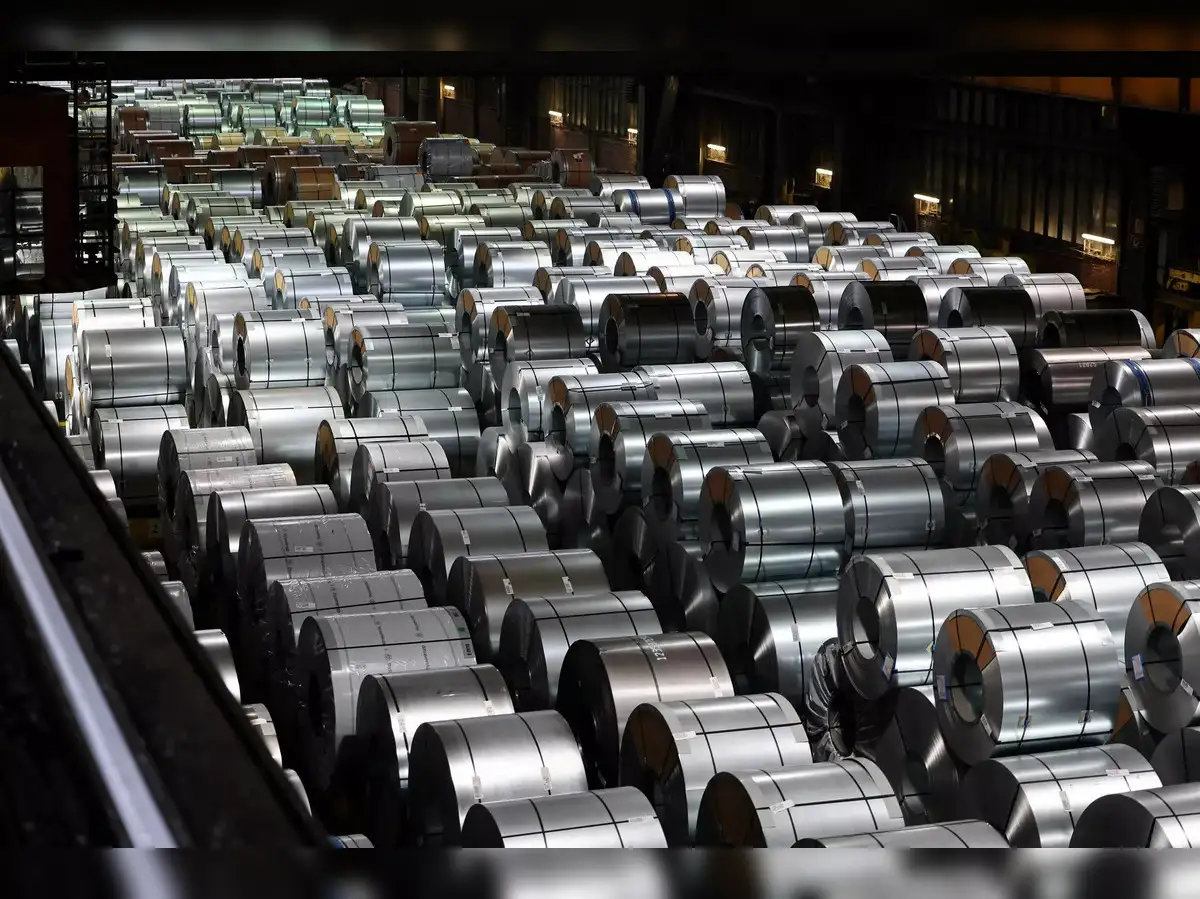
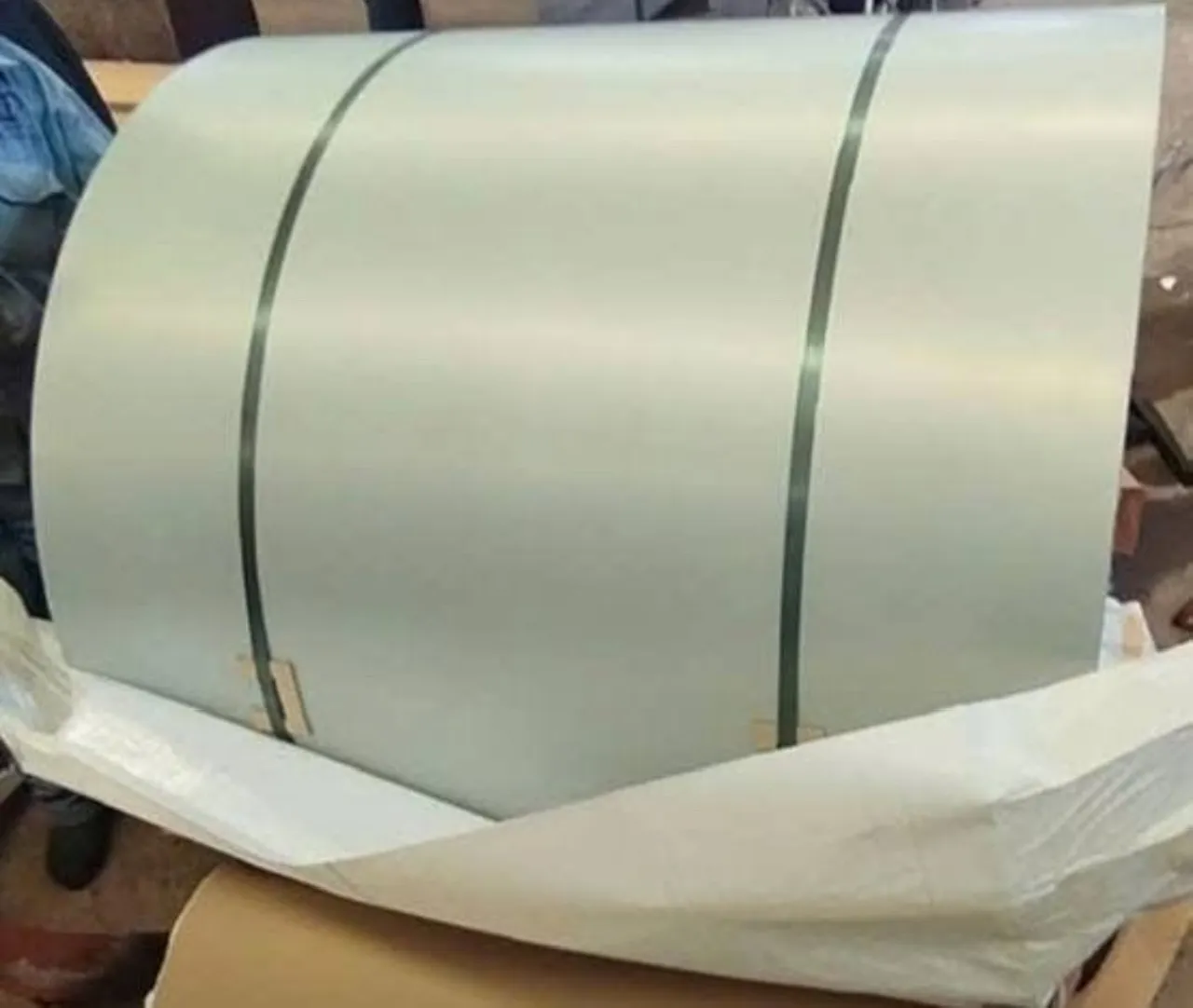
Electro-galvanised steel GA – High-Quality Material Favored at Phu Cuong Steel Sheet and Steel
What is electro-galvanised steel GA?Electro-galvanised steel GA (Galvannealed Steel) is a type of steel galvanised by electrolysis, then undergoes the process of zinc-iron alloying annealing, creating a surface with characteristic matte grey color. This alloy structure helps GA steel have superior paint adhesion, high surface hardness and stable corrosion resistance.Compared to EG electro-galvanised steel or conventional galvanised steel, GA electro-galvanised steel stands out due to excellent surface uniformity and post-fabrication processability.Outstanding advantages of electro-galvanised steel (GA)Stable corrosion resistanceThanks to the zinc-iron alloy layer, GA electro-galvanised steel has good oxidation and corrosion resistance, suitable for industrial production environments and indoor and outdoor usage conditions.Superior paint adhesionMatte grey surface helps paint coating adhere firmly, minimising peeling, ideal for products requiring finish painting or surface coating after fabrication.High surface hardnessGA steel has better hardness than conventional galvanised steel, reducing scratches during transportation and installation.Easy, stable fabricationGA electro-galvanised steel is easily cut, bent, stamped, welded, with minimal deformation, ensuring high precision for technical components.Common applications of GA electro-galvanised steelWith its superior properties, electro-galvanised steel (GA) is widely used in many fields:Manufacturing automotive and motorcycle componentsFabrication of machine casings, industrial equipment framesManufacturing electrical cabinets, cable trays, electrical equipmentPrecision mechanics, technical components requiring paint coatingIndustrial and civil constructionWhat stands out about electro-galvanised steel (GA) at Ton Thep Phu Cuong?Standard-compliant steel qualityCÔNG TY TNHH TÔN THÉP PHÚ CƯỜNG is committed to supplying GA electro-galvanised steel that is technically compliant, with a uniform coating layer, stable surface, ensuring long-term effective use.Diverse specificationsPhu Cuong supplies GA electro-galvanised steel with various thicknesses, steel widths, and different lengths, flexibly meeting each usage purpose from small production workshops to large projects.Competitive selling pricesThanks to a stable supply source and direct distribution system, GA electro-galvanised steel at Phu Cuong always has reasonable, transparent prices, helping customers optimise investment costs.In-depth technical consultationPhu Cuong's experienced staff are ready to advise on selecting suitable steel types, ensuring economic and technical efficiency for each construction project.Fast, on-schedule deliveryWarehouse located in District 12 helps fast steel delivery in Ho Chi Minh City and neighbouring provinces, effectively supporting production and construction schedules.REFER TO ELECTRO-GALVANISED STEEL (GA) PRODUCTS HERE:ELECTRO-GALVANISED STEEL (GA)ELECTRO-GALVANISED STEEL SHEET GA - GA STEEL SHEETReasons to choose Ton Thep Phu Cuong as a long-term partnerSteel source stable, consistent qualityPricing policy flexible for loyal customersSupport for issuing invoices and complete documentsReputation proven through many years of operationTon Thep Phu Cuong not only supplies products but also provides optimal material solutions, accompanying the sustainable development of customers.Reputable contact information to buy electro-galvanised steel (GA)If you are looking for a high-quality electro-galvanised steel (GA) supplier in Ho Chi Minh City, please contact us immediately:CÔNG TY TNHH TÔN THÉP PHÚ CƯỜNG📍 Address: 2177C – 2177D National Highway 1A, Dong Hung Thuan Ward, District 12, Ho Chi Minh City📞 Phone: 0933 919 899📧 Email: tonthepphucuong@gmail.com🌐 Website: https://tonthepphucuong.com/See more related articles:Electro-Galvanised Steel EG – Durable, Aesthetic Material Solution From Phu Cuong SteelWhat is galvanised steel sheet? Detailed analysis from structure, advantages to practical applications in constructionBreakthrough applications of large width galvanised steel sheet in industry and construction 2026What is Electro-Galvanised Steel Sheet GA? Structure, SECC – GA standards and applications in industry
Read article →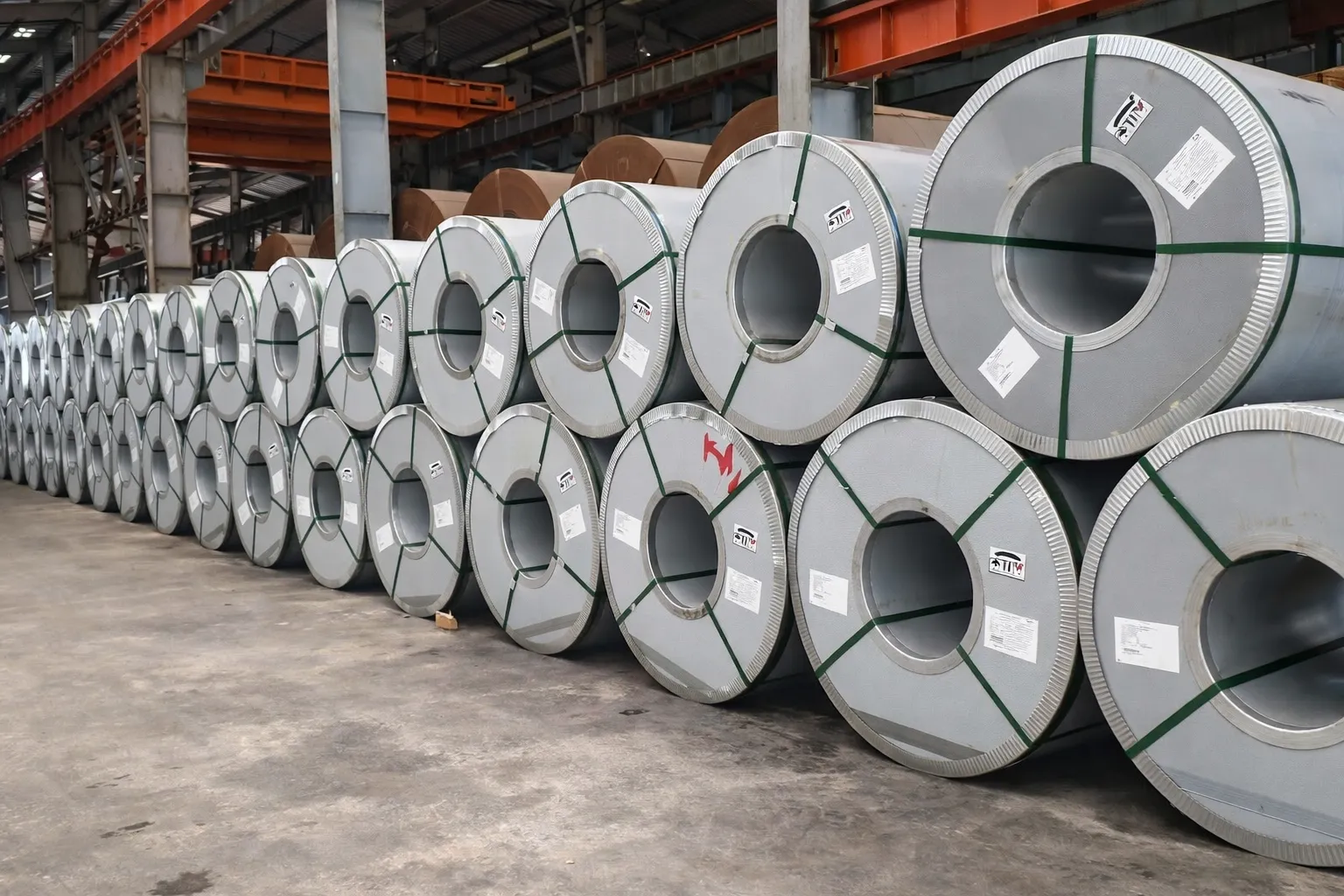
Common Mistakes When Choosing Steel Sheet For Pre-fabricated Factories (And How to Avoid Them)
Choosing steel sheet for prefabricated workshops is not just about choosing “cheap type” or “familiar type”. Many construction projects quickly degrade, become hot, noisy, rusty, or incur increased maintenance costs just because of seemingly small initial mistakes. This article helps you identify the most common mistakes when choosing steel sheet for workshops and provides solutions that are technically correct – economically sound – and ensure the correct lifespan of the construction project.1) Choosing steel sheet based solely on low price – the most common mistakeMany workshop owners, especially small and medium-sized workshops, often prioritize the criterion of low price when choosing roofing steel sheet and wall steel sheet. However, low-price steel sheet often comes with risks regarding material quality and lifespan.Thin coating, poor coating adhesionProne to rust after 1–2 years in humid environmentsMaintenance and replacement costs later may be much higher compared to initial savingsSolution: When comparing quotations, prioritize technical specifications: coating thickness (Z), actual thickness, raw material origin, CO/CQ documents.2) Not checking the actual thickness of the steel sheetA dangerous mistake is to completely trust the quotation or the thickness marking on the documents without actual measurement. In the market, there is a situation of “thiếu ly” (actual thickness is lower than declared).Steel sheet sags quickly, easily dents during heavy rain/strong windsReduces load-bearing capacity, reduces roof lifespanIncreases risk of leakage due to deformationSolution: Use micrometer To measure thickness, randomly check multiple points on the sheet/coil. At the same time, require the supplier to commit to the correct thickness and delivery specifications.3) Choosing the wrong type of steel sheet for the usage environmentNot all factories use the same type of steel sheet. The construction environment determines the rate of corrosion and degradation.Common mistake: Using common steel sheets for factories in coastal areas, high humidity regions, or industrial zones with corrosive chemicals/emissions.Consequence: Rapid corrosion, coating delamination, widespread rust, early repair requirements.Solution: Choose materials suitable for the environment:Harsh environment: prioritize steel sheets with high coating or materials with better corrosion resistanceConsider additional protective paint layer if necessaryDiscuss with technical team in advance to finalise configuration according to desired lifespan4) Not considering steel sheet width – causing significant wasteMany construction projects still use standard width steel sheet (1000–1250mm) for large-span workshops, leading to many overlaps and material waste.Many overlaps → increase risk of leakage over timeMaterial waste and increased construction laborRoof/wall surface with poor aesthetics due to many jointsSolution: Prioritise large width steel sheet from 1500mm upwards to reduce seams, reduce waste and increase surface uniformity.5) Overlooking pre-delivery fabricationSome contractors buy steel sheet coils for the construction project and then cut/bend them manually. This method easily leads to errors, scratches, and increased construction time.Incorrect dimensions, material shortage/surplusSurface scratches due to improper handlingIncreased labor costs at the construction project, prolongs scheduleSolution: Choose a supplier with fabrication workshop at the warehouse:Uncoiling – cutting to specificationsBending, stamping according to drawingsDelivery of correct dimensions, ready for installation6) Not requiring CO, CQ for the construction projectMany investors prioritize schedule over quality documentation. This can cause difficulties during acceptance or when completing project documentation.Lack of acceptance documentationDifficult to verify origin, material qualityIncreased risk during settlement/inspectionSolution: Always require CO (Certificate of Origin) and CQ (Certificate of Quality) for the shipment.7) Choosing a supplier without logistics capabilityTransportation is an easily overlooked part but directly affects schedule and costs.Outsourcing vehicles: high price, difficult to be flexibleEasily delays schedule for urgent deliveriesRisk of scratches, dents if loading/packaging is improperSolution: Prioritize suppliers with their own trucks, flexible delivery, support for urgent same-day orders, and a process to protect the steel sheet surface during transportation.ConclusionChoosing steel sheet for pre-engineered factories is a comprehensive problem involving technical aspects, cost, and lifespan. Avoiding common mistakes will help the construction project be more durable, require less maintenance, provide long-term savings, and ensure the schedule and legal documentation.Phu Cuong Steel Sheet Steel – Leading Reputable Large Width Steel Sheet DistributorWith the motto “Quality makes the brand”, Phu Cuong Steel Sheet Steel – Accompanying Every Construction Project is a reliable steel sheet material solution for pre-engineered factory construction projects in Ho Chi Minh City and surrounding areas.Large warehouse, readily available galvanised steel sheet – EG/GA steel sheet – color-coated cold steel sheetEspecially strong large width steel sheet 1000mm – 1250mm – 1500mm and above (rare in the market) helps reduce loss and jointsMachine system coil unwinding – bending and stamping with new technologyTeam of technicians knowledgeable in drawings, accurate fabricationGenuine raw material source from large millsOwn trucks, fast delivery – optimise logistics costsCommitment correct thickness – correct specifications – full CO, CQContact information:Address: 2177C – 2177D National Highway 1A, Dong Hung Thuan Ward, District 12, Ho Chi Minh CityPhone: 0933 919 899E-mail: tonthepphucuong@gmail.comWebsite: tonthepphucuong.comSee more related articles:Mistake when only measuring steel sheet with calipers: Why do many contractors misjudge material quality?Receiving steel sheet at the construction project: Besides thickness, what else does the contractor need to check to avoid future risks?What is large width 1500mm galvanised steel sheet? Why is it increasingly prioritised by contractors?
Read article →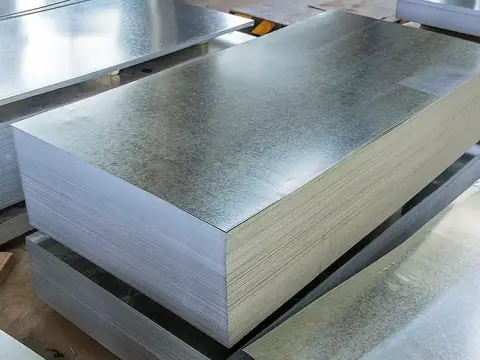
What is 1500mm wide galvanised steel sheet? Why is it increasingly preferred by contractors?
What is large width 1500mm galvanised steel sheet?Large width 1500mm galvanised steel sheet is a type of steel sheet coated with a protective galvanised layer on the surface, with coil width or cut width up to 1500mm – significantly larger than common widths 1000mm or 1250mm on the market.The galvanised layer acts as a "sacrificial shield", helping to protect the inner steel core from oxidation, environmental corrosion, especially in humid, rainy environments or coastal areas.Why is 1500mm width considered a "strategic steel sheet width"?In actual construction, steel sheet width directly affects the number of joints, material waste, and installation time. The larger the steel sheet width, the fewer sheets needed.1. Reduce joints – increase roof durabilityEach joint is a potential weak point: prone to water leakage, prone to rust, and requires regular maintenance. Large width 1500mm galvanised steel sheet significantly reduces the number of joints, thereby improving water tightness and the overall lifespan of the roof or wall.2. Reduce material wasteWhen using small width steel sheet, the overlapping and excess cutting create a significant amount of scrap. With 1500mm width, the material utilization rate is higher, especially effective for large area construction projects.3. Increase construction speedFewer sheets mean faster installation, reduced labor, and shortened schedule – extremely important factors for factory, warehouse projects that need to be put into operation early.Comparison of large width galvanised steel sheet and standard widthCriteria1000–1250mm Width1500mm WidthNumber of jointsManyFewMaterial wasteHigherLowerConstruction timeLongerFasterWater tightnessAverageHighOverall costCan be highMore optimal in the long runAdditionally, you can also refer to the article comparing galvanised steel sheet and electro-galvanised steel sheet here: Comparison of galvanised steel sheet and electro-galvanised steel sheet: Where are the differences, which type should be used for each construction project?Practical applications of large width 1500mm galvanised steel sheetThanks to superior technical characteristics, large width galvanised steel sheet is often used in:Manufacturing factories, industrial zonesLarge scale pre-engineered steel buildingsWarehouses, logistics centersFood and seafood processing plantsConstruction projects requiring high durability and low maintenanceNotes when choosing to buy large width galvanised steel sheet✔ Check actual thicknessThickness must be as declared, because even a small deviation will greatly affect load-bearing capacity and lifespan.✔ Check the galvanised layerThe coating must be even, firmly adhered, not peeling. Outdoor construction projects should prioritize a thick galvanised layer for better corrosion resistance.✔ Choose a unit capable of large width fabricationNot every warehouse has enough machinery to uncoil, cut, and bend 1500mm width steel sheet. This is a decisive factor for project progress and product quality upon delivery to the construction project.Why do many contractors choose to buy large width steel sheet at warehouses instead of factories?Buying readily available large width galvanised steel sheet at warehouses helps:Proactive schedule, no need to wait for productionEasy direct goods inspectionFlexible fabrication according to actual drawingsReduce logistics costs with own trucksThis is also why warehouses specializing in large width steel sheet are increasingly prioritized in the modern construction material supply chain.PHU CUONG STEEL SHEET – LEADING REPUTABLE LARGE WIDTH STEEL SHEET DISTRIBUTORWith the advantage of owning a large warehouse and modern machinery system, Phu Cuong Steel Sheet is committed to providing customers with high-quality large width galvanised steel sheet, EG steel sheet products, correct thickness – correct specifications.Main products:– Galvanised steel sheet 1000mm, 1250mm, 1500mm width– EG steel sheet, GA (electro-galvanised)– Color-coated steel sheetServices:– Cutting to required specifications– Coil uncoiling, bending, stamping fabrication at warehouse– On-site delivery by own trucksContact information:📍 Address: 2177C – 2177D National Highway 1A, Dong Hung Thuan Ward, District 12, Ho Chi Minh City📞 Phone: 0933 919 899📧 Email: tonthepphucuong@gmail.com🌐 Website: tonthepphucuong.comSee more related articles:EG Steel – Durable, Aesthetic Material Solution From Phu Cuong Steel SheetLarge Width 1500mm EG Steel Sheet – High Aesthetic Material Solution For Modern Construction ProjectsWhat is galvanised steel sheet? Detailed analysis from structure, advantages to practical applications in construction
Read article →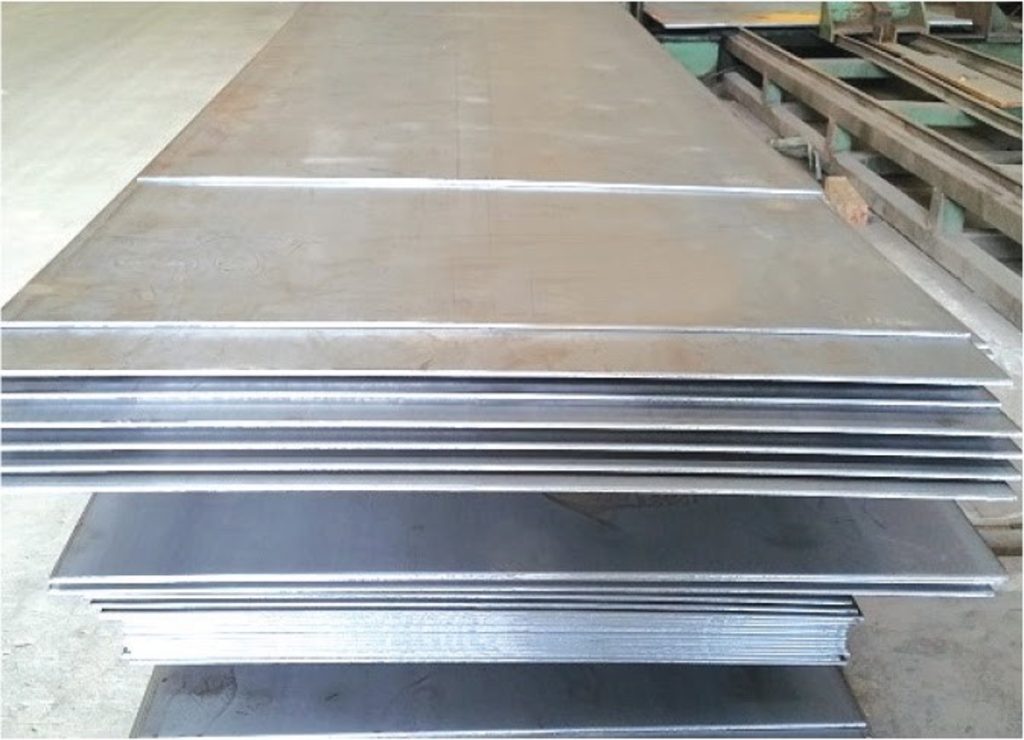
How to check steel sheet for correct thickness upon delivery at the construction project – Avoid discrepancies, avoid unnecessary costs
1. Why check steel sheet thickness upon receipt of goods?In actual construction, steel sheet thickness (commonly called 'steel sheet gauge') is not only a technical specification on the quotation but also a decisive factor:Load-bearing capacity of roofs and factory wallsDeflection, vibration during strong windsLifespan of galvanised or colour coatingCorrosion resistance in humid, saline, chemical environmentsIf the steel sheet is 0.02–0.03 mm thinner than standard, the total steel mass is significantly reduced, meaning the construction project is 'hollowed out' which buyers find difficult to detect without thorough inspection.2. Concepts to understand correctly before measuring steel sheet2.1. Nominal thickness and actual thicknessMany people confuse:Nominal thickness: the figure stated on the quotation, contract (e.g., 0.45 mm)Actual thickness: the measured thickness of the steel sheet after coatingAccording to standards, the declared thickness usually includes the coating layer. However, some places quote based on 'base gauge' or intentionally obscure this concept.2.2. Base thickness and coating layerA galvanised or colour-coated steel sheet consists of:Base steel core (base metal thickness)Galvanised or alloy coating + paintIf measured at the wrong location or with incorrect tools, the result can deviate significantly.3. Most common and accurate way to check steel sheet thickness3.1. Using a micrometerThis is the most direct, common, and easy-to-apply method at the construction project.Select a micrometer with 0.01 mm accuracyMeasure at various locations on the steel sheetAvoid measuring at strongly pressed steel sheet ribs or bent edgesNote: Do not measure only one point and conclude, as manufacturing and shipping tolerances are real.3.2. Checking by weight (indirect method)For large orders, contractors can check by:Weighing the coil or bundle of steel sheetComparing with theoretical mass according to steel sheet thickness and widthThis method is suitable when receiving full coils or large quantities, helping to quickly detect cases where steel sheets are 'thinned out' in bulk.3.3. Cross-referencing CO, CQ from the supplierCO (Certificate of Origin) and CQ (Certificate of Quality) are important documents showing:Origin of steel billetManufacturing standardsThickness, steel grade, coating layerHowever, documents are only valid when accompanied by actual inspection. Never just look at CO, CQ and neglect measurements at the construction project.4. Common mistakes when checking steel sheet thicknessOnly measure at 1 single pointUse regular caliper instead of micrometerDo not distinguish between base thickness and post-coating thicknessToo much trust in cheap quotation without checkingThese mistakes cause many construction projects to quickly deteriorate after a few years, especially pre-engineered factories.5. Practical experience from construction projectsIn many factory projects, thorough checking of thickness from the beginning helps:Reduce later maintenance costsAvoid disputes with suppliersEnsure correct design and acceptance documentsProfessional contractors often require random measurement of 5–10% of the sheets in each shipment.6. Safe solution: choose a supplier that strictly controls thicknessInstead of just “spot checking” upon receiving goods, a more sustainable solution is to choose a company:Committed to correct thickness, correct specificationsHas on-site fabrication workshop, controls input – outputProvides full CO, CQ from large factoriesPhu Cuong Steel Sheet & Steel – Accompanying Every Construction ProjectWith the motto “Quality makes the brand”, Phu Cuong Steel Sheet & Steel not only supplies galvanised steel sheet, electro-galvanised steel sheet EG – GA but also brings optimal technical solutions for contractors:New technology coil slitting and bending-stamping machine systemTechnical staff knowledgeable about drawingsGenuine raw material source from large factoriesCommitment to correct thickness, flat and clean cut, minimize scratchesLarge steel sheet width from 1500 mm helps reduce material lossOwn trucks, fast delivery – optimize costs7. ConclusionChecking steel sheet thickness upon receipt is not a formality, but a direct step to protect the quality and cost of the construction project. By investing a few more minutes for measurement and choosing the right reputable supplier, you can avoid risks that could last for decades.Phu Cuong Steel Sheet and Steel – Leading Reputable Large Width Steel Sheet DistributorWith the advantage of owning a large warehouse and modern machinery system, Phu Cuong Steel Sheet and Steel is committed to providing customers with the highest quality large width galvanised steel sheet, EG steel sheet products on the market.Main products: Galvanised steel sheet width 1000mm, 1250mm, 1500mm, EG/GA steel sheet, color-coated cold-rolled steel sheet.Services: Support cutting to customer specifications, on-site delivery.Contact information:Address: 2177C - 2177D National Highway 1A, Dong Hung Thuan Ward, District 12, Ho Chi Minh CityPhone: 0933 919 899E-mail: tonthepphucuong@gmail.comWebsite: https://tonthepphucuong.com
Read article →
Steel sheet thickness deviation in actual construction: Causes, consequences and effective prevention methods
1. What is steel sheet thickness deviation?Steel sheet thickness deviation is the difference between the thickness stated on the quotation/contract and the actual thickness of the steel sheet when put into construction.Example: steel sheet is quoted at 0.45 mm but actual measurement only reaches 0.41–0.42 mm. This seemingly small number creates a very large difference in steel volume and the load-bearing capacity of the entire construction project.2. Common causes of steel sheet thickness deviation2.1. Deviation during rolling and coatingIn industrial production, the rolling of steel and galvanising always has permissible tolerances. However, when the tolerance is pushed to its maximum limit or exceeds the standard, the actual thickness will be significantly lower than stated.2.2. Ambiguity between base thickness and post-coating thicknessSome quotations only state “steel sheet gauge” but do not specify:Whether it is the base steel thickness orThe total thickness after galvanising/colour coatingThis ambiguity makes buyers think they receive the full gauge, but in reality, the steel core is much thinner.2.3. Intentionally cutting thin to reduce costThis is a sensitive but real cause in the market. When competing on low prices, some suppliers:Reduce base thicknessKeep the product name unchangedCompensate by advertising the coating layerThe result is that the construction project bears significant risks in the long run.3. Consequences of using incorrect thickness steel sheet3.1. Reduced load-bearing capacity and lifespanSteel sheet thinner than standard is prone to:Sagging when spans are largeVibrating strongly in strong windsDegrading faster in corrosive environments3.2. Increased maintenance and repair costsInitially, a few percent of material costs might be saved, but after a few years:Roofs need to be reinforcedReplacing damaged areasAffecting production operations3.3. Risks during acceptance and insuranceFor large construction projects, acceptance documents require adherence to material standards. If incorrect thickness steel sheet is discovered:The investor may refuse acceptanceConstruction project insurance has the right not to pay4. How to early identify steel sheet at risk of thickness deviationUnusually low price compared to the general marketQuotation states vague parameters, lacking standardsDoes not provide clear CO, CQAvoidance when customers request random measurement checks5. Solutions to control steel sheet thickness deviation from the start5.1. Clear stipulations in the contractThe contract needs to specify:Base thickness or total thickness after galvanisedApplicable production standardRight to refuse goods if error exceeds permissible limits5.2. Prioritise units with fabrication workshop and input controlSuppliers with on-site coil slitting – cutting – bending workshops will:Better control of actual thicknessLimit product swappingReduce discrepancies during transportation6. Choosing safe material solutions for construction projectIn reality, the most effective solution is to choose a reputable partner from the start.Phu Cuong Steel Sheet & Steel – Partnering with Every Construction ProjectWith the motto “Quality builds the brand”, Phu Cuong Steel Sheet & Steel focuses on strictly controlling the thickness and specifications of steel sheet right from the billet stage:Genuine steel billets from major factoriesNew technology coil slitting – bending and stamping machine systemCommitment to correct thickness, correct reported specificationsFlat and clean cut goods, limited scratchesLarge steel sheet width from 1500 mm upwards helps reduce wastageDedicated trucks, fast delivery for urgent construction project7. ConclusionSteel sheet thickness error is not only a technical issue but also a financial and legal risk for the construction project. Understanding the causes, consequences, and proactively preventing them from the material selection stage will help contractors and investors protect the construction project sustainably and long-term.Phu Cuong Steel Sheet & Steel – Leading Reputable Large Width Steel Sheet DistributorWith the advantage of owning a large warehouse and modern machinery systems, Phu Cuong Steel Sheet & Steel commits to bringing customers the highest quality large width galvanised steel sheet and EG steel sheet products on the market.Main products: Galvanised steel sheet width 1000mm, 1250mm, 1500mm, EG/GA steel sheet, color-coated cold steel sheet.Services: Support cutting to customer specifications, on-site delivery.Contact information:Address: 2177C - 2177D Quốc Lộ 1A, Phường Đông Hưng Thuận, Quận 12, Thành Phố Hồ Chí MinhPhone: 0933 919 899E-mail: tonthepphucuong@gmail.comWebsite: https://tonthepphucuong.comSee more related articles:Compare EG steel sheet, GA, galvanised, cold-rolled steel, hot-rolled – What's the Difference?EG Steel Sheet / EG Steel Sheet District 12 – Available Large Width 1500mm, Cut to OrderWhat is galvanised steel sheet? Structure, classification, advantages and applications in modern constructionSteel Sheet and Steel Dealer in District 12 – Quotation for Galvanised Steel Sheet, EG Steel Sheet, Large Width Steel Sheet at Good Price in Q12
Read article →
Standard Thickness Tolerance for Steel Sheet (Avoid Shortage Upon Delivery)
In reality, many contractors receive steel sheet and find it “short on gauge” compared to the quotation. However, this is not always the supplier's fault.The main reason lies in misunderstanding steel sheet thickness tolerance – a technical concept that directly affects the cost and quality of the construction project.This article will help you understand tolerance standards, how to read specifications correctly, and most importantly: avoid being short on gauge when receiving goods.The truth: most cases of “short gauge steel sheet” are not due to fraud, but due to misunderstanding tolerance. If you measure incorrectly, you might mistakenly reject standard compliant goods.1. What is steel sheet thickness tolerance? Understanding the true technical nature, not just the numberSteel sheet thickness tolerance is the permissible deviation range between nominal thickness (nominal thickness – stated on the quotation, contract) and actual thickness of the product after manufacturing.However, understanding tolerance merely as “± how many mm” is insufficient. From a technical perspective, tolerance is the result of technological limitations during the steel rolling process, not a manufacturing defect.1.1. Nominal thickness vs actual thicknessIn commercial transactions, the declared thickness is nominal thickness – for example: 1.20 mm, 0.80 mm… This is the target value of the mill.However, in actual production:the steel sheet cannot achieve an exact absolute number over its entire lengthmicro-fluctuations always exist during the rolling process→ Therefore, the standard does not require “exactly 100%”, but specifies a permissible error range.1.2. Tolerance is not a defect – it is a standardA very common misunderstanding is: measuring thinner → concluding “short on gauge”.In reality, if the thickness falls within the tolerance range according to standards (JIS, ASTM, EN…), the material is still considered technically compliant.Example:nominal steel sheet 1.20 mmactual measurement ~1.15 mm→ If within permissible tolerance → completely valid.1.3. Technological nature: why does tolerance always exist?The steel sheet production process (hot-rolled, cold-rolled) is a continuous, high-speed process influenced by many factors:accuracy of the rolling mill systemelastic deformation of the materialtemperature and stress during the rolling processmechanical fluctuations of the production lineNo matter how advanced the technology, these variations cannot be completely eliminated.→ Therefore, tolerance is a physical – technological limitation that must exist.1.4. Tolerance along length and width – not absolutely uniformSteel sheet thickness does not only deviate by a single value, but can also vary:along the coil length (longitudinal variation)across the width (crown, edge thinning)Typically:the middle area is more stablecoil edges can be thinner or thicker (edge effect)→ Therefore, standards always require averaging multiple measurement points, not using a single measurement point to conclude.1.5. Practical significance in purchasing and acceptanceUnderstanding tolerance correctly helps you:avoid misjudging standard compliant materialread quotations more accuratelyavoid disputes with suppliersConversely, if you do not understand tolerance, you are very likely to:mistakenly reject standard compliant goodsor accept inferior goods due to incorrect inspection methods1.6. ConclusionThickness tolerance is not a random error, but a part of the technical standard.What is important is not the number measured at a single point, but:whether the entire material falls within the permissible tolerance limits.Comparing tolerance according to common standardsJIS (Japan): strict tolerance, common in VietnamASTM (USA): more flexible, depends on steel gradeEN (Europe): strictly controlled by product groupIn practice, the same nominal thickness may have different tolerances depending on the applicable standard. Therefore, when reviewing a quotation, the accompanying standard must be clearly identified.3. Common steel sheet thickness tolerance standards3.1. Tolerance according to technical standardsDepending on the manufacturing standard (JIS, ASTM, EN…), steel sheet thickness tolerance typically ranges within:Reference tolerance table by thicknessNominal thickness (mm)Typical tolerance (mm)0.40±0.020.50±0.020.80±0.031.00±0.031.20±0.04Note: specific values depend on the standard (JIS, ASTM, EN) and the manufacturer.±0.02 mm to ±0.04 mm for thin steel sheetPercentage of nominal thickness for thicker steel sheetIt is important that: the tolerance applies to base thickness or post-coating thickness must be clearly defined.3.2. Permissible tolerance ≠ right to arbitrarily cut thinMany mistakenly believe that “having tolerance” means steel sheet can be as thin as desired. In reality:Tolerance is a technical limit, not an optional rangeExceeding tolerance is a standard violationMay be rejected during acceptance4. How to read steel sheet quotations to avoid being "short-changed"4.1. Checklist for inspecting steel sheet upon receiptMeasure thickness with a micrometer at at least 5 pointsAvoid measuring at the sheet edge (edge effect)Compare with permissible toleranceCheck actual weight (kg)Compare with CO, CQ if available4.1.2 Beware of quotations with vague specificationsSome quotations only state:“galvanised steel sheet 0.45 mm”“Color-coated steel sheet 4.5 zem”But do not clearly state:Base thickness or post-coating thicknessApplicable manufacturing standardPermissible tolerance4.2. What should a technically correct quotation include?Nominal thickness (mm)Clearly specify base or post-coatingManufacturing standardReference weight (kg/m² or kg/coil)Accompanying CO, CQ5. Relationship between thickness tolerance and steel sheet weightA point often overlooked: thickness and weight always go hand in hand.If steel sheet is 0.03 mm thinner over a large area:Steel weight significantly decreasesMaterial cost decreasesBut load-bearing capacity and lifespan also decreaseTherefore, professional contractors often compare both measured thickness and actual weight.6. Tolerance and legal liability in constructionIn construction project acceptance and insurance documents, materials must be:Correct typeAccording to published standardsWithin permissible toleranceIf steel sheet is found to exceed tolerance:The investor has the right to demand replacementThe contractor is responsible for incurred costsAffects reputation and future bidding successIf you don't understand tolerance, you might lose money without realizing it. Conversely, if you understand it correctly, you will control material quality right from the quotation stage.7. Safe solution: choose a transparent quotation provider from the startInstead of “reading quotations by feeling”, the most sustainable solution is:Choose a supplier with transparent specificationsHas fabrication workshop and input controlReady for random measurement and inspectionPhu Cuong Steel Sheet & Steel – Accompanying Every Construction ProjectWith the orientation “Quality makes the brand”, Phu Cuong Steel Sheet always:Quotation clearly states thickness – standard – toleranceSupplies genuine blanks from major factoriesOn-site fabrication with modern coil slitting – pressing machinery systemCommits to correct thickness, correct specificationsLarge steel sheet width from 1500 mm upwards helps reduce wasteOwn trucks, fast delivery in Ho Chi Minh City and surrounding areas8. ConclusionSteel sheet thickness tolerance is not a “grey area” to accept risks, but a technical specification that needs to be correctly understood and strictly controlled. When contractors correctly read the quotation and master tolerance standards, the construction project will be protected right from the material foundation.Phu Cuong Steel Sheet – Leading Reputable Large Width Steel Sheet DistributorWith the advantage of owning a large warehouse and modern machinery systems, Phu Cuong Steel Sheet commits to bringing customers the highest quality large width galvanised steel sheet, EG steel sheet products on the market.Main products: Galvanised steel sheet width 1000mm, 1250mm, 1500mm, EG/GA steel sheet, color-coated cold steel sheet.Services: Supports cutting to customer specifications, on-site delivery.Contact information:Address: 2177C - 2177D National Highway 1A, Dong Hung Thuan Ward, District 12, Ho Chi Minh CityPhone: 0933 919 899E-mail: tonthepphucuong@gmail.comWebsite: https://tonthepphucuong.comSee more related articles:How to Measure Galvanised Coating Layer at Construction Project: Avoid Errors When Checking Z100, Z180, Z275How to choose appropriate steel sheet thickness for each prefabricated workshop itemHow to check correct steel sheet thickness upon goods receipt at construction project – Avoid errors, avoid unnecessary loss of money
Read article →