Tin Tức & Sự Kiện
Latest

How does width tolerance after coil slitting affect bending and stamping and construction project assembly?
In the steel sheet industry, when talking about material quality, many people often immediately think of thickness, coating thickness, surface or blank origin. However, from a practical construction a...
More news
Where to Buy Reputable EG Steel Sheet in Ho Chi Minh City? Quotation & Experience for Correct Standard Selection
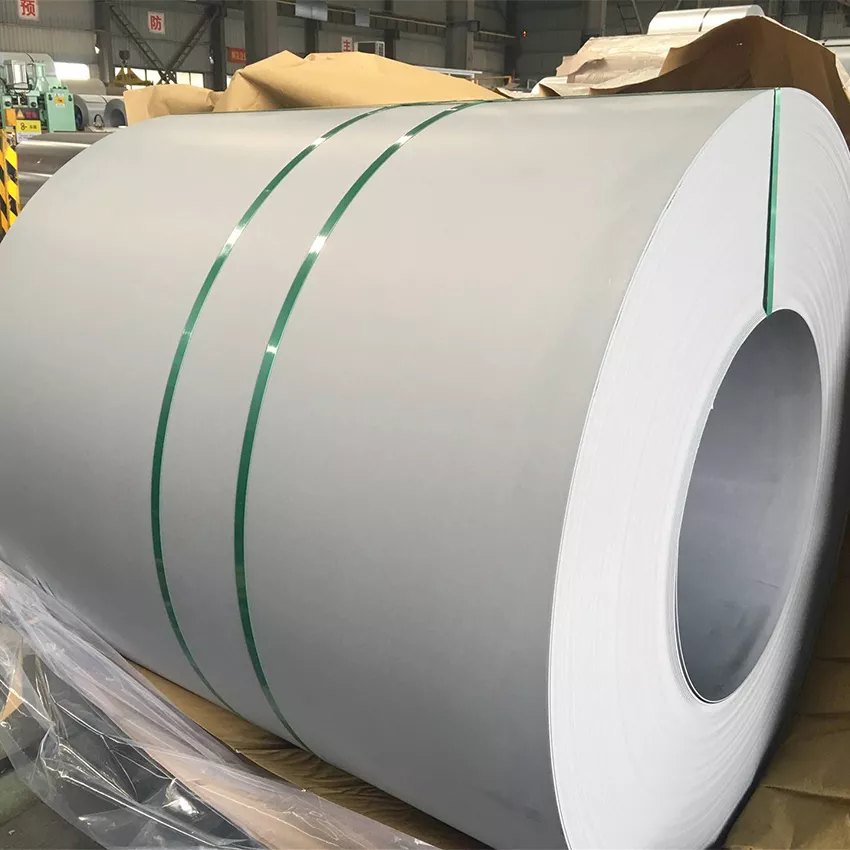
1. What is EG steel sheet? The nature of electro-galvanised steel material (SECC / EG)EG ELECTRO-GALVANISED STEEL - EG STEEL SHEET EGI is cold-rolled steel (cold rolled steel) coated with a thin layer of zinc by the method of electroplating, instead of hot-dipping like traditional galvanised steel sheet (SGCC).The electro-galvanised process takes place in an electrolyte solution, where zinc ions (Zn2+) are reduced and adhere to the steel surface under the action of direct current. Thanks to this mechanism, the coating layer:Has very uniform thickness across the entire surfaceGood adhesion, precisely controlled to micrometers (μm)Smooth surface, almost no spangle (zinc flower)This is the core difference between EG steel sheet (electro-galvanised) and hot-dip galvanised steel sheet.For more details, you can refer to the comprehensive article on EG steel sheet by Tôn Thép Phú Cường here: COMPREHENSIVE ARTICLE1.1. Composition and structure of the coating layerUnlike hot-dip galvanised (which creates a thick Zn–Fe alloy layer), EG steel sheet has:Base layer: cold-rolled steel (SPCC or equivalent)Coating layer: pure zinc (Zn)Coating thickness: usually 2–20 μm per sideThe coating layer is thinner but has high uniformity, suitable for applications requiring geometric precision and aesthetics.1.2. Why is it called “EG”?The name “EG” comes from the surface color:Slight blue tint, slightly metallicSmooth surface, no spangleThis color is not due to a paint layer, but is the result of:Thin zinc layer + small crystal structurePassivation treatment process (anti-oxidation) This is also a quick distinguishing feature from hot-dip galvanised steel sheet.1.3. What are SECC, EG? Are they different?In the market reality:SECC: Japanese standard (JIS G3313)EG: general term for electro-galvanised steelRegarding the nature of the material: almost equivalent, differing mainly in standard and nomenclature.1.4. Applications of EG steel sheet in practiceThanks to its surface properties and good fabrication capability, EG steel sheet is widely used in:Manufacturing electrical cabinets, machine casingsSteel doors, fire-resistant doorsHVAC systems (ducts, refrigeration equipment)Metal furniture, precision mechanicsThis is why this material is preferred in industries requiring precision + aesthetics + stable fabrication.2. What factors should be considered when buying EG steel sheet?2.1. Correct material type (SECC / EG)Not all “EG” are the same. In the market, you may encounter:SECC – standard electro-galvanised steelEG – electro-galvanized steelLow-quality mixed goodsIt is necessary to clearly define the standard to avoid wrong purchases.2.2. Thickness and toleranceCommon thicknesses:0.5mm – 1.2mm (widely used in mechanics)Note:Actual thickness has toleranceShould not demand “absolute accuracy” to every micrometerSee more about "tolerance" in this article: Steel Sheet Thickness Tolerance Standard (Avoid Shortage When Receiving Goods)2.3. Steel sheet width (technical factor directly affecting production costs)Steel sheet width is a parameter often overlooked when ordering, but it directly affects material efficiency and fabrication costs. In reality, EG steel sheet on the market mainly has standard widths:1000mm1250mmHowever, for large-sized products such as steel doors, industrial electrical cabinet casings, panels, or large plate mechanical parts, using standard widths often leads to:Having to join multiple sheetsIncreasing the number of welds or connection pointsMaterial loss during cuttingIncreasing fabrication time and costsIn this case, large-width EG steel sheet 1500mm is the optimal solution, helping to:Reduce the number of cuts and joinsOptimize blank layout, reduce material lossEnhance product rigidity and integrityIncrease aesthetics due to limited jointsHowever, it should be noted that 1500mm width is a rare product line on the market, not every unit has it available due to requirements for raw material source and fabrication capacity.Currently, Tôn Thép Phú Cường is one of the few units in Ho Chi Minh City capable of supplying EG steel sheet large width 1500mm, while also supporting on-site fabrication such as coil slitting, cutting to specification, bending – stamping as required.This is a special advantage for mechanical workshops, contractors, or manufacturing units needing to optimize material costs and improve output product quality.See product details now EG steel sheet/ electro-galvanised steel green width 1500mm here: ELECTRO-GALVANISED STEEL SHEET GREEN - EG STEEL SHEET WIDTH 15002.4. Surface and material quality (factors directly determining the finished product)For EG steel sheet, surface quality not only affects aesthetics but also directly impacts fabrication capability and the finish of the final product. This is a particularly important factor in industries such as electrical cabinets, steel doors, and precision mechanics.When selecting materials, the following criteria should be checked:Flatness of the sheet: no warping, no deformationSurface condition: no deep scratches, no pitting, no oxidation marksUniformity of the coating layer: no discoloration, no areas with poor coatingIn practice, many product defects do not originate from design or fabrication, but stem from the quality of the input steel sheet:Poor surface → paint does not adhere, easily peels offUnstable coating layer → easily oxidizes after a short timeUneven sheet → dimensional deviation after bending – stampingIn addition, the cutting and fabrication process also greatly affects surface quality. If equipment is not up to standard or operations are not technically correct, the material is prone to:Scratches due to frictionBurrs at the cut edgeDeformation in the bent areaTherefore, choosing a supplier with on-site fabrication capability and a synchronized machinery system is very important, helping to ensure:Flat cut products, correct dimensionsMinimize scratches during processing (to avoid scratches, you can refer to this article: Why steel sheet gets scratched during transportation and effective solutions)Ensure surface quality before entering productionFor products with high aesthetic or coating requirements, controlling surface quality right from the input material stage is a mandatory factor.2.5. Accompanying fabrication services (factors determining actual cost)In actual production, material costs are only one part. Most of the incurred costs come from fabrication stages such as cutting, bending, stamping, and transportation. Therefore, choosing a supplier with available on-site fabrication services will significantly optimize total costs.Instead of having to buy steel sheet coil and then taking it for fabrication at different places, the all-in-one supply model brings clear benefits:Reduce intermediate transportation costsLimit errors when transferring between fabrication unitsEnsure synchronization in specifications and qualityShorten production timeIn Ho Chi Minh City, Tôn Thép Phú Cường provides full EG steel sheet fabrication services directly at the warehouse, including:Coil slitting – cutting to required specificationSheet cutting to precise dimensionsBending – stamping – forming according to technical drawingsThe synchronized machinery system invested in helps ensure:High precision, correct design dimensionsLimit warping, deformation after fabricationSurface with few scratches, maintaining the quality of the coating layerTRefer to steel sheet/steel fabrication services at Tôn Thép Phú Cường's workshop: ServicesIn addition, actively managing transportation means helps the unit deliver quickly, including urgent same-day orders, suitable for construction project and production schedules.For mechanical workshops and contractors, choosing a supplier with on-site fabrication capability not only helps save costs, but also significantly reduces the risk of technical deviations throughout the entire production chain.3. Current EG steel sheet quotation (reference)Price of EG steel sheet depends on:thicknesssteel sheet widthQuantitySteel price fluctuationsTherefore, an accurate quotation requires:Specific specificationsQuantityFabrication requirementsContact directly to receive the fastest and most accurate quotation.Get electro-galvanised steel green/EG steel sheet quotation at HERE4. Where to buy reputable EG steel sheet in Ho Chi Minh City? Technical perspective and production realityChoosing an EG steel sheet supplier is not simply comparing prices, but a comprehensive problem between material quality, fabrication capacity, and supply stability. In many cases, the initial price difference is negligible, but deviations in material or fabrication can cause significant losses in production.4.1. Raw material source and material standardsA reputable supplier must ensure a clear raw material source, often from large domestic and international factories, accompanied by full CO, CQ documents. This not only ensures the quality of the coating layer but also helps traceability in case of technical issues.Correct standard SECC / EGStable coating layer, no discoloration, no premature oxidationCorrect thickness specification, with tolerance controlIn practice, many defects such as premature rust, paint not adhering, or deformation after fabrication often stem from using non-standard raw materials.4.2. On-site fabrication capacityThis is a factor that many units overlook when choosing a supplier. If there is no on-site fabrication workshop, materials will have to go through many intermediate stages:Buy coil → transportation → cutting → transportation → bending stampingThis process increases:Logistics costsRisk of dimensional deviationRisk of surface scratchingConversely, the in-warehouse fabrication model helps:Ensures accuracy from the startShortens production timeControls quality throughout4.3. Ability to supply large width (1500mm)For manufacturers of doors, electrical cabinets, or large metal structures, the ability to supply EG steel sheet in 1500mm width is a decisive advantage.However, currently in the market, 1500mm width is a rare product line due to:Requires special coil stockDemands suitable coil slitting and fabrication machine systemsUsing large width helps:Reduces the number of jointsIncreases structural rigidityOptimizes material layout, reduces wasteThis is a factor that brings clear benefits in terms of cost and product quality in mass production.4.4. Reality at Ton Thep Phu CuongIn Ho Chi Minh City, Ton Thep Phu Cuong is one of the units that fully meets the above criteria, with the orientation of providing material solutions for the mechanical engineering industry and metal structures.Large warehouse, with readily available SECC / EG steel sheet in various specificationsCapable of supplying large 1500mm width, rare in the marketSynchronized machine system for coil slitting – bending – stamping, with direct fabrication at the warehouseTechnical team understands drawings, supports optimizing cutting and fabrication plansCommits to correct thickness, correct specifications, minimizing deviationsFast delivery by private truck, proactive in schedulingThe difference is not in "selling steel sheet", but in the ability to provide complete solutions from materials to fabrication, helping customers reduce overall costs and limit technical risks.4.5. Conclusion on supplier selectionA suitable EG steel sheet supplier needs to simultaneously meet three factors:Stable material quality (coil stock source, coating layer, thickness)Actual fabrication capability (machinery, technique, accuracy)Flexible supply capability (large width, fast delivery)These are the factors that determine production efficiency, not just the initial material price.5. ConclusionBuying EG steel sheet is not just choosing a low price, but choosing the right material, the right standard, and the right supplier. Understanding SECC, thickness, steel sheet width, and tolerance will help you avoid risks in production and optimize long-term costs.Ton Thep Phu Cuong – Leading Reputable Distributor of Large Width Steel SheetIf you need to buy high quality EG steel sheet, Ton Thep Phu Cuong – Partnering with Every Construction Project is a reliable choice in Ho Chi Minh City.Supplies genuine EG steel sheet (SECC, EG)Full range of widths: 1000mm, 1250mm, especially 1500mm, rare in the marketOn-site fabrication: cutting, bending, stamping as requiredModern machinery, ensures high accuracyNeatly cut flat products, minimizes scratchingFast delivery, supports urgent ordersQuality builds the brand – committed to correct thickness, correct specifications, correct standards.📍 Address: 2177C–2177D QL1A, Dong Hung Thuan Ward, District 12, Ho Chi Minh City📞 Hotline: 0933 919 899📧 Email: tonthepphucuong@gmail.com🌐 Website: tonthepphucuong.comSee more related articles:What is EG Steel Sheet? SECC, EG, Electro-Galvanised EG Steel – A–Z Overview & Applications in District 12Mistakes When Choosing Electro-Galvanised Steel Sheet (EG) For Steel Doors And Metal FurnitureEG Steel Sheet in District 12 – Reputable Place to Buy EGI Electro-Galvanised Steel Sheet, With Large 1500mm WidthWhy does powder coating peel off? Causes from steel sheet material many workshops overlookGasoline Prices Increase → Chips, RAM, AI, Microchips And Even Iron and Steel All Increase? The Truth Few People Notice
Read article →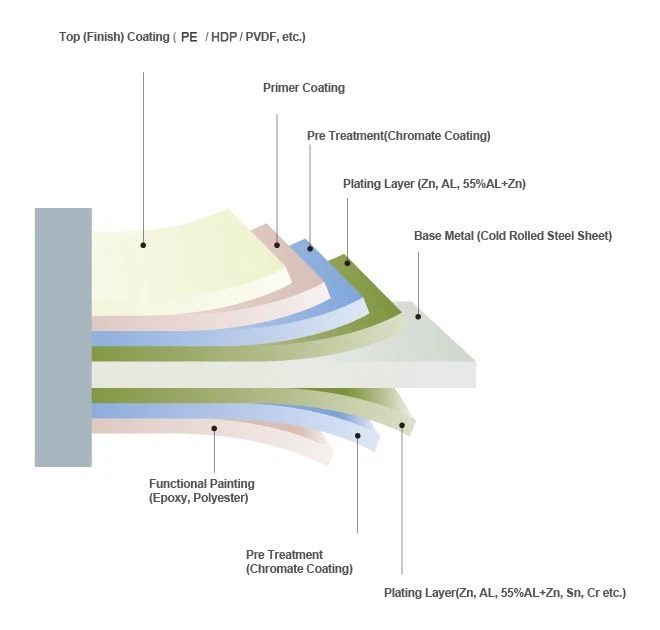
How to Measure Galvanised Coating at Construction Project: Avoid Errors When Checking Z100, Z180, Z275
In actual construction and acceptance, many disputes arise simply because of incorrect plating thickness measurement. The most common is measuring one point and concluding “insufficient plating”. This is technically incorrect.To accurately assess the galvanised layer (Z100, Z180, Z275…), it is necessary to understand the measurement method, equipment principles, and error handling.1. Galvanised layer measurement method: principles, errors, and technical limitsMeasuring the galvanised layer is not merely a simple thickness measurement operation, but a process of inferring the coating from indirect physical quantities. Each measurement method has its own principle, accuracy, and technical limits.Understanding measurement methods in depth helps you:correctly assess materialavoid incorrect conclusions during acceptanceunderstand why the same sheet yields different measurement results1.1. Magnetic Induction Method – field standardThis is the most commonly used method at construction projects due to its speed and non-destructive nature.Physical PrincipleThe probe generates a magnetic field. When in contact with the material:steel substrate (ferromagnetic) → good magnetic conductorgalvanised layer (non-magnetic) → non-magnetic conductorThe distance from the probe to the steel substrate changes the intensity of the reflected magnetic field.→ The device measures this change to infer the coating thickness.Strengthsnon-destructive to materialfast measurement (milliseconds)easy to deploy at construction projectsTechnical Limitsaccuracy depends on calibrationsensitive to surface roughnessaffected by curvature and geometrycannot distinguish alloy layers (Fe-Zn layers)Typical Error±1–3 µm with standard machineshigher if the surface is unstableFor more details, you can read about steel sheet/steel errors here: Steel Sheet Thickness Tolerance Standard (Avoid Shortage When Receiving Goods)Important note: the machine does not measure “Z275 plating mass”, but measures “thickness at a point” → must be converted and averaged.1.2. X-ray Fluorescence (XRF) Method – material analysisThis is a more advanced method, used in quality inspection or labs.PrincipleX-rays excite Zn atomsZn emits characteristic fluorescence spectrumsignal intensity ∝ plating thickness→ Allows direct measurement of coating mass by elemental composition.Strengthshigh accuracycan analyze composition (Zn, Al…)less surface-dependent than magnetic methodLimitationsexpensive equipmentrequires complex calibrationless used in the field1.3. Gravimetric Method – laboratory standardThis is the reference method in many standards.Principledissolve galvanised layer with acid solutionweigh before and aftercalculate Zn loss → g/m²Advantageshighest accuracyindependent of geometryDisadvantagesdestructive to samplenot applicable at construction projects→ This is the “primary standard” method; other methods are often calibrated based on it.1.4. Comparison of the nature of the methodsImportant points to understand:Magnetic → measures distance (thickness)XRF → measures elemental compositionGravimetric → measures actual mass→ These three methods do not measure the same physical quantity, so results may deviate within acceptable limits.1.5. Why can the same measurement point yield different results?Even when measured correctly, there can be discrepancies due to:micro-variation of coating layer (micro-variation)surface roughness (surface roughness)multi-layer alloy structure (Fe-Zn layers)equipment errorSpecifically, the magnetic method does not “see” the alloy layer structure, but only measures the total effective thickness.→ This is why the same location can vary by a few µm, which is completely normal.You can refer to the article about galvanised coating thickness error of material here: Why Is Galvanised Coating Never Absolutely Correct? Analysis of Z Tolerance in Practice1.6. Technical significance when applied in practiceFrom the above analyses, there are 3 important principles:never evaluate the coating layer with 1 measurement pointalways take the average of multiple pointsunderstand clearly the measurement method being usedConclusion:No measurement method is “absolutely correct”. Each method is only an approximate approach to evaluate the galvanised coating within permissible technical limits.2. Common mistakes when measuring coating thicknessmeasure 1 point then conclude for the wholemeasure at the edge (edge effect)not calibrating the machinemeasure on a dirty surfacenot converting unitsThis is the main reason leading to misunderstanding the material.3. Correct measurement procedure in practiceStep 1: Select measurement locationat least 10–20 mm away from the edgeflat surface, no scratchesStep 2: Measure multiple pointsat least 5–10 pointsevenly distributedStep 3: Take the average valueDo not use a single value to conclude, as it will cause extremely high actual error.Step 4: Compare to standardCompare by average, not the lowest point.4. Convert µm to g/m²The measuring device returns µm but the standard uses g/m².1 µm ≈ 7.14 g/m²Z275 ≈ 19–20 µm per sideZ180 ≈ 12–13 µmIf not converted correctly → easy to conclude incorrectly.5. Measurement error – a mandatory understandingequipment error: ±1–3 µmcoating layer variationsurface effect→ Cannot demand all points to be exactly the nominal value.6. Actual caseLot Z275:16 µm – 24 µmaverage ~20 µm→ Still meets standard.7. ConclusionMeasuring coating thickness correctly helps avoid 90% of material disputes.Measuring 1 point is not enough, but one must understand the entire nature of tolerance and standards.Phu Cuong Steel Sheet & Steel – Material Control Unit According to Actual Technical StandardsIn mechanical orders, workshops, MEP or industrial projects, the issue is not whether “there is galvanised steel sheet or not”, but whether the material meets technical specifications and can be verified or not.Especially with parameters such as coating thickness Z100, Z180, Z275, coating tolerance or measurement results at the construction project, if the supplier does not clearly understand the technical nature, it can easily lead to:disputes during acceptanceincorrect material evaluation due to incorrect measurement methodcannot be cross-referenced with CO, CQPhu Cuong Steel Sheet & Steel – Accompanying Every Construction Project not only supplies materials, but also acts as a unit that clearly understands actual technical challenges:supplies galvanised steel sheet, EG steel sheet, GA with clear specificationsadvises on the correct coating level (Z100 – Z275 – Z450) according to the usage environmentsupports reading and cross-referencing CO, CQ according to standardsunderstands how to measure coating thickness at the construction project and actual toleranceIn parallel, Phu Cuong possesses operational advantages to optimize costs and progress:diverse steel sheet widths, especially from 1500mm upwards – reduces material wastenew technology coil slitting, bending and stamping machine systemfabrication according to drawings: cutting, bending, stamping, formingbeautifully flat cut products, minimizing scratches, correct thickness – correct specificationsbillet source from large factories, with full CO, CQown trucks, proactive fast delivery, including urgent ordersFor orders requiring strict control over tolerance, coating layer and material documentation, choosing the right supplier from the start will significantly reduce risks arising during construction and acceptance.Contact information:Address: 2177C–2177D QL1A, Dong Hung Thuan Ward, District 12, HCMCPhone: 0933 919 899Email: tonthepphucuong@gmail.comWebsite: tonthepphucuong.comSee more related articles:What is 1500mm wide galvanised steel sheet? Why is it increasingly preferred by contractors?
Read article →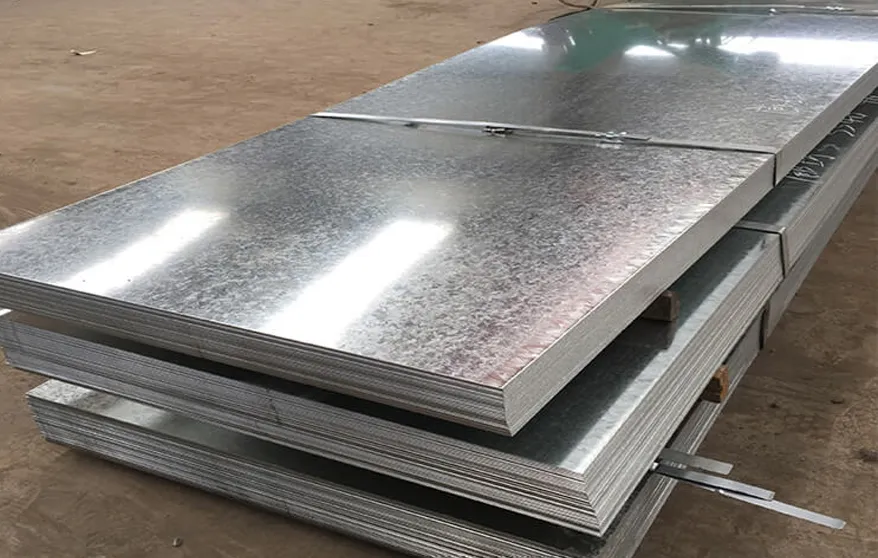
Why Galvanised Coating Is Never Exactly Right? Analysis of Z Tolerance In Practice
One of the most common misunderstandings when working with galvanised steel sheet is: “Z275 must be exactly 275 g/m²”. This is a theoretical understanding, but not true in industrial production reality.In reality, the galvanised coating always has tolerance due to the nature of the continuous hot-dip galvanising process. Without understanding this, buyers can easily dispute with suppliers or misjudge material quality.1. Physical – metallurgical nature of the galvanised coating: why can't it be absolutely uniform?To understand why the galvanised coating is never “absolutely exact”, it needs to be viewed from the perspective of fluid mechanics + heat transfer + metallurgical reactions, not just a simple coating.1.1. Not a “coating”, but an Fe–Zn alloy layer systemMany people think galvanised is just “coating a layer of galvanised onto steel”. In reality, during the hot-dip process, at the contact surface, diffusion reaction between Fe (iron) and Zn (galvanised), creating multiple intermediate alloy layers:Gamma (Γ)Delta (δ)Zeta (ζ)Eta layer (η) – pure galvanised on the outside To make it easier to visualize, you can refer to the cross-section of galvanised steel sheet below: The Eta layer is coated on the outside with 100% pure galvanised (100% Zn), decreasing gradually from top to bottom.This is a multi-layer structure, not a homogeneous layer. The overall thickness Z275 or Z180 is actually a composite of these layers, where each layer has a different formation rate depending on temperature and contact time.1.2. Influence of flow dynamics and “air knife”After exiting the molten galvanised bath (~450°C), the steel does not naturally have the desired galvanised coating thickness. The actual thickness is adjusted by the air knife (dao khí).Essentially, this is a problem of fluid mechanics (fluid dynamics):molten galvanised flow adhering to the steel surface (viscous film)compressed air blowing to “cut” excess galvanised layercreating a balance between adhesion force and cutting forceBut in reality:air pressure is never absolutely stablenozzle – surface distance has microscopic errorsline speed changes with the coil→ leading to galvanised layer thickness variations along both the length and width of the steel coil.1.3. “Edge effect” phenomenon – edges are always different from the centerAn important phenomenon in continuous galvanising is edge overcoating:coil edges are usually thicker than the centerair flow difficult to control evenly at the edgegalvanised flow pushed to the edgeThis causes the coating distribution horizontally to always have a gradient, it cannot be perfectly flat.1.4. Influence of base steel (substrate effect)The chemical composition of the base steel directly affects the Fe–Zn reaction rate. Specifically:Si (Silicon) contentP (Phosphorus) contentcan increase or decrease the alloy layer formation rate.This phenomenon is called Sandelin effect:some steel grades will react more strongly with galvanised → thicker coatingothers react more slowly → thinner coating→ even with the same production line, same parameters, but different steel grades → coating still differs.1.5. Thermal shrinkage and uneven solidificationAfter air knife, the galvanised layer changes from liquid to solid state in a very short time.This process is influenced by:temperature gradientcooling rateheat exchange with the environmentTherefore:coating layer may shrink unevenlymicro-variations in thickness appear1.6. Technical nature conclusionGalvanised coating layer is the result of a complex system comprising:metallurgical reaction (Fe–Zn diffusion)fluid mechanics (zinc flow + air knife)substrate material variationthermal solidification processTherefore, the absolute unevenness of the coating layer is not a manufacturing defect, but an unavoidable physical nature.Technical standards therefore do not require “absolute accuracy”, but specify according to average value and permissible tolerance.2. Z275 is actually the minimum valueAccording to standards, symbols like Z275 are usually understood as average minimum value, not an absolute value at every point.For more details, you can refer to the article about the "Z" symbol in galvanised steel sheet here: What is the coating tolerance standard Z120, Z180, Z275? Permissible error in galvanised steel sheetThis means:has points higher than 275has points lower than 275the average of all samples meets standard requirementsTherefore, measuring a single point as 260 or 290 does not mean the material is incorrect, if the overall remains within the permissible standard.3. Concept of coating tolerance (coating tolerance)Coating tolerance is the permissible range of variation of the galvanised coating compared to the nominal value. This is a mandatory factor in production because absolute precision cannot be achieved.International standards (EN, ASTM, JIS) all stipulate:average minimum valuelocal minimum valueThese two concepts are very important but are often overlooked when purchasing.4. Common mistake when inspecting the coatingMany people use a measuring device at a single point then conclude “insufficient galvanised coating”. This is an incorrect inspection method because:the galvanised coating is not absolutely uniformmeasuring equipment has its own errorthe standard requires average assessment, not a single pointThe correct inspection method is to:take multiple measurement pointscalculate the averagecompare with the applicable standard5. Why is tolerance important in practice?Understanding tolerance helps you:avoid meaningless disputes with supplierscorrectly read CO, CQ and mill testcompare quotations more accuratelycorrectly assess material qualityConversely, if you do not understand tolerance, you are very likely to:reject compliant material but measured “off-point”or accept substandard material due to incorrect inspection6. Practical problem in B2B purchasingIn mechanical, factory, MEP, FDI projects, misunderstanding tolerance can lead to:disputes between contractors and suppliersproject delays due to unnecessary material rejectionincreased re-inspection costsMeanwhile, if you understand the standard correctly, you will handle issues faster and more professionally in the eyes of partners.7. ConclusionThe galvanised coating is never absolutely exact – and that is completely normal in industrial production.What is important is not a number at a single measurement point, but Do all materials meet tolerance standards?.Understanding this correctly helps you make more accurate decisions, save costs, and avoid many unnecessary risks.Phu Cuong Steel Sheet – Leading Reputable Large Width Steel Sheet DistributorIf you need materials with clear control over coating thickness, tolerance, specifications, and CO, CQ documents, Phu Cuong Steel Sheet provides a complete solution from materials to fabrication.galvanised steel sheet, EG, GA with diverse specificationslarge width 1500mm and above – rare in the marketfabrication, decoiling, bending, stamping according to drawingsmodern machinery system, precise cutting, minimal scratchesfull CO, CQ available for construction projectfast delivery by private truckContact information:Address: 2177C–2177D National Highway 1A, District 12, HCMCHotline: 0933 919 899Website: tonthepphucuong.comSee more articles with related content:How Does Galvanised Steel Sheet Lifespan Depend on Z120 – Z180 – Z275 Coating Layer?Distinguish Between Sumikin, Dong A, Hoa Sen, Nam Kim Galvanised Steel Sheet – Which Type to Choose For Construction Project?What is EG Steel Sheet? SECC, EG, Electro-Galvanised Steel EG – A–Z Overview & Applications in District 12Compare Large Width and Standard Width Galvanised Steel Sheet: Which Option is More Effective?
Read article →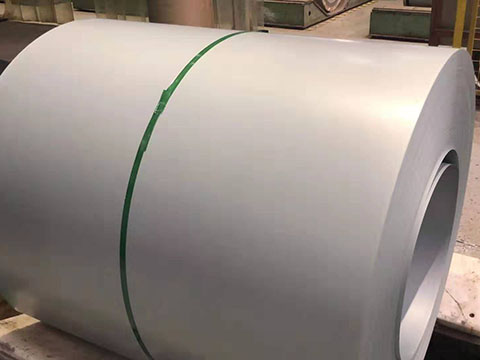
Mistakes When Choosing Electro-Galvanised Steel Sheet (EG) For Steel Doors And Metal Furniture
1. Overview: Why is EG steel sheet widely used in steel doors?EG electro-galvanised steel sheet (EGI – Electro Galvanized Iron) is a type of cold-rolled steel coated with a galvanised layer by electro-galvanised method. The surface has a characteristic light blue color, is smooth, uniform, and very suitable for applications requiring high aesthetics.In the steel door, metal furniture, and powder coating industries, this material is favored due to:Smooth surface → good paint adhesionStable thickness → easy fabricationHigh precision → suitable for mass productionHowever, precisely because of its “beautiful and easy-to-use” appearance, many people become complacent when choosing, leading to a series of serious mistakes.You can refer to A-Z details about EG steel sheet (EG electro-galvanised steel) in the comprehensive article by Phu Cuong Steel Sheet & Steel: What is EG Steel Sheet? SECC, EG, EG Electro-Galvanised Steel – A–Z Summary & Applications in District 122. Mistake #1: Confusing EG steel sheet with galvanised steel sheet just because their surfaces look somewhat similarThis is the most common mistake in the market, especially among buyers who habitually use colloquial names instead of the correct material nature.Many people just look at the bright, metallic, or slightly grayish surface and assume it's all “galvanised steel sheet”. In reality, within the group of metal-coated steel materials, EG steel sheet (often called EG electro-galvanised steel, EG, EGI) and hot-dip galvanised steel sheet (GI/HDG) differ in surface coating method, appearance, coating thickness, and intended use.Because of this confusion, many fabrication workshops or purchasing units choose the wrong material from the start: if a beautiful surface is needed for painting, they take hot-dip galvanised; if better corrosion resistance is needed in harsh environments, they take EG. The result is products that do not meet expectations for aesthetics, durability, or cost-effectiveness.2.1. Why do many people easily confuse these two types?The first reason is that both are steel with a metallic coating, so when viewed with the naked eye, especially under warehouse lighting or when the goods are still in coil, they both give the impression of “brightly colored steel sheet”.The second reason is that market terminology is often inconsistent. Many places generally refer to all types of coated steel as “galvanised steel sheet”, while in reality, the material used for steel doors, electrical cabinets, metal furniture, or powder-coated products is often electro-galvanised steel with a much smoother surface.The third reason is that buyers often focus on price, nominal thickness, or steel sheet width, but do not ask thoroughly whether it is electro-galvanised or hot-dip galvanised, what purpose the coating serves, and whether the surface is suitable for painting and fine fabrication.For more details, you can refer to this article: Comparing EG Steel Sheet, GA, Galvanised, Cold-rolled Steel, Hot-rolled – How Do They Differ?2.2. Differences in appearance: similar from afar, clearly different upon close inspectionIf observed closely, EG steel sheet usually has a smooth, fairly uniform surface, feeling “soft” and cleaner. This type is often highly valued in applications requiring surface aesthetics, especially when subsequent painting or powder coating is required.Meanwhile, hot-dip galvanised steel sheet usually has an appearance characteristic of the hot-dip galvanised layer: the surface may show galvanised spangle effect (spangle - illustration below) or a more distinct granular surface feel depending on the product type, factory, and finishing technology.For those unfamiliar with the material, they may still see the bright silver surface and assume it's just another version of EG.In other words, if only superficially observed with the naked eye, especially without much experience with the material, buyers can easily mistakenly conclude that these two types only differ slightly in color or commercial name. But in reality, the difference lies not only in color but also in the coating structure and intended use.2.3. Differences in coating natureEG steel sheet (EG/EGI) is cold-rolled base steel coated with a galvanised layer by electro-galvanised method. This coating usually provides a beautiful, smooth, uniform surface and is suitable for parts requiring precise fabrication, stamping, welding, painting, or aesthetic finishing.Galvanised steel sheet (GI/HDG) is usually steel coated with galvanised by hot-dip method. This type usually has a coating that prioritizes better corrosion protection under various usage conditions, but the surface is not always optimal for applications requiring high smoothness and aesthetic finishing like furniture or beautifully painted steel doors.This is the core point: one type focuses on surface and fine fabrication, the other focuses on stronger corrosion protection. If this is not understood, material selection can easily deviate from the intended use.2.4. Consequences of confusing EG with galvanisedIn the first case, if a product requires a beautiful surface for powder coating, making steel doors, electrical cabinets, metal furniture details, or parts with high aesthetic requirements, but hot-dip galvanised is used, businesses may encounter problems such as:Surface does not achieve expected smoothnessIncreased effort for surface treatment before paintingFinished product looks coarserDifficult to control uniformity during aesthetic finishingIn the second case, if a product is placed in an environment requiring higher corrosion resistance but EG is chosen just because of its beautiful surface, users may experience material degradation sooner than expected if usage conditions exceed the coating's suitable capacity.In the third case, a mistake in the purchasing stage will lead to errors throughout the entire subsequent chain: incorrect fabrication process, incorrect coating expectations, incorrect surface treatment costs, and even incorrect quotations for the end customer.2.5. How to identify to avoid confusionTo avoid this mistake, buyers should not just generally ask “galvanised steel sheet” or “bright steel sheet”. Instead, they need to ask clearly:Is this electro-galvanised or hot-dip galvanised?Is this material suitable for aesthetic painting or more for corrosion protection in outdoor environments?Is the surface a smooth type used for steel doors, electrical cabinets, metal furniture, or a common galvanised type?Does the supplier clearly describe the standard, origin, surface, and intended use?If it is a manufacturing unit specializing in steel doors, powder coating, metal furniture, or mechanical parts requiring a beautiful surface, correctly identifying from the outset that one needs EG electro-galvanised steel instead of just generally saying “galvanised steel sheet” will help reduce many risks.2.6. Conclusion of this mistakeThe essence of the mistake is not in “incorrect naming”, but in equating two types of materials with somewhat similar surfaces but different functions. In the steel door and metal furniture industry, a mistake made right from the raw material selection step can affect the entire finished product quality, coating capability, and cost-effectiveness.Therefore, instead of asking “is this steel sheet galvanised steel sheet?”, the more appropriate question should be: is this EG electro-galvanised steel or hot-dip galvanised steel, and is it truly suitable for my application?➡ If EG is used for outdoor environments → it rusts quickly.➡ If galvanised is used for products requiring a good paint finish → it is difficult to achieve aesthetic appeal.3. Mistake #2: Not checking actual thicknessMany workshops only buy according to “nominal specifications” without actual measurement.In reality, steel sheet always has thickness tolerance. For example:Steel sheet 1.0mm may only be 0.92–0.95mmThis directly affects:Steel door hardnessLoad-bearing capacityProduct lifespanSolution:Use a micrometer to measure at multiple pointsRequest CO, CQ from the supplier4. Mistake #3: Not paying attention to the coatingNot all EG steel sheets are the same.Electro-galvanised coating can differ in:Galvanised layer thicknessAdhesionSurface uniformityIf the coating is poor:Paint peels easilyEasily oxidizes after fabrication5. Mistake #4: Choosing the wrong type of base steelMany people only care about “EG” while ignoring the base steel.In reality, EGI is produced from cold-rolled steel (CR steel), but:Each factory has different qualityDifferent surface cleanliness➡ This affects:Bending strengthStamping capabilityPaint quality6. Mistake #5: Not optimizing steel sheet width (causing large waste)This is an extremely “costly” mistake but few people notice.Many workshops use standard width steel sheet (1000mm, 1250mm) while products have large dimensions.➡ Result:Much material wasteIncreased production costsSolution:Use large width steel sheet (1500mm or more)Optimize cutting layout7. Mistake #6: Not controlling the surface before paintingAlthough EG steel sheet has a beautiful surface, but if:Scratched during transportationContaminated with oil or dust➡ Powder coating will not adhere well.➡ Leading to peeling after a short time.8. Mistake #7: Choosing a supplier without fabrication capabilityMany units only sell steel sheet without fabrication services.This causes:Must outsource → increased costsDifficult to control qualityMeanwhile, if choosing a unit with available:Coil unwindingSteel sheet slittingBending – stamping➡ Can optimize costs and synchronize quality.9. ConclusionChoosing EG steel sheet is not just choosing “material type”, but choosing the right technical specifications, the right purpose of use, and the right supplier.Just making one of the above mistakes, the cost of error correction or warranty can be much higher than the initial material cost.10. Phu Cuong Steel Sheet – Leading Reputable Large Width Steel Sheet DistributorPhu Cuong Steel Sheet – Accompanying Every Construction ProjectNot only supplying materials, we focus on helping customers choose the right type of steel sheet according to the purpose of use, limit technical errors from the beginning – especially in the steel door, metal furniture, electrical cabinet, and precision mechanics industries.We specialize in supplying material lines:Electro-galvanised steel sheet EG (EGI), GAGalvanised steel sheet (GI) with diverse coating thicknessCold-rolled steel sheet, steel plate, steel coilEspecially: large width steel sheet from 1500mm or more – helps reduce material waste during fabricationCore advantages of Phu Cuong Steel Sheet:Beautifully flat cut products, correct thickness, correct specificationsClean surface, limited scratches – suitable for powder coatingBillet source from large factories, full CO, CQCompetitive prices in Ho Chi Minh City, especially District 12 areaProactive delivery by private truck – optimize logistics costsOn-site fabrication services – helps reduce costs and control quality:Coil unwinding according to required specificationsSheet cutting (flat cutting) precisely according to sizeSteel sheet slitting (slitting) into small widthsBending – stamping – forming according to technical drawingsSteel sheet fabrication for the production of steel doors, electrical cabinets, metal furnitureWith modern machinery systems and a technical team knowledgeable in drawings, we not only sell materials but also act as a technical solutions provider for manufacturing businesses.Quality builds the brand.Contact information:Address: 2177C–2177D QL1A, P. Đông Hưng Thuận, Q.12, TP.HCMPhone: 0933 919 899Email: tonthepphucuong@gmail.comWebsite: tonthepphucuong.comSee more related articles:Why Searching For “electro-galvanised steel sheet” Only Shows “galvanised steel sheet”? The Truth About How Google Understands MaterialsEG steel sheet In District 12 – Reputable Place Selling electro-galvanised steel sheet EGI, With Large Width 1500mmWhat Is electro-galvanised steel? Why Do The Door, Electrostatic Painting, Metal Furniture Industries Use It So MuchWhat are EG, GA electro-galvanised steel sheets? Advantages, applications and selection experience for modern construction projects
Read article →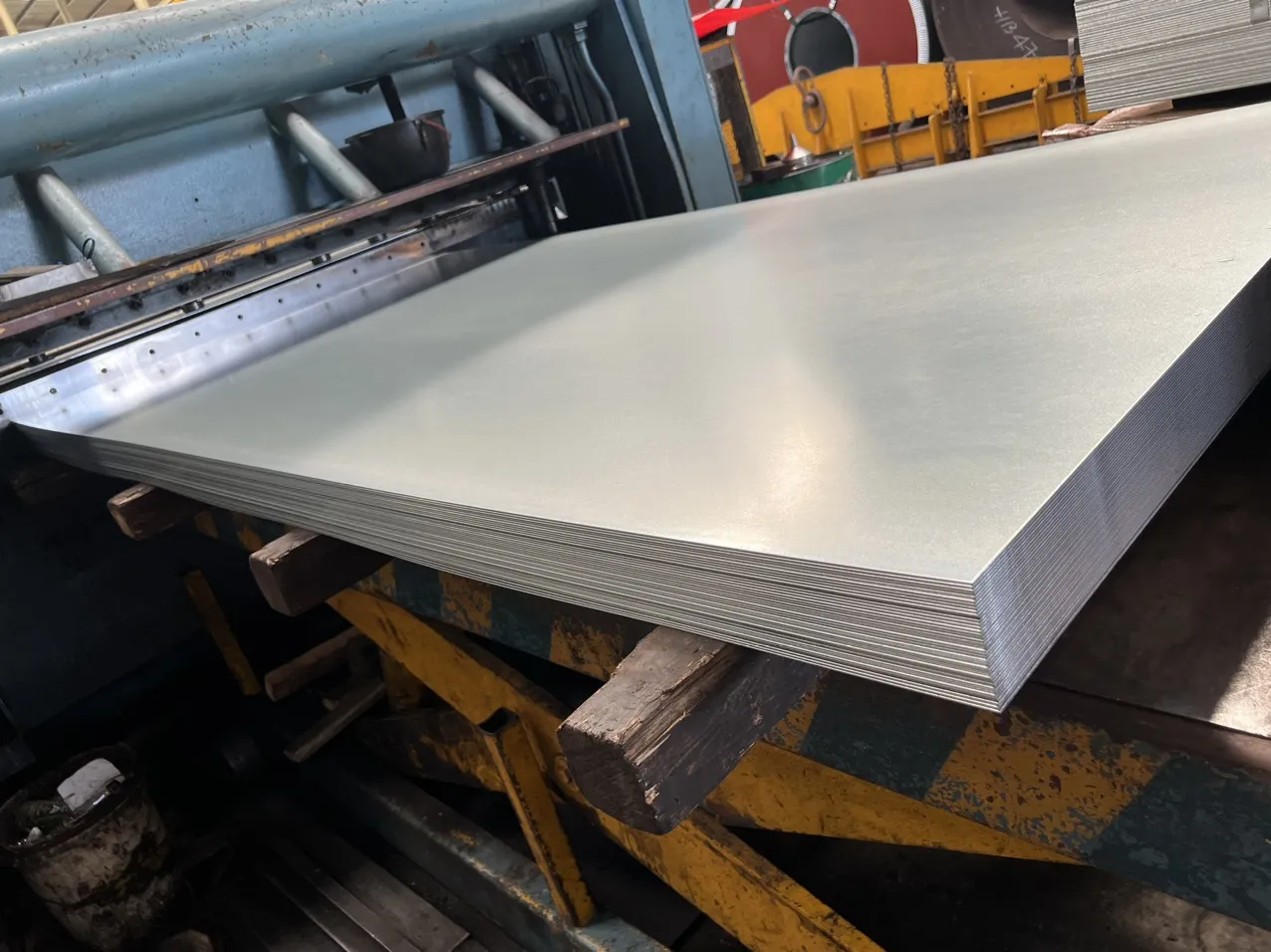
What is EG Steel Sheet? SECC, EG, Electro-Galvanised EG Steel – A-Z Overview & Applications in District 12
In the sheet metal industry, manufacturing steel doors, electrical cabinets, cable trays, metal furniture, and many stamped parts, EG steel sheet is one of the most frequently mentioned materials. However, in practice, many people still refer to this material by various names such as electro-galvanised steel EG, electro-galvanised steel sheet EG, electro-galvanised steel sheet EG, or SECC. These different names can easily confuse new buyers entering the market, leading to mix-ups between EG steel sheet and hot-dip galvanised steel sheet, pre-painted galvanised steel sheet, or conventional cold-rolled steel.From a practical use perspective, EG steel sheet is a material with clear value for applications requiring a beautiful surface, high uniformity, ease of powder coating, ease of fabrication, and suitability for aesthetically pleasing finished products. This is also why this material is widely used in steel door workshops, mechanical fabrication workshops, electrical equipment manufacturers, technical cabinet producers, and metal furniture fabrication facilities in District 12.This article is a comprehensive overview, designed to help readers grasp all important fundamentals about EG steel sheet: what the material's nature is, how the coating layer functions, where its advantages and limitations lie, which applications it should be used for, how it differs from galvanised steel sheet, what to ask when purchasing, and why District 12 is an area with very high actual demand for this material.What is EG steel sheet / electro-galvanised steel EG?EG steel sheet is the common name in the Vietnamese market for electro-galvanised steel with a characteristic light blue or blue-grey surface. The core of this material is a cold-rolled steel base coated with a galvanised layer using the electro-galvanised method. This electro-galvanised process creates a smooth, bright, quite uniform surface that feels much 'smoother' than conventional hot-dip galvanised types.For more details, you can refer to this article: What is EG steel sheet? Advantages, applications, and how to choose the right electro-galvanised steel sheet SECC – GA in constructionIn many commercial cases, buyers and sellers also refer to this material by mã SECC. This is a very familiar term in the sheet metal industry, industrial electricity, steel doors, metal accessories, and metal furniture. However, in actual transactions, what is important is not the name but correctly identifying the steel base, coating type, actual thickness, tolerance, sheet width or coil width, fabrication capability, and final intended use.Simply put, if cold-rolled steel is the basic load-bearing 'skeleton' of the steel sheet, then the electro-galvanised coating is the surface protection layer, simultaneously creating the necessary uniformity and aesthetic appeal for the painting, bending, stamping, or product assembly process. Therefore, when a mechanical workshop in District 12 chooses EG steel sheet, they are not just buying a metal sheet; they are choosing a material base that serves the entire subsequent production chain.Technical nature of EG steel sheet: why is the surface beautiful and easy to paint?The most important difference of EG steel sheet lies in electro-galvanising technology. Unlike hot-dip galvanising, which creates a thicker coating layer and a surface often characterized by easily recognizable spangle patterns, electro-galvanising creates a thinner but more uniform and smoother coating. This results in a final surface that looks bright, flat, aesthetic, and suitable for parts requiring a neat appearance.Precisely because of its smooth and relatively stable surface, EG steel sheet is highly valued for its powder coating capability. For businesses manufacturing steel doors, steel frames, electrical cabinets, or metal furniture, this is an extremely important advantage. A surface that is too rough, an uneven base layer, or large surface errors will make it difficult for the paint layer to achieve the desired smoothness and adhesion. In contrast, EG steel sheet provides more favorable conditions for surface treatment and product finishing.Furthermore, because the steel base is often cold-rolled steel, this material also has advantages in flatness, thickness uniformity, and a more stable fabrication feel in many applications such as bending, stamping, sheet cutting, and part manufacturing. That is why workshops working with parts requiring high uniformity often prioritize this material over some other options.See more electro-galvanised steel applications in this article: What Materials Are Used to Manufacture Steel Doors, Fire Doors, Metal Doors?Why does the District 12 market have high demand for EG steel sheet?District 12 is an area with a relatively high concentration of manufacturing facilities, mechanical fabrication workshops, steel door manufacturers, metal furniture producers, technical system providers, and many supporting industries. The demand for materials here is not just for purchasing steel sheets for inventory, but also for acquiring the right type of material suitable for each production stage.For example, a steel door manufacturer needs material with a surface beautiful enough for finish painting, stable enough for edge bending, shaping, and to minimize errors after fabrication. An electrical cabinet manufacturer needs material with a clean surface feel, easy to process, easy to punch holes, and uniform for mass assembly. A metal furniture manufacturer needs a beautiful surface from the start to save time on pre-paint treatment. In all three scenarios, EG steel sheet is a very strong candidate.Besides application factors, District 12 is also an area where logistics, fast delivery, custom cutting, and on-site fabrication directly impact production efficiency. When businesses can receive materials with the correct specifications, thickness, cut size, and on schedule, they save both time and operating costs. Therefore, from a business perspective, sourcing EG steel sheet in District 12 is not merely about finding a nearby seller; it is about finding a suitable link for the production chain.Key features of EG steel sheet in actual production1. Bright, smooth, highly aesthetic surfaceThis is what makes EG steel sheet quickly recognized in the industry. The material surface often feels clean, quite flat, and attractive. For products requiring a refined appearance such as steel doors, cabinet doors, metal partitions, and furniture accessories, this is a distinct advantage.You can find details about Phu Cuong Steel Sheet's EG steel sheet (electro-galvanised steel EG) product here: ELECTRO-GALVANISED STEEL EG (EG)2. Easy to pre-treat and powder coatWhen the material surface is of good quality, uniform, and has fewer defects, the pre-paint treatment stage becomes more favorable. This does not mean skipping the surface treatment process, but it helps businesses have a better foundation to achieve a beautiful, even, and stable paint layer.3. Suitable for bending, stamping, cutting fabricationDue to its cold-rolled steel base and good uniformity, EG steel sheet is often chosen for many applications requiring punching holes, bending, profiling, and custom sheet cutting. For medium and large quantity orders, this advantage helps reduce errors and increase batch stability.Especially when combined with direct fabrication capable units such as Tôn Thép Phú Cường, businesses can optimize the entire process from material to finished product. With modern coil slitting and bending-stamping machines, precise custom cutting capabilities, and a technical team knowledgeable in drawings, EG steel sheet material is processed synchronously, minimizing scratches and ensuring the required thickness.You can refer to Phu Cuong Steel Sheet's in-house steel fabrication services here: In-house fabrication servicesFurthermore, proactive in-warehouse fabrication significantly reduces material waste and operating costs, especially suitable for mechanical workshops, steel door manufacturers, and metal furniture producers in District 12 requiring fast turnaround and high precision.4. Suitable for products requiring high finish qualityIf the final product is a technical part but still needs to be beautiful, uniform, and professional when delivered to the customer, EG steel sheet is often prioritized over materials that only focus on basic rust prevention or initial cost optimization.5. Suitable for many supporting industriesNot only in the steel door industry, this material also appears in equipment casings, electrical cabinets, metal frames, industrial accessories, furniture parts, technical panels, and many other precision mechanical applications.What applications is EG steel sheet typically used for?EG steel sheet is not a 'one-size-fits-all' material, but it is very strong in the following application groups:Steel doors, door frames, technical door leaves.Electrical cabinets, technical enclosures, cable trays, and industrial electrical parts.Metal furniture such as cabinets, shelves, frames, metal panels.Stamped mechanical parts requiring a beautiful surface.Auxiliary equipment, technical partitions, assembly parts in production workshops.Products requiring powder coating and a relatively high finish quality.Notably, many manufacturers do not choose materials based solely on the name but on the subsequent process chain. If a part must go through cutting, bending, punching holes, welding, surface treatment, and finish painting, then choosing the right material from the outset will significantly determine the error rate, production speed, and product appearance upon leaving the factory.How does EG steel sheet differ from galvanised steel sheet?This is a very common question when new customers enter the metal materials market. In short, both have a protective galvanised layer, but the coating method, surface characteristics, and intended use often differ.EG steel sheet is a type of electro-galvanised steel, prioritizing a smooth, uniform, beautiful surface suitable for finished products requiring aesthetic appeal. Common galvanised steel sheet in the market is usually associated with hot-dip galvanising, prioritizing surface protection in a different way; the coating layer is often thicker, but the surface does not have the 'smooth and beautiful' feel like EG.If a business is manufacturing steel doors, electrical cabinets, metal furniture, or technical accessories requiring a beautiful and easy-to-paint surface, EG steel sheet is often the more reasonable choice. If a business needs material for applications prioritizing commonality, environmental resistance in a different way, and optimized for specific usage structures, galvanised steel sheet might be a more suitable choice. No material is absolutely superior; there is only material that is more suitable for each specific problem.For more details, you can refer to this comparison article: Comparing EG Steel Sheet, GA, Galvanised, Cold-Rolled Steel, Hot-Rolled – How Do They Differ?Quick comparison tableCriterionEG steel sheetCommon galvanised steel sheetCoating methodElectro-galvanisedUsually hot-dip galvanisingSurfaceSmooth, bright, aestheticRougher, more distinct coating layer characteristicsSuitability for paintingVery good in many applicationsDepends on surface treatment processStrong applicationsSteel doors, electrical cabinets, metal furnitureStructures, common parts, wide applicationsSurface aesthetic appealHighMedium to good, depending on typeWhen should EG steel sheet be chosen, and when should it not?You should choose EG steel sheet when the final product requires one of the following factors: beautiful surface, good uniformity, easy to paint, relatively stable fabrication, and aesthetic requirements upon delivery to the customer. This is a highly recommended choice if you make steel doors, electrical cabinet enclosures, metal furniture components, technical panels, industrial accessories, or mechanical parts with aesthetic considerations.Conversely, if your problem leans towards a specific environment, requires corrosion resistance according to a particular standard, long-term outdoor structures, or needs optimization for a different type of coating, you should review your actual needs before finalizing the material. A common mistake is to buy familiar materials out of habit, while the subsequent application chain is not suitable.Parameters to ask when buying EG steel sheet in District 12When working with a supplier, don't just ask “Do you have EG steel sheet?”. That question is too broad. You should clarify at least the following points:What is the actual thickness required?What is the acceptable tolerance level?Buy in coil form or cut sheet form?What is the required material width?Is bending, stamping, slitting, or uncoiling to specification required?Is the final product steel doors, electrical cabinets, furniture, or what technical component?Are CO, CQ, or technical documents required?Is the delivery schedule urgent?Many businesses make mistakes not in the item name but in the specifications when purchasing materials. A 0.1 mm error in thickness in some applications can affect bending force, assembly capability, finished product weight, and production costs. Incorrect sheet width or coil width also increases material waste. Therefore, buying the correct specifications is sometimes as important as buying the correct type of steel sheet.Common mistakes when buying EG steel sheet1. Confusing EG steel sheet with other material typesThis is the most common mistake. New buyers often confuse EG steel sheet, galvanised steel sheet, cold-rolled steel, and some other plated steel types. The result is choosing a material that is not optimal for the painting or fabrication stage.2. Only focusing on price and ignoring actual thicknessA low price but incorrect actual thickness or unacceptable tolerance will increase overall production costs later on. Errors only begin to appear during the bending, stamping, or assembly stages.3. Not pre-determining fabrication needsIf the workshop needs cutting to specification, slitting, bending, stamping, or urgent delivery but does not clarify this from the start, the progress can easily be affected. In a production environment, a delay in one step can delay the entire order.4. Not inspecting the actual surface of the batchFor applications where aesthetics are important, surface inspection is crucial. A batch with scratches, dents, or poor storage will directly affect the quality of the finished product and the painting stage.EG steel sheet in coil form or cut sheet form: what should businesses choose?If the business has its own production line, continuous fabrication needs, and wants maximum autonomy in production, coil form may be a reasonable choice. However, if the business needs to optimize operations, reduce input stages, produce goods in clear batches, or does not want to waste time uncoiling, cut sheets to specification are usually more convenient.In reality in District 12, many workshops do not just need to buy raw materials; they always need accompanying services such as uncoiling, cutting to size, slitting, bending, stamping, or preliminary shaping. This is why suppliers with on-site fabrication capabilities often create a greater advantage than those who only sell raw materials.Why are accompanying fabrication services important when buying EG steel sheet?In the mechanical industry, materials and fabrication are inseparable. A supplier who only sells steel coils may be suitable for some large customers, but for many small and medium-sized workshops, accompanying fabrication services are the decisive factor in the purchasing experience.When uncoiling, cutting sheets to specification, slitting, bending, or stamping can be done as required, businesses will reduce many hidden costs: reduced waste, reduced input processing time, reduced need for diverse inventory, and reduced internal machinery pressure. Especially for urgent orders, fabrication capability and fast delivery have very practical value.Experience in choosing an EG steel sheet supplier in District 12When choosing a supplier, you should evaluate based on 5 criteria groups instead of just looking at the price:Correct material: understand EG steel sheet, know its applications, and advise according to real needs.Correct specifications: control thickness, width, sheet cutting, and tolerance.Correct fabrication capability: has machines for uncoiling, slitting, bending, stamping, or shaping when needed.Correct schedule: capable of fast delivery, including urgent orders.Correct documents and reliability: has CO, CQ when customers request, clear source of goods.A good supplier is not just a place that “has goods”, but a place that helps customers reduce risks throughout the production chain. This is especially important for B2B businesses, as costs due to incorrect materials or late delivery are often much greater than the initial purchase price difference.Frequently asked questions about EG steel sheetIs EG steel sheet galvanised steel sheet?It has a galvanised layer, but should not be completely equated with common galvanised types because the plating technology and surface characteristics are different. EG steel sheet is generally understood as electro-galvanised steel with a smoother and more aesthetically pleasing surface.Is EG steel sheet suitable for electrostatic powder coating?In many practical applications, this is one of the outstanding advantages of the material. However, proper surface treatment is still required to achieve good paint adhesion and durability.Can EG steel sheet be used for steel doors?Yes. This is one of the very common applications, especially for products requiring a beautiful surface, easy finishing, and stability in fabrication.Should I buy in coil form or cut sheets?Depends on the production model. Workshops with their own production lines and continuous needs may prioritize coils. Workshops needing to optimize operations and receive goods according to specifications are usually more suited to cut sheets.Conclusion: EG steel sheet is a very valuable material if the correct application is chosenEG steel sheet is not a generic material just for the sake of having a name. It is a choice with very clear technical logic: beautiful, uniform surface, suitable for fabrication, and advantageous for many products requiring a painted finish. For mechanical, steel door, electrical cabinet, and metal furniture businesses in District 12, this is a material with very practical applications.If the correct thickness, specifications, width, and supplier with fabrication capability are chosen, EG steel sheet can help businesses stabilize product quality, reduce production errors, and increase operational efficiency. Conversely, if purchased only out of habit or solely based on price, it is very easy to encounter incorrect materials, incorrect specifications, and incur hidden costs in subsequent stages.Phu Cuong Steel Sheet & Steel – Leading Reputable Large Width Steel Sheet DistributorIf your business is looking for EG steel sheet (SECC, EG), electro-galvanised steel sheet, galvanised steel sheet, or other metal materials for mechanical production, steel doors, metal furniture, Phu Cuong Steel Sheet & Steel is a reliable supplier partner in Ho Chi Minh City, especially in District 12.With the advantage of a large warehouse, genuine billet sources, and the ability to meet diverse specifications, Phu Cuong supplies material types such as:Galvanised steel sheet width 1000mm, 1250mm, 1500mm (large width rare in the market)EG steel sheet (SECC, EG), GAElectro-galvanised steel, color-coated cold steel sheetHot-rolled steel (HR)Ribbed steel sheet, perforated, etc.,....On-site steel sheet – steel fabrication servicesModern machinery system helps customers receive materials in a production-ready state:Uncoiling – cutting sheets to required specificationsSlitting steel sheet to desired width and sizeBending – stamping – shaping according to technical drawingsFabrication of sheet metal mechanical parts according to production requirementsPrecise cutting, minimizing surface scratchesEnsuring correct thickness, correct specifications according to orderOperational & delivery advantagesOwn truck fleet, proactive deliverySupport same-day urgent orders in Ho Chi Minh CityOptimize logistics costs for customersSuitable for mechanical workshops, steel doors, metal furniture in District 12Contact information:Address: 2177C–2177D National Highway 1A, Dong Hung Thuan Ward, District 12, Ho Chi Minh CityPhone: 0933 919 899 (Ms. Anh)Email: tonthepphucuong@gmail.comWebsite: tonthepphucuong.comSee more related articles:Why does powder coating peel off? Causes from steel sheet steel material many workshops overlookDoes electro-galvanised steel rust? Compare SECC, EG, EG steel sheet and galvanised steel sheet in real-world environmentsEG Steel Sheet Large Width 1500mm – High Aesthetic Material Solution For Modern Construction ProjectsEG Steel Sheet In District 12 – Reputable Place Selling Electro-Galvanised Steel Sheet EGI, With Large Width 1500mm
Read article →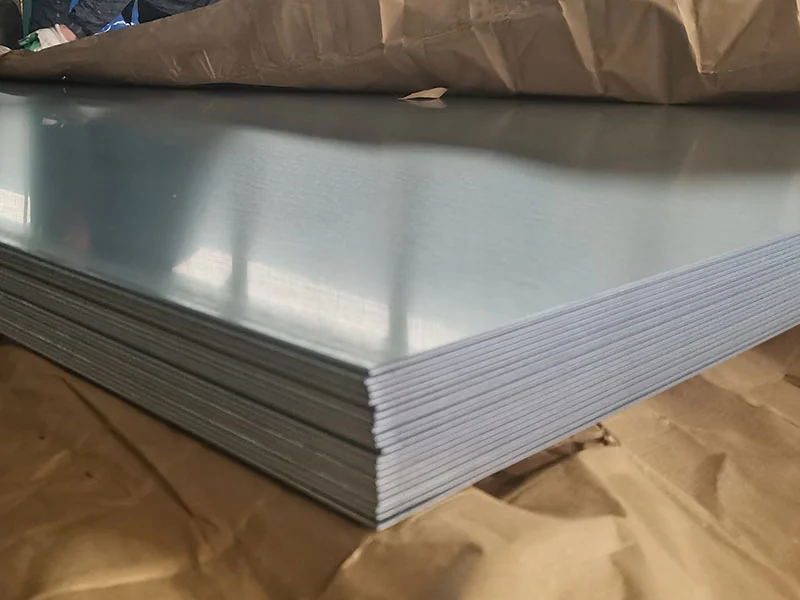
Why Searching for “Electro-Galvanised Steel Sheet” Only Yields “Galvanised Steel Sheet”? The Truth About How Google Understands Materials
1. Electro-galvanised steel and galvanised steel sheet: Google views as one groupIn material engineering, both hot-dip galvanised steel sheet (GI – Galvanized Steel) and electro-galvanised steel (EGI – Electro Galvanized Steel) both belong to the general group of zinc coated steel. This causes search engines like Google to often group these two types into the same data set.When users enter keywords such as “galvanized steel” or even “electro galvanized steel”, the algorithm tends to prioritize displaying the more popular type – which is hot-dip galvanised steel sheet. The result is that those looking for electro-galvanised steel only see images and information about galvanised steel sheet.See more about electro-galvanised steel EG from Ton Thep Phu Cuong: What is EG Steel Sheet? SECC, EG, EG Electro-Galvanised Steel – A–Z Overview & Applications in District 122. Market size causes results to be “skewed”Hot-dip galvanised steel sheet is used extremely widely in construction, factories, steel sheet roofing, and steel structures. Therefore, the amount of images, articles, and data on the internet about this material is much greater than for electro-galvanised steel.Conversely, electro-galvanised steel (EGI) is often used in industries requiring high precision such as steel door manufacturing, metal furniture, electrical cabinets, automotive components, or home appliances. These are B2B fields, with fewer mass-market images, so public data on the internet is less.Therefore, when searching, Google will prioritize the type with “more data”, leading to the phenomenon of results being skewed towards galvanised steel sheet.3. Electro-galvanised steel images are harder to identifyAnother important factor is the surface difference. Hot-dip galvanised steel sheet has a very distinct characteristic of spangle, easily recognizable by the naked eye. Meanwhile, electro-galvanised steel has a smooth, flat surface, sometimes with only a slight blue tint due to the chromate layer.Because this surface is quite “neutral”, images of electro-galvanised steel are easily mistaken for cold-rolled steel or other types of steel. This makes it difficult for both users and algorithms to distinguish based solely on images.4. The term “EG” does not exist internationallyAnother important reason is the naming convention in Vietnam. The term “EG steel sheet” is merely a descriptive term based on surface appearance, not an international technical name. Meanwhile, globally, this material is called:Electro Galvanized Steel (EG, EGI)Electroplated Zinc SteelElectro galvanized steel with chromate passivationIf users search using the term “EG”, Google almost certainly does not have enough standard data to return accurate results, and therefore continues to return the “galvanized steel” group.5. How to correctly find electro-galvanised steel (EGI) on GoogleTo find the correct images and information for electro-galvanised steel, more technical keywords should be used:electro galvanized steel sheetEG steel blue chromateelectro galvanized steel coilzinc electroplated steel sheetAt the same time, general keywords such as “galvanized steel” or “zinc coated steel” should be avoided as these terms will lead almost entirely to hot-dip galvanised steel sheet.6. ConclusionFinding “electro-galvanised steel” but getting “galvanised steel sheet” is not due to incorrect searching, but due to three main reasons: Google groups the two types of materials together, there is more data for galvanised steel sheet, and the term “EG” is not an international technical term.To find the correct information, technical keywords such as “electro galvanized steel” should be used, and the nature of the material should be understood instead of relying solely on common names.Ton Thep Phu Cuong – Partnering with Every Construction ProjectIn actual production and construction, correctly distinguishing between galvanised steel sheet and electro-galvanised steel not only helps select the right material but also directly affects product quality and lifespan. This is why many mechanical enterprises and contractors prioritize working with suppliers who have technical knowledge rather than relying solely on trade names.Ton Thep Phu Cuong specializes in supplying galvanised steel sheet, EG electro-galvanised steel sheet, GA electro-galvanised steel sheet, and various types of steel plates for the mechanical, door, metal furniture, and factory industries. In particular, the company has an advantage in large steel sheet widths from 1500mm upwards – helping to reduce material waste and optimize production costs.With modern coil slitting and pressing machinery, a technical team knowledgeable in drawings, and genuine raw material sources, Phu Cuong provides stable, specification-compliant material solutions, fast delivery, and full CO, CQ for customers in Ho Chi Minh City and surrounding areas.Ton Thep Phu Cuong – Leading Reputable Large-Width Steel Sheet DistributorIf you are looking for a supply of electro-galvanised steel or galvanised steel sheet that meets standards, has the correct thickness, and supports custom fabrication, Ton Thep Phu Cuong is a partner worth considering.Contact information:Địa chỉ: 2177C–2177D QL1A, P. Đông Hưng Thuận, Q.12, TP.HCMĐiện thoại: 0933 919 899Email: tonthepphucuong@gmail.comWebsite: tonthepphucuong.comSee more related articles:EG Electro-Galvanised Steel Sheet / EG Steel Sheet District 12 – Large Width 1500mm Available, Cut to OrderWhat is EG steel sheet? Advantages, applications, and how to choose the right SECC – GA electro-galvanised steel in constructionWhat is Custom Steel Sheet Fabrication? Benefits of Cutting – Slitting – Bending – Stamping Steel Sheet at the WarehouseHow Does Galvanised Steel Sheet Lifespan Depend on Z120 – Z180 – Z275 Coating?Why does powder coating peel off? Reasons from steel sheet material many workshops overlook
Read article →