News & Events
Latest
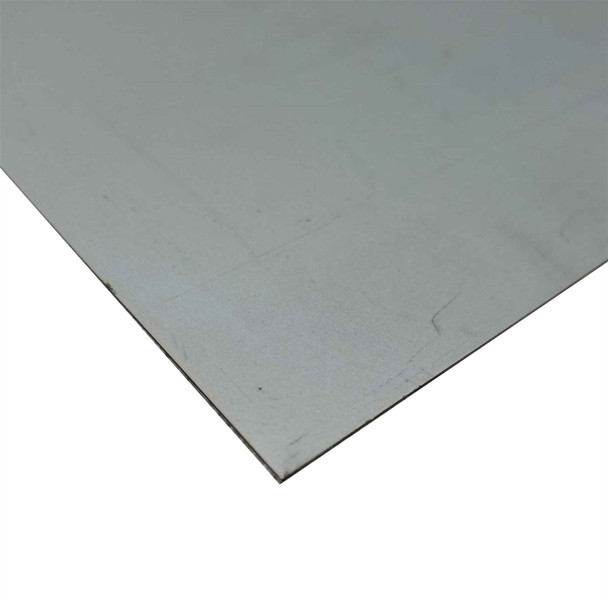
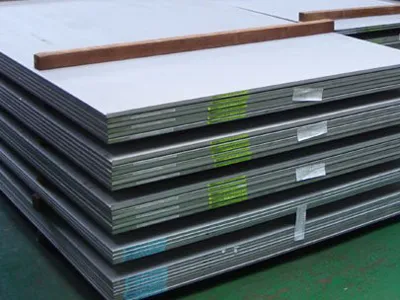
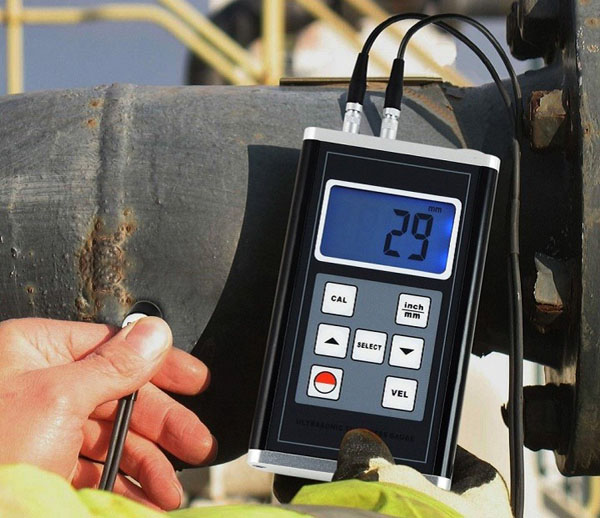
What is nominal steel sheet thickness? Understand correctly to avoid buying under-gauge steel sheet.
1. Why is steel sheet thickness always a contentious issue?In the actual buying, selling, and construction of steel sheet, thickness is always the top concern. Many disputes between contractors and su...
More news
What is CQ in the steel industry? Distinguish between CQ and CO to avoid acceptance risks
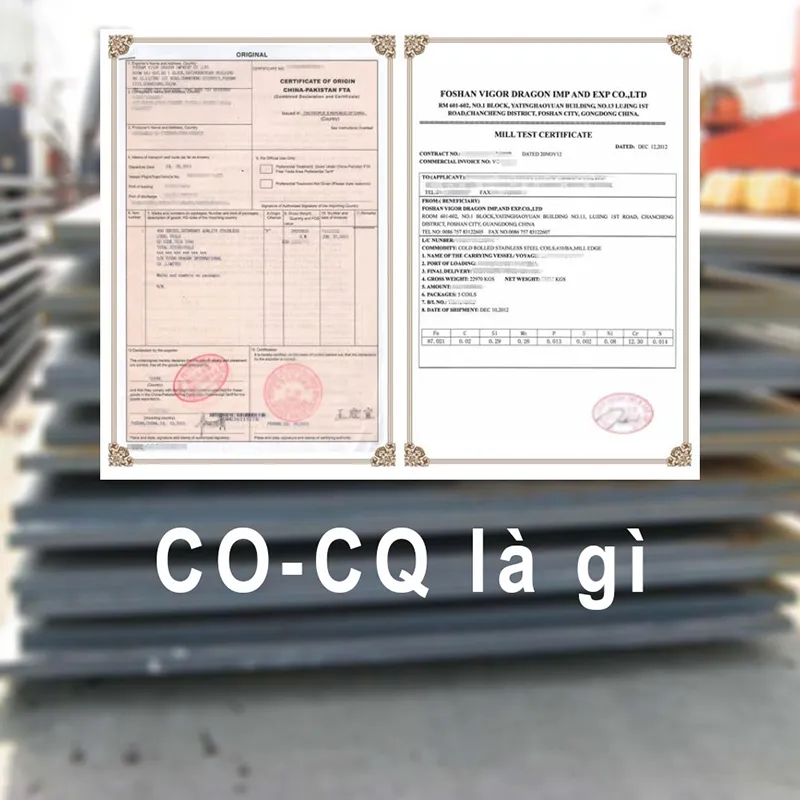
1. What is CQ in the steel sheet industry?CQ stands for Certificate of Quality – Certificate of Quality. In the steel sheet industry, CQ is a document issued by legal manufacturer or supplier issued, to confirm that the steel sheet product meets the published technical standards.If CO answers the question “Where is this steel sheet manufactured?” then CQ answers the equally important question: “Does this steel sheet meet technical quality standards?”CQ does not signify origin, but focuses on technical specifications such as:Actual thickness of the steel sheetType of base steelCoating layer (galvanised, electro-galvanised…)Applied manufacturing standardRelated mechanical propertiesIn industrial construction projects, CQ is the basis for supervising consultants and investors to evaluate whether the material matches the design requirements.2. Why is CQ especially important in steel sheet acceptance inspection?In actual construction, it is very rare for each steel sheet to be taken for independent testing. Instead, CQ is precisely the “technical representative” for the entire shipment.CQ helps:Compare actual material with design drawingsConfirm steel sheet meets committed technical standardsServe as a basis for incoming material acceptance inspectionFor as-built documentation and final settlementMany construction projects face acceptance inspection delays not because of poor quality steel sheet, but because CQ is unclear, does not match, or lacks information.3. Mandatory content in a valid steel sheet CQA steel sheet CQ meeting requirements usually includes the following content:Steel sheet product nameNominal thickness and permissible toleranceType of coating layer (galvanised, electro-galvanised…)Coating mass (e.g. Z180, Z275…)Applied manufacturing standard (TCVN, JIS, ASTM…)Lot number, manufacturing dateThe more detailed the CQ, the higher the likelihood of smooth acceptance inspection. Conversely, a brief or vague CQ is a sign to be cautious.4. Distinguish between CQ and CO – why they cannot be used interchangeably?One of the most common mistakes is to assume that: “Having CQ is enough, no need for CO”. This is a completely wrong view in many cases.Core differences:CQ: confirms technical qualityCO: confirms originCQ does not prove the legality of origin, while CO does not reflect quality details. Therefore, in large construction projects, CQ and CO always go hand in hand.Many contractors have faced risks when only having CQ but no CO, leading to insufficient legal documents during audits.5. Technical standards commonly found in steel sheet CQCQ often cites production standards to prove quality. Some common standards in the steel sheet industry include:TCVN – Vietnamese StandardJIS – Japanese Industrial StandardASTM – American StandardEN – European StandardEach standard has different regulations regarding thickness, tolerance, coating layer, and mechanical properties. Understanding CQ helps contractors know exactly the material they are using.6. Actual risks when CQ is incorrect or incompleteIn practice, many risks occur around CQ:CQ states nominal thickness but does not state toleranceCQ does not match the invoice or shipmentBlurred CQ photo, unclear issuing sourceCQ is generic, lacking applicable standardsThe consequences are often:Required to supplement or redo documentsDelayed acceptance, delayed paymentDisputes arise between parties7. Is CQ mandatory for all construction projects?In principle, CQ is not always mandatory for small, civil construction projects. However, in the following cases, CQ is almost a default requirement:Factories, industrial zonesConstruction projects with independent supervision consultantsProjects requiring strict acceptanceConstruction projects with significant capitalEven when not required, having CQ still helps contractors be more proactive and technically secure.8. How does CQ affect the decision to choose steel sheet?At the same price, two types of steel sheet with different CQs will result in different quality and lifespan of the construction project.CQ helps contractors:Compare materials transparentlyAvoid buying under-thickness steel sheetControl input qualityProfessional contractors often request CQ right from the quotation stage.9. How contractors effectively check CQ for steel productsTo limit risks, contractors should:Cross-reference CQ with contract and quotationCompare CQ with actual delivered goodsRequest original CQ or certified copyStore CQ by batchChecking CQ does not take much time but helps avoid major consequences later on.10. Role of the supplier in ensuring CQNot every contractor has deep expertise to read CQ. Therefore, the role of the supplier is very important.Soft promotion: Phu Cuong Steel Products – Accompanying Every Construction Project. Phu Cuong commits to providing clear, transparent CQ for each batch of galvanised steel sheet, electro-galvanised steel sheet EG – GA. The technical team, knowledgeable about standards, helps customers easily cross-reference and accept.11. ConclusionCQ is an important technical foundation in the steel products industry. Properly understanding CQ, clearly distinguishing it from CO, and requesting it fully from the beginning will help contractors avoid many risks throughout the construction project lifecycle.
Read article →Which construction project must have CO, CQ when using steel sheet and steel? Contractors need to understand correctly to avoid acceptance risks.
1. Why does the question “is CO, CQ mandatory?” always cause debate?In actual construction, many contractors have asked the question: “Does this construction project require CO, CQ?”. It is worth noting that for the same type of steel sheet material, some construction projects have very strict CO, CQ requirements, while others almost do not mention it.The reason is: CO and CQ are not a rigid requirement for every construction project, but depend on many factors such as type of construction project, funding source, level of control and acceptance requirements.Misunderstanding or subjectivity in the initial stage often leads to consequences in the final stage – when the construction project has been completed but the documentation is insufficient for acceptance.2. General principle: when do CO, CQ become mandatory requirements?Essentially, CO and CQ become mandatory requirements when the construction project meets one or more of the following conditions:There are clear legal requirements regarding material origin and qualityThere is involvement from supervision consultants, auditors or regulatory bodiesThere is a high risk of legal liability if materials do not meet requirementsIn these cases, CO and CQ are no longer “reference documents” but become a necessary condition for acceptance.3. Construction projects that must have CO, CQ when using steel sheet3.1. Construction projects using state budget fundsThis is the group of construction projects with the strictest CO, CQ requirements. Projects using budget funds are subject to strict control from input materials to final settlement.For this group of construction projects:CO proves the legal origin of materialsCQ proves materials meet technical standardsMissing one of the two documents can lead to non-acceptance or being disallowed during final settlement.3.2. Industrial park construction projects, large-scale workshopsWorkshops in industrial parks are often managed by the industrial park management board and strict internal standards.In this case, CO, CQ help to:Ensure materials meet registered standardsServe periodic inspection and audit workReduce dispute risks between the investor and the contractorIn reality, many workshops cannot complete acceptance due to insufficient material documentation, with CO, CQ being a common reason.3.3. Foreign Direct Investment (FDI) projectsFDI projects often apply material management standards according to international practice. For this group of projects, CO and CQ are almost a default requirement.Not only for acceptance, CO and CQ are also used for:Cross-referencing with the group's internal standardsServing internal or independent auditsServing as a basis for explanation in case of technical issuesContractors lacking CO, CQ in FDI projects are often rated low in management capacity.3.4. Construction projects with supervision consultants and independent auditorsThe presence of supervision consultants and independent auditors means that all materials must have clear documentation.In this context:CO helps auditors determine material originCQ helps supervision consultants cross-reference with the designMany construction projects do not encounter problems during construction but are 'stuck' at the acceptance stage due to lack of CO, CQ documentation.4. Construction projects may not require CO, CQ (but should still have them)4.1. Small-scale civil construction projectsFor individual houses, small-scale projects, the requirement for CO, CQ is often not mandatory. However, this does not mean they can be completely ignored.If the investor has high requirements for quality or warranty, CO, CQ are still a great advantage.4.2. Small-scale renovation and repair projectsSmall repair projects are often not strictly controlled for material documentation. However, if using steel sheet and steel in large quantities, preparing CQ still helps control quality better.5. Why for the same type of construction project are the CO, CQ requirements different?This difference comes from:Different investorsDifferent levels of controlDifferent internal documentation requirementsSome investors do not require CO, CQ at the initial stage but then request them later during acceptance or final settlement, causing difficulties for the contractor.6. Actual risks when a construction project requires CO, CQ but the contractor does not prepare themCommon risks include:Delayed acceptanceDelayed paymentRequired to replace materialsIncurring significant unexpected costsNotably, these risks often occur at the final stage – when almost all costs have been incurred.7. How contractors determine from the outset whether a construction project needs CO, CQTo avoid risks, contractors should:Review tender documents and contractsDiscuss clearly with the investor about documentation requirementsConsult with supervision consultants from the outsetPrepare CO, CQ for main itemsThe safety principle is: if unsure, prepare CO, CQ.8. Role of suppliers in supporting CO, CQ for construction projectsNot all contractors have experience handling material documentation. Therefore, the role of suppliers is a key factor.Promotional message: Phu Cuong Steel Sheet and Steel – Accompanying Every Construction Project. Phu Cuong not only supplies galvanised steel sheet, electro-galvanised steel sheet EG – GA but also actively provides full CO, CQ support for each shipment. With experience working on many industrial projects and factories, Phu Cuong helps contractors minimize documentation risks during acceptance.9. ConclusionCO and CQ are not always mandatory for every construction project, but for industrial projects, large capital projects, or those with strict control, these are indispensable factors. Understanding the type of your construction project and preparing documents from the beginning will help contractors avoid legal and financial risks later on.To preserve and optimize the use of materials in construction projects, you can see more Why steel sheets get scratched during transportation and effective solutions to avoid affecting material quality.
Read article →
Legal risks when using steel sheets and steel without CO, CQ: Consequences that many contractors only realize when it's too late
Legal risks when using steel sheet without CO, CQ: Consequences many contractors only realize when the construction project is inspectedCO, CQ are not just documents but legal requirements in constructionIn the current construction industry, CO (Certificate of Origin) and CQ (Certificate of Quality) are two important documents proving the origin and quality of materials. For many construction projects such as workshops, industrial construction projects, state-funded projects, or construction projects with supervision consultants, providing full CO, CQ is a mandatory requirement in the acceptance dossier.However, in reality, there are still many cases of using steel sheet of unknown origin, without CO CQ, or with invalid documents. This may not cause immediate problems during construction, but it will become a major risk during document inspection, acceptance, or final settlement.Risk of construction project acceptance rejectionOne of the most common risks when using steel sheet without CO CQ is that the construction project will not be accepted. In the acceptance process, the supervision consultant or investor has the right to request a complete material dossier, including:CO – certificate of originCQ – certificate of qualityInspection results if neededWarehouse release note, invoiceIf these documents cannot be provided, the material may be deemed unsatisfactory, leading to the need for replacement or rework of the item.Risk of contract penalties or non-paymentIn construction contracts, especially general contractor or EPC contracts, materials used must comply with design documents and bidding documents. If the documents require galvanised steel sheet Z275 with CO CQ but steel sheet without certificates is actually used, the contractor may be subject to:Contract penaltiesNon-payment for volumeReduced final settlement valueForced material replacementThe cost of replacing materials after construction is often much higher than using the correct materials from the outset.Risk of violating regulations in state-funded construction projectsFor construction projects using budget funds, construction materials must have clear origin and complete documentation as regulated. The use of steel sheet without CO CQ may be considered a violation of construction project quality management regulations.In case of inspection or audit, the contractor may be required to provide explanations, and even be penalized if the quality of materials cannot be proven.Quality risks when using steel sheet of unknown originBesides legal issues, steel sheet without CO CQ often poses quality risks such as:Incorrect thicknessInsufficient coating layerProne to rustNon-standardThese issues can cause the construction project to deteriorate quickly, especially in workshop environments, industrial zones, or coastal areas.Why many contractors still use steel sheet without CO CQThe most common reason is lower price. Steel sheet without CO CQ often has a low price due to:Unknown originDoes not meet high standardsNot from major factoriesNo inspectionHowever, initial cost savings can lead to significant damage when the construction project is inspected or requires repairs.When CO CQ is mandatoryConstruction project with supervision consultantState construction projectIndustrial construction projectLarge workshopBidding projectConstruction project requiring strict acceptanceHow to avoid risks when buying steel sheet for construction projectsTo avoid legal and technical risks, contractors should:Choose a reputable supplierRequest CO CQ before purchasingCheck actual thicknessPrioritize goods from major factoriesMaintain complete material documentationPhu Cuong Steel Sheet – Leading Reputable Large Width Steel Sheet DistributorIn many current construction projects, the use of materials with full CO, CQ is a mandatory requirement to ensure smooth acceptance and final settlement. Phu Cuong Steel Sheet is a specialized supplier of galvanised steel sheet, EG steel sheet, GA steel sheet, and large width steel sheet with complete documentation, suitable for workshop construction projects, industrial projects, and projects requiring technical dossiers.Warehouse always has widths of 1000mm, 1250mm, 1500mm and above available, supporting coil slitting, cutting to specifications, fast delivery by private truck, helping contractors manage progress and reduce construction costs.Address: 2177C–2177D QL1A, Dong Hung Thuan Ward, District 12, HCMCPhone: 0933 919 899Email: tonthepphucuong@gmail.comWebsite: tonthepphucuong.comSee more related articles:What is Custom Steel Sheet Fabrication? Benefits of Cutting – Slitting – Bending – Stamping Steel Sheet at the WarehouseSteel sheet thickness deviation in actual construction: Causes, consequences, and effective prevention methodsWhat is the steel sheet thickness tolerance standard? How to read a quotation to avoid being “shortchanged”Why do large contractors always require CO, CQ when purchasing steel sheet? The risk management mindset behind material decisionsBreakthrough applications of large width galvanised steel sheet in industrial and construction 2026
Read article →
Why large contractors always require CO, CQ when purchasing steel sheet and steel? Risk management mindset behind material decisions
1. Where does the biggest difference between large and small contractors lie?When observing material selection methods, especially steel sheet, a clear difference can be seen between large and small contractors: large contractors almost always require CO, CQ from the beginning, while many small contractors consider this an element “good to have, but not essential”.This difference does not come from mere financial scale, but stems from risk management mindset. Large contractors do not just look at material purchase prices, but look at the entire project lifecycle – from construction, acceptance, payment to warranty and legal liability.CO and CQ, in that context, become part of the risk control system, rather than merely formal documents.2. How do CO, CQ help large contractors control legal risks?For large contractors, legal risks are always prioritized. A large-scale project can last many years, involving many parties: investors, supervision consultants, auditors, regulatory agencies.In that context:CO helps contractors prove legal material originCQ helps prove materials meet technical requirementsWith full CO, CQ, contractors can:Be confident in input material acceptanceBe proactive when inspected or auditedReduce the risk of being disallowed or disputedLarge contractors understand that the cost of handling legal risks is always much greater than the cost of preparing documents from the beginning.3. CO, CQ are a “shield” during the acceptance and payment phaseAcceptance and payment are the most sensitive phase of any project. This is when all documents are thoroughly reviewed, and any shortcomings can cause cash flow to stagnate.Large contractors require CO, CQ because they understand that:Lack of CO, CQ can cause acceptance to be suspendedPayment can be delayed or withheldFinancial costs incurred during the waiting period are very largeIn many cases, just missing a small document can slow down monthly payment progress, directly affecting the company's cash flow.4. CO, CQ help large contractors manage consistent qualityFor large projects, steel sheet is not just purchased once but is often supplied in multiple batches, multiple shipments. Controlling consistent quality is a major challenge.CQ helps contractors:Compare shipments with the same technical standardsEarly detection of deviations in thickness, coating layerEnsure consistent material usage throughout the projectWithout CQ, quality assessment is often based on visual inspection or random measurements, posing many risks.5. Why do large contractors not choose the cheapest steel sheet on the market?A common mistake is to assume that large contractors can always buy materials at lower prices. In reality, they do not prioritize the cheapest price, but prioritize overall value.Unusually cheap steel sheet often comes with:Lack of CO or unclear COPoor CQ or not matching realityRisk of inconsistent qualityLarge contractors understand that a small material-related incident can lead to huge remediation costs, far exceeding the initial price difference.6. CO, CQ and material lifecycle cost mindsetLarge contractors do not just calculate the cost of purchasing steel sheet, but calculate lifecycle cost of materials.Lifecycle costs include:Initial purchase costConstruction costMaintenance, repair costsIncident handling costsLegal costs if there are disputesCO, CQ help minimize risks in most of these stages, thereby optimizing the overall cost for the project.7. CO, CQ help contractors protect reputation and brandReputation is an intangible but extremely important asset for large contractors. A project encountering problems due to materials of unclear origin can seriously affect the company's image.Requiring CO, CQ demonstrates:Professionalism in material managementResponsibility towards the investorCapability to participate in large-scale projectsTherefore, CO, CQ not only protect a project, but also protect the contractor's brand in the long term.8. How do CO, CQ affect the relationship with the investor?Investors, especially large investors, often highly value contractors with a well-structured material management system.When contractors proactively provide CO, CQ:Trust with the investor is strengthenedThe acceptance process proceeds smoothlyThe potential for long-term cooperation increasesMany large contractors consider CO, CQ as a “common language” to work effectively with investors.9. The role of suppliers in the decision to require CO, CQContractors with a good mindset, but if suppliers cannot provide CO, CQ, then risks still exist. Therefore, large contractors often choose suppliers with:Clear origin of goodsAbility to provide full CO, CQExperience working with large projectsProfessional warehousing and fabrication systemSoft PR: Phu Cuong Steel Sheet – Accompanying Every Construction Project. With the advantage of genuine billet sources, full CO, CQ, along with a modern coil slitting – pressing and stamping machine system and dedicated delivery trucks, Phu Cuong helps contractors control materials from start to finish, minimising risks and optimising project efficiency.10. Lessons learned from the mindset of large contractorsLooking at the approach of large contractors, a crucial lesson can be drawn: CO, CQ do not increase costs – they help reduce risks.Professional contractors do not wait until requested to supplement documents, but proactively control from the start. This mindset creates a sustainable difference between long-term developing entities and those facing difficulties as construction projects grow larger.11. ConclusionThe fact that large contractors always require CO, CQ when purchasing steel sheet and steel is not a mere formality, but is the result of accumulated experience and risk management. For any contractor wishing to develop sustainably, applying this mindset sooner or later is inevitable.
Read article →
Galvanised Steel Sheet Large Width 1500mm–1800mm: Wastage Reduction for Industrial Construction Projects
During the process of supplying steel sheet and steel for industrial construction projects, I noticed a common point: many contractors are losing money due to material loss but do not realize the cause lies in the steel sheet width used from the beginning. Large width galvanised steel sheet from 1500mm to 1800mm is not a common material, but in many cases, this is the solution that helps reduce overall costs significantly.1. Concept of large width galvanised steel sheetLarge width galvanised steel sheet is a type of steel sheet with a width from 1500mm or more, its surface is coated with a galvanised layer to prevent corrosion and oxidation. Compared to standard widths of 1000–1250mm, large width allows covering a wider surface with fewer sheets.2. Why does large width help reduce loss?In actual construction, each joint, each overlap line creates excess material. When using small width steel sheet, the number of joints increases, leading to:More cut-off partsLonger construction timeReduced surface aestheticsLarge width galvanised steel sheet helps reduce the number of sheets, thereby reducing loss and increasing continuity.3. Practical applicationsLarge width galvanised steel sheet is often used in:Factory walls, logistics warehousesIndustrial cable traysMachine covers, mechanical machine basesFor these items, if small widths continue to be used, incidental costs will quietly increase significantly.At Ton Thep Phu Cuong, I specialize in supplying large width galvanised steel sheet ≥1500mm, flat cutting – to specification – minimizing scratches. This helps contractors and mechanical workshops solve the problem of loss right from the material stage, instead of dealing with consequences in the construction phase.Customers can refer to the large width steel sheet product link here: https://tonthepphucuong.com/thep-ton-cac-loai-kho-lon-hon-1500Contact us for a quick quotationTON THEP PHU CUONG CO., LTDAddress: 2177C – 2177D National Highway 1A, Dong Hung Thuan Ward, District 12, HCMCPhone: 0933 919 899Email: tonthepphucuong@gmail.comWebsite: https://tonthepphucuong.com
Read article →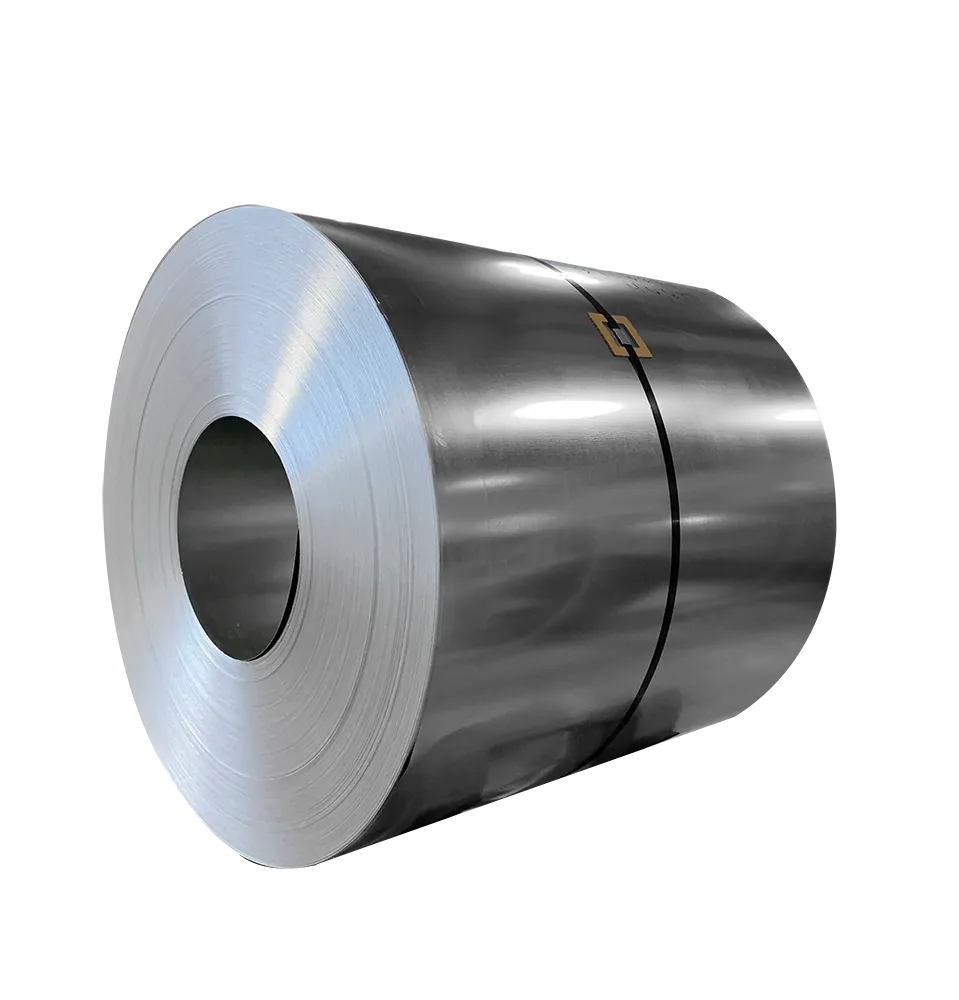
What is galvanised steel sheet? Detailed analysis from structure, advantages to practical applications in construction.
What is galvanised steel sheet?Galvanised steel sheet is cold-rolled steel coated with a layer of galvanised on the surface to protect the inner steel core from oxidation and corrosion. The galvanised layer acts as a 'sacrificial shield', corroding first when exposed to the external environment, thereby extending the lifespan of the base steel.In practice, galvanised steel sheet is often produced in coil or flat sheet form, then fabricated by cutting, bending, pressing depending on the intended use. This is a material with a long history of use and still plays an important role in modern construction.Structure and protection principle of galvanised steel sheetGalvanised steel sheet consists of two main components:Cold-rolled steel core: determines the hardness, load-bearing capacity, and shape of the product.Galvanised layer: evenly coated on the steel surface, with the effect of rust prevention and increased durability.The corrosion protection principle of galvanised steel sheet is based on electrochemical phenomena. When exposed to humid environments or chemicals, the galvanised layer will oxidize before the steel. As a result, even if the steel sheet surface is slightly scratched, the base steel is still protected for a long time.Outstanding advantages of galvanised steel sheetGood rust and corrosion resistanceCompared to ordinary black steel, galvanised steel sheet has a significantly longer lifespan, especially in humid, rainy, or coastal environments.Stable mechanical durabilityThe cold-rolled steel core helps the steel sheet maintain the necessary hardness, not easily warped during construction or long-term use.Easy fabrication, flexible applicationGalvanised steel sheet can be slit from coil, cut to width, bent, pressed into shape according to technical drawings, suitable for various types of construction projects.Reasonable costCompared to other high-grade corrosion-resistant materials, galvanised steel sheet has a more accessible price, suitable for both civil and industrial construction projects.Common applications of galvanised steel sheet in practiceRoofing for residential houses, factories, prefabricated housesMaking partitions, perimeter walls, fencesFabrication of gutters, ducts, ventilation systemsLight steel frame structures, purlinsFabrication of mechanical parts, construction accessoriesEspecially, for large-area construction projects, the use of large-width galvanised steel sheet helps reduce joints, increase aesthetics and shorten construction time.Important considerations when choosing galvanised steel sheetCoating thicknessThe galvanised coating, the thicker it is, the higher the corrosion resistance. Depending on the usage environment, the appropriate galvanised quantity should be chosen to optimize cost and durability.Base steel thicknessSteel thickness directly affects load-bearing capacity. The larger the construction project, the higher the structural requirements, the thicker and more stable the base steel should be chosen.Origin of steel billetSteel billets from reputable factories help ensure uniform quality, easy fabrication and reduced errors during use.Practical experience in construction and fabrication of galvanised steel sheetDuring the construction process, many units encounter problems with warping, incorrect width, or difficulty in installation because the steel sheet was not precisely fabricated from the outset. Choosing a unit with modern coil slitting and pressing machines and a technical team that understands drawings will help minimize these errors.For construction projects requiring large widths or specific shapes, custom fabrication from the initial stage helps save time, cost, and reduce material waste.Suitable material solutions for construction projects in Ho Chi Minh CityIn the Ho Chi Minh City area, the demand for galvanised steel sheet is increasing, especially in districts with many factories and industrial construction projects. Finding a stable supplier capable of providing large widths and fabrication according to drawings is a key factor for achieving high project efficiency.In practice, many contractors and construction units choose : Phu Cuong Steel Sheet – Accompanying Every Construction Project thanks to its ability to supply quality galvanised steel sheet, genuine billets, along with custom coil slitting – bending – pressing services. The motto “Quality makes the brand” is clearly demonstrated through each product and technical solution for construction projects.Contact informationPhu Cuong Steel SheetDistrict 12 Area – Ho Chi Minh CitySpecializing in supplying galvanised steel sheet, electro-galvanised steel sheet EG – GAProviding fabrication services for coil slitting, large width cutting from 1500mm upwards, bending and pressing according to technical drawings
Read article →