Tin Tức & Sự Kiện
Latest
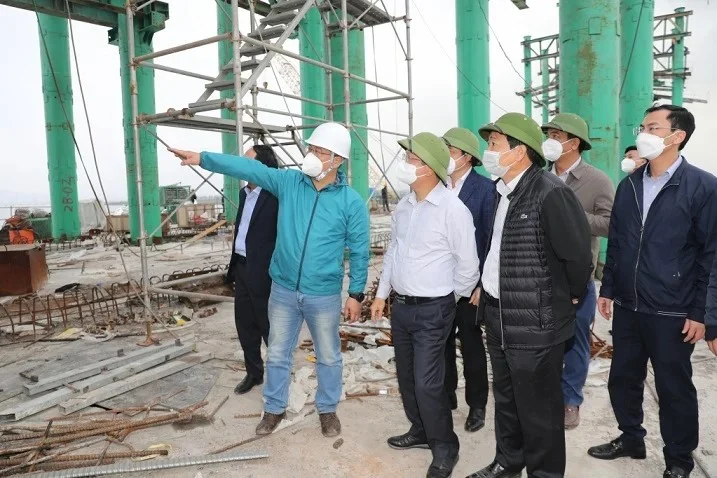
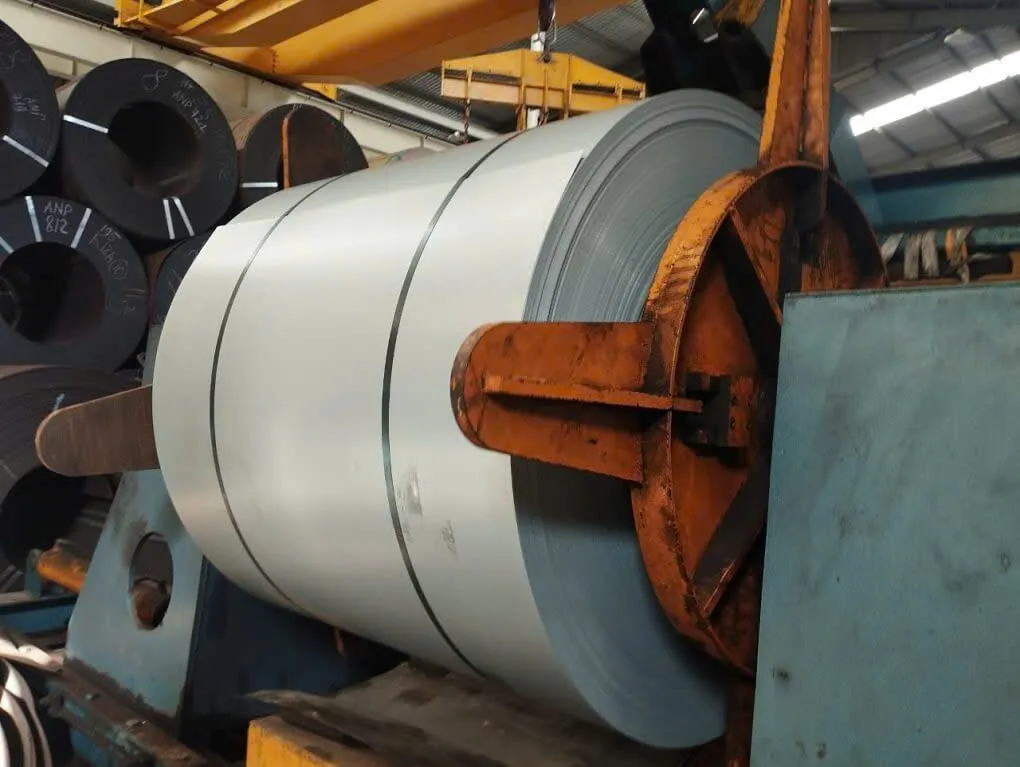
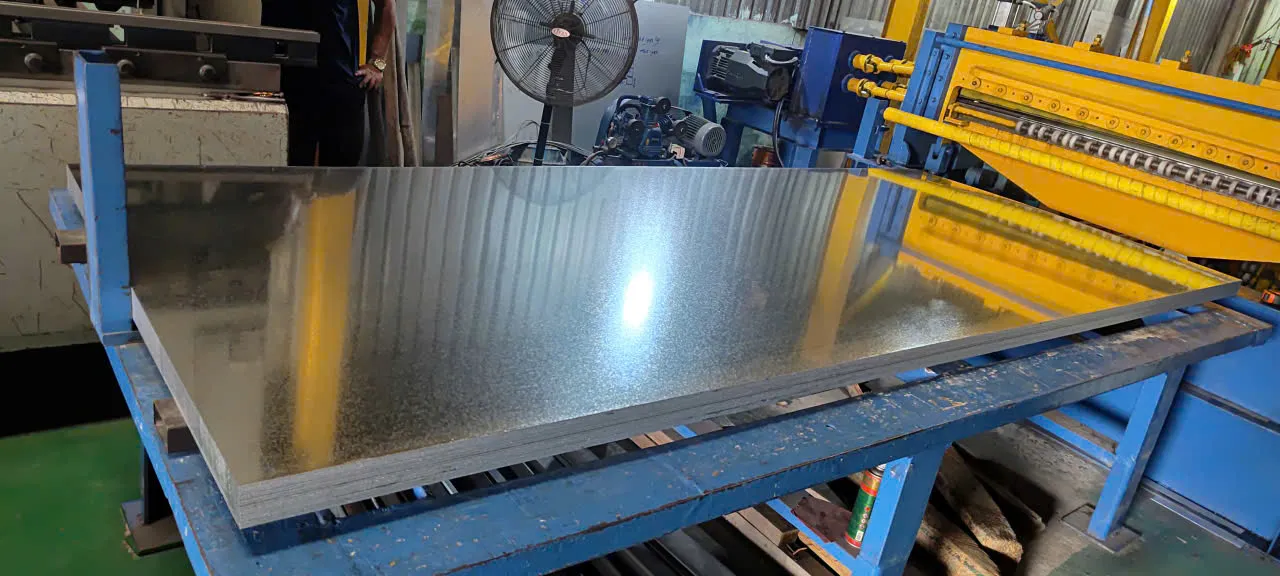
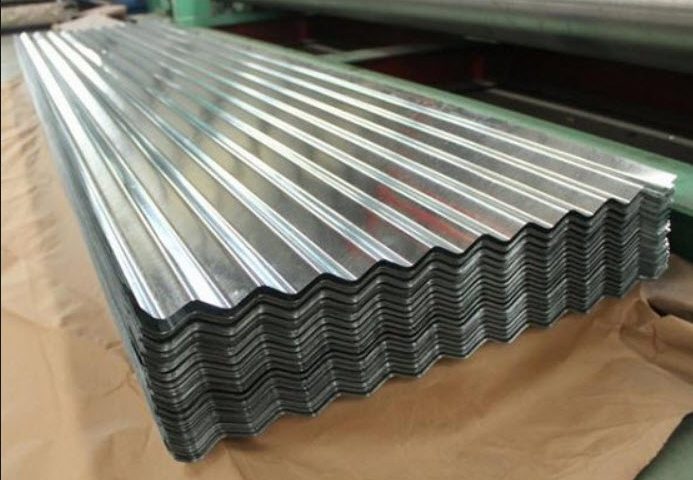
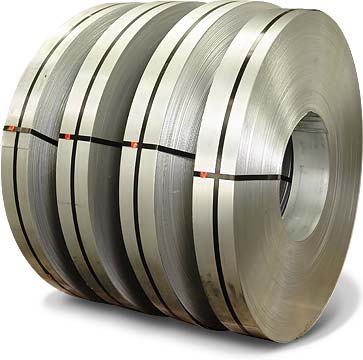
What is Slit Steel Coil? Fabrication Process, Advantages and Industrial Applications
What is slit steel coil?Slit steel coil is a product fabricated from coils of cold-rolled steel, hot-rolled, galvanised steel, electro-galvanised steel, or color-coated steel sheet. Large steel coils ...
More news
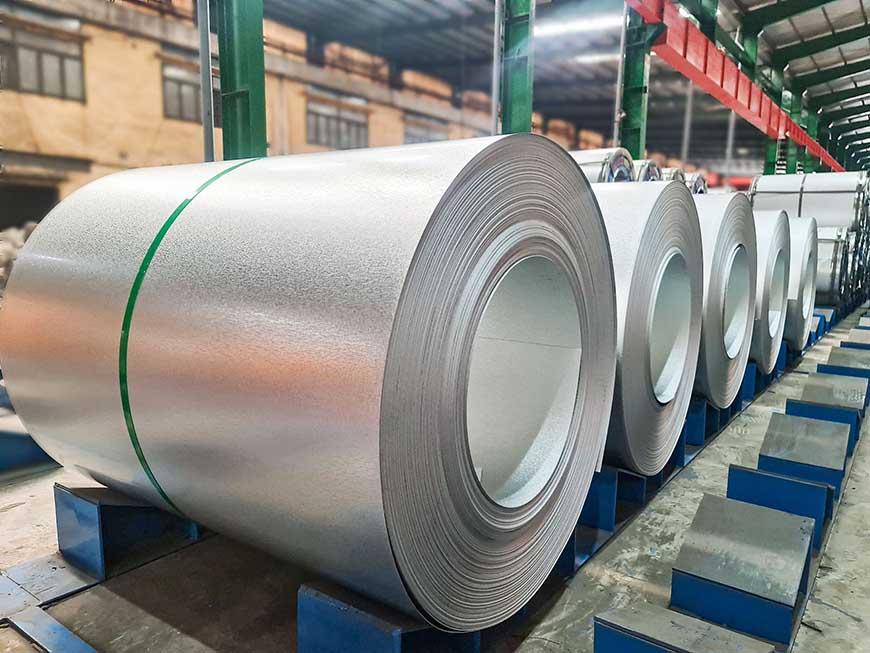
Oiled steel sheet - Cold-rolled steel sheet (CR) – Material determining the quality of modern mechanical products
What is Oiled steel sheet - cold-rolled steel sheet (CR)?Oiled steel sheet - cold-rolled steel sheet (CR) is steel produced from hot-rolled steel, then continues to undergo a cold-rolling process at room temperature to reduce thickness, increase hardness, and improve surface quality. After completion, the steel is coated with a thin protective oil layer to limit the oxidation process during storage and transportation.Thanks to the modern production process, Oiled steel sheet - cold-rolled steel sheet (CR) has high flatness, a bright and beautiful surface, and very small dimensional error. These are important factors for products requiring precision in every detail.Production process of Oiled steel sheet - cold-rolled steel sheet (CR)To produce standard products, Oiled steel sheet - cold-rolled steel sheet (CR) must undergo many strict control stages:Cold rollingHot-rolled steel is passed through a roller system at room temperature to reduce thickness and improve accuracy.Surface treatmentAfter rolling, the steel surface is cleaned to remove oxide layers and impurities.Anti-oxidation oil coatingA thin oil layer is coated on the surface to help limit rust during storage and transportation.Quality inspectionBefore leaving the factory, the product is inspected:Thickness.Flatness.Dimensions.Surface.Hardness.Technical tolerance.Thanks to this process, Oiled steel sheet - cold-rolled steel sheet (CR) always ensures stability and meets strict production requirements.Outstanding advantages of Oiled steel sheet - cold-rolled steel sheet (CR)High dimensional accuracyThis is the most outstanding advantage of Oiled steel sheet - cold-rolled steel sheet (CR). Small errors help mechanical parts achieve high uniformity, limiting the need for re-fabrication after cutting or bending.Smooth, beautiful surfaceThe bright and smooth surface of Oiled steel sheet - cold-rolled steel sheet (CR) helps increase the aesthetic appeal of the product and facilitates subsequent painting or plating stages.Easy fabricationThanks to the stable material structure, Oiled steel sheet - cold-rolled steel sheet (CR) is suitable for many fabrication methods such as:Laser cutting.CNC bending.Stamping.Bending.Welding.Punching.This helps businesses increase productivity and reduce production costs.Limit oxidation during storageThe protective oil layer helps Oiled steel sheet - cold-rolled steel sheet (CR) limit rust when stored for a short period or transported to the construction project.Why is surface accuracy important in fabrication?In the mechanical industry, even a small error in thickness or flatness can affect the quality of the finished product.Using Oiled steel sheet - cold-rolled steel sheet (CR) brings many benefits such as:Ensuring uniform dimensions.Reducing deviations during assembly.Limiting deformation during bending.Increasing accuracy during laser cutting.Reducing scrap rate.Saving production time.This is why many businesses investing in modern production lines prioritize using this material.Outstanding applications of Oiled steel sheet - cold-rolled steel sheet (CR)1. Fabrication of electrical cabinets and industrial equipmentHigh flatness and beautiful surface help Oiled steel sheet - cold-rolled steel sheet (CR) become an ideal choice in the production of:Electrical cabinets.Machine casings.Control cabinets.Technical boxes.Equipment frames.Products after electrostatic powder coating achieve good paint adhesion, increasing aesthetic appeal and lifespan.2. Precision mechanical fabricationMechanical businesses often use Oiled steel sheet - cold-rolled steel sheet (CR) to manufacture:Brackets.Machine frames.Stamped parts.Mechanical components.Automation equipment.Material precision helps reduce calibration time and improve production efficiency.3. Furniture and home appliance industryThanks to its beautiful surface and good formability, Oiled steel sheet - cold-rolled steel sheet (CR) is applied in the production of:Filing cabinets.Metal tables and chairs.Shelving.Lockers.Washing machines.Refrigerators.Air conditioners.Kitchen appliances.Why choose Oiled steel sheet - cold-rolled steel sheet (CR) at Phu Cuong Steel?As a long-standing company in the industrial steel sector, Phu Cuong Steel always focuses on product and service quality.When choosing Oiled steel sheet - cold-rolled steel sheet (CR) at Phu Cuong Steel, customers will receive:Products meeting quality standards.Diverse thickness and specifications.Support for cutting to required dimensions.Dedicated technical consultation.Competitive prices.Stable supply.On-time delivery.Accompanying customers throughout the usage process.Tips for choosing Oiled steel sheet - cold-rolled steel sheet (CR)To ensure investment efficiency, businesses should note:Choose the correct thickness according to design requirements.Determine the fabrication method to be used.Check tolerance standards.Store materials in a dry environment.Choose a reputable supplier to ensure quality.Using the correct type of Oiled steel sheet - cold-rolled steel sheet (CR) not only helps improve product quality but also significantly reduces long-term production costsConclusionIn the context of manufacturing industries increasingly requiring high precision and consistency, Oiled steel sheet - cold-rolled steel sheet (CR) has become the top choice thanks to its smooth surface, small dimensional tolerance, flexible fabrication capabilities, and efficiency in many production processes. Using the correct type of material not only improves the quality of finished products but also contributes to cost optimization and increased productivity for businesses.With experience in supplying industrial steel for many sectors, Phu Cuong Steel is committed to providing Oiled steel sheet - cold-rolled steel sheet (CR) products that meet quality standards, have clear origins, and professional support services. If your business is looking for material solutions to enhance fabrication precision and create durable and beautiful products, Phu Cuong Steel will be a reliable partner for long-term cooperation.CONTACT INFORMATIONAddress: 2177C - 2177D National Highway 1A, Dong Hung Thuan Ward, District 12, Ho Chi Minh CityPhone: 0933.91.98.99 (Ms. Anh) 0933.91.98.98 (Mr. Manh) E-mail: tonthepphucuong@gmail.comms.anhnguyen1207@gmail.com
Read article →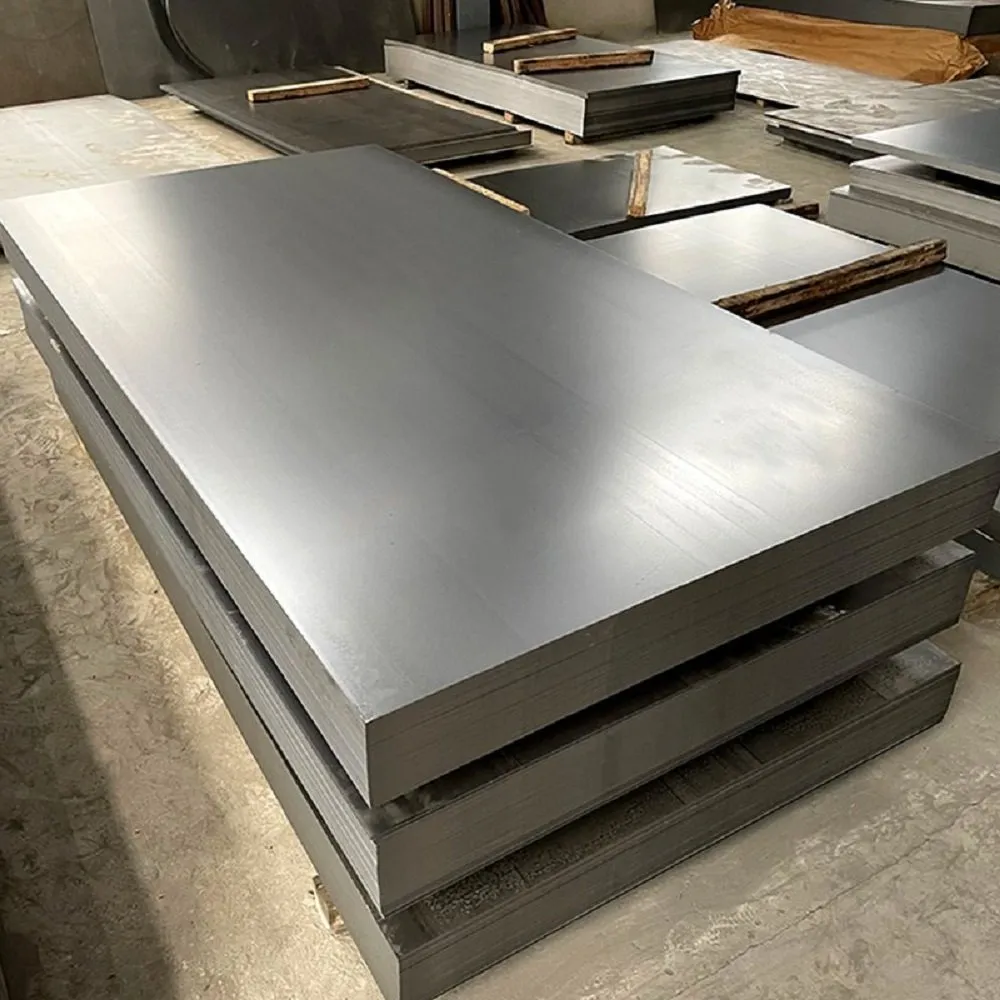
Electro-galvanised steel GA – Solution for enhancing quality in the modern mechanical industry
What is electro-galvanised steel GA?electro-galvanised steel GA is a type of steel coated with a zinc-iron alloy layer through the hot-dip galvanising process combined with heat treatment. During this process, the zinc layer and base steel react with each other, forming an alloy layer with a characteristic grey color, which increases corrosion resistance and improves paint adhesion.Unlike conventional galvanised steel, electro-galvanised steel GA has a slightly rough surface, which helps the paint layer adhere more firmly and reduces peeling during use.Thanks to these characteristics, electro-galvanised steel GA is widely applied in many industries requiring high precision.Production process of electro-galvanised steel GATo produce electro-galvanised steel GA that meets standards, the production process must go through many strict stages.Preparation of base steelcold-rolled steel is thoroughly cleaned on the surface to remove grease, dirt, and impurities.Hot-dip galvanisingSteel is passed through a molten zinc bath to create an anti-oxidation coating.Heat treatmentAfter galvanising, steel is further heated at an appropriate temperature to create a reaction between zinc and iron, forming a durable alloy layer.Quality inspectionEach coil of electro-galvanised steel GA is inspected for:Coating thickness.Adhesion.Surface.Dimensions.Flatness.Fabrication capability.The strict process ensures stable product quality before reaching customers.Outstanding advantages of electro-galvanised steel GASuperior weldabilityOne of the reasons why electro-galvanised steel GA is widely used is its ability to create stable welds.The zinc-iron alloy layer helps:Reduce spatter during welding.Even and aesthetic welds.Limit defects.Increase bond strength.This is particularly important in precision mechanical manufacturing and automotive production.High paint adhesionThanks to its characteristic rough surface, electro-galvanised steel GA helps the paint layer:Adhere more firmly.Have uniform color.Resist peeling.Increase product lifespan.This is an outstanding advantage when manufacturing electrical cabinets, home appliances, and industrial components.Effective corrosion resistanceThe protective alloy layer helps electro-galvanised steel GA resist the effects of humidity and environment, extending product lifespan and reducing maintenance costs.Flexible fabricationelectro-galvanised steel GA is suitable for various fabrication methods such as:Stamping.Bending.Forming.Laser cutting.Spot welding.Arc welding.Thus, businesses can easily create high-precision products.Why is electro-galvanised steel GA suitable for precision mechanical welds?In the mechanical industry, weld quality directly affects product durability and safety.Thanks to the special alloy coating, electro-galvanised steel GA helps:Reduce thermal deformation.Limit weld cracking.Increase bonding capability between components.Ensure aesthetics after finishing.That is why many industrial equipment and automotive manufacturers prioritise this steel type.Why choose electro-galvanised steel GA at Phu Cuong Steel?Phu Cuong Steel is a supplier of diverse high-quality steel types, among which electro-galvanised steel GA is trusted by many businesses due to:Clear origin.Stable quality.Diverse specifications.Competitive pricing.Custom cutting support.In-depth technical consultation.Fast nationwide delivery.Phu Cuong Steel not only supplies products but also partners with customers to select suitable material solutions for each industry and application.Frequently asked questionsElectro-galvanised steel GA has good rust resistance?Yes. The zinc-iron alloy layer enhances corrosion resistance in various environmental conditions.Electro-galvanised steel GA is easy to weld?Yes. This is one of the steel types highly rated for its weldability and weld stability.Can it be painted directly on the surface?Yes. The surface of Electro-galvanised steel GA has very good paint adhesion, saving processing time.Does Phu Cuong Steel accept custom fabrication?Yes. Phu Cuong Steel supports cutting, slitting, and fabrication according to customer requirements.Which industries is electro-galvanised steel GA suitable for?The product is applied in mechanical engineering, automotive, industrial electricity, home appliances, and many modern manufacturing sectors.ConclusionAs the mechanical engineering and industrial manufacturing sectors increasingly demand high-precision materials, Electro-galvanised steel GA has affirmed its position thanks to superior weldability, good paint adhesion, effective corrosion resistance, and meeting diverse fabrication requirements. This is an ideal solution for businesses looking to improve product quality, optimize production processes, and extend product lifespan.With experience in the field of industrial steel supply, Phu Cuong Steel is committed to providing products Electro-galvanised steel GA that meet quality standards, diverse specifications, and professional support services. If you are looking for a reliable material source for precision mechanical projects, Phu Cuong Steel is a partner that helps businesses develop sustainably and enhance competitiveness.CONTACT INFORMATIONAddress: 2177C - 2177D National Highway 1A, Dong Hung Thuan Ward, District 12, Ho Chi Minh CityPhone: 0933.91.98.99 (Ms. Anh) 0933.91.98.98 (Mr. Manh) E-mail: tonthepphucuong@gmail.comms.anhnguyen1207@gmail.com
Read article →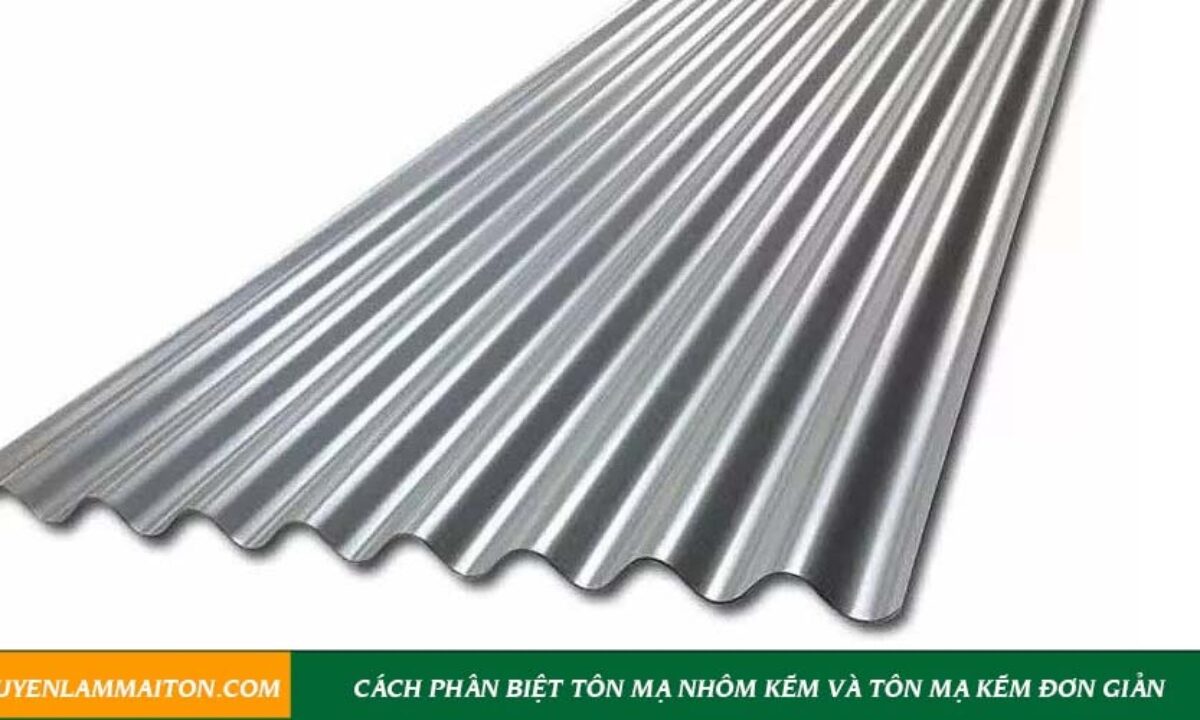
Why Do Many Businesses Choose Galvanised Steel Sheet Z275 at Phu Cuong Steel?
What Is Galvanised Steel Sheet Z275?Galvanised steel sheet Z275 is a base steel coated with a galvanised layer by hot-dip galvanising method according to international standards. Symbol Z275 represents the total mass of the galvanised coating layer on both surfaces of the steel sheet reaching approximately 275 g/m², helping to increase oxidation resistance and protect steel from environmental impacts.Thanks to the galvanised coating layer with higher thickness compared to many other common standards, galvanised steel sheet Z275 provides superior corrosion resistance, especially suitable for the hot, humid, and rainy climate conditions in Vietnam. This is an important factor that helps the material maintain durability for a long time, even when used in coastal areas, industrial zones, or high humidity environments.Outstanding Advantages Of Galvanised Steel Sheet Z2751. Superior corrosion resistanceOne of the most outstanding advantages of galvanised steel sheet Z275 is effective corrosion resistance. The galvanised coating layer acts as a protective layer, helping to prevent direct contact between the base steel with water, air, and oxidising agents from the environment.For construction projects frequently affected by sun, rain, or high humidity, the use of galvanised steel sheet Z275 will significantly reduce the risk of rust, thereby extending lifespan and ensuring structural stability.2. High durability over timeThanks to the galvanised coating layer meeting Z275 standard, the product can maintain quality for a long time without frequent maintenance. This is an economical solution for businesses and investors wishing to optimise operating costs after the construction project is put into use.3. Flexible fabricationGalvanised steel sheet Z275 can be easily cut, bent, formed, welded, or shaped according to various requirements. This helps the construction and production process proceed quickly, saving time and reducing material waste.Why Is Galvanised Steel Sheet Z275 Preferred In Modern Construction Projects?Helps extend construction project lifespan: The galvanised coating layer has the task of protecting the base steel from environmental impacts such as rain, humidity, water vapor, and other corrosive agents. Reduces maintenance and repair costs: When using materials with good rust resistance such as galvanised steel sheet Z275, the risk of damage due to corrosion will significantly decrease, thereby limiting periodic replacement or repair. Suitable for Vietnam's climate conditions: Hot, humid, rainy climate and high air humidity are the reasons why many metal materials quickly oxidise if not properly protected. With a thick galvanised coating layer meeting Z275 standard, the product has good resistance to harsh weather conditions, contributing to increased durability for the construction project throughout its use.Meets aesthetic requirements: Besides technical factors, many modern construction projects also focus on the aesthetics of the material. Galvanised steel sheet Z275 has a bright, uniform surface and is easy to combine with other painting or fabrication methods, bringing a professional and modern appearance to the construction project.Practical Applications Of Galvanised Steel Sheet Z2751. Construction of factories and prefabricated steel buildingsThis is one of the most common applications of galvanised steel sheet Z275. The product is used for roofs, walls, purlins, secondary framing systems, and many other items thanks to its corrosion resistance and high durability.2. Civil construction projectsGalvanised steel sheet Z275 is used for the construction of house roofs, awnings, fences, gates, railings, terrace covers, and many other outdoor items.3. Steel structure manufacturingMany mechanical enterprises choose galvanised steel sheet Z275 for fabrication of structural components, machine frames, support systems, and products requiring long-term durability.4. Electrical and mechanical-electrical industriesProducts such as electrical cabinets, cable trays, cable ladders, or industrial equipment casings also often use galvanised steel sheet Z275 to increase oxidation resistance and extend lifespan.Experience in Choosing Quality Galvanised Steel Sheet Z275Check coating layer standard: It is necessary to fully check technical specifications and quality certificates to ensure the product meets the standard.Choose appropriate thickness: Choosing the correct thickness not only helps optimise costs but also ensures safety during use.Pay attention to product origin: Should prioritise suppliers providing products with clear origin, full CO, CQ documents, and manufactured according to current quality standards.Choose a reputable supplier: A reputable supplier will help customers feel more secure about product quality, price, and after-sales service.Commitment Of Phu Cuong Steel Sheet When Supplying Galvanised Steel Sheet Z275When choosing Phu Cuong Steel Sheet, customers not only receive quality products but are also accompanied by a company knowledgeable about the steel sheet market and always prioritises customer interests. We commit to:Supplying galvanised steel sheet Z275 according to specifications and technical standards.Diverse thickness, sizes, and types meeting various usage needs.Competitive, transparent, and quickly updated quotation.Support in consulting suitable material solutions for each construction project.Fast and on-schedule delivery.Accompanying and supporting customers throughout the construction process.Are You Looking For A Supplier Of Quality Galvanised Steel Sheet Z275? If you are looking for galvanised steel sheet Z275 for factories, civil construction projects, or industrial projects, please contact Phu Cuong Steel Sheet to be advised by our team of specialists on products suitable for your actual needs. We commit to supplying quality products, transparent quotations, on-schedule delivery, and technical support throughout the usage process. Contact Phu Cuong Steel now for free consultation and to receive the latest quotation for products.CONTACT INFORMATIONAddress: 2177C - 2177D National Highway 1A, Dong Hung Thuan Ward, District 12, Ho Chi Minh CityPhone: 0933.91.98.99 (Ms. Ánh) 0933.91.98.98 (Mr. Mạnh) E-mail: tonthepphucuong@gmail.comms.anhnguyen1207@gmail.com
Read article →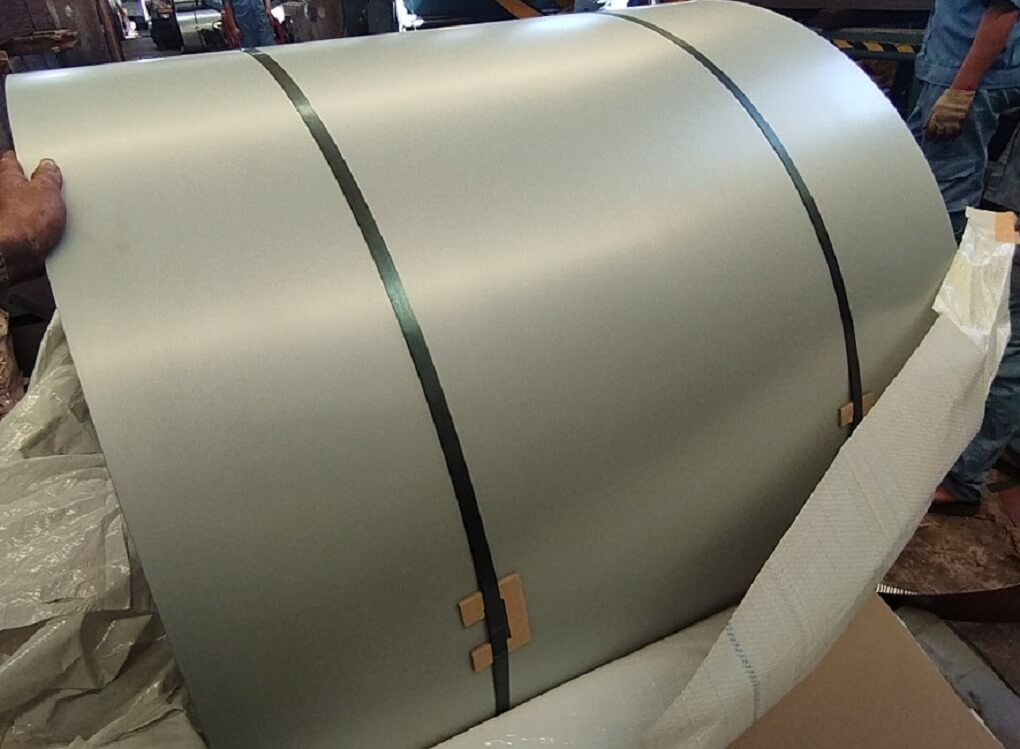
What is different about EG electro-galvanised steel? Reasons for mechanical enterprises' preferred choice
What is EG Electro-Galvanised Steel?EG electro-galvanised steel (Electro Galvanized Steel) is a type of cold-rolled steel coated on the surface with a galvanised layer by electroplating. After the galvanising process, the steel is further passivated with a chemical solution to create a characteristic green coating, which increases oxidation resistance and protects the surface during storage, transportation, and use.Unlike hot-dip galvanising, electro-galvanising technology creates a thin, uniform, and highly adhesive coating. This helps the steel maintain dimensional accuracy while creating a bright, smooth, and aesthetically pleasing surface. These are very important factors for products requiring high aesthetics or precise fabrication.Today, EG electro-galvanised steel is widely applied in the production of electrical cabinets, cable trays, home appliances, automotive components, office furniture, steel shelving, industrial equipment, and many other mechanical products.Differences Between EG Electro-Galvanised Steel And Other Types of Galvanised SteelMany customers often assume that all types of galvanised steel are the same because they are all coated with a galvanised layer to prevent rust. However, in reality, the production process and technical characteristics of each type of galvanised steel have many differences.1. Electro-galvanising technology creates a smooth and uniform surfaceThe first outstanding feature of EG electro-galvanised steel is that the galvanised layer is applied by electroplating. This process ensures the coating has uniform thickness across the entire steel surface, limiting bumps or clumps as seen in some other galvanising methods.As a result, the product after fabrication has a bright, beautiful, professional appearance and is suitable for products with high aesthetic requirements.2. Dimensional accuracy is almost absoluteBecause the electro-galvanised layer is thin and strictly controlled, the dimensions of the steel remain almost unchanged after galvanising.This is a significant advantage for businesses manufacturing precision mechanical components, electrical equipment, or products requiring high fit accuracy during assembly.Maintaining stable dimensions also helps reduce the error rate during fabrication, thereby saving production time and costs.3. Superior oxidation resistance in normal environmentsAfter electro-galvanising, the steel surface undergoes a passivation process, creating a green coating. This coating acts as a protective film, helping to limit oxidation when the steel is exposed to air and humidity.For products used in indoor environments or normal working conditions, EG electro-galvanised steel provides very good rust prevention and helps extend product lifespan.4. Easy to paint and fabricateAnother advantage that makes EG steel highly valued is its good paint adhesion. Thanks to its smooth surface, electrostatic powder coating or industrial paint can be applied evenly, creating strong adhesion and high aesthetics.Additionally, steel also has the ability to:Laser cutting with high precision.Stamping without peeling the galvanised layer.Bending and shaping easily.Welding and assembly conveniently.Stable CNC fabrication.These characteristics help businesses optimize production processes and reduce the rate of defective products.Why Are Mechanical Enterprises Increasingly Prioritizing EG Electro-Galvanised Steel?It is no coincidence that more and more mechanical factories, production workshops, and industrial enterprises are switching to using EG electro-galvanised steel. This decision stems from many practical benefits in both the production and usage processes.1. Enhance product qualityFor mechanical products, the material surface greatly determines the finished quality. A steel sheet with a smooth, clean, and uniform surface will help the painting, stamping, cutting, and assembly processes achieve higher efficiency.EG electro-galvanised steel meets these requirements well, resulting in products with high aesthetics, limiting technical errors, and reducing post-fabrication processing costs.2. Save maintenance costsThe galvanised coating and passivation layer help the steel resist rust during use. This means that businesses do not have to frequently maintain or replace components due to corrosion, thereby significantly reducing long-term operating costs.3. Increase production efficiencyThanks to good fabrication capabilities, EG steel helps shorten production time, reduce material waste, and increase line productivity. This is an important factor for businesses needing to fulfill large orders in a short time.Are You Looking for a Reputable Supplier of EG Electro-Galvanised Steel?Choosing the right supplier not only helps businesses ensure raw material quality but also contributes to optimizing production costs and delivery schedules. If you need EG electro-galvanised steel with diverse specifications, stable quality, and competitive prices, Phu Cuong Steel is a reliable address chosen by many mechanical, industrial electrical, and furniture manufacturing businesses.Our consulting team is always ready to assist customers in choosing the right type of steel suitable for each usage need, while providing fast and accurate quotations.Contact Phu Cuong Steel for free consultation and receive the latest quotation.CONTACT INFORMATIONAddress: 2177C - 2177D National Highway 1A, Dong Hung Thuan Ward, District 12, Ho Chi Minh CityPhone: 0933.91.98.99 (Ms. Anh) 0933.91.98.98 (Mr. Manh) E-mail: tonthepphucuong@gmail.comms.anhnguyen1207@gmail.com
Read article →
Phu Cuong Steel Sheet and Steel: Supply and Fabrication of Steel Sheet and Steel According to Specifications for Mechanical Workshops, Construction Projects and Manufacturing
In a construction project or a manufacturing workshop, steel sheet and steel materials not only need to be the right price, but more importantly, they must be the right type, right thickness, right width, right surface, and right fabrication specification. Choosing the wrong material can slow down the cutting, bending, stamping, welding, assembly, or construction process, leading to waste and increasing actual costs.Phu Cuong Steel Sheet & Steel supplies and fabricates various types of steel sheet and steel materials for mechanical engineering, construction, trade, and manufacturing. Customers can find common material groups such as galvanised steel sheet, electro-galvanised steel sheet EG, GA steel sheet, pre-painted galvanised steel sheet, black hot-rolled steel sheet HR, oiled cold-rolled steel sheet CR, ribbed steel sheet, perforated steel sheet, slit steel coil, steel flat bar cutting, and other steel sheet and steel materials according to actual usage specifications.With the motto “Quality builds the brand”, Phu Cuong Steel Sheet & Steel aims to provide clear materials, practical advice, and support customers in choosing the right product for each construction project, mechanical workshop, or production line need.1. What does Phu Cuong Steel Sheet & Steel supply?Phu Cuong Steel Sheet & Steel does not just sell a few individual types of steel sheet and steel materials, but focuses on material groups that directly serve fabrication and construction. This is an important advantage for customers who need to purchase goods according to specifications, thickness, width, or require pre-processing before production.Main product and service groups include:Galvanised steel sheet SGCC, SECC.Galvanised steel sheet with Z275 coating.Galvanised steel sheet 3.0mm, galvanised 3 ly.Galvanised steel sheet width 1500mm.Electro-galvanised steel sheet EG, EG steel sheet EGI.Electro-galvanised steel sheet GA, GA steel sheet GA.EG/GA steel sheet width 1500mm.Pre-painted galvanised steel sheet, pre-painted galvanised steel sheet AZ, pre-painted colour steel sheet.Black steel sheet, hot-rolled steel HR.Oiled steel sheet, cold-rolled steel CR.Ribbed steel sheet, perforated steel sheet, ribbed perforated steel sheet.Slit steel coil.Steel flat bar cutting of steel sheet and steel materials according to specifications.Steel sheet cutting, coil slitting, steel sheet fabrication on demand.Thanks to a wide range of materials and accompanying fabrication services, customers can order according to actual needs instead of having to process all raw materials themselves at the workshop.2. Why do construction project customers and mechanical workshops need to choose the right steel sheet and steel materials from the start?Steel sheet and steel materials are the base material for many items: roofs and walls, construction project accessories, steel doors, electrical cabinet enclosures, machine casings, mechanical parts, gutters, cable trays, frames, shelves, cover plates, stamped parts, bent and folded parts, and many other metal products.If the wrong material is chosen, errors usually do not appear at the time of purchase, but arise in subsequent stages:Inappropriate thickness makes the product weak, heavy, or difficult to fabricate.Non-optimal steel sheet width increases excess material and material loss.Unsatisfactory surface requires the product to be re-processed before painting, welding, or assembly.Material that is too hard or too soft causes difficulties during bending, stamping, or forming.Inappropriate coating layer for the usage environment reduces durability after construction.Goods not cut, slit, or steel flat bar cut to specification slow down production progress.Therefore, when purchasing steel sheet and steel materials, customers should simultaneously consider many factors: material type, thickness, width, length, surface, usage environment, fabrication method, and final finishing requirements.3. Galvanised steel sheet product group at Phu Cuong Steel Sheet & Steel3.1. Galvanised steel sheet SGCC, SECCGalvanised steel sheet is one of the widely used material types in mechanical engineering and construction. The steel surface is coated with a galvanised layer to increase oxidation resistance compared to ordinary black steel. Thanks to its wide applicability, galvanised steel sheet is suitable for many items such as gutters, air ducts, frames, roof and wall accessories, cabinets, shelves, equipment casings, and civil mechanical parts.When choosing galvanised steel sheet, customers need to pay attention to thickness, coating layer, surface flatness, steel sheet width, and intended use. For products requiring bending or stamping, materials with appropriate ductility should be chosen. For outdoor items or humid environments, attention should be paid to rust resistance and coating layer durability.3.2. Galvanised steel sheet with Z275 coatingGalvanised steel sheet Z275 is a suitable choice for items requiring a better coating layer, demanding higher surface durability and corrosion resistance under appropriate usage conditions. This type is often considered for construction projects, workshops, roof and wall accessories, and parts requiring long-term stability.When ordering galvanised steel sheet Z275, customers should clearly discuss the thickness, width, quantity, and usage environment to receive advice on the correct specifications.3.3. Galvanised steel sheet 3.0mm, galvanised 3 lyGalvanised steel sheet 3.0mm, often called galvanised 3 ly, is suitable for items requiring greater thickness than ordinary thin steel sheet. This material type can be used in mechanical engineering, light structures, gusset plates, medium load-bearing parts, items requiring better hardness and durability.With galvanised steel sheet 3 ly, customers need to pay attention to cutting, bending, welding capabilities, and material weight. Ordering sheet cutting or steel flat bar cutting according to specifications helps reduce processing work at the workshop and better control blank dimensions.3.4. Galvanised steel sheet width 1500mmGalvanised steel sheet width 1500mm is a notable choice for customers needing to optimize material width. Large width allows for more flexible blank division, suitable for products requiring wide dimensions, limiting joints, or needing to cut many parts from the same sheet.In production, choosing a width of 1500mm can help reduce waste if finished product dimensions are reasonably calculated. This product group is suitable for mechanical workshops, door manufacturers, machine casings, construction project accessories, cover plates, gutters, frames, and parts requiring wide blanks.4. Electro-galvanised steel sheet, EG steel sheet, GA steel sheet group4.1. Electro-galvanised steel sheet EG, EG steel sheet EGIEG steel sheet is a material type with a bright, aesthetic surface, often chosen by mechanical workshops for products requiring aesthetic appeal. This type is suitable for steel doors, frames, electrical cabinet enclosures, machine casings, assembly parts, metal furniture, and products requiring a stable surface before painting or finishing.The advantage of EG steel sheet is its easy-to-inspect surface, attractive appearance, suitable for parts requiring precise fabrication. When cutting, steel flat bar cutting, or slitting EG steel sheet, care must be taken to limit scratches, dents, and warping to maintain a good surface for subsequent stages.4.2. Electro-galvanised steel sheet GA, GA steel sheet GAGA steel sheet is a material type used in many mechanical and manufacturing applications. The stable grey surface is suitable for parts requiring uniformity, easy fabrication, and easy integration into processes such as cutting, bending, stamping, welding, painting, or assembly.This is a suitable choice for workshops needing materials with a relatively good surface while still ensuring practicality. Customers can order GA steel sheet in sheet form, coil form, or fabricated according to specifications, depending on their needs.4.3. EG/GA steel sheet width 1500mmEG/GA steel sheet width 1500mm includes large width EG, GA types, suitable for orders requiring wide blank division or production of large-sized parts. The 1500mm width helps workshops be more flexible in optimizing cutting layouts, reducing joints, and limiting unusable excess material.For products such as steel doors, machine casings, cabinets, cover lids, large frames, or parts requiring an aesthetic surface, large width EG/GA steel sheet is a choice to consider.5. Pre-painted galvanised steel sheet, pre-painted galvanised steel sheet AZ, and pre-painted colour steel sheetPre-painted galvanised steel sheet is a familiar group of materials in construction, workshops, roofs and walls, warehouses, and many items requiring surface durability. Pre-painted galvanised steel sheet is often chosen for construction projects requiring better weather resistance under appropriate usage conditions.At Phu Cuong Steel Sheet & Steel, customers can find pre-painted galvanised steel sheet, pre-painted galvanised steel sheet AZ, and pre-painted colour steel sheet types depending on construction needs. When choosing pre-painted galvanised steel sheet, attention should be paid to thickness, colour, coating layer, surface, width, and actual installation requirements.This material type is suitable for:Workshop roofs, warehouse roofs, civil construction project roofs.Partitions, cladding walls.Roof and wall accessories, fascias, trims, gutters.Items requiring materials with a pre-finished surface.6. Black steel sheet, hot-rolled steel HRBlack steel sheet or hot-rolled steel HR is a material type widely used in mechanical engineering, welding and cutting, structures, fabrication of gusset plates, frames, bases, machine parts, and items requiring a certain hardness. The HR surface is usually not as bright and aesthetic as cold-rolled steel or coated steel sheet, but it is suitable for applications requiring heavy fabrication, welding, cutting, forming, or as a base for further processing.The advantage of black steel sheet HR is its high applicability in mechanical engineering and structures. Customers can order according to standard width or large width, depending on usage needs. For orders requiring sheet cutting, steel flat bar cutting, or blank division, pre-fabrication helps the workshop reduce processing time and better control dimensions.Black steel sheet HR is often used for:Plates, structural components.Frames, bases, machine bases.Mechanical products requiring welding and cutting.Components requiring further fabrication such as painting, plating, surface treatment.Construction project items requiring steel plate, steel sheet according to specifications.7. Oiled steel sheet, cold-rolled steel CROiled steel sheet or cold-rolled steel CR is a type of steel with a flatter, more aesthetic surface and better precision compared to hot-rolled steel. This type is often used in products requiring a good surface, stable flatness, and precise fabrication capability.Oiled steel sheet CR is suitable for components requiring bending, stamping, cutting, forming, for machine casings, cabinets, shelves, assembly components, civil and industrial products. If the final product requires painting, coating, or aesthetic appeal, cold-rolled steel is often a suitable choice.When purchasing oiled steel sheet CR, customers need to pay attention to storage because the surface can be affected if left in a humid environment or exposed to water for a long time. Goods should be stored in a dry warehouse, elevated, and avoid direct outdoor exposure.8. Ribbed steel sheet, perforated steel sheet, perforated ribbed steel sheetRibbed steel sheet and perforated steel sheet are a group of materials serving more specific applications. Ribbed steel sheet is often used in positions requiring increased friction, anti-slip properties, or a more robust surface. Perforated steel sheet is often used in ventilation, decoration, shielding, filtering, equipment protection, for facades, partitions, or technical components.Perforated ribbed steel sheet can combine ribbed surface and perforated elements, suitable for products requiring both grip, ventilation, or specific application according to drawings.This product group often requires detailed discussion about:Material thickness.Rib pattern or hole pattern.Hole size, hole spacing.Sheet width, length, width.Actual application: anti-slip, ventilation, decoration, or technical.9. Slit steel coilSlit steel coil is material slit from large coils into smaller steel strips according to required width. This is an important service for manufacturing workshops requiring uniform, stable blanks, easy to feed into machinery or the next stage.Slit steel coil is suitable for:Mass production of metal components.Fabrication of bars, strips, frames, straps, accessories.Production lines requiring steel strips of the correct width.Workshops needing to reduce time for self-cutting blanks.When ordering slit steel coil, customers should clearly provide material type, thickness, strip width, quantity, desired tolerance, and surface requirements to minimize errors upon receipt of goods.10. Steel flat bar cutting of steel sheet, steel according to specificationsSteel flat bar cutting of steel sheet, steel is the service of cutting steel sheet, steel into individual flat bars or flat bar blanks according to required dimensions. This service is used by many mechanical workshops because it helps save material preparation time, especially for orders requiring repeated quantities of blanks.Steel flat bar cutting is suitable for:Welding, bending, stamping, assembly workshops.Fabrication of frames, strips, support bars, accessories.Making mechanical components according to drawings.Cutting blanks for mass production.Customers needing steel sheet, steel pre-cut according to usage dimensions.With the steel flat bar cutting service, it is important to clearly specify thickness, width, length, quantity, and material type. If the product requires a good surface, customers should mention it in advance to receive advice on material selection and suitable fabrication methods.11. Custom steel sheet, steel fabrication service at Ton Thep Phu CuongIn addition to material supply, Ton Thep Phu Cuong also supports customers in fabricating steel sheet, steel according to actual usage specifications. This service helps customers receive goods closer to their production needs, reducing processing stages at the warehouse or workshop.11.1. Custom steel sheet cuttingCustom steel sheet cutting helps customers obtain material sheets of the correct size needed. This service is suitable for mechanical workshops, contractors, units making machine casings, electrical cabinets, conduits, strips, frames, accessories, and components requiring sheet blanks.11.2. Steel sheet, steel coil slittingCoil slitting is the process of dividing steel sheet, steel coils into smaller widths. This is an important step for orders requiring uniform, correct-width steel strips, serving continuous production or large-volume fabrication.11.3. Steel flat bar cutting according to specificationsSteel flat bar cutting helps customers have pre-cut flat bar blanks according to desired dimensions. This service is particularly suitable for workshops needing to save time on blank cutting, reduce waste, and ensure uniform dimensions among components.11.4. Supplying large-width steel sheet, steelLarge-width steel sheet types such as 1500mm width help customers be more flexible in blank division, making wide components, or reducing joints. This is a suitable choice for many manufacturing units, mechanical workshops, and construction projects requiring large-sized materials.12. Advantages of purchasing and fabricating steel sheet, steel at Ton Thep Phu Cuong12.1. Diverse materials, easy to choose according to needsEach customer has different needs. Some need materials with a good surface for making doors, cabinets, machine casings. Some need galvanised steel sheet for construction projects. Some need hot-rolled steel for welding, cutting, structures. Some need cold-rolled steel for fabricating components requiring flatness.Thanks to many product groups, Ton Thep Phu Cuong can advise customers to choose the correct material type instead of just selling by generic names.12.2. Fabrication support according to specificationsCustomers can order sheet cutting, slitting, steel flat bar cutting, or fabrication according to actual dimensions. This helps reduce blank preparation time, reduce waste, and helps workshops put materials into production faster.12.3. Suitable for construction projects, mechanical workshops, and manufacturingTon Thep Phu Cuong serves many customer groups: contractors, civil construction projects, factories, warehouses, mechanical workshops, metal component manufacturing units, retail customers, and bulk purchasers.12.4. Practical advice according to intended useNot all products are suitable for all needs. Outdoor materials differ from indoor materials. Goods requiring painting/coating differ from raw goods. Bending/folding components differ from welding/cutting components. Therefore, correct advice from the start helps customers avoid incorrect purchases and reduces subsequent processing costs.12.5. Convenient location in District 12, Ho Chi Minh CityThe address in District 12 helps Ton Thep Phu Cuong conveniently serve customers in Ho Chi Minh City and surrounding areas. This is an advantage for customers needing to view goods, place orders according to specifications, or needing material delivery for construction projects, factories.13. How to choose suitable steel sheet, steel for each need13.1. If anti-corrosion is needed and for construction projectsCustomers can consider galvanised steel sheet, galvanised steel sheet Z275, galvalume steel sheet, or color-coated galvalume steel sheet depending on the usage environment. Should pay attention to thickness, coating layer, surface, and installation location.13.2. If a good surface is needed for mechanical parts, cabinets, doors, machine casingsEG steel sheet, GA steel sheet, oiled steel sheet CR, or electro-galvanised steel are more suitable choices. These types have a stable, easily observable surface and are suitable for products requiring aesthetic appeal.13.3. If welding, cutting, structures, plates are neededBlack hot-rolled steel sheet or hot-rolled steel are usually more suitable because they perform well for heavier mechanical stages such as welding, cutting, frame fabrication, plates, support bases, or structures.13.4. If optimizing width and reducing waste are neededCustomers should pay attention to large-width steel sheet, especially 1500mm width types. Choosing the appropriate width helps better blank division, especially for wide components or large-volume production.13.5. If mass production is neededShould order slitting, steel flat bar cutting, or sheet cutting according to specifications. Receiving pre-cut goods helps stabilize the production line, reduces measuring and cutting time, and limits errors between components.14. Information customers should prepare before orderingFor Ton Thep Phu Cuong to provide more accurate advice and quotations, customers should prepare the following information in advance:Material type needed: galvanised steel sheet, galvalume steel sheet, EG, GA, hot-rolled, cold-rolled...Desired thickness.Steel sheet width or width to be slit.Length, width of sheet to be cut.Quantity of sheets, quantity of strips or quantity of flat bars.Surface requirements: aesthetic, minimal scratches, easy to paint, easy to weld or prioritising durability.Purpose of use: for doors, cabinets, machine casings, roofing and cladding, gutters, structures, accessories...Time needed to receive goods.Delivery location if transportation is required.If the customer is unsure which type to choose, they can describe the product to be made or send dimensions, drawings, samples to receive advice on suitable specifications.15. Storage of steel sheet and steel after receiving goodsEven if the correct material is chosen, the storage process is also very important. Steel sheet and steel, if stored incorrectly, can become damp, oxidise, scratch, dent or affect the surface before fabrication.Some notes when storing:Store goods in a dry, airy place, avoid direct contact with rainwater.Elevate materials, do not place directly on damp ground.Do not drag steel sheet on the ground or on the surface of other materials to avoid scratches.For EG steel sheet, oiled steel sheet, electro-galvanised steel, impact and surface scratches should be limited.Goods should be used in the order they were received, avoiding prolonged storage under unsuitable conditions.When transporting, secure fastening is required but without denting the edges of the steel sheet.16. Why the steel sheet and steel problem is not just about price?In reality, the initial purchase price is only a part of the total cost. If the material has incorrect thickness, incorrect width, is difficult to fabricate, has a surface not meeting requirements or requires too much re-cutting, the actual cost can be much higher than initially estimated.A good steel sheet and steel order needs to meet three factors: correct material, correct specifications and correct usage requirements. When these three factors are controlled, customers will save production time, reduce waste and limit errors during construction or fabrication.That is also why Phu Cuong Steel Sheet and Steel focuses on providing materials along with consultation and fabrication according to specifications, helping customers receive products that closely match their actual needs.17. Product selection suggestions by customer group17.1. Contractors, civil construction projects and factoriesShould consider galvanised steel sheet, galvalume steel sheet, colour-coated galvalume steel sheet, large width galvanised steel sheet, steel sheet and steel accessories and cutting services according to specifications. Prioritise materials with durability suitable for the usage environment and specifications convenient for construction.17.2. Mechanical workshopsShould consider EG steel sheet, GA steel sheet, oiled cold-rolled steel sheet, black hot-rolled steel sheet, slit steel coil, steel flat bar cutting, sheet cutting. Depending on the product to be made, choose materials with aesthetic surface, easy to weld, easy to bend, easy to paint or with good load-bearing capacity.17.3. Mass production unitsShould order according to fixed specifications, can use slitting, steel flat bar cutting or pre-cut blank services to reduce preparation time. Stabilising blank dimensions helps the production line operate more smoothly and makes it easier to control finished product quality.17.4. Retail customers, repair, small-scale fabricationShould clearly describe usage needs, required dimensions and installation environment. Phu Cuong Steel Sheet and Steel can assist in advising on suitable material types to avoid over-purchasing or choosing the wrong type.18. Phu Cuong Steel Sheet and Steel – Accompanying Every Construction ProjectPhu Cuong Steel Sheet and Steel aims to become a reliable supplier and fabricator of steel sheet and steel for customers in Ho Chi Minh City and surrounding areas. Not only providing materials, Phu Cuong also accompanies customers in choosing the correct product, correct specifications and correct usage requirements.Whether customers need galvanised steel sheet for construction projects, EG steel sheet for steel doors, GA steel sheet for mechanical parts, black hot-rolled steel sheet for welding and cutting, oiled cold-rolled steel sheet for products requiring an aesthetic surface, 1500mm width steel sheet to optimise blanks or steel flat bar cutting, slitting, sheet cutting services as required, Phu Cuong Steel Sheet and Steel can advise and support according to actual needs.19. Contact Phu Cuong Steel Sheet and Steel for product consultation and fabrication according to specificationsIf you need to purchase steel sheet and steel for construction projects, mechanical workshops or production, please contact Phu Cuong Steel Sheet and Steel for advice on suitable material types. Choosing the correct steel sheet and steel from the start helps save costs, limit waste and ensure work progress.Phu Cuong Steel Sheet and Steel – Accompanying Every Construction ProjectMotto: Quality makes the brandAddress: 2177C–2177D QL1A, Dong Hung Thuan Ward, District 12, Ho Chi Minh CityPhone: 0933 919 899Email: tonthepphucuong@gmail.comWebsite: tonthepphucuong.comPhu Cuong Steel Sheet and Steel provides supply and fabrication of steel sheet and steel according to specifications: sheet cutting, slitting, steel flat bar cutting, large width steel sheet, galvanised steel sheet, EG steel sheet, GA, galvalume steel sheet, black hot-rolled steel sheet, oiled cold-rolled steel sheet and many material lines serving mechanical engineering, construction, trade, production.
Read article →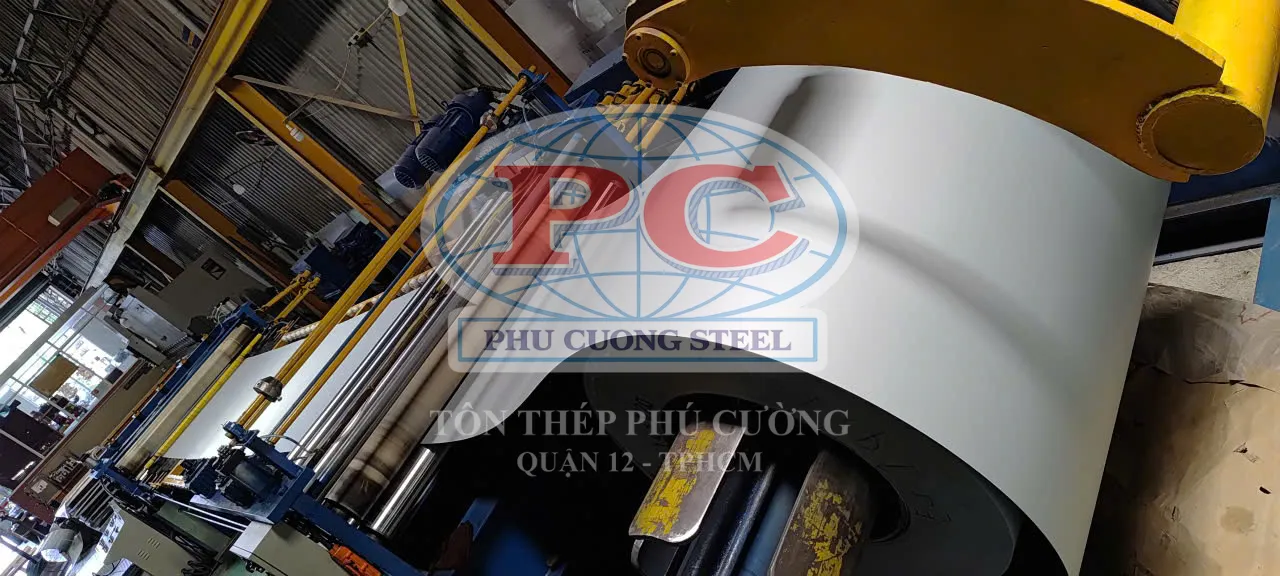
Steel Sheet, Steel District 12 HCMC: Reliable Address to Buy Steel Sheet, Steel for Construction Projects, Factories and Mechanical Engineering
Steel Sheet and Steel District 12 Ho Chi Minh City: How to Choose the Right Material For Construction Projects, Workshops, and Mechanical FabricationWhen customers search for steel sheet and steel District 12, the need is often not simply to “buy a few steel sheets” or “ask for the price of a few steels”. Behind that could be a construction project urgently needing materials, a mechanical workshop needing the correct specifications for fabrication, a residential canopy needing more durable material, or a workshop order needing on-time delivery to avoid construction interruption.In the steel sheet and steel industry, if unsuitable materials are chosen, customers may encounter many problems such as incorrect thickness, incorrect width, surface not meeting requirements, difficult to fabricate, significant waste during cutting and assembly, or additional transportation costs. Therefore, a steel sheet and steel supplier in District 12 not only needs to have stock, but also needs to provide clear consultation, understand usage needs, and assist customers in checking specifications before finalizing the order.Phu Cuong Steel Sheet and Steel is a steel sheet and steel supplier at 2177C–2177D National Highway 1A, Dong Hung Thuan Ward, District 12, Ho Chi Minh City, serving customers in District 12 and surrounding areas such as Hoc Mon, Go Vap, Tan Binh, Tan Phu, Binh Tan, Thu Duc City, Binh Duong and Long An according to specific orders.Why Is Steel Sheet and Steel Demand in District 12 Always High?District 12 is an area with many transport routes connecting to Hoc Mon, Go Vap, Tan Binh, Binh Tan, Thu Duc City and Ho Chi Minh City gateway areas. Here there is high demand for steel sheet and steel for residential houses, boarding houses, canopies, mechanical workshops, warehouses, small workshops, auxiliary construction projects, gates, fences, partitions and residential repairs.With the characteristic of an urban area mixed with warehouses and workshops, the demand for steel sheet and steel in District 12 is quite diverse. Some customers only need small quantities for roof repair, partition making or simple fabrication. Other customers need larger quantities for workshops, steel frames, canopies, residential construction projects or mechanical orders requiring cutting to specifications.See more related content: Buying Steel Sheet and Steel in District 12 and Southern Region: How to Choose the Right Supplier for Mechanical Workshops, Construction ProjectsPrecisely because of such diverse needs, choosing the right type of material from the start is very important. Not every item uses the same type of steel sheet and steel. A steel sheet used for a residential canopy will have different requirements than material used for a mechanical workshop. Box steel for auxiliary frames is also different from steel used for load-bearing structures or product fabrication.Where is Phu Cuong Steel Sheet and Steel in District 12?Phu Cuong Steel Sheet and Steel has a clear address at:2177C–2177D National Highway 1A, Dong Hung Thuan Ward, District 12, Ho Chi Minh CityPhone: 0933 919 899Email: tonthepphucuong@gmail.comWebsite: tonthepphucuong.comThe location on National Highway 1A makes contacting, ordering, and receiving materials more convenient for customers in District 12 and surrounding areas. For construction project customers, location is a very important factor because steel sheet and steel materials are often bulky, requiring suitable vehicles for transportation and requiring delivery times to be arranged according to the construction schedule.Customer Groups That Often Buy Steel Sheet and Steel in District 12Each customer group will have different ways of choosing materials. When usage needs are clearly understood, quotations and consultations will be more accurate, limiting situations of buying the wrong type or insufficient materials.1. Residential construction project customersThis customer group often needs steel sheet and steel for canopies, awnings, partitions, fences, gates, small warehouses, house repairs or auxiliary construction projects. What they need is material that is easy to install, budget-friendly, has a stable surface and is delivered on time.See more related articles: What does width tolerance after coil slitting affect in bending and construction project assembly?For residential construction projects, customers should clearly describe the items needed, area, installation location and aesthetic requirements. If only asking for general prices, it is very easy to choose the wrong type of material unsuitable for actual usage conditions.2. Contractors and construction teamsFor contractors, the important factor is clear material specifications, sufficient quantity, on-time delivery and goods that are easy to inspect upon receipt. A small deviation in thickness, length or type can affect the construction schedule.Contractors often need steel sheet and steel suppliers with the ability to communicate quickly, clearly confirm orders and support delivery to the construction project. This is why suppliers near District 12 are often prioritized when the construction project is in the inner city or adjacent areas.3. Mechanical workshops and fabrication unitsMechanical workshops often pay much attention to thickness, surface, ability to cut, weld, bend, shape or subsequent fabrication. For this customer group, choosing materials is not only based on price but also depends on the stability of the product when put into production.See more related articles: What is Electro-Galvanised Steel? Why Do the Door, Electrostatic Painting, and Metal Furniture Industries Use So Much?For example, galvanised steel sheet, EG steel sheet, box steel, steel plate or purlin all have different applications in mechanical fabrication. If the wrong thickness or unsuitable surface is chosen, the fabrication process may be more difficult, the finished product may not meet requirements or waste may occur.4. Customers buying for quick repair or replacementSome customers in District 12 need to buy steel sheet and steel to quickly handle items such as leaky roofs, damaged partitions, degraded iron frames, warehouses needing reinforcement or small construction projects needing urgent completion. For this group, consultation and delivery speed are very important factors.However, even if urgent, customers should still clearly check the type of goods, dimensions, quantity and delivery conditions to avoid buying too little, too much or buying the wrong specifications needed.Popular Steel Sheet and Steel Product Lines at Phu Cuong Steel Sheet and SteelPhu Cuong Steel Sheet and Steel supplies many material lines serving residential, mechanical, workshop and construction project needs. Depending on the item, customers can be advised on more suitable material types.galvanised steel sheetgalvanised steel sheet is a widely used material line thanks to the galvanised coating which increases oxidation resistance compared to ordinary base steel. This type of steel sheet is often used for canopies, partitions, warehouses, fences, gutters, auxiliary construction projects and mechanical fabrication.When choosing galvanised steel sheet, customers should pay attention to thickness, width, coating surface and usage conditions. For outdoor environments or areas frequently exposed to rainwater, choosing suitable materials will help limit early degradation.See more articles about galvanised steel sheet: Can galvanised steel sheet be welded? The technical truth many workshops don't understandEG steel sheetEG steel sheet is chosen by many customers for items requiring a beautiful surface, easy to identify and suitable for many residential construction projects, canopies, warehouses or mechanical fabrication. The steel sheet surface is an easily visible factor, but customers still need to check the thickness, steel sheet width and suitability for the intended use.For items with aesthetic requirements, a type of steel sheet with a uniform surface should be chosen, with limited scratches and properly stored before installation.See more articles about EG steel sheet: EG steel sheet in mechanical fabrication, doors and metal furniture: Why do many workshops prioritize choosing it?EG steel sheet EGEG steel sheet EG is a material line of interest to many customers for fabrication, roofing, partitioning or use in auxiliary construction projects. When buying EG steel sheet EG, customers should clearly ask about specifications, thickness, surface and suitable applications.See more articles: EG Steel Sheet in District 12 – Reputable Supplier of Electro-Galvanised Steel Sheet EGI, Available in Large Width 1500mmIf used for mechanical workshops, customers should discuss fabrication requirements thoroughly to be advised on material types suitable for cutting, bending or installation methods.Box steelBox steel is often used for roof frames, gates, fences, railings, shelving racks, small workshop frames, auxiliary structures and many mechanical items. When choosing box steel, customers should pay attention to side dimensions, thickness, bar length and load-bearing purpose.Do not choose overly thin box steel for items requiring rigidity or load-bearing capacity. Conversely, for light items, choosing overly thick material can increase unnecessary costs.Steel plateSteel plate is widely used in mechanical fabrication, making tabletops, gusset plates, machine parts, structures, working platforms, lining plates or parts needing to be cut to size. When buying steel plate, it is necessary to clearly determine the thickness, plate dimensions, surface requirements and fabrication method.For mechanical workshops, steel plate needs to be to the correct specifications to limit waste during cutting and facilitate the fabrication process.PurlinPurlin is often used in roof framing systems, workshops, canopies, pre-engineered buildings and construction projects requiring support systems for roofing steel sheet. When choosing purlin, it is necessary to consider span, load, installation distance, thickness and connection method.For workshop construction projects or large canopies, customers should discuss thoroughly with the construction team to choose suitable purlin specifications to avoid insufficient rigidity or subsequent modifications.Suggested Table for Choosing Steel Sheet and Steel According to Usage NeedsUsage itemCommonly used materialsPoints to noteResidential roofingGalvanised steel sheet, EG steel sheet, purlins, steel box sectionsChoose correct thickness, calculate roof slope, check drainage planWorkshops, warehousesRoofing steel sheet, purlins, steel box sections, steel platePrioritize durability, rust resistance, stable specifications, and on-time deliveryMechanical workshopSteel box sections, steel plate, galvanised steel sheet, EG steel sheetRequires correct thickness, easy fabrication, surface suitable for finished product requirementsFences, gates, steel framesSteel box sections, steel plate, galvanised steel sheetPay attention to load-bearing capacity, thickness, and anti-rust treatment after fabricationPartitions, ancillary construction projectsGalvanised steel sheet, EG steel sheetChoose materials according to aesthetic requirements, usage environment, and budgetInformation Customers Should Prepare Before Requesting Steel Sheet and Steel QuotationTo receive a quick and accurate quotation, customers should prepare basic information in advance. This helps the supplier understand the item clearly, reduces incorrect product quotations, and helps customers compare options more easily.Type of material needed: galvanised steel sheet, EG steel sheet, EG steel sheet, steel box section, steel plate, purlin, or other materials.Purpose of use: for roofing, for partitions, mechanical fabrication, for frames, for fences, warehouse, workshop, or residential repair.Desired thickness: if thickness is unknown, can describe the item for consultation.Dimensions or specifications: width, length, number of sheets/bars, cutting dimensions if any.Estimated quantity: helps calculate material costs and delivery options.Delivery address: especially important if delivery is in an alley, small construction project, or areas difficult for trucks to access.Time needed to receive goods: to arrange orders to match construction progress.For construction project customers, should send simple drawings, roof dimensions, or material list if available. For mechanical customers, should clearly state fabrication requirements to receive consultation on easier-to-process materials.Why Buying Steel Sheet and Steel Near District 12 Helps Be More Proactive for the Construction Project?Steel sheet and steel are a group of materials with large dimensions, heavy weight, and often require suitable vehicle transport. If purchased from too far away, delivery costs may increase, delivery time will be longer, and handling issues will also be more difficult.When choosing a steel sheet and steel supplier near District 12, customers have many advantages:Easy to discuss directly about specifications and product types.Convenient to inspect materials before receiving.Easy to arrange delivery according to the construction project's required schedule.Reduces risk of delayed progress due to excessively long transport distance.Easy to supplement materials if the construction project has additional requirements.For construction projects in District 12, Hoc Mon, Go Vap, Tan Binh, Tan Phu, Binh Tan, or adjacent areas, choosing a supplier with a clear address in Q12 will make the purchasing process more proactive.Quick Inspection Method When Receiving Steel Sheet and Steel At the Construction ProjectWhen materials are delivered to the construction project, customers should take time to inspect before commencing construction. This is an important step to limit errors and avoid disputes after cutting, installing, or fabricating.Check correct product type: cross-reference galvanised steel sheet, EG steel sheet, steel box section, steel plate, purlin according to the order placed.Check specifications: thickness, width, length, bar/sheet dimensions.Check quantity: count number of sheets, number of bars, or quantity according to the order.Check surface: check for heavy scratches, dents, warping, or unusual oxidation.Check unloading conditions: avoid dragging materials causing surface scratches or bent edges.Check storage location: should be placed in a dry, flat area, avoid standing water or chemicals.For orders used for mechanical workshops or construction projects with aesthetic requirements, the surface inspection step needs more attention. If issues are found, customers should immediately discuss with the supplier before using the materials.Storing Steel Sheet and Steel Before Construction: Small Task But Big ImpactMany construction projects receive materials a few days or weeks before commencing construction. If not stored properly, steel sheet and steel can be scratched, water-stained, oxidized, have bent edges, or have reduced surface quality.Some notes when storing steel sheet and steel at the construction project:Place materials on a raised, dry surface, limit direct contact with damp ground.Do not allow rainwater to accumulate for long between steel sheet layers.Do not place heavy objects on steel sheet edges causing bending or denting.Do not drag steel sheet on concrete or uneven surfaces.If covered, ensure there is still ventilation, avoid internal condensation.For steel box sections, steel plates, should be neatly arranged, avoid strong impacts on edges and corners.Proper storage helps materials maintain better surfaces, is more convenient during construction, and limits unnecessary issues.Service Area Of Phu Cuong Steel Sheet and SteelPhu Cuong Steel Sheet and Steel serves customers in District 12 and many surrounding areas in Ho Chi Minh City. Some areas with frequent demand for steel sheet and steel include:District 12: Dong Hung Thuan, Tan Thoi Nhat, Tan Hung Thuan, Hiep Thanh, Thoi An, An Phu Dong and surrounding areas.Hoc Mon.Go Vap.Tan Binh.Tan Phu.Binh Tan.Thu Duc City.Binh Duong, Long An and adjacent areas according to specific orders.If customers are looking for steel sheet and steel store District 12, steel sheet and steel dealer Q12 or where to buy steel sheet and steel recently in Ho Chi Minh City, you can contact Ton Thep Phu Cuong for advice on materials suitable for your needs.Why Choose Ton Thep Phu Cuong?Ton Thep Phu Cuong aims for a clear, practical sales approach that suits construction project needs. With steel sheet and steel, it's not just about having stock, but also about providing correct advice, delivering correctly, and helping customers avoid buying the wrong materials.Clear address in District 12: convenient for customers in District 12 and surrounding areas to contact, order, and receive goods.Consultation based on usage needs: assists customers in choosing materials for construction projects, roofing, mechanical engineering, factories, or civil applications.Many popular material lines: galvanised steel sheet, steel sheet EG, steel sheet EG EG, steel box, steel plate, purlins and related materials.Support for specification checking: helps customers understand thickness, dimensions, quantity, and surface requirements before finalizing an order.Suitable for construction project customers and mechanical workshops: focuses on practicality, progress, and clarity in consultation.Frequently Asked Questions When Buying Steel Sheet and Steel in District 121. Does Ton Thep Phu Cuong sell steel sheet and steel in District 12?Yes. Ton Thep Phu Cuong is located at 2177C–2177D QL1A, Dong Hung Thuan Ward, District 12, Ho Chi Minh City, specializing in supplying steel sheet and steel to customers in District 12 and surrounding areas.2. If I don't know which type of steel sheet and steel to choose, can I get advice?Yes. Customers can describe the item needed, such as roofing, factory, partition, fence, iron frame, gate, mechanical engineering, or civil repair. From there, Ton Thep Phu Cuong will advise on the more suitable material type and specifications.3. What information should be provided when asking for steel sheet and steel prices?Customers should provide the material type, thickness, dimensions, quantity, delivery address, and required delivery time. If the specifications are unclear, customers can state the purpose of use to receive advice.4. Does Ton Thep Phu Cuong deliver to Ho Chi Minh City?Ton Thep Phu Cuong supports delivery in District 12 and many surrounding areas such as Hoc Mon, Go Vap, Tan Binh, Tan Phu, Binh Tan, Thu Duc City, and some adjacent areas based on specific orders.5. What should be noted when buying steel sheet and steel for mechanical workshops?Customers should pay attention to thickness, surface, fabrication capability, sheet/bar dimensions, and cutting loss quantity. If there are specific fabrication requirements, it is advisable to discuss them beforehand to choose suitable materials.6. How should steel sheet and steel be stored if not immediately used for construction?Materials should be stored in a dry, flat place, avoiding standing water, dragging to prevent scratches, and limiting heavy objects from pressing on the steel sheet edges. If covered, avoid condensation that could affect the material surface.Contact Ton Thep Phu CuongIf you are looking for steel sheet and steel District 12, steel sheet and steel Q12, steel sheet and steel dealer District 12 or a steel sheet and steel supplier in Ho Chi Minh City for construction projects, factories, roofing, and mechanical engineering, please contact Ton Thep Phu Cuong for consultation and quotation based on actual needs.Ton Thep Phu Cuong – Accompanying Every Construction ProjectQuality builds the brandAddress: 2177C–2177D QL1A, Dong Hung Thuan Ward, District 12, Ho Chi Minh CityPhone: 0933 919 899Email: tonthepphucuong@gmail.comWebsite: tonthepphucuong.com
Read article →