Tin Tức & Sự Kiện
Latest
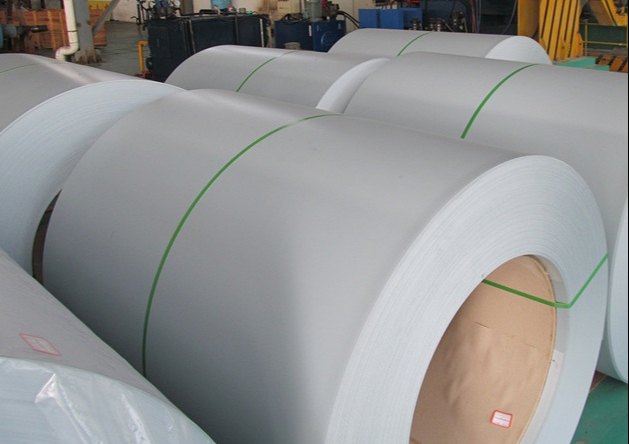
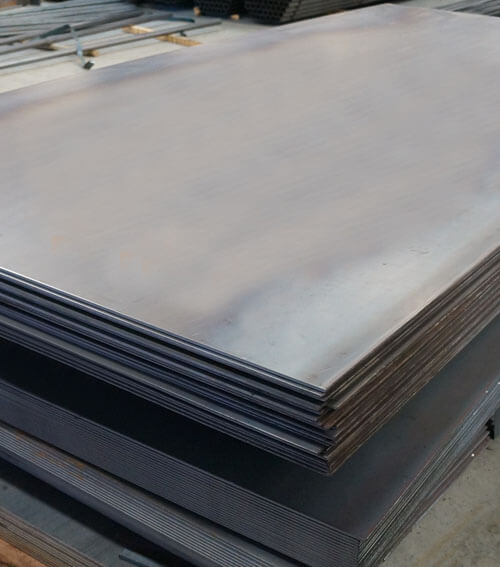
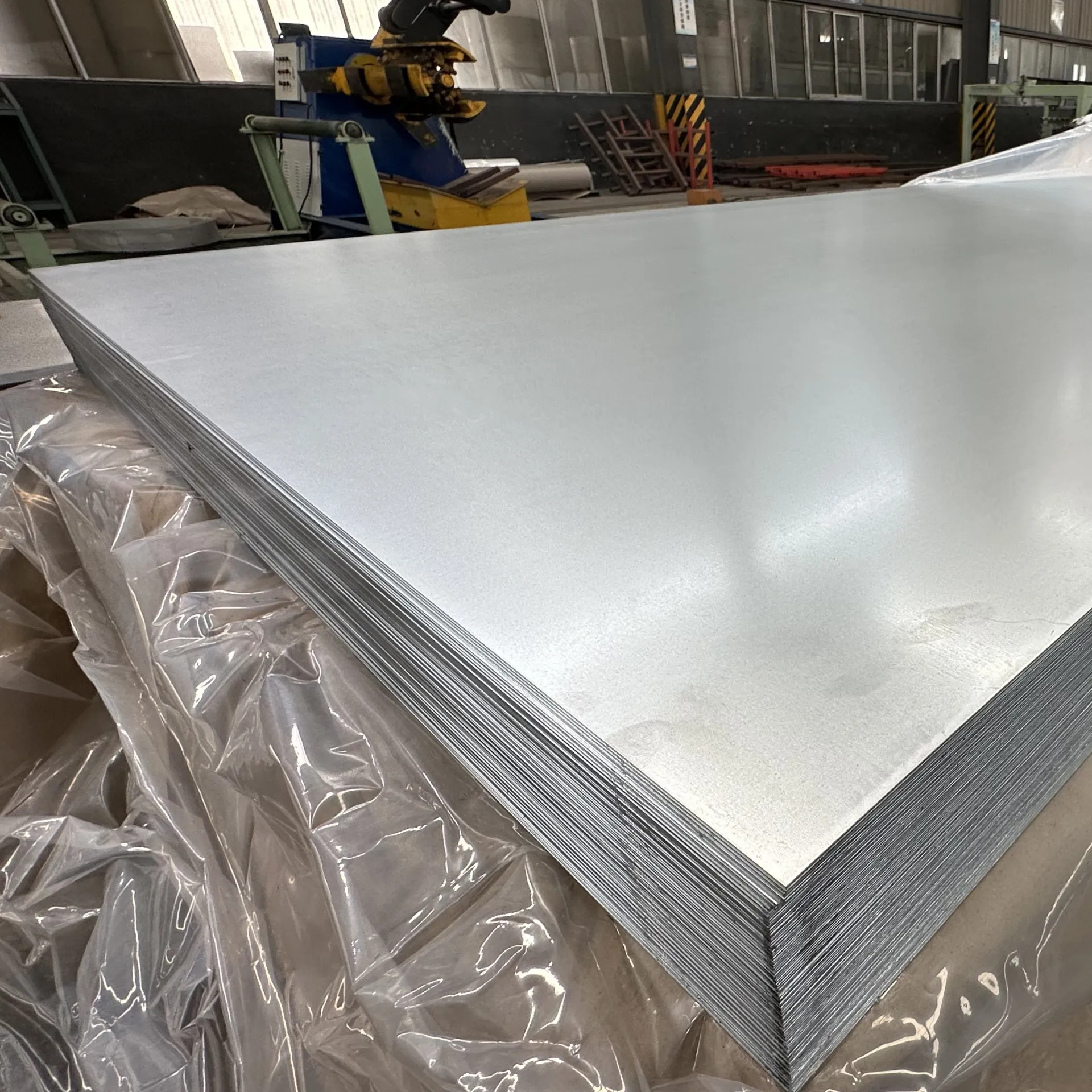
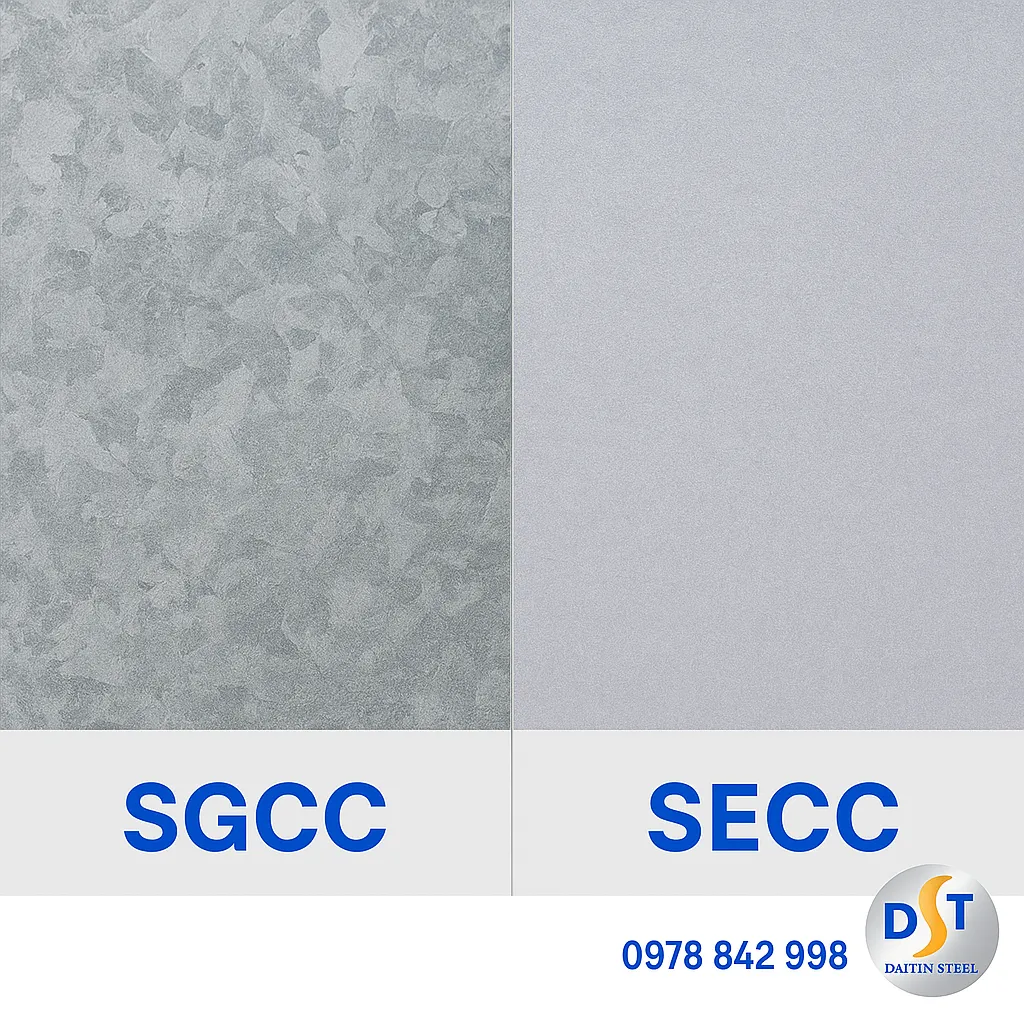
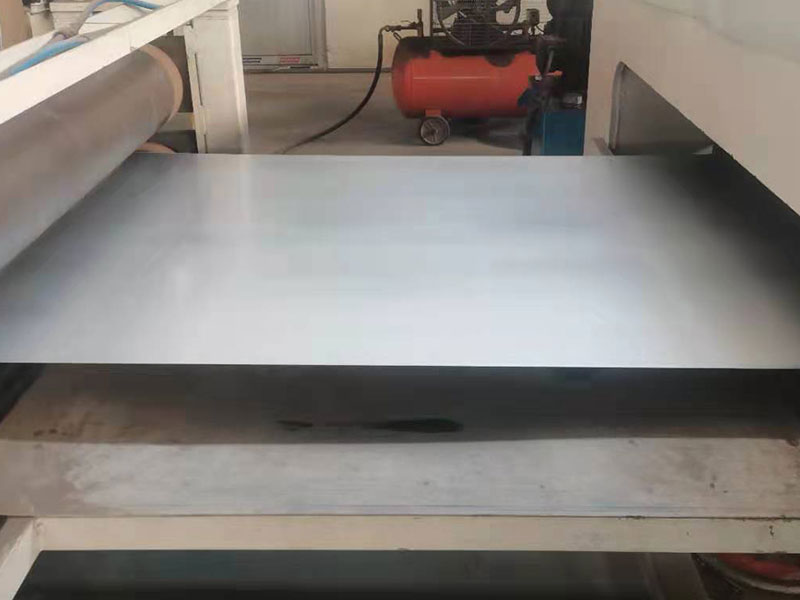
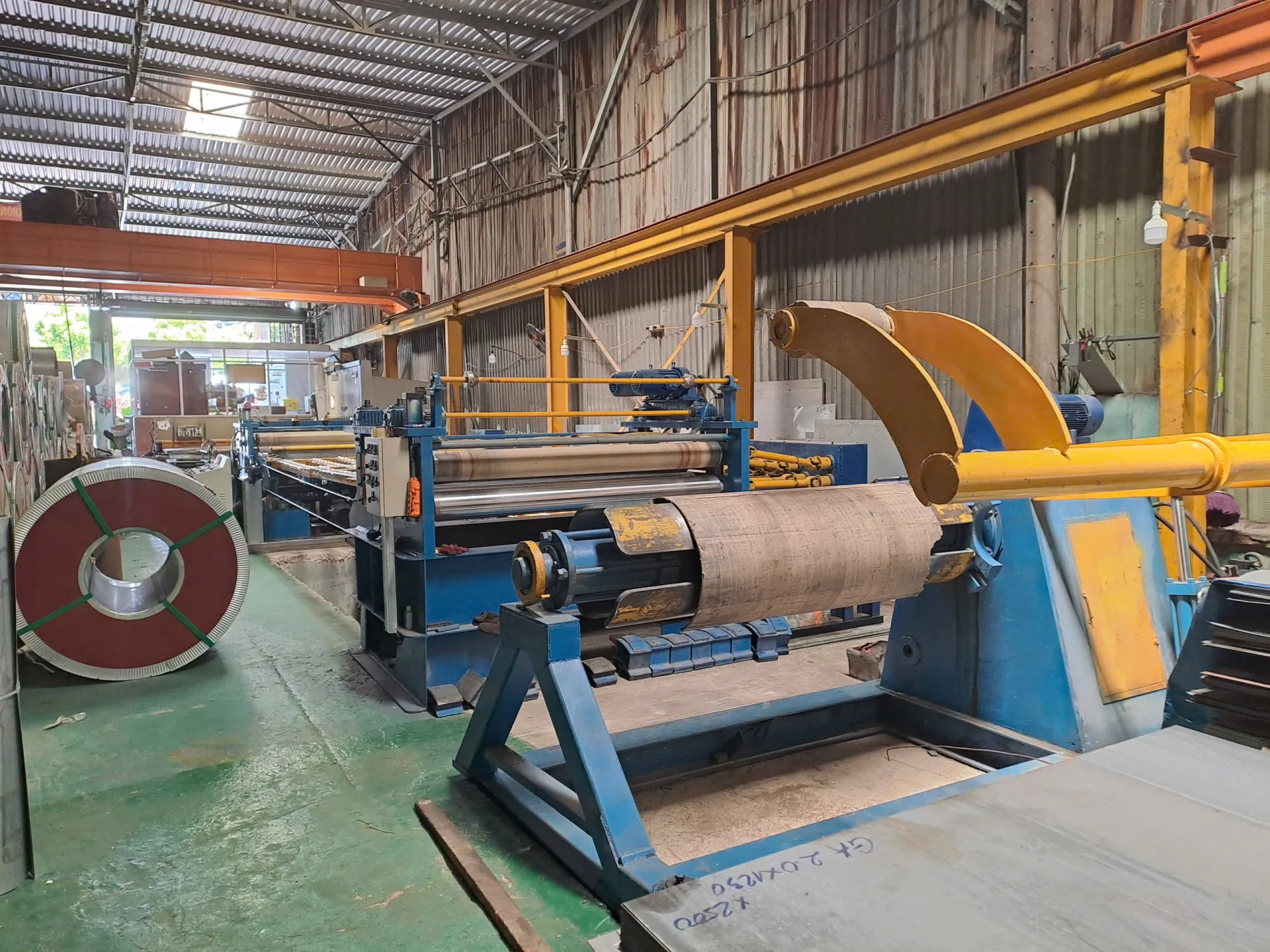
Where to Buy Steel Sheet Steel in District 12? Suggested Supplier with Stock, Fabrication, Fast Delivery
Where to Buy Steel Sheet and Steel in District 12? How to Choose the Right Supplier to Avoid Losing Money Due to Incorrect SpecificationsWhen searching for the phrase “where to buy steel sheet and ste...
More news
Can galvanised steel sheet be welded? Technical facts many workshops do not yet understand
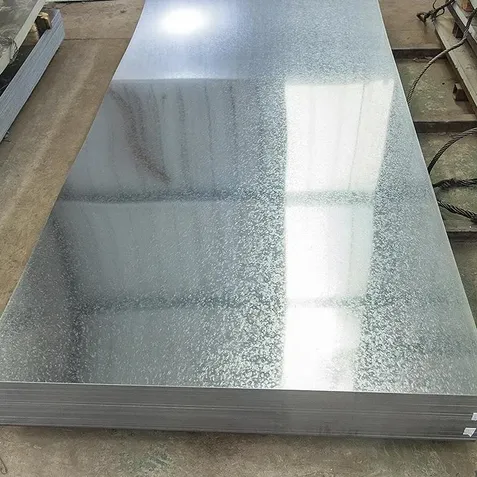
What is galvanised steel sheet? Correct understanding from a technical and production perspectiveIn practice, when referring to galvanised steel sheet, many people often simply understand this as “a type of rust-resistant steel sheet”. This understanding is not wrong, but if it stops there, it is not enough to choose the right material in production or construction. Especially for mechanical workshops, roofing contractors, steel structure companies, or sheet fabrication units, correctly understanding the nature of galvanised steel sheet will directly affect product quality and operating costs.Essentially, galvanised steel sheet is base steel (usually cold-rolled steel or hot-rolled steel with surface treatment) coated with a layer of galvanised by hot-dip galvanising or electro-galvanised method. However, the important thing is not “having a galvanised layer”, but in how that galvanised layer functions in actual use.Specifically, the galvanised coating not only acts as an outer coating to limit contact with the environment, but also functions through an electrochemical protection mechanism. When the material works in an environment with humidity, rainwater, or corrosive agents, the galvanised layer will oxidize first to protect the inner steel part. This is why even when the surface has slight scratches or the cut edge exposes steel, galvanised steel sheet still has better rust resistance compared to ordinary black steel.However, in actual production, the effectiveness of galvanised steel sheet does not depend on the name but depends on many specific factors such as: coating thickness (Z100, Z180, Z275…), base steel quality, surface uniformity, and environmental conditions of use. For example, even if it's the same galvanised steel sheet, using it in a dry workshop will be completely different from outdoor use, humid areas, or highly corrosive environments.From the perspective of a mechanical workshop in District 12, galvanised steel sheet is not just a “rust-resistant” material, but also a factor that directly affects subsequent stages such as cutting, bending, punching, welding, and product finishing. If the wrong type of steel sheet or wrong coating is chosen, problems such as cut edge rust, coating delamination, fabrication errors, or low product lifespan will appear after a period of use.Therefore, correctly understanding what galvanised steel sheet is not only helps you choose the right material, but also helps optimize the entire production chain – from the fabrication stage until the product is put into actual use.Can galvanised steel sheet be welded? Technical truth many workshops do not yet understandIn actual mechanical fabrication, a seemingly simple question that causes a lot of debate is: can galvanised steel sheet be welded? Many people think that if it's steel, it can be welded, but when put into actual production, especially at mechanical workshops in District 12, the story is not that simple.Not a few cases where products after welding experience coating delamination, poor quality welds, quick rust, or errors arising during use. The cause is not the welder's skill, but in not correctly understanding the nature of the material.This article will clearly analyze from a technical and production perspective for you to understand when to weld galvanised steel sheet, when not to, and what to note to avoid errors.Can galvanised steel sheet be welded?The answer is: it can be welded, but it should not always be welded directly.The reason is that the outer galvanised layer will directly affect the welding process. When exposed to high temperatures, the galvanised layer will vaporize, causing many problems with weld quality and occupational safety.Why does welding galvanised steel sheet easily cause errors?In actual production at mechanical workshops in District 12, a solution chosen by many units to limit problems when welding galvanised steel sheet is correct fabrication from the start instead of re-processing later. Instead of buying raw materials and processing them entirely themselves, many workshops now prioritize ordering according to specifications that have been cut, bent, or pre-formed to reduce welding steps and limit errors.This is also why units with the capability coil unwinding – sheet cutting – bending and stamping according to drawings are increasingly preferred. When materials are fabricated to the correct specifications from the start, businesses not only reduce the risk of coating delamination, rust at welds, but also significantly save production time, labor costs, and defect rates.For roofing contractors, steel structures, or sheet metal fabrication, combining choosing the right type of galvanised steel sheet and choosing the right fabrication unit can help optimize the entire process – from raw materials to finished products.1. Galvanised layer burns during weldingWhen welding temperature increases, the galvanised layer will oxidize and vaporize. This causes the welded area to lose its initial rust protection layer.2. Welds are prone to porosity, unevennessGalvanised fumes generated during welding can interrupt the arc, making the weld unstable.3. Risk of rust after weldingThe area where the coating is burned will become a weak point, easily corroded if not re-treated.4. Health effectsGalvanised fumes generated during welding can affect the respiratory system if protective measures are not taken.When to and when not to weld galvanised steel sheet?Weld when:Component requires strong connectionCannot be replaced by other methodsSurface treatment after weldingDo not weld when:Product requires long-term high rust resistanceCan use bolts, rivets, or folding as alternativesProduct requires high aestheticsCorrect handling method when needing to weld galvanised steel sheet1. Clean the galvanised layer at the welding locationReduce the impact of the coating on the weld.2. Choose appropriate welding methodMethods such as MIG or TIG usually yield more stable results.3. Re-treat after weldingApply anti-rust paint or re-galvanise to protect the welded area.4. Ensure occupational safetyUse specialized masks and good ventilation.Practical perspective from a mechanical workshop in District 12Many mechanical workshops today are gradually limiting direct welding on galvanised steel sheet, instead switching to solutions such as:Folding to create connectionsUse bolts, rivetsPre-forming fabricationThe reason is very simple: reduce errors, reduce re-processing time, and increase product stability.Phu Cuong Steel Sheet – Material & galvanised steel sheet fabrication solutions in District 12If you are looking for a source of quality galvanised steel sheet, correct specifications, and suitable for actual production, choosing the right supplier not only helps ensure material quality but also directly affects the progress and cost of the entire order.In District 12 area – where many mechanical workshops, roofing contractors, and steel structure companies are concentrated – Phu Cuong Steel Sheet is not merely a material supplier, but also a partner supporting businesses to optimize from raw materials to finished fabrication.We supply a diverse range of materials for production:Galvanised steel sheet in various thicknesses, large widths (1000mm, 1250mm, 1500mm)EG steel sheet (SECC, EG), electro-galvanised steelCold-rolled steel, hot-rolledCut-to-size steel sheet according to specificationsBesides, Phu Cuong's great advantage lies in direct fabrication capability at the warehouse, helping customers minimize subsequent processing steps:Coil unwinding – sheet cutting according to required dimensionsCutting steel sheet to standard widthBending, stamping, fabrication according to drawingsEnsure correct thickness, minimise errorsReduce material surface scratchesFor mechanical workshops, construction units or manufacturers in Ho Chi Minh City, especially District 12, receiving materials that have been fabricated to the correct specifications not only helps reduce welding errors, reduce defective product rate but also significantly optimise operating time and costs.PHU CUONG STEEL SHEET AND STEEL CO., LTD📍 Address: 2177C - 2177D National Highway 1A, Dong Hung Thuan Ward, District 12, Ho Chi Minh City📞 Hotline: 0933 919 899🌐 Website: https://tonthepphucuong.comContact us now for consultation on the right material – right specifications – right solution for your production needs.See more related articles:Steel Sheet Bending Service According to Drawings in District 12, Ho Chi Minh City – Precise, Uniform Fabrication, Fast DeliveryWhere to Buy Reliable EG Steel Sheet in Ho Chi Minh City? Quotation & Experience in Choosing the Right StandardWhat Materials Are Used to Produce Steel Doors, Fireproof Doors, Metal Doors?What is steel sheet bending fabrication? Process, advantages, and practical applications
Read article →
Steel Sheet Bending Service According to Drawing in District 12, Ho Chi Minh City – Precise Fabrication, Uniform, Fast Delivery
Steel Sheet Bending Service According to Drawing in Ho Chi Minh City – Precise Fabrication, Uniform, Fast DeliveryIn mechanical fabrication, civil construction, and metal component manufacturing, steel sheet bending is a very important stage because it directly determines the shape, uniformity, and assembly capability of the finished product. A well-bent component is not just theoretically correct in angle, but also must ensureo straight bend line, stable length, even edges, and minimize errors between bars.Actual images from the workshop show long, straight, uniform bend lines and neat surfaces after fabrication. This type of finished product is very common in orders for trims, frames, technical bars, covering components, assembly components, or structural elements requiring high uniformity when produced in batches.For such orders, choosing the right fabrication unit not only helps produce better-looking products but also significantly reduces modification and assembly time and optimizes overall costs for customers.1. What is steel sheet bending? What are its practical applications?Steel sheet bending is the process of using machines and molds to create folds or shapes on metal sheets according to technical drawings. After being cut to specification, steel sheet or steel plate will be fed into a bending machine to create desired shapes such as square folds, edge folds, trims, gutters, or components with specific cross-sections for assembly.In practice, steel sheet bending service is widely applied in:Metal trim fabricationGutter components, boxes, technical framesProtective casings, electrical cabinet enclosures, civil mechanical componentsMetal interior decorative componentsAuxiliary structural elements in construction projects and workshopsDepending on the material, thickness, and intended use, the bending challenge will differ. Therefore, an experienced steel sheet bending unit will not just work intuitively but also needs to thoroughly understand the drawing, the material, and how to control errors during fabrication.2. Why does steel sheet bending quality greatly affect the finished product?Many people think that just bending to the correct angle is enough. However, in actual production, a component might have the correct angle but still be difficult to assemble if the bend line is misaligned, ends are uneven, or dimensions are incorrect after bending.This is why steel sheet bending quality greatly affects production efficiency. When bending is unstable, businesses may encounter issues such as:Components with incorrect overall dimensionsBend line is not straight, resulting in an aesthetically poor finished productBars from the same batch but with low uniformityAssembly is tight, has gaps, or is difficult to connectRequires additional time for manual adjustmentsEspecially for long components such as trims, gutters, technical bars, or structural elements with great length, even a small error can easily affect the entire subsequent assembly.3. Factors determining a good and stable bent product3.1. Machinery must be sufficiently stableTo achieve a good bend line, first, the machinery must ensure uniform pressing force. If the machine is unstable, the product is very prone to being tight at one end but slightly open at the other, or the entire bend line does not achieve the desired straightness.3.2. Molds must be suitable for the materialEach type of steel sheet has different characteristics regarding thickness, hardness, and elasticityi. If the wrong die or punch is chosen, the product may have incorrect angles, incorrect bend radius, or leave unsightly marks on the surface.3.3. Operators must understand the drawingWith the same drawing, but if the operator does not correctly interpret the technical requirements, does not control reference points, or does not account for the material's springback, the final product is very likely to deviate from the initial target.3.4. Input material must be stableActual thickness, surface condition, and uniformity between material batches directly affect the bending process. When the material is unstable, maintaining uniformity between components is also more difficult.4. Which needs is the steel sheet bending service according to drawing suitable for?Currently, many customers not only need to purchase steel sheet as raw material but also want it fabricated to specification to save time and reduce intermediate steps. Steel sheet bending service according to drawing is particularly suitable for needs such as:Need to produce trims, technical bars, gutters, or metal frames according to custom dimensionsNeed to bend in batches with high uniformityNeed to combine sheet cutting, coil slitting, and then bendingNeed fast fabrication to meet construction project deadlines or assemblyNeed a unit that both supplies material and fabricates to easily control qualityInstead of buying material from one place, cutting it in another, and then taking it to be bent elsewhere, many customers now prefer to work with a workshop that can handle the entire process to save time, effort, and minimize errors between stages.5. Advantages of direct steel sheet bending fabrication at the workshopWhen fabricating directly at a workshop with clear machinery and processes, customers will have greater advantages in terms of schedule, quality, and the ability to handle actual requirements. Some obvious benefits include:More proactive in production timeEasy to control quality right from the material stageReduce intermediate steps, limit cost increasesEasy to communicate and adjust according to actual drawingsIncrease uniformity when running batch productionThis is why many customers now prefer to choose a workshop that both has materials available and offers on-site fabrication instead of separating each stage.6. Phu Cuong Steel Sheet accepts custom steel sheet bending in Ho Chi Minh CityIf you are looking for steel sheet bending service according to drawing in Ho Chi Minh City, Phu Cuong Steel Sheet is one of the suitable choices for actual fabrication needs. The workshop accepts fabrication of bent components according to specification, serving various purposes in mechanical, construction, and civil applications.Phu Cuong's advantage is not only in the fabrication stage but also in its ability to synchronize materials and produce directly at the workshop. This makes it more convenient for customers when needing fast order processing, custom sizes, or requiring high uniformity.Phu Cuong currently supplies and supports fabrication of common material types such as:EG steel sheetGA steel sheetgalvanised steel sheetSteel plate, steel sheet to specificationIn addition, accompanying fabrication services include:Custom sheet cuttingCoil slittingMetal bending according to drawingSteel sheet fabrication directly at the workshopSee details of Phu Cuong Steel Sheet's fabrication services here: ServicesFor customers needing batch production, requiring uniformity between bars, or needing fast delivery to meet deadlines, working directly with a workshop that has available machinery will save more time compared to an intermediary model.7. Capabilities and advantages when choosing the right steel sheet bending unitIn steel sheet fabrication, the difference between a workshop that produces stable goods and one that only bends intuitively lies in its overall processing capability. It's not just about having machines, but also the ability to control materials, read drawings, adjust parameters, and maintain uniformity throughout the production process.Units with well-established processes will typically have advantages such as:Modern, synchronized machinery systemsTechnical team knowledgeable in drawings and materialsStable blank supply, easy to control qualityFabrication capability according to actual specificationsControl schedule with own delivery trucksThis is also an important factor that helps customers feel more secure when placing orders requiring accuracy, uniformity, and good assembly capability after fabrication.8. ConclusionSteel sheet bending service is not merely creating a fold angle on metal, but is a stage directly affecting the accuracy, aesthetics, and assembly efficiency of the final product. For long parts, batch orders, or products requiring high uniformity, choosing the right fabrication unit is a very important factor.If you are looking for a place steel sheet bending according to drawings, sheet cutting, coil slitting, and steel sheet fabrication on demand, Phu Cuong Steel is ready to provide quick support according to actual specifications. With a full range of machinery, direct fabrication at the workshop, and own delivery trucks, Phu Cuong helps customers control schedule, optimize costs, and enhance product stability.See more related articles:What is Bending Radius Error? Why are parts folded at the correct angle still difficult to assemble?What is Residual Stress in Steel? Why does steel sheet warp after cutting?How Does Width Error After Coil Slitting Affect Bending and Stamping and Construction Project Assembly?Contact Phu Cuong Steel for suitable solution consultation:Address: 2177C–2177D QL1A, Dong Hung Thuan Ward, District 12, Ho Chi Minh CityPhone: 0933 919 899Email: tonthepphucuong@gmail.comWebsite: tonthepphucuong.com
Read article →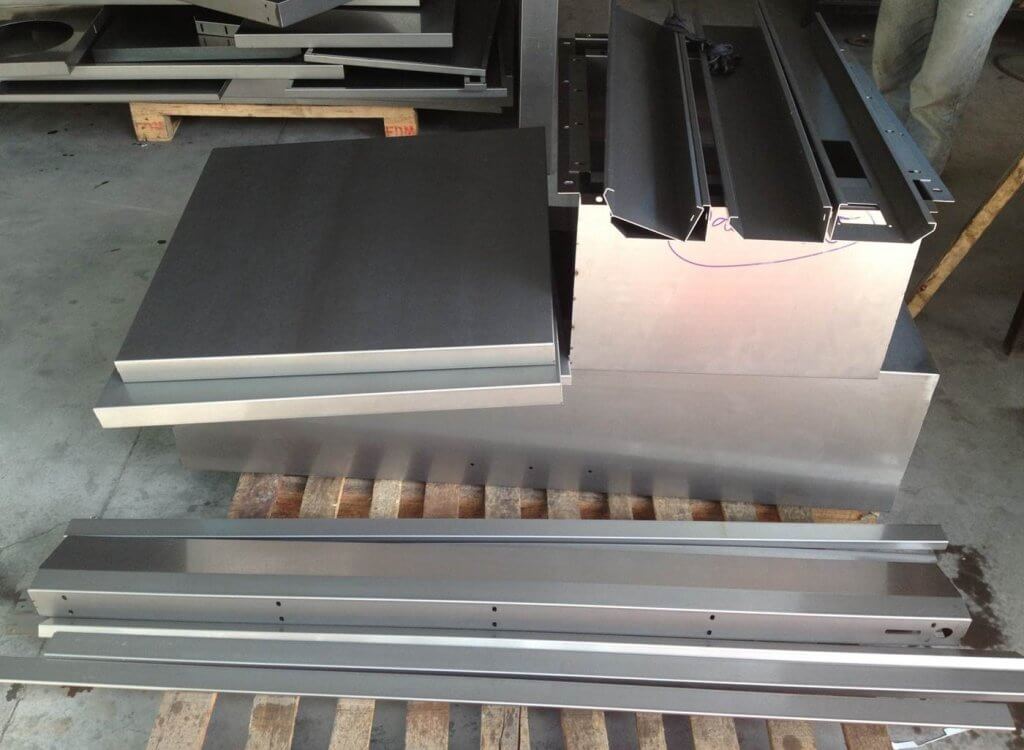
What is Springback When Bending Steel Sheet? Why is the Finished Product Still Wrong Even When Bent at the Correct Angle on the Machine?
What is Bending Radius Error? Why Parts Bent at the Correct Angle Are Still Difficult to AssembleWhen it comes to metal bending fabrication, many people often focus on the bending angle and forget a very important factor, which is bending radius. In reality, there are many cases where parts appear to have been bent at the correct angle, the bend lines are quite good, the surface is not cracked, but when assembled, theyare obstructed, have gaps, are misaligned, or do not fit snugly according to the designdesign. The reason lies in the fact that the actual bending radius differs from the intended bending radius on the drawing.This is a technical error that is easily overlooked, especially in orders for steel sheet fabrication according to specifications, box casing parts, channels, trims, mechanical accessories, electrical cabinets, enclosure parts, or components that need to be assembled as a unit. If the bending radius is not well controlled, businesses may encounter situations of incorrect overall dimensions, incorrect edge length after bending, requiring manual adjustment, or even redoing the entire batch.1. What is bending radius error?The bending radius is the curved part formed at the position where the metal is bent during the bending process. On technical drawings, this radius is usually specified to ensure that the part after fabrication achieves the correct shape, correct developed size, and correct assembly capability.Bending radius error occurs when the actual radius formed on the product is larger or smaller than expected. This error not only affects aesthetics but also directly impacts:Length of sides after bendingOverall dimensions of the finished productFit between assembled partsAbility to screw, overlap, wrap corners, or join edgesProportion requiring rework after fabricationIn other words, if the bending angle is something easily visible to the eye, then the bending radius is the silent determining factor of whether that part "fits" with the assembly system.2. Why does a part bent at the correct angle still not fit snugly?This is a very common situation in production. A part may achieve a fairly standard 90-degree angle when measured quickly, but still not fit when assembled. The reason is that a correct angle does not necessarily mean the overall geometry is correct.When the bending radius changes, the material in the bent area will be distributed differently from the initial calculation. This changes the effective edge length, causing the outer or inner dimensions of the part to be inaccurate. For products requiring seaming, interlocking, edge wrapping, or connecting multiple consecutive sections, even a slight deviation in the bent area is enough to cause cumulative errors.In practice, fabrication workshops often encounter symptoms such as:The bent part has an open edge when applied to the other surfaceThe bent trim is at the correct angle but does not fit snugly against the edgeThe bent trough or box has incorrect inner dimensionsCabinets, frames, or enclosures are jammed at the joint cornersBatches of parts produced have low uniformity3. What factors cause incorrect bending radius?3.1. Uneven material thicknessSteel sheets on the market may have thickness deviations between coils, batches or even on the same coil surface. When the thickness changes, the degree of deformation during bending also changes accordingly. This is why, with the same die set and the same machine, one batch bends perfectly while another has a deviated radius.3.2. Different material mechanical propertiesNot all steel grades react the same way when bent. Hardness, yield strength, ductility, and material surface condition all affect how the metal deforms. The harder or more elastic the material, the more the actual radius tends to differ from the initial expectation.The harder or more elastic the material, the more the actual radius tends to differ from the initial expectation, typical for series such as EG steel sheet SECC, EG.3.3. Inappropriate V-die selectionThe V-die opening directly affects the radius formed at the bend. If the V-die opening is chosen too large compared to the material thickness, the actual radius may be larger than desired. Conversely, if pressed too tightly with an unsuitable die set, the product may be severely deformed, easily marked, or have an increased risk of cracking at the bend line.3.4. Bending type usedAir bending, bottom bending, or coining will provide different levels of geometric control. Among these, air bending is flexible and common, but the resulting radius depends significantly on the material, V-die opening, and pressing force. If the drawing requires high stability, the choice of bending method should be considered from the outset.3.5. Drawing does not clearly show required radiusMany orders only specify the bending angle without clearly stating the inner radius, outer radius, or acceptable standard. This can lead to different understandings between the workshop and the customer regarding the finished product's shape. When assembly errors occur, tracing responsibility also becomes more difficult.4. How does bending radius error affect unfolded dimensions?In bending fabrication, blank dimensions before bending cannot be calculated by mechanically adding straight edges. Must account for allowance and deduction at the bend area. If the radius is incorrectly assumed, the entire developed length may be off.This is very important for:Parts that need to be CNC cut before bendingLarge quantity orders require high uniformityParts with multiple consecutive bend linesProducts that need to be assembled as assemblies or modulesA small error in assuming the bend radius can lead to the entire final part being short or oversized, even if the machine operation follows the correct procedure. This is very important for parts that need to be CNC cut before bending or products that have undergone the process of decoiling and sheet cutting.5. When should special attention be paid to the bend radius?Not all products require close examination of the bend radius to the same extent. However, businesses should pay special attention in the following cases:Details require accurate assembly according to drawingProduct has many bending lines close togetherThin material but requires tight geometryHard material, difficult to deform, or with sensitive surface coatingRepeated orders require consistency between batchesDetails used for electrical cabinets, technical boxes, enclosures, clips, trays, light structural accessories6. Ways to limit bending radius error in practice6.1. Check input material more carefullyFor stable bending, material must first be controlled. Need to monitor actual thickness, coil origin, surface condition, consistency between batches, and suitability for fabrication requirements. The more stable the input material, the easier it is to control geometric errors after bending.6.2. Select the correct die set and bending parameters for the taskDo not apply a rigid bending formula for all materials. Depending on thickness, steel type, aesthetic requirements, and finished product geometry, select appropriate V-slot, punch, pressing force, and bending method. For critical details, sample bending should be performed before mass production.6.3. Synchronize between drawing, unfolding, and machine realityIf design, blank cutting, and bending operation departments do not share common assumptions about bending radius, errors will appear very early. Therefore, it is necessary to clearly agree on which radius the drawing uses, which parameters are used for unfolding conversion, and what geometry the actual machine is producing.6.4. Save parameters for each commonly used materialFor frequently fabricated steel sheet types, the workshop should build an internal experimental data set: actual thickness, die type used, pressing angle, springback amount, formed radius, edge stretch/shrinkage after bending. This is a very effective way to shorten machine adjustment time and reduce the defect rate.7. Role of the fabrication unit in controlling bending errorsWith the same drawing, not every workshop produces identical finished products. The difference lies in material handling experience, ability to read drawings, completeness of machinery, and how errors are controlled from the outset.An experienced fabrication unit will not just receive drawings and bend intuitively, but also know to pre-warn about positions at risk of radius deviation, incorrect overall dimensions, or difficult assembly. This is especially important for batch production orders, assembly groups, or those requiring high consistency.In practice, workshops with proper procedures will typically:Check input material before fabricationCompare drawings with actual machine capabilitiesTest bending samples before mass productionSave bending parameters for each material typeProactively adjust to ensure assembly details are correct in practice, not just in theoryIf you are looking for a supplier that provides materials and supports fabrication according to drawings, Steel Sheet Steel Phu Cuong can well meet these needs. With a system of machinery at the workshop, experience in processing various types of steel sheet and steel, and flexible fabrication capabilities according to specifications, Phu Cuong helps customers minimize errors from the input stage instead of having to fix errors at the assembly step.The strength of working with a supplier that has its own fabrication workshop like Phu Cuong is the ability to synchronize the entire process from material to finished product:Supply EG steel sheet, GA steel sheet, galvanised steel sheetCut sheets as requiredCoil slittingMetal bending according to drawingsFabricate steel sheet and steel directly at the workshopOwn trucks, proactive delivery, optimized costsInstead of just “bending to finish”, choosing the right fabrication supplier will significantly reduce the defect rate, save adjustment time, and ensure products meet technical requirements when assembled.8. Fabricating steel sheet and steel according to drawings: not just correct angles but also correct overall geometryIn many orders, customers often only detect errors after actual assembly of the details. At that point, correcting errors usually costs much more time and money than controlling from the start. Therefore, evaluating bending quality should not stop at “correct angle or not”, but must consider assembly capability, uniformity, and adherence to drawing geometry.For businesses that need to fabricate steel sheet and steel, cut and slit coils, bend according to specifications, or produce components for construction projects and civil engineering, choosing the right supplier with suitable machinery and understanding the error problem is a very important factor.9. Steel Sheet Steel Phu Cuong accepts fabrication of steel sheet and steel on demandIf you are looking for a supplier that provides materials and supports fabrication according to drawings, Steel Sheet Steel Phu Cuong is a suitable choice for many practical needs in Ho Chi Minh City and surrounding areas.Phu Cuong supplies diverse materials and supports fabrication at the workshop, helping customers more conveniently in the ordering process, specification control, and schedule optimization.EG steel sheetGA steel sheetgalvanised steel sheetSteel plate, steel sheet according to specificationsCut sheets as requiredCoil slittingMetal bendingFabricate steel sheet and steel at the workshopBesides material factors, the advantage of a supplier with its own machinery system, fabrication workshop, and trucks is that it helps reduce intermediaries, proactively manage delivery schedules, and optimize costs for customers who need goods according to specifications.10. ConclusionBending radius error is one of the silent but very important reasons why fabricated details are difficult to assemble, even if they appear to be correctly bent. To effectively control finished product quality, a comprehensive view is needed, from input materials, technical drawings, unfolding calculations, mold sets used, to machine operation experience.In fabricating steel sheet and steel, correct angles are only a necessary condition. For products to be correct, assemble smoothly, run stably, and minimize cold rework, businesses also need to control the geometry of the bent area, especially the actual radius formed on the product.See more related articles:What is Residual Stress in Steel? Why do Steel Sheets Warp After Cutting?What is EG Steel Sheet? SECC, EG, EG Electro-Galvanised Steel – A-Z Overview & Applications in District 12How to Measure Galvanised Coating Layer at Construction Project: Avoid Errors When Checking Z100, Z180, Z275Contact Steel Sheet Steel Phu Cuong for suitable solution consultation:Address: 2177C–2177D QL1A, Dong Hung Thuan Ward, District 12, HCMCPhone: 0933 919 899Email: tonthepphucuong@gmail.comWebsite: tonthepphucuong.com
Read article →
How does width tolerance after coil slitting affect bending and stamping and construction project assembly?
In the steel sheet industry, when talking about material quality, many people often immediately think of thickness, coating thickness, surface or blank origin. However, from a practical construction and fabrication perspective, there is a very important parameter that is often overlooked: actual width of the sheet after uncoiling. This factor directly affects the accuracy of subsequent stages such as bending, forming, roll forming, seaming, screwing, installing trims, installing gutters, making doors, making panels, cladding walls, or sheet metal mechanical parts.If the width of the sheet after uncoiling deviates from the required dimension, that error does not stop at a single sheet. It will propagate into a chain error throughout the entire production and erection process. A detail off by a few millimeters can cause uneven bent edges, misaligned punched holes, open seams, aesthetically unpleasing assembled structures, increased material waste, and higher rectification costs at the construction project.For construction projects requiring fast progress, high repeatability, and consistency between details, controlling the width error after uncoiling is no longer a “minor” issue. It is a critical link determining precise fabrication capability and smooth acceptance.1. What is width error after uncoiling?Width error after uncoiling is the difference between required width dimension and actual dimension of the sheet after being uncoiled from a steel sheet coil or steel coil. For example, if a customer requests a cut width of 500mm, the actual finished product might be 498mm, 499mm, 501mm, or 503mm, depending on the accuracy of the machine system and operating procedures.Visually, a difference of a few millimeters may seem small. But in mass production or in structures requiring continuous assembly, this level of error can become a very significant problem. A roof, wall, trim, or accessory detail that is off-width will lead to:Loss of positional accuracy during bending and stamping.Does not match previously fabricated details.Requires manual cutting and adjustment at the construction project.Generates scrap or requires redoing the entire batch.Affects surface aesthetics upon final installation.In practice, professional contractors and fabrication workshops often do not just look at the “nominal cut width”. They are concerned with actual cut width, consistency between sheets and dimensional repeatability across the entire batch. Because one correctly sized sheet is not enough; it is important that the entire batch is uniform for quick bending, punching, assembly, and installation.2. Why is width error after uncoiling prone to occur?To understand why this stage is important, one needs to look at the true nature of the uncoiling process. The input material is a metal coil with residual stress, which may have slight curvature, coil set, edge stretch, and in some cases, minor fluctuations in usable width. When passing through the uncoiling, leveling, and cutting system, if the machinery or operation is not precise, errors will appear.Common causes include:2.1. Improper cutting blades and edge guiding systemIf cutting blades are worn, misaligned, blade clearance is not optimal, or the edge guiding system is unstable, the cut edge may deviate in dimension. When cutting large quantities, the deviation becomes more apparent.2.2. Uneven input coilSome material coils have varying tightness between wraps, unstable coil edges, or slight edge drift. When fed into the machine, if the material does not run perfectly straight, the actual width after uncoiling will fluctuate.2.3. Inadequate levelingIf the steel sheet still has curvature, warping, or if stresses have not been properly relieved before cutting, the sheet after leaving the machine may experience slight “dimensional bounce” due to material springback. This is particularly common with thin, wide, or high-strength materials.2.4. Excessive uncoiling speedMany units prioritize speed for quick output, but if running too fast without proper control, the material may deviate from the path, causing repeatable errors between sheets.2.5. Lack of in-process batch inspectionA very common mistake is to only measure the first sheet and then proceed with mass production. Meanwhile, errors can appear in the middle or end of the batch due to blade heating, changes in coil tension, or slight machine vibration over operating time.3. How does width error affect the bending and stamping stage?This is the most important part. In bending and stamping, especially for edge folding, box bending, U-bending, V-bending, trim bending, gutter bending, or forming cladding accessories, the input blank width directly determines the final geometry. When the blank width is incorrect, the finished product will almost certainly be incorrect as well.3.1. Incorrect flange dimensionsFor example, a detail needs to be bent into a U-shape with two equal flanges. If the blank width is smaller than required, after subtracting the bending radius and the bent edges, the finished flange will be undersized. If the blank is oversized, the flange will be larger than the drawing. This error prevents the detail from fitting into the frame system or matching the corresponding part.3.2. Off-center bend lineMany details are aligned from the sheet edge. When the edge width is incorrect, the entire bend line position shifts accordingly. The result is that the detail still “looks right”, but in actual assembly, it does not match holes, rails, or trims.3.3. Increased risk of distortion and part twistingWhen the width is inconsistent between blanks, the bending force applied to each sheet is no longer uniform. This easily leads to parts being angled, slightly twisted, or locally distorted, especially with long, thin, or wide sheets.3.4. Loss of repeatability in mass productionIn industrial production, it is important not only to make one correct part but to make 100 identical parts. If the input width fluctuates, operators must constantly adjust the machine, increasing setup time, reducing productivity, and increasing the risk of errors.3.5. Causes difficulties for punching, rib forming, and shape forming stagesIf a detail needs to be bent and punched according to standard positions, the width error will shift the entire fabrication coordinate system. At this point, even if the punching machine is very accurate, the final product will still be incorrect because the initial reference was wrong.4. Impact of width error on assembly at the construction projectAt the construction project, the impact of errors is often much more apparent than in the workshop. A sheet or a detail with an incorrect width may not be immediately detected on the fabrication table. But when brought to the site and installed into the frame system, all errors will become apparent simultaneously.4.1. Open seams, misaligned seams, insufficient overlapFor roof, wall, trim, or gutter systems, incorrect width causes the overlapping section to no longer match the design. The result is that the joint edge may be open, lack coverage, or deviate from a straight line, which is both unsightly and increases the risk of water leakage.4.2. Does not match the frame system or accessoriesMany steel sheet details are designed to be installed with purlins, support bars, door frames, rails, or panels. When the actual width deviates, workers are forced to grind, trim, shim, or screw off-center. This is a workaround, not an optimal technical solution.4.3. Increased construction time and labor costsWhen goods arrive at the construction project and require manual adjustments, progress is immediately delayed. Laborers must re-measure, re-cut, re-bend, or replace. If the number of errors is high, rectification costs can far exceed the cost difference between a precise fabrication unit and one lacking control.4.4. Affects overall aestheticsIn construction projects with high surface requirements such as showrooms, prefabricated office buildings, commercial areas, modern workshops, wall cladding and covering details need to be straight, uniform, and sharp. Small but continuously repeated errors will create the impression that the construction project is misaligned and lacks meticulousness.4.5. Causes cascading material wasteAn incorrectly sized part does not just damage itself. It can damage the entire accompanying assembly chain, requiring additional replacement of trims, screws, gaskets, adhesives, or even the entire related assembly.5. Which cases are particularly sensitive to width error?Not all applications are equally sensitive. Width error is particularly noteworthy in the following cases:Fabrication of trims, ridge caps, gutters, eaves: because the geometry is highly dependent on the blank width.Details of box bending, U-bending, V-bending: even a slight deviation immediately results in incorrect finished product dimensions.Panels, cladding panels, steel doors, electrical cabinets, metal furniture: require high fit accuracy between multiple components.Wide sheets or long lengths: small input errors can easily be amplified during assembly.Mass production: errors are no longer isolated errors but become systemic errors.6. How to control width deviation from the outsetTo effectively control bending and stamping and assembly, it cannot only be checked at the final stage. It needs to be checked right from the input and at the slitting stage.6.1. Choose the right material and supplierInput material is a fundamental factor determining the stability of dimensions after slitting. A steel sheet coil with uneven width, flared coil edge, or an unstable coating layer will make the cutting process difficult to achieve high accuracy, no matter how good the machinery is.Therefore, the choice of supplier should not be based solely on price. For technical orders, especially for bending and stamping and assembly, it is necessary to prioritize suppliers with integrated control from raw material source → slitting → fabrication.In practice, units with a system of integrated slitting and bending and stamping machines, a technical team that understands drawings and a batch-based dimension inspection process will significantly reduce width deviation from the outset. This is particularly important for applications requiring high repeatability such as mass production, sheet metal fabrication, or workshop structures.Phu Cuong Steel Sheet and Steel – Accompanying Every Construction Project is one of the units that well meets this requirement by providing both materials and fabrication services. With the advantage of genuine raw material sources, a system of new technology slitting – cut-to-size – bending and stamping machines, along with a technical team knowledgeable in drawings, the products after fabrication achieve high uniformity, limiting deviation between sheets.Additionally, on-site fabrication at the warehouse helps control dimensions directly during the production process, instead of relying on multiple intermediaries. Combined with a system of dedicated delivery trucks, the unit can optimize logistics costs and ensure progress for orders requiring quick deployment.For construction projects with high technical requirements, choosing the right supplier from the outset not only helps ensure quality but also significantly reduces rework costs and risks arising during construction.6.2. Use a system of stable slitting machines with precise edge guidingGood machinery not only helps cut quickly but also helps maintain high repeatability between sheets. For technical orders, machine stability is as important as the material itself.6.3. Batch-based dimension inspection, not just checking the first sheetRegular checks should be performed throughout the fabrication process: at the beginning, middle, and end of the batch. This method helps detect dimension deviation early before errors spread throughout the entire batch.6.4. Coordinate bending drawings with actual slit widthMany errors arise due to bending workshops and slitting workshops working disjointedly. There must be consistency between blank width, bending radius, flanging sequence, and target finished product dimensions.6.5. Consider tolerance for specific applicationsNot all components use the same tolerance level. Decorative components, water-tight joint components, rail mounting components, technical box components… each type has different requirements. Tolerance needs to be determined according to the specific purpose of use, instead of applying a general level for all.7. Optimize from the perspective of contractors and mechanical workshopsFor contractors, the concern is not just how much cheaper the slitting price is per kilogram, but rather total cost of ownership of the order. A low-priced batch with high deviation will increase hidden costs: rework, delayed progress, material loss, additional labor, material replacement, reduced reputation with the investor.For mechanical workshops, controlling standard width from the outset significantly reduces machine bending adjustment time, reduces scrap, increases on-time delivery capability, and builds trust with B2B customers. From an operational perspective, this is a direct factor affecting productivity and profit margins.In other words, accurate slitting is not a minor matter. It is the foundational step for the entire subsequent fabrication system to run smoothly, from bending and stamping to on-site assembly.8. ConclusionWidth deviation after slitting is one of the silent but very common causes of errors in the bending and stamping and assembly stages. This deviation can cause incorrect bending wing dimensions, incorrect hole punching positions, open seams, misaligned accessories, increased material loss, and delayed construction progress. In technical orders, especially industrial B2B orders, the accuracy of the cut width does not only affect one component but affects the entire production chain.Therefore, when ordering fabricated steel sheet and steel, businesses should prioritize units with stable material sources, integrated slitting and bending and stamping machinery, strict dimension control and a clear understanding of the technical requirements for each application. This is the real way to reduce errors, instead of dealing with consequences once goods have reached the construction project.Phu Cuong Steel Sheet and Steel – Leading Reputable Wide Steel Sheet DistributorIf you are looking for a steel sheet and steel supplier with the capability to slit, cut-to-size, bend and stamp, and perform on-site fabrication with high accuracy, Phu Cuong Steel Sheet and Steel – Accompanying Every Construction Project is a suitable choice for various needs from workshops, mechanical engineering, metal structures to industrial cladding items. Our motto is Quality builds reputation, therefore, each order does not just stop at material delivery but also aims for technical suitability and practical usage efficiency.Phu Cuong currently supplies key product lines such as EG steel sheet, GA steel sheet, galvanised steel sheet, along with many common specifications and wide widths such as 1000mm, 1250mm, 1500mm. This is an important advantage for units requiring wide steel sheets to reduce joints, reduce material loss, and optimize finished product design. In addition, we have a system of slitting – cut-to-size – bending and stamping – on-site warehouse fabrication machines, supporting fast, uniform order processing and limiting deviation during production.Beyond material supply, Phu Cuong also supports fabrication services such as slitting, custom cutting, bending and stamping, on-site steel sheet fabrication to help customers reduce points of contact and save implementation time. Owning our own delivery trucks also helps optimize logistics costs, manage progress proactively, and support more flexible delivery for customers in Ho Chi Minh City and surrounding areas.Contact information:Address: 2177C–2177D QL1A, P. Đông Hưng Thuận, Q.12, TP.HCMPhone: 0933 919 899Email: tonthepphucuong@gmail.comWebsite: tonthepphucuong.comSee more related articles:Where to Buy EG Steel Sheet Reputably in Ho Chi Minh City? Quotation & Experience in Choosing the Right StandardHow Does the Lifespan of Galvanised Steel Sheet Depend on the Z120 – Z180 – Z275 Coating Layer?What Is Electro-galvanised Steel? Why Is It Widely Used in the Door, Electrostatic Painting, and Metal Furniture Industries?What Is Springback When Bending Steel Sheet? Why Is the Finished Product Still Incorrect Even When Bent at the Correct Angle on the Machine?
Read article →What is Residual Stress in Steel? Why does the steel sheet warp after cutting?
1. Introduction: Why does flat steel sheet curve after cutting?In actual fabrication, many units encounter a situation where steel sheet is flat in coil form, but after uncoiling or cutting into sheets, warping appears. This is not a random error but stems from an important technical factor: residual stress in the material.Residual stress is a "hidden" cause but directly affects fabrication quality, especially in precision mechanics, steel structures, and industrial production.2. Residual stress in steel from a material mechanics perspectiveResidual stress is not merely "remaining force in the material," but is the result of uneven strain distribution during processing and metal phase transformation.In steel sheet, residual stress often exists in the form of:Tensile residual stress on the surface layerCompressive residual stress in the inner layerThis distribution is formed due to differences in:Cooling rate between the surface and the core of the materialDegree of plastic deformation during rollingUneven recovery and recrystallization phenomenaEspecially in cold-rolled steel, a high degree of plastic deformation accumulates strain energy in the crystal lattice (dislocation density increases). When not thoroughly heat-treated, this energy exists as intrinsic residual stress.2.1. Role of crystal structure and plastic deformationWhen steel is deformed during rolling:Slip planes in the crystal are activatedDislocation increases sharplyCrystal structure is "locked" in an unbalanced stateThis creates a state where the material always tends to "release energy" to return to a more stable state.→ This tendency is the root cause of warping after cutting.2.2. Influence of plating process (galvanised, electro-galvanised)In plated steel sheets (hot-dip galvanised or electro-galvanised), residual stress is also affected by:Difference in thermal expansion coefficient between the plating layer and the steel substrateCooling process after platingAdhesion and thickness of the plating layerFor example:Plating layer cools faster → shrinks more stronglySteel substrate shrinks slower→ creates tensile stress on the surface and compression inside → increases the risk of curving when cut.3. Mechanism of stress release during fabrication3.1. "False equilibrium" state before cuttingIn the initial state (coil form or large sheet), residual stresses are symmetrically distributed and cancel each other out on a macroscopic scale, giving the material a "flat" feel.However, this is only metastable equilibrium, not a truly stable state.3.2. Breaking equilibrium – releasing elastic energyWhen performing operations such as:UncoilingSheet cuttingLaser fabrication or bending→ the system is cut apart → stress distribution is no longer symmetrical.At that point:The part with tensile stress will expandThe part with compressive stress will contract→ creating immediate warping deformation.3.3. Energy perspective (important)Essentially, materials always tend to:Reduce internal energyAchieve the lowest stable stateResidual stress is "stored energy." When released (due to cutting), the material deforms itself to reduce this energy.→ warping is not a random error, but an inevitable physical consequence.3.4. Why do thin steel sheets curve more easily?According to material mechanics, the bending stiffness of a steel sheet is proportional to:thickness^3 (t³)This means:Just a slight reduction in thickness → stiffness decreases very sharplyThin steel sheets will deform more easily when stress is released→ this is why thin steel sheets or electro-galvanised steel sheets are often more sensitive to warping.4. Practical application: When does residual stress cause major problems?CNC laser cutting: material deformation causes cutting errorsMetal bending: incorrect angles, unable to maintain profileStructural fabrication: inaccurate assemblyMass production: cumulative deviationsIn many cases, businesses mistakenly believe that the material is "poor quality," while the real reason is uncontrolled residual stress.5. Consequences of not controlling residual stressIncreased scrap rateTime-consuming manual adjustmentsImpact on production scheduleReduced product accuracyEspecially for orders requiring tight tolerances, residual stress can become a factor that “breaks the plan” for the entire production process.6. Solutions for controlling residual stress and limiting warping6.1. Material inspection from the startBefore fabrication, it is necessary to conduct a preliminary check of material flatness and stability. In many cases, skipping this step leads to errors only being detected after cutting or bending, incurring repair costs.In addition to flatness, businesses should also check actual galvanised coating at the construction project to ensure the material meets technical standards.6.2. Stress control from the slitting and cutting stageResidual stress only becomes a problem when released uncontrollably. Therefore, the slitting and cutting stage plays an extremely important role in limiting warping.Factors to control include:Tension stability during slittingAccuracy of the cutting systemProcessing speed suitable for each material typeIn practice, units possessing integrated slitting and fabrication machinery systems will have better stress control capabilities, thereby significantly reducing warping after cutting. This is especially important for orders requiring high precision or using large width steel sheet.This is also why many mechanical engineering businesses prioritize choosing suppliers with direct fabrication capabilities at the warehouse, instead of processing through multiple intermediaries, to limit deviations and stabilize output quality.6.3. Choosing a supplier with quality controlThe choice of supplier not only affects cost but also directly determines the stability of the material during fabrication.A reputable unit needs to ensure:Good control of flatness tolerance and steel sheet thickness toleranceHas an integrated fabrication system (slitting, cutting, bending)Clear billet source, full CO, CQIn Ho Chi Minh City, Tôn Thép Phú Cường is one of the units capable of effectively controlling these factors thanks to modern machinery systems and direct fabrication processes at the warehouse. Limiting intermediate steps helps reduce the risk of uncontrolled stress release, thereby significantly improving material stability when put into production.6.4. Optimize fabrication processThe fewer intermediate fabrication steps, the lower the likelihood of deformation. Therefore, businesses should prioritize solutions that simplify processes and effectively control each stage.In many cases, direct steel sheet fabrication at the warehouse not only helps reduce costs but also significantly limits deviations caused by residual stress.Tôn Thép Phú Cường – Leading Reputable Large Width Steel Sheet DistributorIn practice, controlling residual stress and material tolerance not only depends on the manufacturing plant but also heavily relies on the processing capabilities of the supplier. Choosing the right partner from the start will help businesses limit warping, reduce scrap, and optimize fabrication costs.Tôn Thép Phú Cường – Accompanying Every Construction Project, providing material and fabrication solutions for mechanical engineering, construction, and industrial manufacturing businesses.Key productsElectro-galvanised steel sheet EG: high aesthetic surface, suitable for precision mechanical fabrication, metal furnitureElectro-galvanised steel sheet GA: good stability, easy to fabricate, suitable for structures and technical partsGalvanised steel sheet: diverse coating thickness (Z100 – Z275), used for structures, outdoor construction projectsLarge width steel sheet (≥1500mm): reduces material loss, optimizes productionFabrication services at the workshopSlitting – cutting to specification: tension control, limits warping after cuttingBending – stamping – forming: fabrication according to technical drawings, ensures accuracyCutting to required dimensions: optimizes material, reduces lossDirect fabrication at the warehouse: reduces intermediaries, limits deformation due to transportationCapabilities and advantagesModern, integrated machinery systemTechnical team knowledgeable in drawings and materialsGenuine billet source, full CO, CQDedicated transport trucks, fast delivery – optimized costsCommitment to correct thickness, correct specifications, flat and clean cut surfaceIf you are experiencing steel sheet warping after cutting or need a stable material source for high-demand orders, choosing a unit with full fabrication and quality control capabilities will be a decisive factor for long-term effectiveness.Contact Tôn Thép Phú Cường for suitable solution consultation:Address: 2177C–2177D QL1A, P. Đông Hưng Thuận, Q.12, TP.HCMPhone: 0933 919 899Email: tonthepphucuong@gmail.comWebsite: tonthepphucuong.comSee more related articles:How does width deviation after slitting affect bending, stamping, and construction project assembly?Where to Buy Reputable EG Steel Sheet in Ho Chi Minh City? Quotation & Experience in Choosing the Right StandardWhat is Electro-galvanised Steel? Why is it Widely Used in the Door, Electrostatic Painting, and Metal Furniture Industries?Mistake of only measuring steel sheet with calipers: Why do many contractors misjudge material quality?
Read article →
Steel Sheet Warping After Fabrication: Flatness Tolerance Error Often Overlooked
1. Introduction: Why steel sheet flatness is more important than you think?In actual construction and mechanical fabrication, many units only focus on thickness, coating, or cost, overlooking a crucial factor: the flatness of the steel sheet. This is a common mistake leading to a series of problems such as:Steel sheet warping when fed into bending or stamping machinesDimensional inaccuracies when cutting with CNC or laserPoor fit during installation, causing gaps or structural deformationEspecially in industries such as precision mechanics, steel structures, facades, or metal interior fabrication, flatness tolerance is almost the decisive factor for the final product quality.This is an extremely common error, especially when buyers do not carefully check steel sheet thickness tolerance2. What is steel sheet flatness tolerance?Flatness tolerance is the permissible deviation of the actual surface of the steel sheet from an ideal flat plane.Simply put:Flatter steel sheet → smaller error → higher qualityWarped steel sheet → large error → difficult to fabricate accuratelyIn technical standards, flatness is usually measured by:Maximum deviation over a certain lengthOr curvature in mm/mFor example: a 2m long steel sheet may allow a maximum bend of 3mm → if exceeded, it will be considered non-compliant.3. Causes of steel sheet warping3.1. Residual stress during rollingDuring steel production, especially cold-rolled or electro-galvanised, the material may contain internal residual stress. When cut from the coil, this stress is released and causes bending.3.2. Incorrect slitting techniqueThe slitting process is one of the most common causes of steel sheet warping in practice. If the pulling force is uneven or the cutting knife system is not precise, the steel sheet after slitting is very prone to conditions such as:Arc-shaped bending along the lengthDiagonal warpingSlight twisting, especially in wide steel sheetsThe core reason lies in controlling tension and uniformity during the slitting process. Units using old machinery or manual operation often find it difficult to ensure this stability.In practice,choosing a unit with modern slitting machine systems, precise force adjustment will significantly help limit warping from the outset, especially for orders requiring high precision or wide steel sheets.This is also why many mechanical enterprises now prioritize direct fabrication at warehouses with full machinery, instead of buying steel coil to process themselves, to reduce the risk of deviation and optimize output product quality.3.3. Uneven thicknessThis is an extremely common error in the market. When steel sheet has a thickness difference between regions:Thicker parts shrink lessThinner parts shrink moreThe result is that the steel sheet naturally warps after fabrication or temperature changes.3.4. Environmental temperature effectsMetal expands with heat. If steel sheet is stored or transported under uneven temperature conditions, it can result in:Slight bending along the lengthLocal deformation3.5. Incorrect bending/stamping techniqueIncorrect or unbalanced bending force can cause warping after fabrication, especially with wide steel sheets.4. Practical applications: When does flatness become a decisive factor?In many B2B applications, flatness is a mandatory factor:CNC laser fabrication: if steel sheet is not flat → focal point error → cutting errorMetal bending and folding: incorrect angle, incorrect profileFacades: causing aesthetic defects and gapsHandrails, metal doors: difficult to assemble accuratelyEspecially with wide steel sheets (≥1500mm), the flatness issue becomes more severe due to the large area → easy accumulation of errors.5. Consequences of ignoring flatness toleranceIncreased scrap in productionTime spent on manual reworkImpact on construction project progressIncreased labor and machinery costsIn many cases, the cost of error correction is even higher than the initial material value.6. Control and optimization solutions6.1. Check flatness upon receiptUse a straightedge or place on a standard flat surface for a quick check. In addition to flatness, you also need to check the actual galvanised coating at the construction project to ensure it meets standards6.2. Choose a supplier with quality controlThis is the most important factor when wanting to control the flatness tolerance of steel sheet. In reality, material quality not only depends on the manufacturing plant but also largely depends on the distribution and intermediate fabrication unit.A reputable supplier needs to ensure the following factors:Modern slitting machine system, stable tension controlCutting - bending - stamping fabrication according to technical drawingsControl of thickness, flatness, and material surface before deliveryClear raw material source, with full CO, CQ documentsIn practice, units owning direct fabrication workshops with synchronized machinery systems will have better quality control capabilities than purely commercial models. On-site fabrication not only helps limit warping due to multiple transports but also ensures higher accuracy in each stage.In Ho Chi Minh City, Phu Cuong Steel Sheet and Steel is one of the companies that fully meets the above criteria, with a modern coil slitting – bending and stamping machine system, a technical team that understands drawings, and direct fabrication capability at the warehouse. This helps to control flatness tolerance well, especially for high-demand orders or large width steel sheets.In addition, proactive transport trucks also help minimize deformation risk during the delivery process, while optimizing costs for customers.6.3. On-site fabrication to reduce deformationCutting and bending right at the warehouse helps reduce warping risk due to transportation and multiple handling.6.4. Using suitable steel sheet widthLarge width is not always best. It is necessary to choose the optimal width to limit deformation and optimize fabrication.7. ConclusionFlatness tolerance is an important technical factor but often overlooked. In the context of the mechanical and construction industries increasingly requiring high precision, controlling flatness not only helps improve quality but also optimizes overall costs.Phu Cuong Steel Sheet and Steel – Leading Reputable Large Width Steel Sheet DistributorIn reality, many warping errors do not originate from the initial material but from intermediate processing such as coil slitting, cutting, or transportation. Therefore, choosing the right supplier not only helps ensure quality but also significantly reduces incurred costs throughout the entire fabrication process.Phu Cuong Steel Sheet and Steel – Accompanying Every Construction Project, with the motto “Quality builds the brand”, not only supplies materials but also acts as a technical solution for mechanical and construction businesses.Large warehouse, diverse specifications: galvanised steel sheet, EG steel sheet, GA, pre-painted cold-rolled steel sheet – especially available in large widths from 1500mm to reduce material wasteModern machinery system: coil slitting, cutting, synchronized bending - stamping, good control of flatness and toleranceDirect fabrication at the warehouse: limits warping due to multiple transports, ensures accuracy according to drawingsTechnical team with practical understanding: supports drawing interpretation and advises on suitable material solutionsDedicated transport trucks: fast delivery, optimizes costs, limits deformation during transportationQuality commitment: correct thickness, correct specifications, full CO, CQ from the factoryIf you are experiencing steel sheet warping, deviations during fabrication, or need a stable material source for high-tech orders, choosing a company with full fabrication capabilities and quality control from the start will be the decisive factor for long-term effectiveness.Contact Phu Cuong Steel Sheet and Steel now for consultation on suitable solutions for each construction project:Address: 2177C–2177D QL1A, Dong Hung Thuan Ward, District 12, Ho Chi Minh CityPhone: 0933 919 899Email: tonthepphucuong@gmail.comWebsite: tonthepphucuong.comSee more related articles:What is Ba Via (Bavia) in Steel Sheet Cutting? Why Does it Cause Errors in Door, Furniture, and Mechanical Fabrication?What is EG Steel Sheet? SECC, EG, EG Electro-Galvanised Steel – A-Z Overview & Applications in District 12What Materials Are Used to Produce Steel Doors, Fire-Rated Doors, and Metal Doors?
Read article →